 Skip to content


Filters
Collection
Filters
Collection
Intertrigo Treatments for Serious Fungal Infections
-

 Sale 31%
Ciclopirox Gel 0.77% Topical Antifungal Medication 30 grams (Rx)
Original price $ 159.95Current price $ 110.002 reviews🔒 Medical License Required -
 Sale 30%
Amphotericin B Injection 50 mg Vial For Intravenous Infusion Only **Refrigerated (RX)
Original price $ 249.00Current price $ 175.00🔒 Medical License Required -
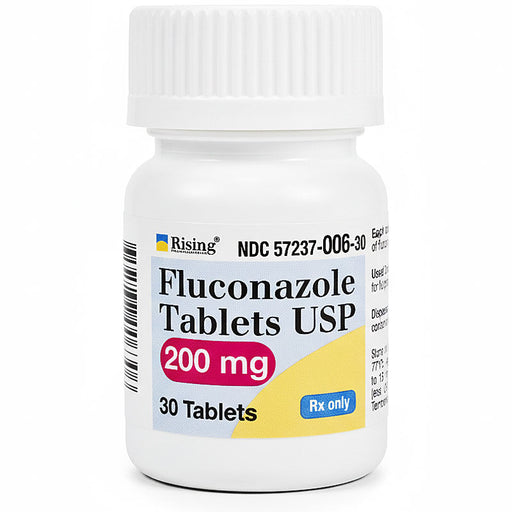 Sale 28%
Fluconazole Tablets 200 mg by Rising Pharmaceuticals 30/Bottle (RX)
Original price $ 54.00Current price $ 39.00🔒 Medical License Required


Intertrigo treatments are used to manage and alleviate the symptoms of intertrigo, a common inflammatory skin condition that occurs in skin folds due to friction, moisture, and bacterial or fungal overgrowth. These treatments aim to reduce inflammation, prevent infection, and promote healing of the affected areas. Treatment strategies typically include maintaining dry skin folds, applying barrier creams or ointments, using antifungal or antibacterial medications if an infection is present, and in some cases, using topical corticosteroids to reduce inflammation.