




Filters
Irrigation Solutions to sodium chloride irrigation
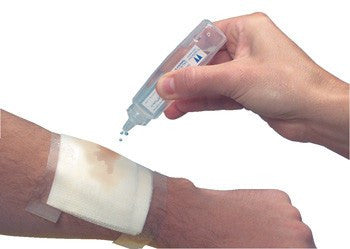
Irrigation solutions are sterile fluids used in healthcare to flush or rinse wounds, body cavities, or surgical sites. The primary goal of irrigation is mechanical cleansing – removing dirt, debris, blood, and bacteria to reduce infection risk and promote healing. In practice, irrigation means gently washing the area with fluid, often under light pressure, to physically dislodge contaminants. This can be done in many settings (emergency wound care, surgery, ENT, ophthalmology, urology, etc.). For example, during surgery or wound debridement, copious sterile fluid is used to wash out damaged tissue and contaminants.
Irrigation fluids must be non-toxic to tissues. The most common irrigation solution is sterile normal saline (0.9% sodium chloride). Normal saline is isotonic with body fluids, so it cleans wounds and cavities without causing cells to swell or shrink. Its effect is purely mechanical: as a pressurized stream it washes away bacteria and debris and dilutes contaminants, with no added drugs (so it does not breed resistance. In many hospitals and clinics, “sterile saline irrigation” or sterile water (“for irrigation only”) bottles are standard supplies for wound or surgical irrigation.
Clinical Uses: Irrigation solutions are used whenever cleansing is needed:
- Wound Care: To clean cuts, lacerations, or surgical incisions. For example, before suturing a dirty wound, a provider will irrigate it thoroughly with sterile saline to remove debris and reduce infection risk.
- Surgery: During operations, surgeons continuously irrigate the operative field to clear blood and keep tissues moist; for instance, flushing abdominal cavities or joint spaces before closure.
- Emergency Burns/Chemical Exposures: Copious irrigation (often water or saline) is the first aid for chemical burns to skin or eyes. For ocular chemical injuries, immediate copious irrigation with neutral fluid is the single most important step to limit damage.
- Bladder/Urinary: To flush catheters or relieve clot retention, sterile saline is instilled into the bladder and then allowed to drain (bladder irrigation).
- Otolaryngology/ENT: Nasal or sinus irrigation (e.g. saline sinus rinse), or ear irrigation to remove cerumen, using warm saline or water.
- Dentistry: During root canals and gum procedures, irrigating solutions (sterile saline or antiseptic rinse) flush the oral cavity or root canals.
- Other: Like peritoneal lavage in trauma, eye irrigation, intravenous line flushing (though often IV flushes are heparinized saline).
In all cases, the effect of irrigation is mechanical, not pharmacologic. It removes contaminants (e.g. bacteria, foreign matter) and thus lowers infection risk. For example, studies confirm that thorough wound irrigation is “the single greatest intervention … to reduce the risk of infection” in contaminated wound.
Clinical Uses: Irrigation solutions are used whenever cleansing is needed:
- Wound Care: To clean cuts, lacerations, or surgical incisions. For example, before suturing a dirty wound, a provider will irrigate it thoroughly with sterile saline to remove debris and reduce infection risk.
- Surgery: During operations, surgeons continuously irrigate the operative field to clear blood and keep tissues moist; for instance, flushing abdominal cavities or joint spaces before closure.
- Emergency Burns/Chemical Exposures: Copious irrigation (often water or saline) is the first aid for chemical burns to skin or eyes. For ocular chemical injuries, immediate copious irrigation with neutral fluid is the single most important step to limit damage.
- Bladder/Urinary: To flush catheters or relieve clot retention, sterile saline is instilled into the bladder and then allowed to drain (bladder irrigation).
- Otolaryngology/ENT: Nasal or sinus irrigation (e.g. saline sinus rinse), or ear irrigation to remove cerumen, using warm saline or water.
- Dentistry: During root canals and gum procedures, irrigating solutions (sterile saline or antiseptic rinse) flush the oral cavity or root canals.
- Other: Like peritoneal lavage in trauma, eye irrigation, intravenous line flushing (though often IV flushes are heparinized saline).
In all cases, the effect of irrigation is mechanical, not pharmacologic. It removes contaminants (e.g. bacteria, foreign matter) and thus lowers infection risk. For example, studies confirm that thorough wound irrigation is “the single greatest intervention … to reduce the risk of infection” in contaminated wound.
In summary, medical irrigation solutions are sterile flushing fluids (most often saline) used to wash out and cleanse wounds or body cavities. They play a vital supporting role in wound care and surgery by physically removing contaminants. Saline is the workhorse irrigation fluid (safe and effective, but various other irrigants (water, antiseptic or antibiotic solutions) are used in specific situations where additional antimicrobial action is needed.
-
Sale 44%
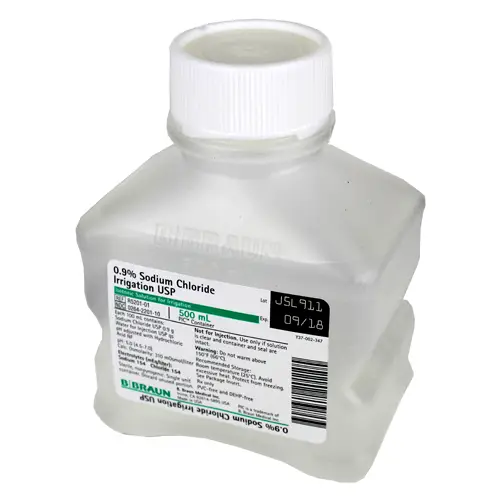
Original price $ 12.95Current price $ 7.20Sodium Chloride 0.9% Irrigation Saline Solution 500 mL EACH
43 reviewsB Braun 0.9% Sodium Chloride Irrigation Solution 500ml is a sterile solution used for cleansing wounds and diluting medications. This Saline Irriga...
View full details -
Sale 34%
Original price $ 24.95Current price $ 16.50Saljet Sterile Saline 0.9% Topical Solution for Irrigation 30 ml Vials 12/Box
2 reviewsSterile Saline Solution for Safe & Convenient Wound and Device Irrigation Experience the gold standard in wound care and irrigation with Saljet...
View full details -
Sale 38%
Original price $ 15.85Current price $ 9.89Sodium Chloride 0.9% Irrigation Solution 1000 mL Bottle EACH
3 reviewsB Braun 0.9% Sodium Chloride Irrigation Solution 1000ml is a sterile solution used for cleansing wounds and diluting medications. This Saline Irri...
View full details -
Sale 55%
Original price $ 8.95Current price $ 3.99Sodium Chloride Irrigation Solution 500 mL
1 reviewSodium Chloride 0.9% Irrigation Solution 500 mL is used for irrigation or flushing of wounds, body cavities, or surgical incisions to remove dirt, ...
View full details -
Sale 56%
Original price $ 8.95Current price $ 3.95Sodium Chloride 0.9% (Normal Saline) Irrigation Solution, Screw Top 250 mL
Sodium Chloride 0.9% Irrigation Solution, Screw Top 250 mL is used for irrigation and cleansing of body cavities, such as the nasal and sinus passa...
View full details
Irrigation solutions are sterile fluids used in healthcare to flush or rinse wounds, body cavities, or surgical sites. The primary goal of irrigation is mechanical cleansing – removing dirt, debris, blood, and bacteria to reduce infection risk and promote healing. In practice, irrigation means gently washing the area with fluid, often under light pressure, to physically dislodge contaminants. This can be done in many settings (emergency wound care, surgery, ENT, ophthalmology, urology, etc.). For example, during surgery or wound debridement, copious sterile fluid is used to wash out damaged tissue and contaminants.
Irrigation fluids must be non-toxic to tissues. The most common irrigation solution is sterile normal saline (0.9% sodium chloride). Normal saline is isotonic with body fluids, so it cleans wounds and cavities without causing cells to swell or shrink. Its effect is purely mechanical: as a pressurized stream it washes away bacteria and debris and dilutes contaminants, with no added drugs (so it does not breed resistance. In many hospitals and clinics, “sterile saline irrigation” or sterile water (“for irrigation only”) bottles are standard supplies for wound or surgical irrigation.
Clinical Uses: Irrigation solutions are used whenever cleansing is needed:
- Wound Care: To clean cuts, lacerations, or surgical incisions. For example, before suturing a dirty wound, a provider will irrigate it thoroughly with sterile saline to remove debris and reduce infection risk.
- Surgery: During operations, surgeons continuously irrigate the operative field to clear blood and keep tissues moist; for instance, flushing abdominal cavities or joint spaces before closure.
- Emergency Burns/Chemical Exposures: Copious irrigation (often water or saline) is the first aid for chemical burns to skin or eyes. For ocular chemical injuries, immediate copious irrigation with neutral fluid is the single most important step to limit damage.
- Bladder/Urinary: To flush catheters or relieve clot retention, sterile saline is instilled into the bladder and then allowed to drain (bladder irrigation).
- Otolaryngology/ENT: Nasal or sinus irrigation (e.g. saline sinus rinse), or ear irrigation to remove cerumen, using warm saline or water.
- Dentistry: During root canals and gum procedures, irrigating solutions (sterile saline or antiseptic rinse) flush the oral cavity or root canals.
- Other: Like peritoneal lavage in trauma, eye irrigation, intravenous line flushing (though often IV flushes are heparinized saline).
In all cases, the effect of irrigation is mechanical, not pharmacologic. It removes contaminants (e.g. bacteria, foreign matter) and thus lowers infection risk. For example, studies confirm that thorough wound irrigation is “the single greatest intervention … to reduce the risk of infection” in contaminated wound.
Clinical Uses: Irrigation solutions are used whenever cleansing is needed:
- Wound Care: To clean cuts, lacerations, or surgical incisions. For example, before suturing a dirty wound, a provider will irrigate it thoroughly with sterile saline to remove debris and reduce infection risk.
- Surgery: During operations, surgeons continuously irrigate the operative field to clear blood and keep tissues moist; for instance, flushing abdominal cavities or joint spaces before closure.
- Emergency Burns/Chemical Exposures: Copious irrigation (often water or saline) is the first aid for chemical burns to skin or eyes. For ocular chemical injuries, immediate copious irrigation with neutral fluid is the single most important step to limit damage.
- Bladder/Urinary: To flush catheters or relieve clot retention, sterile saline is instilled into the bladder and then allowed to drain (bladder irrigation).
- Otolaryngology/ENT: Nasal or sinus irrigation (e.g. saline sinus rinse), or ear irrigation to remove cerumen, using warm saline or water.
- Dentistry: During root canals and gum procedures, irrigating solutions (sterile saline or antiseptic rinse) flush the oral cavity or root canals.
- Other: Like peritoneal lavage in trauma, eye irrigation, intravenous line flushing (though often IV flushes are heparinized saline).
In all cases, the effect of irrigation is mechanical, not pharmacologic. It removes contaminants (e.g. bacteria, foreign matter) and thus lowers infection risk. For example, studies confirm that thorough wound irrigation is “the single greatest intervention … to reduce the risk of infection” in contaminated wound.
In summary, medical irrigation solutions are sterile flushing fluids (most often saline) used to wash out and cleanse wounds or body cavities. They play a vital supporting role in wound care and surgery by physically removing contaminants. Saline is the workhorse irrigation fluid (safe and effective, but various other irrigants (water, antiseptic or antibiotic solutions) are used in specific situations where additional antimicrobial action is needed.