
Filters
Availability
Price
$
-
$
$0
$389
Collection
Tags
- blood administration (1)
- Cannula Needles (3)
- Catheter Needles (2)
- drawing blood (1)
- Infusion needles (1)
- intravenous (1)
- intravenous catheters (1)
- IV cannulas (1)
- Iv Catheter (28)
- IV Catheter Cannula Needles (1)
- IV Catheter Sizes (1)
- IV medications (1)
- IV Needle (11)
- IV Therapy (2)
- Safelet (1)
- vein (1)
- Aesthetic Supplies MedSpa Supplies & Cosmetic Surgery Supplies (3)
- Blood Control Catheter (3)
- Insyte Autoguard (4)
- IV Catheter Needle (26)
- Radiopaque (1)
- Vialon Biomaterial (3)
- BD Insyte Autoguard (1)
- BD Needles (3)
- doctor-only (22)
- 22 Gauge (4)
- 22 Gauge x 1 inch (1)
- Autoguard IV Catheter (1)
- IV needles (1)
- PROTECTIV (1)
- Safety IV Needles (1)
- Safety Needles (1)
- 383511 (1)
- 383532 (1)
- 383536 (1)
- 383539 (1)
- BD Nexiva (1)
- Closed IV Catheter (2)
- Closed IV Catheter Needle (1)
- White Single Port (1)
- Retracting Safety Needle (3)
- 22g (2)
- 22g IV Catheter (1)
- Introcan (4)
- Introcan IV (1)
- Introcan Safety (4)
- safety IV catheter 22g (1)
- sterile IV catheter (1)
- Winged Hub (5)
- 24 gauge (2)
- 4252500-02 (1)
- Bloodborne pathogen protection (1)
- Bloodstream infection risk reduction (1)
- Hospital medical supplies (1)
- Infection prevention in hospitals (1)
- Intravenous access (1)
- Intravenous catheter (1)
- IV cannula safety (1)
- Needle stick injury prevention (1)
- Safe injection technique (1)
- Sterile vascular access device (1)
- Color Coded (1)
- IV access (1)
- Medical procedures (1)
- Pen Needles (1)
- Start IV (1)
- Administering Medications (1)
- Autoguard technology (1)
- Blood control (1)
- Intravenous Catheter (1)
- iv fluid (1)
- Peripheral IV (1)
- Protectiv (1)
- 24 Gauge 3/4 Inch (1)
- 24g needle (1)
- IV 24g (1)
- 20 Gauge (2)
- 22 g x 1 inch (1)
- 22 gauge catheter (1)
- blood draw needle (1)
- Intravenous infusion (1)
- IV infusion needle (1)
- radiopaque IV catheter (1)
- Retractable Needle (1)
- sterile catheter (1)
- Line Securement (1)
- Line Tape (1)
- Secure Tape (1)
- 18 Gauge (1)
- Delivering medications (1)
- Prevent R (2)
- Straight Hub Needles (1)
- 16 Gauge (1)
- 20 Gauge 1 Inch (1)
- BD Cathena (1)
- BD Vialon (1)
- Sliding Safety Needle (1)
IV Catheters & Peripheral IV Catheters
IV Catheter Needles
An intravenous IV catheter – often called an IV cannula – is a thin, flexible hollow tube that is inserted into a patient’s vein to provide direct access to the bloodstream. Once in place, the IV catheter remains in the vein (the sharp introducer needle is removed), allowing health professionals to administer fluids or medications into the blood without repeated needle sticks. For example, one medical resource explains that an IV catheter is a hollow tube that a doctor or nurse can thread through a vein to provide a route to administer medications and fluids directly into the bloodstream.
Uses of IV Catheters include:
- Fluid and Medication Infusion: They allow safe delivery of intravenous fluids (like saline or glucose), medications (antibiotics, pain relievers, chemotherapy, etc.), blood products, or nutrients directly into the circulatory system.
- Blood Sampling or Transfusion: IV catheters can be used to draw blood for testing without repeated needle pokes, or to infuse donated blood or plasma.
- Emergency and ICU Use: In emergencies, IV catheters enable rapid infusion of life-saving fluids or drugs (e.g., during shock or major surgery). Central IV catheters (longer lines placed in large chest or neck veins) are used for intensive care or long-term intravenous therapy.
- Sites of Insertion: Most IV catheters are placed in peripheral veins of the arm, hand, or leg. For long-term needs, special catheters (like PICC lines or central venous catheters) may be threaded into larger veins in the chest or neck.
- Professional Insertion: IV catheter placement must be done using sterile technique by trained medical staff. A small needle inside the catheter helps insert it into the vein; after placement, the needle is removed and only the soft plastic catheter remains in the vein. The catheter is then secured to the skin and connected to IV tubing and a fluid source (like an IV bag) for the prescribed infusion.
In summary, an IV catheter is the essential tubing that provides a direct, reliable pathway into a vein. It is the first component of any IV infusion setup, allowing ongoing delivery of fluids or drugs into the bloodstream under medical supervision
Popular Brands and Types
Leading Brands:
- BD (Becton Dickinson) Insyte™ Autoguard™
- AngioDynamics Deltaven®
- Smiths Medical Jelco® IV Catheters
- B. Braun Introcan Safety®
- Terumo SurFlash™
- Vygon
- Medline Venflon™
- Cardinal Health SecureStick™
Types:
- Peripheral IV Catheter (PIVC): Standard for most infusions and medication delivery.
- Safety IV Catheter Needles: Features retractable needles or shielding to prevent needlestick injury (OSHA-compliant).
- Winged (Butterfly) IV Catheters: Flexible, great for pediatrics/geriatrics and fragile veins.
- Over-the-needle Catheters: Most common hospital choice.
- Radiopaque Catheters: For visibility under imaging.
- Closed System/Integrated Extension Set Catheters: Built in connection for reduced contamination risk.
Sizes (Gauge/Length Options)
-
Gauge Colors (international standard for fast identification):
- 14G (orange): Large bore, trauma/resuscitation (1.5–2 inches)
- 16G (grey): Major surgery/rapid volume (1–2 inches)
- 18G (green): Blood transfusion, fluids, surgery (1–1.25 inches)
- 20G (pink): Medications, routine fluids (1–1.25 inches)
- 22G (blue): Elderly, children, routine meds (0.75–1 inch)
- 24G (yellow): Neonate/pediatric, sensitive veins (0.75 inch)
- Lengths usually range from 0.75 to 2 inches depending on vein depth and application.
Precautions
- Strict Aseptic Technique: Required for insertion/removal to prevent bloodstream infection and phlebitis.
- Monitor IV Site: Inspect regularly for redness, swelling, pain, infiltration, or infection—stop use if issues arise.
- Secure Properly: Use approved dressings/tapes/securement devices to prevent dislodgement or kinking.
- Single Use Only: All IV catheter needles are single-use for infection prevention—never reuse or share between patients.
- Needlestick Safety: Use safety-engineered devices to minimize healthcare worker exposure; never recap.
- Correct Sizing: Select the smallest gauge needed for therapy to minimize patient discomfort and vein trauma.
- Remove Promptly: Discontinue as soon as no longer medically necessary to prevent catheter-related complications.
Depend on FDA-approved IV Catheter Needles for safe, accurate, and comfortable venous access—trusted by hospitals, infusion clinics, ERs, and home care teams. Choose top brands like BD, Jelco, Braun, Vygon, and more in a full range of gauge sizes for every patient and every therapy. Shop the best IV catheters online for critical care, emergency medicine, pediatric infusion, and daily hospital supply!
-
 Sale
$ 75.00
Sale
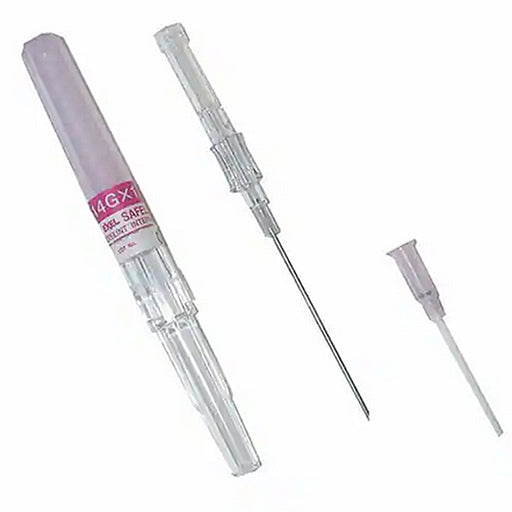
$ 75.00IV Catheter Needles by Exel, 50 Per Box
Exel13 reviewsIV catheter needles (also known as intravenous catheters or IV cannulas) are medical devices used to access a patient’s vein safely and efficiently...
View full details -
 Sale 33%
Original price $ 5.95Current price $ 3.98
Sale 33%
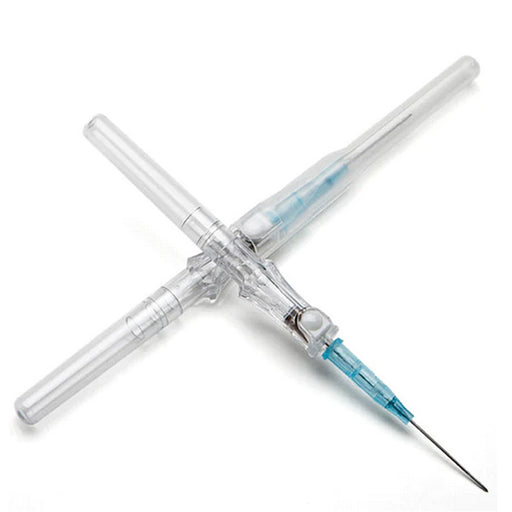
Original price $ 5.95Current price $ 3.98BD 22 Gauge x 1 inch Insyte IV Catheter Needle with Blood Control Blue (Each)
BD3 reviewsA BD 22 Gauge x 1 inch Insyte IV Catheter Needle is a medical device used for starting intravenous (IV) lines—meaning it is used to access a vein s...
View full details -
 Sale 33%
Original price $ 5.95Current price $ 3.98
Sale 33%
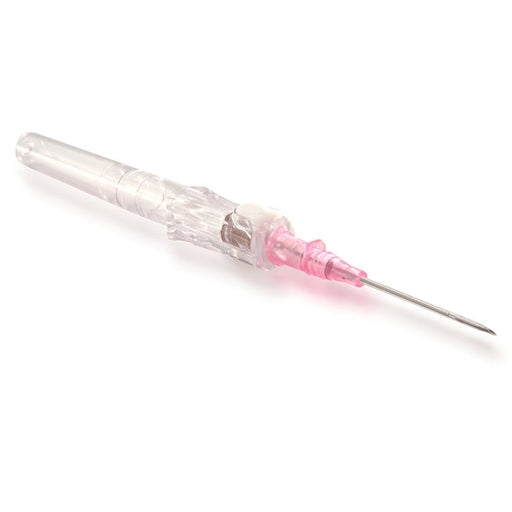
Original price $ 5.95Current price $ 3.98BD 20g x 1 inch Insyte IV Catheter Needle with Shielded Pink (Each)
BD5 reviewsThe Insyte IV Catheter is a top choice among healthcare professionals for its safety, reliability, and ease of insertion, making it essential for b...
View full details -
 Sale
from $ 4.15
Sale
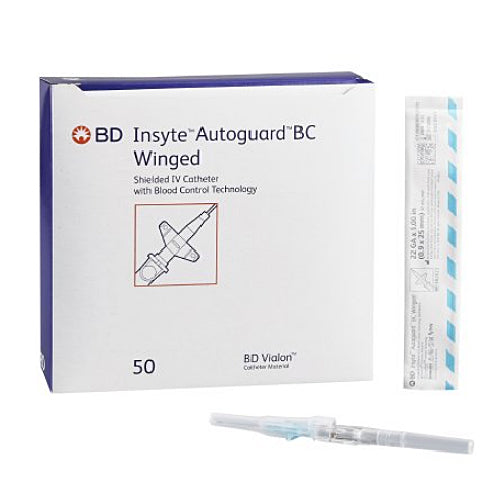
from $ 4.15BD Peripheral IV Catheter with Button Retracting Safety Needle, Insyte Autoguard BC
BD3 reviewsThe BD Insyte Autoguard BC Peripheral IV Catheter with Button Retracting Safety Needle is a highly advanced medical device designed for safe and se...
View full details🔒 Medical License Required -
 Sale 35%
Original price $ 5.95Current price $ 3.85
Sale 35%
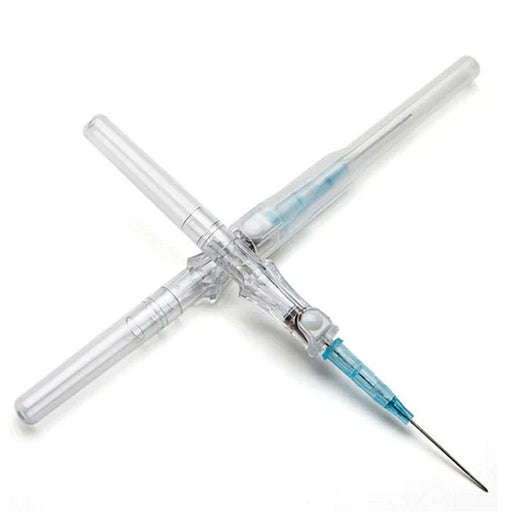
Original price $ 5.95Current price $ 3.85Insyte IV Catheter Needle, 22ga x 1 inch, Straight Hub, Retracting Needle (Each)
BD1 reviewBD 381423 Insyte Autoguard Blood Control Catheter Shielded 22 Gauge 1" are designed to provide security and safety to patients. They work by protec...
View full details -
 Sale 28%
Original price $ 5.95Current price $ 4.30
Sale 28%
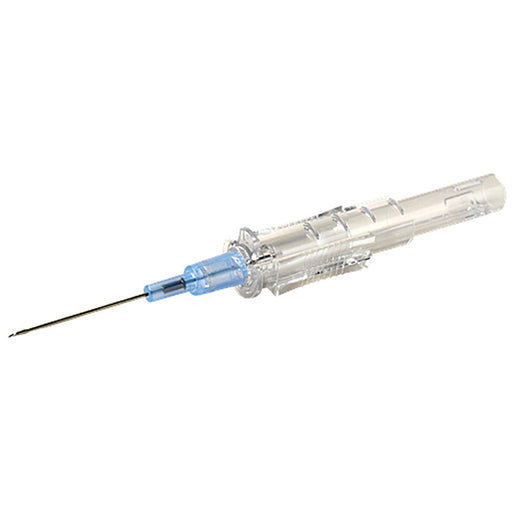
Original price $ 5.95Current price $ 4.30IV Catheter Needles PROTECTIV Plus Retracting Safety
Smiths Medical3 reviewsThe Smiths Medical PROTECTIV Plus Safety IV Catheter Needles utilize a two-step safety mechanism that effectively guards healthcare workers against...
View full details🔒 Medical License Required -
 Sale
from $ 8.98
Sale
from $ 8.98BD Nexiva Closed IV Catheter Needle with Sliding Safety Shield
BD1 reviewBD Nexiva Closed IV Catheter Needle with Sliding Safety is a cutting-edge medical device that combines the expertise of needle technology with a re...
View full details🔒 Medical License Required -
 Sale 38%
Original price $ 5.99Current price $ 3.70
Sale 38%
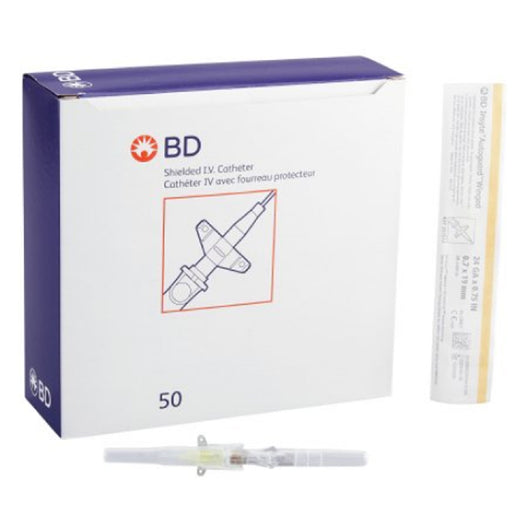
Original price $ 5.99Current price $ 3.70BD Insyte Autoguard Peripheral IV Catheter with Button Retracting Safety Needle
BD1 reviewThe Insyte Autoguard Peripheral IV Catheter with Button Retracting Safety Needle is a revolutionary medical device that has been specifically desig...
View full details -
 Sale 38%
Original price $ 5.95Current price $ 3.70
Sale 38%
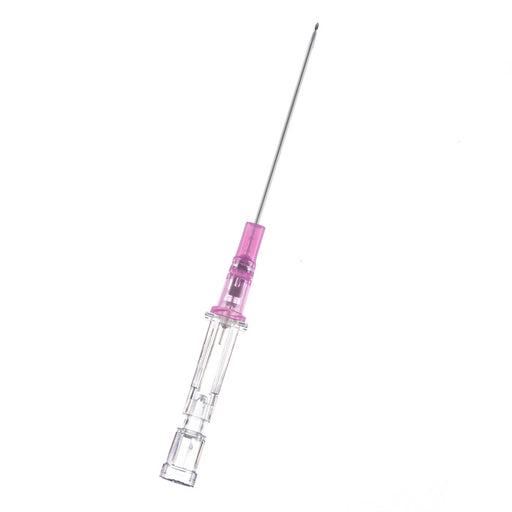
Original price $ 5.95Current price $ 3.70IV Catheter Needle Introcan Safety 20 g x 1 Inch Straight - B Braun
B BraunNo reviewsB Braun IV Catheter Needle Introcan Safety 20 g x 1 Inch is an advanced medical device designed to ensure safe and efficient therapy delivery throu...
View full details🔒 Medical License Required -
 Sale 28%
Original price $ 5.99Current price $ 4.30
Sale 28%
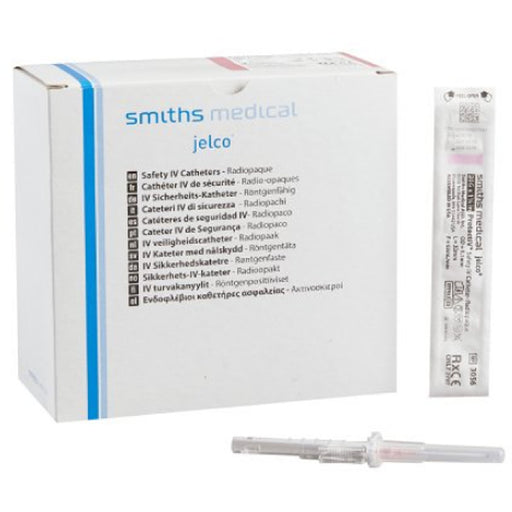
Original price $ 5.99Current price $ 4.30Protectiv Peripheral IV Catheter with Retracting Safety Needle
Smiths MedicalNo reviewsThe Smiths Medical Protectiv Peripheral IV Catheter with Retracting Safety Needle is a revolutionary medical device used for the safe and effective...
View full details🔒 Medical License Required -
 Sale
from $ 165.00
Sale
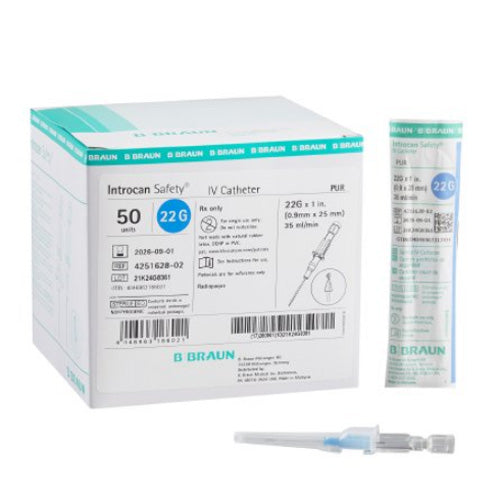
from $ 165.00Introcan Safety IV Catheter Needles 22 gauge x 1 inch, Sterile 50/Box by B Braun
B BraunNo reviewsBest IV Catheter for Hospitals, Clinics & EMS Elevate vascular access safety and patient comfort with the #1 clinician-trusted Introcan Safety ...
View full details🔒 Medical License Required -
 Sale
from $ 172.00
Sale
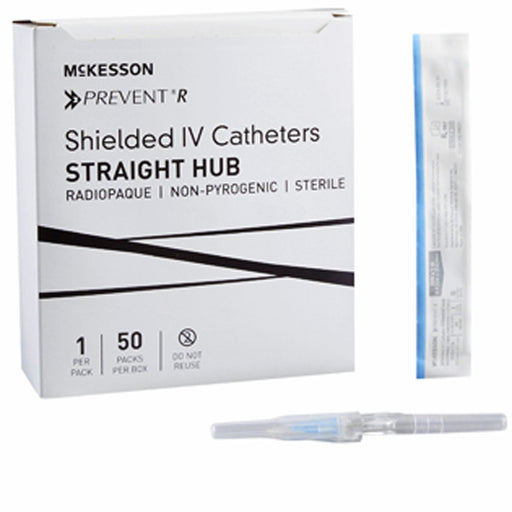
from $ 172.00IV Catheters 22 gauge x 1" Prevent R Shielded with Button Retracting Safety Needle, 50/Box
McKesson1 reviewPrevent Shielded IV Catheter Needles with Button Retracting Safety Needle 22 gauge x 1" are uniquely designed needles that are designed to reduce t...
View full details🔒 Medical License Required -
 Sale 34%
Original price $ 5.95Current price $ 3.95
Sale 34%
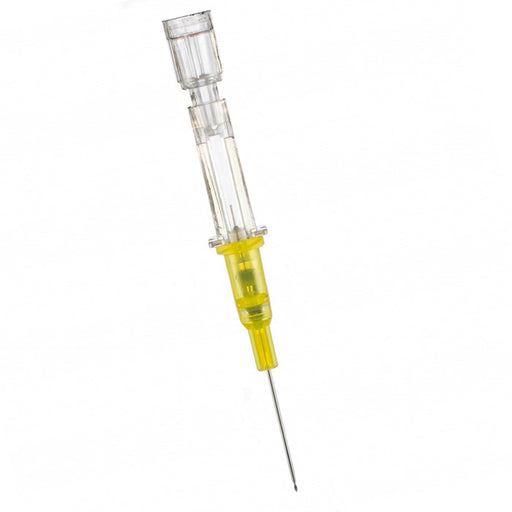
Original price $ 5.95Current price $ 3.95IV Catheter Needle 24 g x 0.75 Inch Introcan Safety Straight by B Braun
B BraunNo reviewsThe Gold Standard for Patient Safety, Reliable Vascular Access, and Infection Prevention The IV Catheter Needle Introcan Safety 24g x 0.75 Inch Str...
View full details🔒 Medical License Required -
 Sale 40%
Original price $ 5.95Current price $ 3.59
Sale 40%
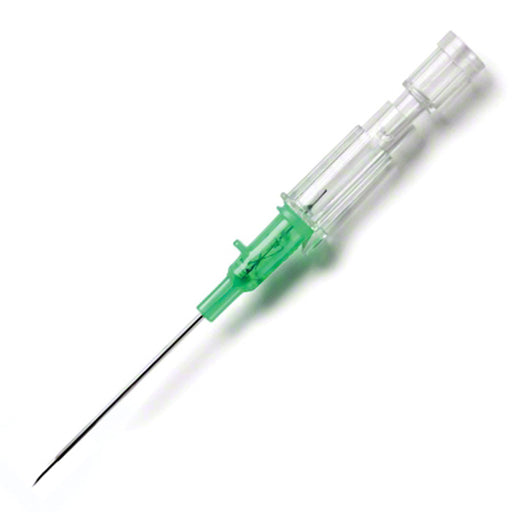
Original price $ 5.95Current price $ 3.59IV Catheter 18g x 1.25" Needle B Braun Introcan (Color Coded Green)
B BraunNo reviewsThe B. Braun Introcan Safety® IV Catheter, 18G x 1.25" is engineered for secure, efficient, and safe vascular access in clinical, emergency, and ho...
View full details🔒 Medical License Required -
 Sale 51%
Original price $ 3.95Current price $ 1.95
Sale 51%
Original price $ 3.95Current price $ 1.95IV Catheter 22g x 1" Needle Size (Color Coded Blue) by Terumo EACH
TerumoNo reviewsThe Terumo Surflo IV Catheter Needle, 22 Gauge x 1 inch, is an expertly designed medical device crafted for reliable and efficient venous access. W...
View full details🔒 Medical License Required -
 Sale
from $ 4.10
Sale
from $ 4.10Peripheral IV Catheter 24 Gauge 3/4" BD Insyte Autoguard BC with Blood Control Push Button Safety
BD1 reviewThe Peripheral IV Catheter Insyte Autoguard BC 24 Gauge 3/4 Inch is a type of intravenous catheter used for accessing a patient's venous system. It...
View full details🔒 Medical License Required -
 Sale
from $ 2.95
Sale
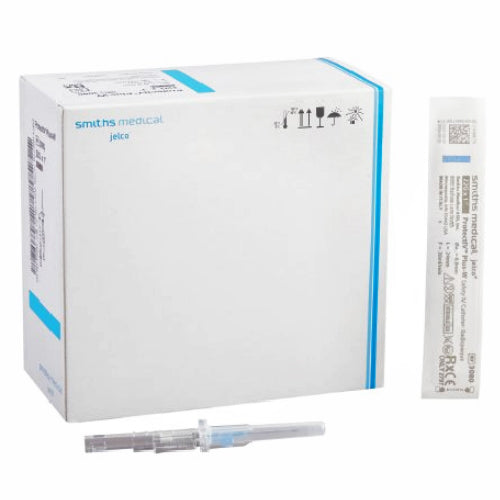
from $ 2.95Smith Medical Protectiv Plus-W Peripheral IV Catheter with Retracting Safety Needle
Smiths MedicalNo reviewsSmith Medical Protectiv® Plus-W Peripheral IV Catheter is a cutting-edge medical device designed to ensure patient safety and comfort during intrav...
View full details🔒 Medical License Required -
 Sale 17%
Original price $ 199.95Current price $ 165.00
Sale 17%
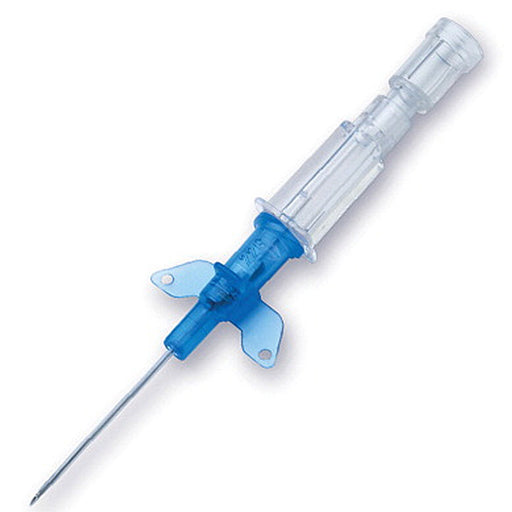
Original price $ 199.95Current price $ 165.00Introcan Safety Peripheral IV Catheter 22 Gauge 1 Inch Sliding Safety Needle, Winged Hub 50/Box
B BraunNo reviewsThe B Braun Introcan Safety Peripheral IV Catheter is a type of medical device used to access a patient's veins for intravenous (IV) therapy. It is...
View full details🔒 Medical License Required -
 Sale 28%
Original price $ 5.25Current price $ 3.79
Sale 28%
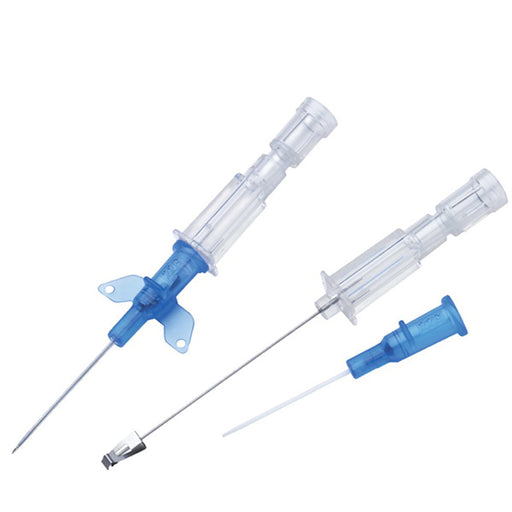
Original price $ 5.25Current price $ 3.79IV Catheter 24g x 0.75" B Braun Introcan with Winged Hub & Sliding Safety Needle
B BraunNo reviewsThe B Braun IV Catheter Needle Introcan 24 Gauge x 0.75 Inch Sliding Safety Needle with Winged Hub by B Braun is a medical device used for administ...
View full details🔒 Medical License Required -
 Sale 17%
Original price $ 199.95Current price $ 165.00
Sale 17%
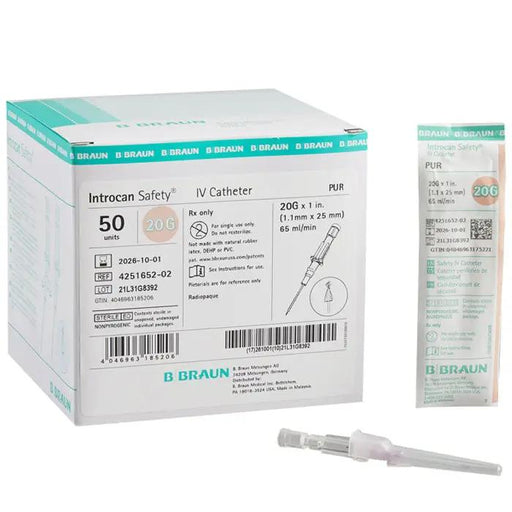
Original price $ 199.95Current price $ 165.00Introcan Safety Peripheral IV Catheter 20 Gauge 1 Inch Sliding Safety Needle, Straught Hub 50/Box
B Braun1 reviewThe B Braun Introcan Safety Peripheral IV Catheter is a medical device that is used to access the veins of a patient for the purpose of delivery me...
View full details🔒 Medical License Required -
 Sale 26%
Original price $ 229.95Current price $ 170.00
Sale 26%
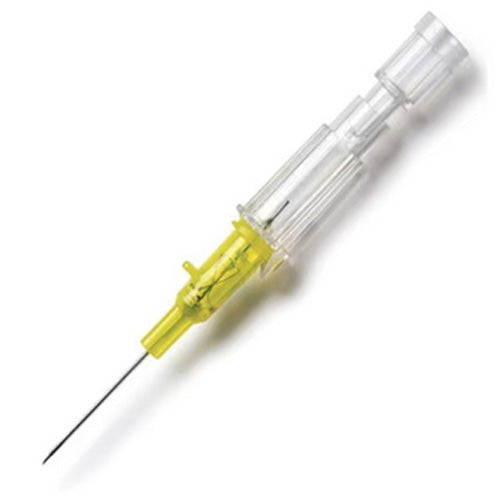
Original price $ 229.95Current price $ 170.00IV Catheter 24 gauge x 3/4" B Braun Introcan Safety IV Catheter Needle, Sterile 50/Box
B BraunNo reviewsThe B Braun Introcan Safety IV Catheter Needle 24 gauge x 3/4" is a medical device used to access a patient's vein for the administration of fluids...
View full details🔒 Medical License Required -
 Sale 13%
Original price $ 6.89Current price $ 5.99
Sale 13%
Original price $ 6.89Current price $ 5.99IV Catheter Needle 22 gauge x 1 inch PROTECTIV Plus, Safety Retracting Needle, Radiopaque, Sterile
Smiths MedicalNo reviewsElevate your patient care and ensure clinical safety with the PROTECTIV Plus IV Catheter Needle 22 Gauge x 1 inch—an advanced, safety-engineered me...
View full details -
 Sale 20%
Original price $ 4.99Current price $ 3.97
Sale 20%
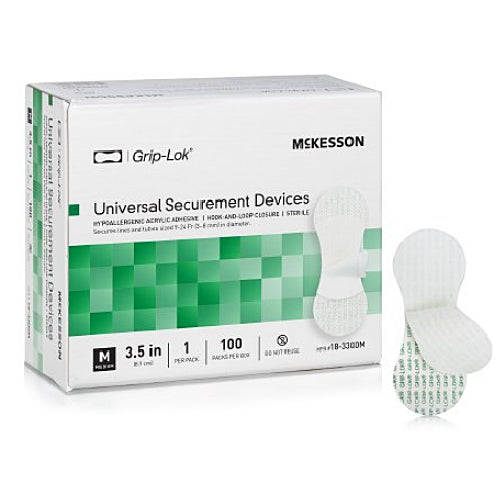
Original price $ 4.99Current price $ 3.97Grip-Lok Universal Securement Device for Catheter Lines, IV Tubing (1 EACH)
McKessonNo reviewsGrip-Lok Universal Securement Device for Catheter Lines and IV Tubing is a revolutionary product designed to securely hold medical devices in place...
View full details -
 Sale 15%
Original price $ 199.95Current price $ 169.95
Sale 15%
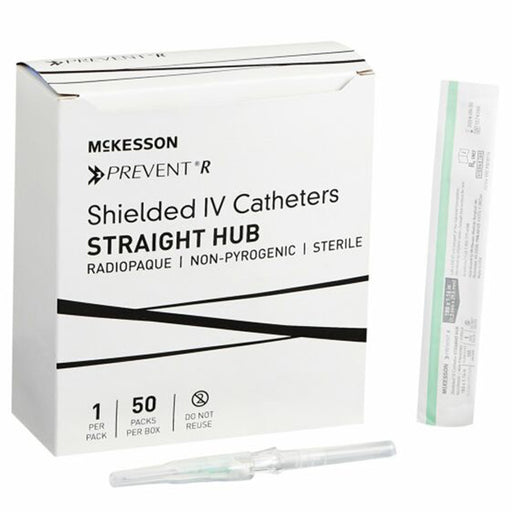
Original price $ 199.95Current price $ 169.95IV Catheter 18 Gauge x 1.16" Prevent R Peripheral with Button Retracting Safety Needles 50/Box
McKesson1 reviewPrevent R Peripheral IV Catheter 18 Gauge 1.16 Inch with Button Retracting Safety Needles is a medical device used to access a patient's veins for ...
View full details🔒 Medical License Required -
 Sale
from $ 159.00
Sale
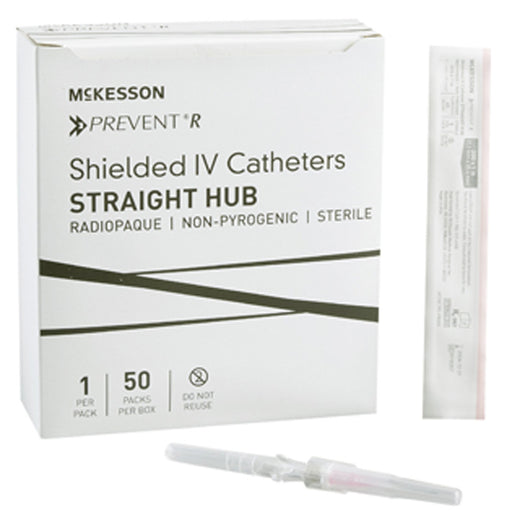
from $ 159.00IV Catheters -Prevent R Shielded IV Catheter Needles with Button Retracting Safety Needle 20 gauge x 1", 50/Box
McKessonNo reviewsMcKesson Prevent Shielded IV Catheter Needles with Button Retracting Safety Needle 20 gauge x 1" are uniquely designed needles that are designed to...
View full details🔒 Medical License Required -
 Sale 21%
Original price $ 239.95Current price $ 189.95
Sale 21%
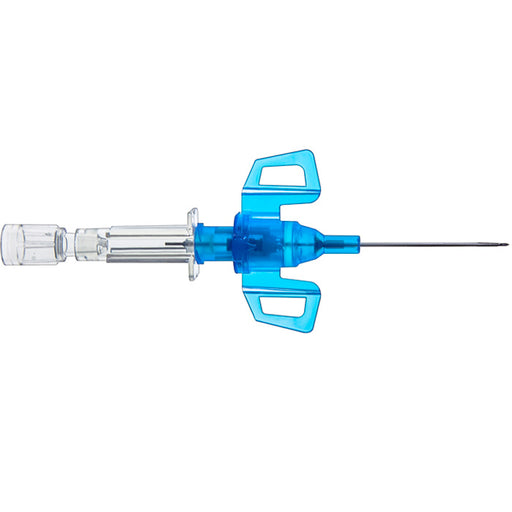
Original price $ 239.95Current price $ 189.95Introcan Safety 3 Closed IV Catheter 22 Gauge x 1 inch, PUR, Winged Hub 50/Box
B BraunNo reviewsB Braun Introcan Safety 3 Closed IV Catheter 22 Gauge x 1 inch, PUR, Winged, 50/Box is a medical device used for venipuncture, which is the process...
View full details🔒 Medical License Required -
 Sale
from $ 165.00
Sale
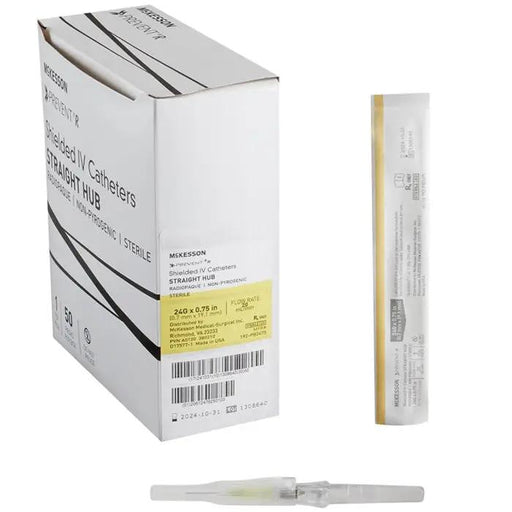
from $ 165.00Peripheral IV Catheter 24 Gauge x 3/4" Prevent with Button Retracting Safety Needle 50/Box
McKessonNo reviewsMcKesson 192-PB2475 Prevent Peripheral IV Catheter is a medical device used for intravenous therapy. It consists of a 24 gauge peripheral catheter ...
View full details🔒 Medical License Required -
 Sale 23%
Original price $ 259.95Current price $ 199.00
Sale 23%
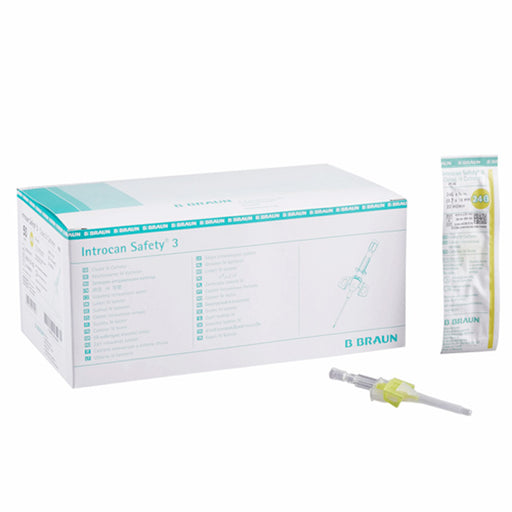
Original price $ 259.95Current price $ 199.00IV Catheter 24 Gauge x 0.75" with Safety Needle, Introcan Safety 3 Closed 50/Box
B BraunNo reviewsB Braun Introcan Safety® 3 Closed IV Catheter 24 Gauge x 0.75 inch is a type of intravenous (IV) catheter that is used for administering fluids, me...
View full details🔒 Medical License Required -
 Sale 14%
Original price $ 450.00Current price $ 389.00
Sale 14%
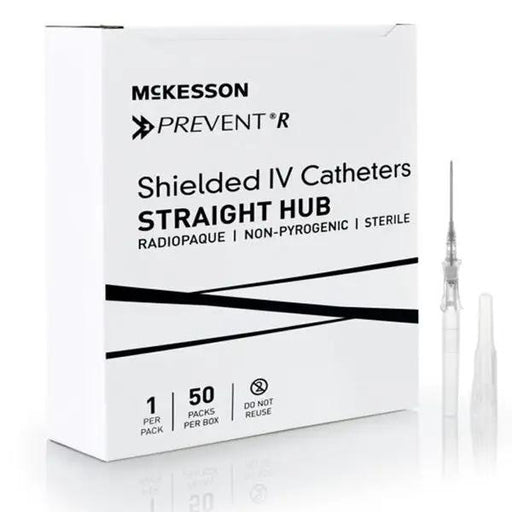
Original price $ 450.00Current price $ 389.00IV Catheter 16 Gauge x 1.16" Prevent R Peripheral with Button Retracting Safety Needle 50/Box
McKessonNo reviewsPrevent R Peripheral IV Catheter is a medical device used for intravenous therapy to access and administer fluids, medications, and blood products....
View full details🔒 Medical License Required -
 Sale 16%
Original price $ 285.00Current price $ 239.00
Sale 16%
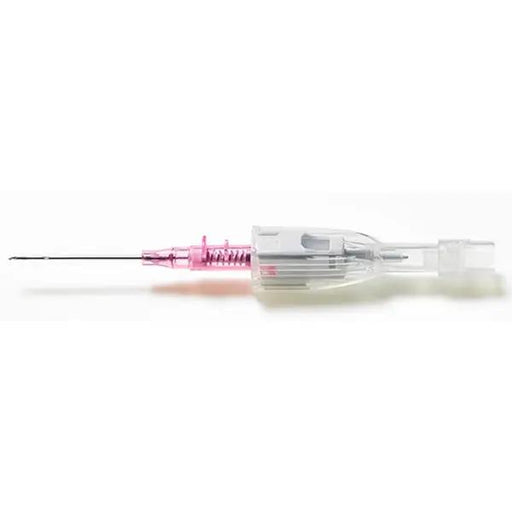
Original price $ 285.00Current price $ 239.00BD 20g x 1 inch Cathene Safety IV Catheter 50 box
BDNo reviewsBD 386862 Cathena Safety IV Catheter is a medical device used for intravenous (IV) infusion or therapy. It is designed with BD Multiguard Technolog...
View full details


People Also Searched For
IV Catheters & Peripheral IV Catheters by B Braun
IV Catheters & Peripheral IV Catheters to Iv Catheter
IV Catheters & Peripheral IV Catheters to IV Catheter Needles
IV Catheters & Peripheral IV Catheters to doctor-only
IV Catheters & Peripheral IV Catheters to IV Needle
IV Catheters & Peripheral IV Catheters to Winged Hub
IV Bags, IV Sets, IV Start Kits
Insulin & Tuberculin Syringes, Hypodermic and IV Catheter Needles
IV Bags, IV Sets and Injection Medication Vials
B Braun Medical Products
IV Catheter Needles
An intravenous IV catheter – often called an IV cannula – is a thin, flexible hollow tube that is inserted into a patient’s vein to provide direct access to the bloodstream. Once in place, the IV catheter remains in the vein (the sharp introducer needle is removed), allowing health professionals to administer fluids or medications into the blood without repeated needle sticks. For example, one medical resource explains that an IV catheter is a hollow tube that a doctor or nurse can thread through a vein to provide a route to administer medications and fluids directly into the bloodstream.
Uses of IV Catheters include:
- Fluid and Medication Infusion: They allow safe delivery of intravenous fluids (like saline or glucose), medications (antibiotics, pain relievers, chemotherapy, etc.), blood products, or nutrients directly into the circulatory system.
- Blood Sampling or Transfusion: IV catheters can be used to draw blood for testing without repeated needle pokes, or to infuse donated blood or plasma.
- Emergency and ICU Use: In emergencies, IV catheters enable rapid infusion of life-saving fluids or drugs (e.g., during shock or major surgery). Central IV catheters (longer lines placed in large chest or neck veins) are used for intensive care or long-term intravenous therapy.
- Sites of Insertion: Most IV catheters are placed in peripheral veins of the arm, hand, or leg. For long-term needs, special catheters (like PICC lines or central venous catheters) may be threaded into larger veins in the chest or neck.
- Professional Insertion: IV catheter placement must be done using sterile technique by trained medical staff. A small needle inside the catheter helps insert it into the vein; after placement, the needle is removed and only the soft plastic catheter remains in the vein. The catheter is then secured to the skin and connected to IV tubing and a fluid source (like an IV bag) for the prescribed infusion.
In summary, an IV catheter is the essential tubing that provides a direct, reliable pathway into a vein. It is the first component of any IV infusion setup, allowing ongoing delivery of fluids or drugs into the bloodstream under medical supervision
Popular Brands and Types
Leading Brands:
- BD (Becton Dickinson) Insyte™ Autoguard™
- AngioDynamics Deltaven®
- Smiths Medical Jelco® IV Catheters
- B. Braun Introcan Safety®
- Terumo SurFlash™
- Vygon
- Medline Venflon™
- Cardinal Health SecureStick™
Types:
- Peripheral IV Catheter (PIVC): Standard for most infusions and medication delivery.
- Safety IV Catheter Needles: Features retractable needles or shielding to prevent needlestick injury (OSHA-compliant).
- Winged (Butterfly) IV Catheters: Flexible, great for pediatrics/geriatrics and fragile veins.
- Over-the-needle Catheters: Most common hospital choice.
- Radiopaque Catheters: For visibility under imaging.
- Closed System/Integrated Extension Set Catheters: Built in connection for reduced contamination risk.
Sizes (Gauge/Length Options)
-
Gauge Colors (international standard for fast identification):
- 14G (orange): Large bore, trauma/resuscitation (1.5–2 inches)
- 16G (grey): Major surgery/rapid volume (1–2 inches)
- 18G (green): Blood transfusion, fluids, surgery (1–1.25 inches)
- 20G (pink): Medications, routine fluids (1–1.25 inches)
- 22G (blue): Elderly, children, routine meds (0.75–1 inch)
- 24G (yellow): Neonate/pediatric, sensitive veins (0.75 inch)
- Lengths usually range from 0.75 to 2 inches depending on vein depth and application.
Precautions
- Strict Aseptic Technique: Required for insertion/removal to prevent bloodstream infection and phlebitis.
- Monitor IV Site: Inspect regularly for redness, swelling, pain, infiltration, or infection—stop use if issues arise.
- Secure Properly: Use approved dressings/tapes/securement devices to prevent dislodgement or kinking.
- Single Use Only: All IV catheter needles are single-use for infection prevention—never reuse or share between patients.
- Needlestick Safety: Use safety-engineered devices to minimize healthcare worker exposure; never recap.
- Correct Sizing: Select the smallest gauge needed for therapy to minimize patient discomfort and vein trauma.
- Remove Promptly: Discontinue as soon as no longer medically necessary to prevent catheter-related complications.
Depend on FDA-approved IV Catheter Needles for safe, accurate, and comfortable venous access—trusted by hospitals, infusion clinics, ERs, and home care teams. Choose top brands like BD, Jelco, Braun, Vygon, and more in a full range of gauge sizes for every patient and every therapy. Shop the best IV catheters online for critical care, emergency medicine, pediatric infusion, and daily hospital supply!