
Filters
Availability
Price
$
-
$
$0
$119
Collection
Tags
- Buy Lidocaine Viscous (1)
- Dental anesthetic (2)
- doctor-only (3)
- Hikma (1)
- Lidocaine 1% (2)
- lidocaine hydochloride (3)
- Lidocaine Hydrochloride (3)
- Lidocaine Hydrochloride Solution (2)
- Lidocaine Viscous 2% (2)
- Lidocaine Viscous Local (1)
- Lidocaine Viscous Near Me (1)
- Lidociane (2)
- Lidociane for injection (2)
- Mouth Pain (2)
- Numbing (2)
- Oral Pain (2)
- 20% Benzocaine (1)
- Benzocaine 20 (2)
- cold sores (1)
- dental pain (1)
- hurricaine (1)
- HurriCaine Oral Gel (1)
- oral pain (1)
- sore throat (1)
- wild cherry (1)
- Anesthetic (2)
- First aid antiseptic (1)
- Hurricaine (1)
- Pain Spray (1)
- Topical Anesthetic (2)
- Tubes (1)
- Aesthetic Supplies MedSpa Supplies & Cosmetic Surgery Supplies (1)
- Anesthetic Solution (1)
- Lidocaine Oral (1)
- Lidocaine Topical (1)
- Topical Solution (1)
Lidocaine Oral Solution
Lidocaine Oral Solution
Lidocaine oral solution (often called viscous lidocaine) is a liquid form of the local anesthetic lidocaine (lidocaine hydrochloride) designed for topical use in the mouth and throat. It belongs to the amide class of local anesthetics and works by blocking nerve conduction (sodium channels) in mucous membranes, producing numbing of the applied area. In practice it is used as a topical anesthetic – a pain reliever applied inside the mouth or throat – not for injection or ingestion as a systemic drug. (The bottle itself typically notes “Not for Injection.”)
Uses/Indications: Lidocaine oral solution is indicated for relieving pain and discomfort of the mouth and throat. For example, it is used to soothe painful mouth ulcers, canker sores, inflamed gums, aphthous stomatitis, sore throat, or irritation of the oropharynx. Dentists and doctors commonly use it to numb the mouth or throat before procedures – e.g. before taking dental impressions, X-rays, endoscopy, or inserting tubes – and to reduce the gag reflex. According to medical references, lidocaine oral solution “is used to stop pain” and “to treat mouth sores”. By numbing the mucosa, it quickly relieves sharp or burning pain in the oral/pharyngeal area.
Formulation: The solution typically contains about 2–4% lidocaine (i.e. 20–40 mg per mL) mixed in a viscous base (often flavored).. For example, one common formulation (“Lidocaine Viscous 2%”) has 20 mg/mL, while other oral preparations contain 40 mg/mL of lidocaine. Inactive ingredients may include a thickener (e.g. carboxymethylcellulose), flavor (banana, etc.), preservatives, and sweeteners to make it palatable. To use, the liquid is swished or held against the affected area in the mouth/throat for a minute or two and then either expelled or swallowed as directed. The anesthetic effect begins within minutes and usually lasts on the order of 15–30 minutes, allowing procedures or swallowing without pain.
Precautions: Lidocaine oral solution should be used exactly as prescribed. Key precautions include avoiding excessive dose or swallowing large amounts, as lidocaine can be absorbed into the bloodstream and cause systemic toxicity (dizziness, hearing changes, slow heartbeat, seizures, etc.). Importantly, viscous lidocaine carries an FDA black-box warning in children: life-threatening events (seizures, cardiac arrest, death) have occurred in infants/young children (especially under 3 years old) when the product was misused or overdosed. Therefore, it is not recommended for use in babies or for infant teething pain, and it must be given in very limited doses in small children. The solution is contraindicated in anyone with a known allergy to lidocaine or other amide local anesthetics. Also be cautious if the mouth/throat mucosa is severely traumatized (risk of rapid absorption). Common side effects at proper doses are minimal, but overuse may cause numbness of the tongue, throat irritation, or drowsiness.
In summary, lidocaine oral solution is a prescription topical anesthetic for numbing painful mouth and throat lesions or for numbing during oral procedures (akin to a numbing mouthwash). It is effective for short-term relief of oral pain, but it requires careful dosing, especially in young children, and should only be used on the instructions of a healthcare provider.
-
 Sale 35%
Original price $ 44.95Current price $ 29.00
Sale 35%
Original price $ 44.95Current price $ 29.00Lidocaine Viscous 2% Oral Solution by Himka (Rx)
Hikma Pharmaceuticals36 reviewsLidocaine viscous 2% (oral solution) is a prescription topical anesthetic (numbing agent) for the mouth and throat. It’s basically lidocaine hydroc...
View full details🔒 Medical License Required -
 Sale 37%
Original price $ 18.95Current price $ 11.95
Sale 37%
Original price $ 18.95Current price $ 11.95HurriCaine Oral Pain Anesthetic Gel with Wild Cherry Flavor
Beutlich5 reviewsHurricane Oral Anesthetic Gel is a topical anesthetic that is used to numb the mouth and throat. It comes in a gel form and is applied to the area ...
View full details -
 Sale 33%
Original price $ 78.95Current price $ 52.95
Sale 33%
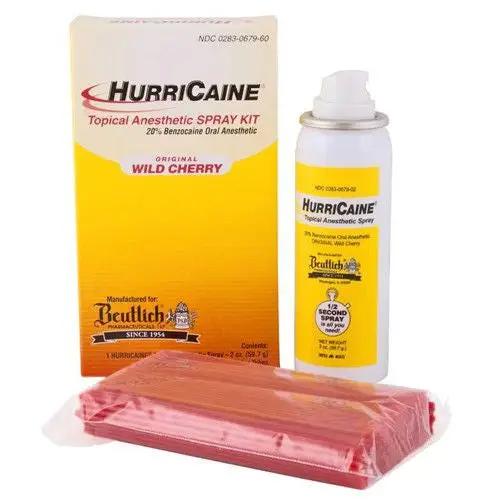
Original price $ 78.95Current price $ 52.95HurriCaine Topical Anesthetic Pain Spray Kit with 200 Extension tubes
Beutlich1 reviewBeutlich HurriCaine Topical Anesthetic Spray used to anesthetize mucosal tissue to elimate pain and discomfort. Can be used on multiple patients. W...
View full details -
 Sale 48%
Original price $ 89.95Current price $ 47.00
Sale 48%
Original price $ 89.95Current price $ 47.00Lidocaine Hydrochloride 4% Topical Solution by Lannett (Rx)
Lannett CompanyNo reviewsLidocaine Hydrochloride 4% Topical Solution is used to provide temporary relief from pain and itching caused by minor skin irritations, burns, and ...
View full details🔒 Medical License Required -
 Sale 14%
Original price $ 34.95Current price $ 29.95
Sale 14%
Original price $ 34.95Current price $ 29.95Lidocaine Hydrochloride 2% Topical Solution (Viscous) (Rx)
Advagen PharmaNo reviewsLidocaine viscous 2% is a topical anesthetic commonly used to relieve pain and discomfort caused by various minor injuries or procedures. It works ...
View full details🔒 Medical License Required -
 Sale 26%
Original price $ 159.95Current price $ 119.00
Sale 26%
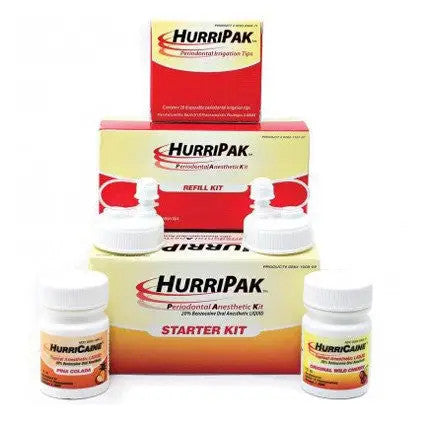
Original price $ 159.95Current price $ 119.00HurriPAK Periodontal Anesthetic Starter Kit, Wild Cherry & Pina Colada
BeutlichNo reviewsHurriPAK Periodontal Anesthetic Starter Kit, Wild Cherry & Pina Colada. 20% Benzocaine oral anesthetic liquid with disposable irrigation syring...
View full details


Lidocaine Oral Solution
Lidocaine oral solution (often called viscous lidocaine) is a liquid form of the local anesthetic lidocaine (lidocaine hydrochloride) designed for topical use in the mouth and throat. It belongs to the amide class of local anesthetics and works by blocking nerve conduction (sodium channels) in mucous membranes, producing numbing of the applied area. In practice it is used as a topical anesthetic – a pain reliever applied inside the mouth or throat – not for injection or ingestion as a systemic drug. (The bottle itself typically notes “Not for Injection.”)
Uses/Indications: Lidocaine oral solution is indicated for relieving pain and discomfort of the mouth and throat. For example, it is used to soothe painful mouth ulcers, canker sores, inflamed gums, aphthous stomatitis, sore throat, or irritation of the oropharynx. Dentists and doctors commonly use it to numb the mouth or throat before procedures – e.g. before taking dental impressions, X-rays, endoscopy, or inserting tubes – and to reduce the gag reflex. According to medical references, lidocaine oral solution “is used to stop pain” and “to treat mouth sores”. By numbing the mucosa, it quickly relieves sharp or burning pain in the oral/pharyngeal area.
Formulation: The solution typically contains about 2–4% lidocaine (i.e. 20–40 mg per mL) mixed in a viscous base (often flavored).. For example, one common formulation (“Lidocaine Viscous 2%”) has 20 mg/mL, while other oral preparations contain 40 mg/mL of lidocaine. Inactive ingredients may include a thickener (e.g. carboxymethylcellulose), flavor (banana, etc.), preservatives, and sweeteners to make it palatable. To use, the liquid is swished or held against the affected area in the mouth/throat for a minute or two and then either expelled or swallowed as directed. The anesthetic effect begins within minutes and usually lasts on the order of 15–30 minutes, allowing procedures or swallowing without pain.
Precautions: Lidocaine oral solution should be used exactly as prescribed. Key precautions include avoiding excessive dose or swallowing large amounts, as lidocaine can be absorbed into the bloodstream and cause systemic toxicity (dizziness, hearing changes, slow heartbeat, seizures, etc.). Importantly, viscous lidocaine carries an FDA black-box warning in children: life-threatening events (seizures, cardiac arrest, death) have occurred in infants/young children (especially under 3 years old) when the product was misused or overdosed. Therefore, it is not recommended for use in babies or for infant teething pain, and it must be given in very limited doses in small children. The solution is contraindicated in anyone with a known allergy to lidocaine or other amide local anesthetics. Also be cautious if the mouth/throat mucosa is severely traumatized (risk of rapid absorption). Common side effects at proper doses are minimal, but overuse may cause numbness of the tongue, throat irritation, or drowsiness.
In summary, lidocaine oral solution is a prescription topical anesthetic for numbing painful mouth and throat lesions or for numbing during oral procedures (akin to a numbing mouthwash). It is effective for short-term relief of oral pain, but it requires careful dosing, especially in young children, and should only be used on the instructions of a healthcare provider.
How to Use Lidocaine Oral Solution
Lidocaine Oral Solution Side Effects
What Causes Mouth Ulcers
How to Use Lidocaine Oral Solution
Lidocaine oral solution (often called “viscous lidocaine” 2%) is a topical numbing (local anesthetic) for the mouth and throat. It is not swallowed like a normal drink; instead it is applied to painful/or irritated oral tissues to relieve pain (for example, mouth sores, throat irritation before dental work, or lozenges with lidocaine). According to the FDA-approved prescribing information, the medicine is used topically in the mouth or throat as follows:
-
Measure carefully. The product usually comes in a 2% solution (20 mg/mL) in a squeeze bottle or single-dose cups. Always shake well before each use and use the supplied dropper or a proper measuring device (oral syringe or marked medicine cup) to get the exact volume. For accuracy, the label explicitly advises caregivers to “use a measuring device to carefully measure the correct volume” rather than guessing.
-
Typical adult dose – swish or gargle. For most adults, the usual dose is 15 mL (about 1 tablespoonful) of undiluted 2% lidocaine solution each time. How you use it depends on the area of pain:
- If numbing inside the mouth (e.g. buccal mucosa, tongue, gums), put the measured solution in your mouth, swish it around thoroughly, and then spit it out.
- If numbing the throat or pharynx (e.g. before a procedure), gargle the solution and you may swallow it . The label notes that the undiluted solution can be gargled and swallowed when used in the throat.
-
Application: small amounts, contact time. Only a small amount is needed to coat the painful area. The package insert warns to “use the smallest amount of this medication needed to numb or relieve pain” and to avoid using large amounts. You can apply it directly with clean fingers or a cotton swab (the label allows using an applicator or fingertip). After applying or swishing, let it sit for a minute or two so the area becomes numb. Do not chew or bite on any part of the mouth while it is numb.
-
Dosing frequency. Do not repeat doses too quickly. The official guidelines specify “This dose should not be administered at intervals of less than three hours” and that adults should receive no more than 8 doses in 24 hours. In other words, wait at least 3 hours between uses (and never more than eight total sprays/swishings in a day).
-
After use – no eating/drinking/choking caution. Because lidocaine numbs the throat and mouth, there is a risk of choking or biting injury if you eat or drink too soon. The prescribing information expressly advises that “food should not be ingested for 60 minutes following use” of a topical oral anesthetic. Do not eat, drink or chew gum for at least an hour after using the solution. Even drinking water should be delayed, since swallowing reflexes will be blunted. (This is especially important in children.)
-
Swallowing precautions. Do not swallow large volumes of the solution. If using it only in the mouth, spit out the majority of it. Even when gargling for throat pain, take care not to gulp it down all at once. The label warns that excessive swallowing (or application on open, irritated wounds) can lead to higher blood levels and serious side effects. Use exactly the dose prescribed – the label emphasizes “patients should be instructed to strictly adhere to the recommended dosage and administration guidelines”.
-
Pediatric caution. Lidocaine oral solution is not recommended in infants. In fact, FDA safety warnings report life-threatening events (seizures, cardiac arrest) in children under 3 years, especially if used for teething pain. Do not give this medicine to babies or for infant teething. For older children, dosing is much smaller and must be done by weight. For example, the label notes that a 5-year-old (~50 lb) should receive no more than 75–100 mg lidocaine (about 3.7–5 mL of the 2% solution) per dose. Always follow a pediatrician’s instructions for dosing, if it’s used at all. Never exceed the child dose on the label.
-
Storage and handling. Keep the bottle capped and out of reach of children. Store at room temperature (up to ~30°C). The label notes that unused product should be discarded safely to prevent accidental ingestion.
Summary: In practice, you would use lidocaine 2% oral solution by measuring the prescribed amount (usually ~15 mL for an adult), applying it as directed (swish-and-spit for mouth pain, or gargle-and-swallow for throat), and then waiting the recommended time before eating or dosing again. Always follow the instructions on your prescription label and the medication guide. As the official label warns, improper use of lidocaine viscous “may result in death,” so do not exceed doses, avoid unnecessary swallowing, and use only as long as prescribed. If you have any doubt, ask your doctor or pharmacist for guidance on the correct use and dose.
Lidocaine Oral Solution Side Effects
Local irritation: Lidocaine oral solution is a topical anesthetic, so most side effects are at the application site. Commonly patients experience temporary redness, burning, stinging or swelling of the mouth/throat where the medicine is applied. The mouth or tongue may become numb (an expected effect). It can also temporarily alter taste or cause a bitter taste. These local effects are generally mild and resolve after a short time.
Central nervous system effects (if absorbed): Lidocaine can be absorbed through mucous membranes, especially if large volumes are used or the application is on damaged tissue. At higher blood levels it can affect the brain and nerves. Symptoms of lidocaine toxicity include lightheadedness, dizziness, nervousness or apprehension, confusion, drowsiness, blurred or double vision, ringing in the ears (tinnitus), tremors or twitching, and in severe cases convulsions or coma. Drowsiness is often an early sign of too much lidocaine. Because of these risks, patients are warned not to exceed the recommended dose.
Cardiovascular effects: Excessive lidocaine can also depress the heart and circulation. Reported effects include bradycardia (slow heart rate), hypotension (low blood pressure), and even cardiovascular collapse or cardiac arrest in extreme overdose. These serious effects are rare with properly dosed topical use, but highlight why large or frequent doses should be avoided.
Allergic reactions: Like all amide anesthetics, lidocaine can rarely cause hypersensitivity. Signs of an allergic reaction include skin rash, hives (urticaria), or angioedema (swelling of the lips/mouth/throat). In very rare cases an anaphylaxis-like reaction (with breathing difficulty or shock) can occur. If any sign of severe allergy appears, the drug should be discontinued and medical help sought immediately.
Methemoglobinemia (rare): A very uncommon but serious side effect of topical lidocaine (particularly in infants or with very high doses) is methemoglobinemia. This is a blood condition where oxygen delivery is impaired; symptoms include slate-gray or blue skin color, headache, fatigue, shortness of breath and rapid heart beat. Because of this risk, lidocaine solutions carry warnings about use in young infants and patients with certain deficiencies.
Summary: In practice, most patients only notice mild local effects (warmth, slight irritation, or numbness). However, because lidocaine can cause systemic toxicity when overused, one must use it exactly as directed. Any severe symptoms – such as difficulty breathing, fainting, seizures, or a racing/slow heart rate – require immediate medical attention. (These side effects mirror those of other lidocaine formulations, and severe reactions are very rare at proper doses.) Always follow dosing instructions carefully and report any unexpected side effects to a healthcare provider.
What Causes Mouth Ulcers
Common causes and triggers of mouth ulcers
Mouth ulcers (aphthous ulcers or “canker sores”) usually have no single cause; they tend to occur when several factors come together. Common contributing factors include:
- Local trauma or irritation: Anything that damages the oral lining can trigger an ulcer in predisposed individuals. For example, accidentally biting the cheek or tongue, abrasion from braces/dentures, sharp or broken teeth, or aggressive tooth‐brushing can initiate a sore.
- Oral products and irritants: Certain ingredients can aggravate the mucosa. A well-known trigger is sodium lauryl sulfate (SLS), a detergent in many toothpastes and mouthwashes. Very hot foods/beverages, or chemicals like alcohol and tobacco, can also irritate the mouth lining and lead to ulcers.
- Dietary factors: Specific foods and beverages can precipitate ulcers. Acidic or spicy foods (citrus fruits, tomatoes, coffee, chips, nuts, chocolate, etc.) often correlate with outbreaks. Food sensitivities or allergies (for example to dairy products or certain spices) may also play a role. Separately, nutritional deficiencies – especially of vitamin B12, iron, folate (folic acid), or zinc – are linked to recurrent ulcer formation. A diet lacking these nutrients can impair the oral mucosa’s health and healing.
- Hormonal and emotional factors: Hormonal shifts seem to influence canker sores, which is why many women notice flare-ups around their menstrual period. Similarly, emotional stress or fatigue can trigger new ulcers in susceptible people. (Interestingly, some smokers develop canker sores when they quit tobacco, possibly due to changes in the mouth environment.)
- Underlying medical conditions: Certain systemic diseases are strongly associated with mouth ulcers. For example, gastrointestinal disorders like celiac disease or inflammatory bowel disease (Crohn’s disease, ulcerative colitis) often feature aphthous ulcers. Autoimmune/inflammatory conditions such as Behçet’s syndrome (which causes recurrent mouth and genital ulcers) are classic culprits. Other immune issues (e.g. HIV infection) and blood disorders (nutritional anemias, sickle cell disease) can also manifest with oral ulcerations. In these cases, the ulcer is a sign that the body’s immune system or healing capacity is disrupted.
- Genetic predisposition: A family history of canker sores is common, suggesting a hereditary tendency in many sufferers. People with relatives who get frequent mouth ulcers are more likely to have them themselves. Thus genetics (often combined with environmental triggers) likely play a role.
- Other factors: Less commonly, even infections can be involved. For instance, Helicobacter pylori (the stomach‐ulcer bacterium) has been detected in some patients with canker sores. An exaggerated immune response to normal oral bacteria (an “allergic” reaction) has also been proposed.
In summary, most mouth ulcers arise from a mix of local irritation, predisposing health factors, and sometimes diet or stress. In many cases no single cause is identified (“idiopathic”), reflecting an underlying immune reaction in the mouth. It’s important to note that canker sores are not caused by the herpes virus that causes cold sores. They are not contagious or due to a viral infection, but rather a form of localized mucosal inflammation.
How to Use Lidocaine Oral Solution
How to Use Lidocaine Oral Solution
Lidocaine oral solution (often called “viscous lidocaine” 2%) is a topical numbing (local anesthetic) for the mouth and throat. It is not swallowed like a normal drink; instead it is applied to painful/or irritated oral tissues to relieve pain (for example, mouth sores, throat irritation before dental work, or lozenges with lidocaine). According to the FDA-approved prescribing information, the medicine is used topically in the mouth or throat as follows:
-
Measure carefully. The product usually comes in a 2% solution (20 mg/mL) in a squeeze bottle or single-dose cups. Always shake well before each use and use the supplied dropper or a proper measuring device (oral syringe or marked medicine cup) to get the exact volume. For accuracy, the label explicitly advises caregivers to “use a measuring device to carefully measure the correct volume” rather than guessing.
-
Typical adult dose – swish or gargle. For most adults, the usual dose is 15 mL (about 1 tablespoonful) of undiluted 2% lidocaine solution each time. How you use it depends on the area of pain:
- If numbing inside the mouth (e.g. buccal mucosa, tongue, gums), put the measured solution in your mouth, swish it around thoroughly, and then spit it out.
- If numbing the throat or pharynx (e.g. before a procedure), gargle the solution and you may swallow it . The label notes that the undiluted solution can be gargled and swallowed when used in the throat.
-
Application: small amounts, contact time. Only a small amount is needed to coat the painful area. The package insert warns to “use the smallest amount of this medication needed to numb or relieve pain” and to avoid using large amounts. You can apply it directly with clean fingers or a cotton swab (the label allows using an applicator or fingertip). After applying or swishing, let it sit for a minute or two so the area becomes numb. Do not chew or bite on any part of the mouth while it is numb.
-
Dosing frequency. Do not repeat doses too quickly. The official guidelines specify “This dose should not be administered at intervals of less than three hours” and that adults should receive no more than 8 doses in 24 hours. In other words, wait at least 3 hours between uses (and never more than eight total sprays/swishings in a day).
-
After use – no eating/drinking/choking caution. Because lidocaine numbs the throat and mouth, there is a risk of choking or biting injury if you eat or drink too soon. The prescribing information expressly advises that “food should not be ingested for 60 minutes following use” of a topical oral anesthetic. Do not eat, drink or chew gum for at least an hour after using the solution. Even drinking water should be delayed, since swallowing reflexes will be blunted. (This is especially important in children.)
-
Swallowing precautions. Do not swallow large volumes of the solution. If using it only in the mouth, spit out the majority of it. Even when gargling for throat pain, take care not to gulp it down all at once. The label warns that excessive swallowing (or application on open, irritated wounds) can lead to higher blood levels and serious side effects. Use exactly the dose prescribed – the label emphasizes “patients should be instructed to strictly adhere to the recommended dosage and administration guidelines”.
-
Pediatric caution. Lidocaine oral solution is not recommended in infants. In fact, FDA safety warnings report life-threatening events (seizures, cardiac arrest) in children under 3 years, especially if used for teething pain. Do not give this medicine to babies or for infant teething. For older children, dosing is much smaller and must be done by weight. For example, the label notes that a 5-year-old (~50 lb) should receive no more than 75–100 mg lidocaine (about 3.7–5 mL of the 2% solution) per dose. Always follow a pediatrician’s instructions for dosing, if it’s used at all. Never exceed the child dose on the label.
-
Storage and handling. Keep the bottle capped and out of reach of children. Store at room temperature (up to ~30°C). The label notes that unused product should be discarded safely to prevent accidental ingestion.
Summary: In practice, you would use lidocaine 2% oral solution by measuring the prescribed amount (usually ~15 mL for an adult), applying it as directed (swish-and-spit for mouth pain, or gargle-and-swallow for throat), and then waiting the recommended time before eating or dosing again. Always follow the instructions on your prescription label and the medication guide. As the official label warns, improper use of lidocaine viscous “may result in death,” so do not exceed doses, avoid unnecessary swallowing, and use only as long as prescribed. If you have any doubt, ask your doctor or pharmacist for guidance on the correct use and dose.
Lidocaine Oral Solution Side Effects
Lidocaine Oral Solution Side Effects
Local irritation: Lidocaine oral solution is a topical anesthetic, so most side effects are at the application site. Commonly patients experience temporary redness, burning, stinging or swelling of the mouth/throat where the medicine is applied. The mouth or tongue may become numb (an expected effect). It can also temporarily alter taste or cause a bitter taste. These local effects are generally mild and resolve after a short time.
Central nervous system effects (if absorbed): Lidocaine can be absorbed through mucous membranes, especially if large volumes are used or the application is on damaged tissue. At higher blood levels it can affect the brain and nerves. Symptoms of lidocaine toxicity include lightheadedness, dizziness, nervousness or apprehension, confusion, drowsiness, blurred or double vision, ringing in the ears (tinnitus), tremors or twitching, and in severe cases convulsions or coma. Drowsiness is often an early sign of too much lidocaine. Because of these risks, patients are warned not to exceed the recommended dose.
Cardiovascular effects: Excessive lidocaine can also depress the heart and circulation. Reported effects include bradycardia (slow heart rate), hypotension (low blood pressure), and even cardiovascular collapse or cardiac arrest in extreme overdose. These serious effects are rare with properly dosed topical use, but highlight why large or frequent doses should be avoided.
Allergic reactions: Like all amide anesthetics, lidocaine can rarely cause hypersensitivity. Signs of an allergic reaction include skin rash, hives (urticaria), or angioedema (swelling of the lips/mouth/throat). In very rare cases an anaphylaxis-like reaction (with breathing difficulty or shock) can occur. If any sign of severe allergy appears, the drug should be discontinued and medical help sought immediately.
Methemoglobinemia (rare): A very uncommon but serious side effect of topical lidocaine (particularly in infants or with very high doses) is methemoglobinemia. This is a blood condition where oxygen delivery is impaired; symptoms include slate-gray or blue skin color, headache, fatigue, shortness of breath and rapid heart beat. Because of this risk, lidocaine solutions carry warnings about use in young infants and patients with certain deficiencies.
Summary: In practice, most patients only notice mild local effects (warmth, slight irritation, or numbness). However, because lidocaine can cause systemic toxicity when overused, one must use it exactly as directed. Any severe symptoms – such as difficulty breathing, fainting, seizures, or a racing/slow heart rate – require immediate medical attention. (These side effects mirror those of other lidocaine formulations, and severe reactions are very rare at proper doses.) Always follow dosing instructions carefully and report any unexpected side effects to a healthcare provider.
What Causes Mouth Ulcers
What Causes Mouth Ulcers
Common causes and triggers of mouth ulcers
Mouth ulcers (aphthous ulcers or “canker sores”) usually have no single cause; they tend to occur when several factors come together. Common contributing factors include:
- Local trauma or irritation: Anything that damages the oral lining can trigger an ulcer in predisposed individuals. For example, accidentally biting the cheek or tongue, abrasion from braces/dentures, sharp or broken teeth, or aggressive tooth‐brushing can initiate a sore.
- Oral products and irritants: Certain ingredients can aggravate the mucosa. A well-known trigger is sodium lauryl sulfate (SLS), a detergent in many toothpastes and mouthwashes. Very hot foods/beverages, or chemicals like alcohol and tobacco, can also irritate the mouth lining and lead to ulcers.
- Dietary factors: Specific foods and beverages can precipitate ulcers. Acidic or spicy foods (citrus fruits, tomatoes, coffee, chips, nuts, chocolate, etc.) often correlate with outbreaks. Food sensitivities or allergies (for example to dairy products or certain spices) may also play a role. Separately, nutritional deficiencies – especially of vitamin B12, iron, folate (folic acid), or zinc – are linked to recurrent ulcer formation. A diet lacking these nutrients can impair the oral mucosa’s health and healing.
- Hormonal and emotional factors: Hormonal shifts seem to influence canker sores, which is why many women notice flare-ups around their menstrual period. Similarly, emotional stress or fatigue can trigger new ulcers in susceptible people. (Interestingly, some smokers develop canker sores when they quit tobacco, possibly due to changes in the mouth environment.)
- Underlying medical conditions: Certain systemic diseases are strongly associated with mouth ulcers. For example, gastrointestinal disorders like celiac disease or inflammatory bowel disease (Crohn’s disease, ulcerative colitis) often feature aphthous ulcers. Autoimmune/inflammatory conditions such as Behçet’s syndrome (which causes recurrent mouth and genital ulcers) are classic culprits. Other immune issues (e.g. HIV infection) and blood disorders (nutritional anemias, sickle cell disease) can also manifest with oral ulcerations. In these cases, the ulcer is a sign that the body’s immune system or healing capacity is disrupted.
- Genetic predisposition: A family history of canker sores is common, suggesting a hereditary tendency in many sufferers. People with relatives who get frequent mouth ulcers are more likely to have them themselves. Thus genetics (often combined with environmental triggers) likely play a role.
- Other factors: Less commonly, even infections can be involved. For instance, Helicobacter pylori (the stomach‐ulcer bacterium) has been detected in some patients with canker sores. An exaggerated immune response to normal oral bacteria (an “allergic” reaction) has also been proposed.
In summary, most mouth ulcers arise from a mix of local irritation, predisposing health factors, and sometimes diet or stress. In many cases no single cause is identified (“idiopathic”), reflecting an underlying immune reaction in the mouth. It’s important to note that canker sores are not caused by the herpes virus that causes cold sores. They are not contagious or due to a viral infection, but rather a form of localized mucosal inflammation.