Skip to content

Added to your cart:

Cart subtotal

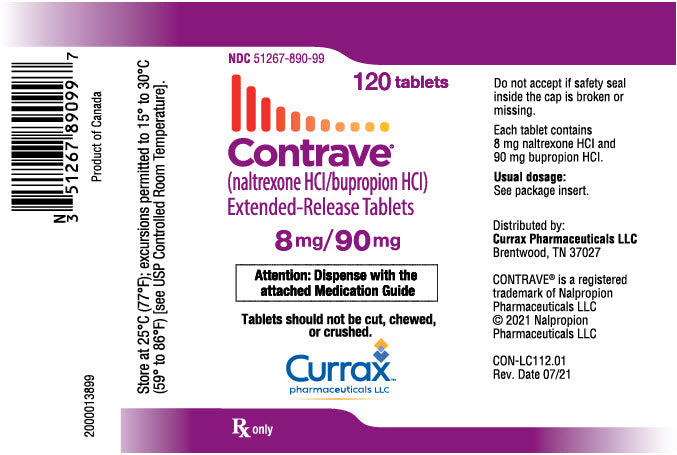
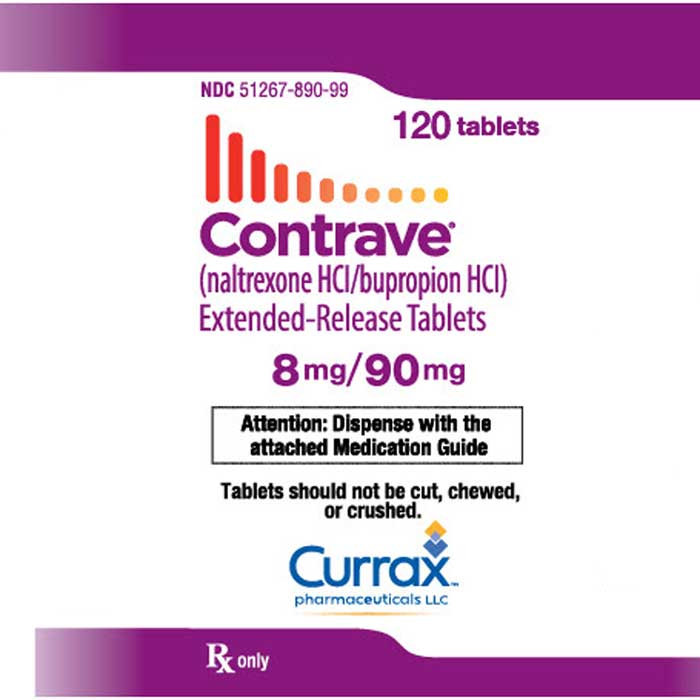
Contrave Naltrexone 8 mg + Bupropion 90 mg Extended Release Tablets, 120/Bottle (RX)

SKU 51267-0890-99
Sale 13%
Original price $ 999.95
Current price $ 865.00
In stock
Non-Returnable
*Mountainside Medical does not fill personal prescriptions Medical Professional License Required to Unlock Account

How to Order:

Send an email request to: sales@mountainside-medical.com

You will receive instructions on how to create an account along with Rx Ordering Details.

(Note: Acceptable licenses must have Prescriptive Authority in the license issuing state.)
Fast Delivery
Fast Delivery
24/7 Support
24/7 Support
No Returns
No Returns
Hospital Grade
Hospital Grade
Free Shipping on orders above $100
Payment Secure transaction
Packaging Ships in product packaging
Service-Disabled Veteran-Owned Small Business
Located in Adirondack Mountains in NY
Family Owned Business 2002
Sale 13%
Original price $ 999.95
Current price $ 865.00
Free Shipping on orders above $100
Payment Secure transaction
Packaging Ships in product packaging
Contrave Naltrexone 8 mg + Bupropion 90 mg Extended Release Tablets, 120/Bottle (RX)
$ 999.95 $ 865.00
🔒 Medical License Required
Description

Contrave is a prescription combination medication for chronic weight management. Each extended‐release Contrave tablet contains 8 mg of naltrexone HCl (an opioid antagonist) and 90 mg of bupropion HCl (an antidepressant). It was approved by the FDA in September 2014 as an adjunct to diet and exercise for weight loss. Contrave is intended for adults with a body mass index (BMI) ≥30 (obese) or ≥27 (overweight) plus at least one weight-related condition (such as hypertension, type 2 diabetes, or dyslipidemia). It is not FDA-approved for use in children or adolescents; clinical studies have only been done in adults. In practice, Contrave is always prescribed along with medical supervision and lifestyle changes (diet and exercise) to maximize benefit.

Mechanism of Action

The exact way Contrave causes weight loss is not fully understood. In general, bupropion and naltrexone act on brain pathways that regulate hunger and reward. Bupropion (a dopamine/norepinephrine reuptake inhibitor) stimulates pro-opiomelanocortin (POMC) neurons in the hypothalamus to release appetite-suppressing peptides (α-MSH) and beta-endorphin. Normally, beta-endorphin would then feed back via opioid receptors to limit POMC activity. Naltrexone (an opioid receptor blocker) prevents this feedback inhibition. Together, the drugs synergistically raise the activity of POMC cells, leading to increased satiety signals, reduced food intake, and (in animal studies) higher energy expenditure. They also affect reward circuits (the mesolimbic dopamine pathway) to diminish cravings and the pleasurable response to high-fat/sugar foods. In short, Contrave helps “turn down” hunger signals and cravings by acting on both the brain’s appetite center and its reward center.

Product Details and Features:

  • Active Ingredients: Each tablet contains 8 mg of Naltrexone Hydrochloride and 90 mg of Bupropion Hydrochloride, a unique combination designed to target areas of the brain associated with hunger and cravings.
  • Extended Release Formulation: The extended-release tablets are crafted to provide a steady delivery of active ingredients throughout the day, ensuring effective appetite control and sustained weight management support.
  • Quantity: Offered in a convenient 120-count bottle, providing a comprehensive supply to support your weight management journey.
  • Prescription-Based: Intended for use in conjunction with a doctor-approved exercise, behavior change, and reduced-calorie diet program in adults with a significant body mass index (BMI).

Indications and Dosage

Contrave is indicated only as an adjunct to a reduced-calorie diet and increased physical activity for chronic weight management in appropriately selected adults. Typical candidates are those with a BMI ≥30, or BMI ≥27 with comorbidities (e.g. type 2 diabetes). It is not meant for short-term or cosmetic use.

The standard dosing regimen is a gradual 4-week titration up to a maintenance dose of 32 mg naltrexone/360 mg bupropion per day. For example (extended-release tab of 8/90 mg each):

  • Week 1: 1 tablet each morning (8 mg/90 mg total per day).
  • Week 2: 1 tablet morning + 1 tablet evening (16 mg/180 mg per day).
  • Week 3: 2 tablets morning + 1 evening (24 mg/270 mg per day).
  • Week 4 and on: 2 tablets twice daily (32 mg/360 mg per day).

If this full dose is tolerated, it is continued. However, by 12 weeks of treatment at the full dose, patients should have lost at least ~5% of their starting weight. If 5% weight loss is not achieved by that time, Contrave is usually discontinued, since further benefit is unlikely. These criteria (and dosing schedule) come from the FDA-approved label recommendations. Elderly patients (>65) may be more sensitive to side effects, and Contrave has not been studied in children. The extended-release tablets should be swallowed whole and never chewed or crushed.

Clinical Efficacy

In clinical trials, Contrave (used with diet/exercise) produced modest but significant weight loss compared to placebo. In a 56-week pivotal study (COR-I), the mean weight change was –5.4% on Contrave versus –1.3% on placebo. About 42% of Contrave-treated patients achieved ≥5% weight loss, vs ~17% of placebo patients. Similar benefits were seen in other trials and in diabetic patients. Differences faded if treatment was stopped. In real terms, a 5–10% weight reduction (this range is typical for Contrave or other similar drugs) has been associated with meaningful health improvements – for example, better blood sugar control, reduced sleep apnea symptoms, improved mobility, etc.. Therefore, Contrave can be a useful adjunct when lifestyle changes alone are insufficient, but it should not be viewed as a quick fix.

Side Effects and Safety

The most common side effects (reported in at least 5–10% of patients) are mostly related to the gastrointestinal and nervous system. In placebo-controlled trials, patients on Contrave versus placebo reported:

  • Nausea: ~32.5% (vs 6.7% on placebo).
  • Constipation: ~19.2% (vs 7.2%).
  • Headache: ~17.6% (vs 10.4%).
  • Vomiting: ~10.7% (vs 2.9%).
  • Dizziness: ~9.9% (vs 3.4%).
  • Insomnia: ~9.2% (vs 5.9%).
  • Dry mouth, diarrhea, other: also noted, though less common.

Most side effects are mild to moderate and tend to occur during the initial titration. Many patients find that nausea and headaches lessen after a few weeks. If side effects become intolerable, dose adjustments or discontinuation may be needed.

Serious Warnings: Contrave carries an FDA boxed warning (the strictest safety warning) because it contains bupropion, an antidepressant known to increase the risk of suicidal thoughts and neuropsychiatric events in some people (especially those under 24 or with psychiatric history). Although Contrave itself was not found to increase suicidality in trials, physicians and patients are advised to monitor mood, depression, or suicidal ideation during use. Any unusual mood or behavior changes should prompt immediate medical attention.

Cardiovascular effects are a concern: Contrave can raise resting heart rate and blood pressure slightly. In trials the average rise was small (∼1 mmHg), but because of this, Contrave is used cautiously in patients with existing heart disease or high blood pressure. Heart rate and BP should be monitored periodically. If severe hypertension develops, Contrave should be stopped and blood pressure treated. Notably, unlike some older anti-obesity drugs, Contrave has not been linked to significant heart valve issues or severe cardiac events in trials (though long-term cardiovascular outcome studies had been required post-approval).

Contraindications and other precautions include:

  • Seizure risk: Bupropion lowers the seizure threshold in a dose-related manner. Patients with seizure disorders, active alcohol or benzodiazepine withdrawal, eating disorders (anorexia/bulimia) or any condition that predisposes to seizures should not take Contrave. Avoid abrupt discontinuation of seizure medications or sedatives while on Contrave.
  • Opioid antagonism: Because naltrexone blocks opioid receptors, Contrave prevents opioid pain medications from working and can precipitate withdrawal. It is contraindicated in patients on chronic opioid therapy, and must be stopped before any opioid use. Patients requiring on-demand opioids (e.g. for pain) should not use Contrave; if opioids are needed, Contrave is discontinued and opioid doses adjusted.
  • MAOI interaction: Contrave must not be used with monoamine oxidase inhibitors (MAOIs) or within 14 days of MAOI therapy, due to risk of hypertensive crisis.
  • Other drugs: Use caution with any other bupropion-containing product (eg, for smoking cessation) – do not co-administer.

Common drug interactions include CYP2B6 inhibitors (e.g. clopidogrel), which may raise bupropion levels; dose adjustment is recommended as per label. Because Contrave is an extended-release formulation, co-administered medications or conditions that alter gastrointestinal function could affect its absorption.

Pregnancy/Breastfeeding: Weight-loss drugs are generally avoided in pregnancy. The Contrave label warns that weight loss during pregnancy may harm the fetus, and recommends discontinuing if pregnancy occurs. Bupropion alone has been studied in pregnancy (no large signals of birth defects), but combined with naltrexone it is still not recommended. Breastfeeding mothers should also avoid Contrave due to unknown risk. Women of childbearing potential should use contraception and discuss pregnancy plans with their doctor.

Special Populations: Contrave is not approved for anyone under 18. It has not been extensively studied in the very elderly or those with severe liver/kidney impairment. In patients over 65, lower doses or extra caution may be considered due to CNS side effects (e.g. dizziness, insomnia). Use in renal or hepatic impairment follows the prescribing guidelines: mild impairment requires no change, but moderate/severe renal disease should not exceed 1 tablet twice daily.

Abuse potential: Unlike stimulant weight-loss drugs, Contrave does not appear to have abuse potential. It is not a controlled substance (no “schedule” restriction). It may even be helpful in patients who smoke or have depression/ADHD because of bupropion’s dual action (though again, it is not indicated as a smoking-cessation or antidepressant drug).

Contrave vs Phentermine

Both Contrave (naltrexone/bupropion) and phentermine are prescription weight-loss medications, but they differ greatly in drug class, how they work, recommended use, and side effects. Contrave is a fixed-dose combo of naltrexone (an opioid antagonist) and bupropion (an antidepressant) approved for long-term weight management. It’s indicated as an adjunct to diet and exercise in adults with obesity (BMI ≥30) or overweight (BMI ≥27) plus a weight-related condition. In contrast, phentermine is a sympathomimetic stimulant (amphetamine-like) approved only for short-term use (typically a few weeks, up to 12) as an appetite suppressant in similar adult patients (BMI ≥30, or ≥27 with risk factors). In other words, Contrave is used chronically (with gradual dose titration) to help maintain weight loss, whereas phentermine is used acutely to jump-start weight loss.

Summary

In summary, Contrave is a combination naltrexone/bupropion medication approved for obesity management in adults with appropriate BMI criteria. It works by reducing hunger and cravings through complementary brain pathways. Clinical trials show a moderate weight loss benefit (on average a few percent above placebo), so it must be used in conjunction with diet, exercise, and behavior changes for best effect. The drug has known side effects (especially nausea and neuropsychiatric vigilance) and important warnings (suicidality, seizures, opioid interactions). Patients should be carefully selected and monitored, and the therapy stopped if weight loss is inadequate over 12 weeks.

Note: This overview is for informational purposes only. Treatment decisions should always be made in consultation with a qualified healthcare professional, who can assess individual risks and benefits before prescribing any weight-loss medication.

Description

Contrave is a prescription combination medication for chronic weight management. Each extended‐release Contrave tablet contains 8 mg of naltrexone HCl (an opioid antagonist) and 90 mg of bupropion HCl (an antidepressant). It was approved by the FDA in September 2014 as an adjunct to diet and exercise for weight loss. Contrave is intended for adults with a body mass index (BMI) ≥30 (obese) or ≥27 (overweight) plus at least one weight-related condition (such as hypertension, type 2 diabetes, or dyslipidemia). It is not FDA-approved for use in children or adolescents; clinical studies have only been done in adults. In practice, Contrave is always prescribed along with medical supervision and lifestyle changes (diet and exercise) to maximize benefit.

Mechanism of Action

The exact way Contrave causes weight loss is not fully understood. In general, bupropion and naltrexone act on brain pathways that regulate hunger and reward. Bupropion (a dopamine/norepinephrine reuptake inhibitor) stimulates pro-opiomelanocortin (POMC) neurons in the hypothalamus to release appetite-suppressing peptides (α-MSH) and beta-endorphin. Normally, beta-endorphin would then feed back via opioid receptors to limit POMC activity. Naltrexone (an opioid receptor blocker) prevents this feedback inhibition. Together, the drugs synergistically raise the activity of POMC cells, leading to increased satiety signals, reduced food intake, and (in animal studies) higher energy expenditure. They also affect reward circuits (the mesolimbic dopamine pathway) to diminish cravings and the pleasurable response to high-fat/sugar foods. In short, Contrave helps “turn down” hunger signals and cravings by acting on both the brain’s appetite center and its reward center.

Product Details and Features:

  • Active Ingredients: Each tablet contains 8 mg of Naltrexone Hydrochloride and 90 mg of Bupropion Hydrochloride, a unique combination designed to target areas of the brain associated with hunger and cravings.
  • Extended Release Formulation: The extended-release tablets are crafted to provide a steady delivery of active ingredients throughout the day, ensuring effective appetite control and sustained weight management support.
  • Quantity: Offered in a convenient 120-count bottle, providing a comprehensive supply to support your weight management journey.
  • Prescription-Based: Intended for use in conjunction with a doctor-approved exercise, behavior change, and reduced-calorie diet program in adults with a significant body mass index (BMI).

Indications and Dosage

Contrave is indicated only as an adjunct to a reduced-calorie diet and increased physical activity for chronic weight management in appropriately selected adults. Typical candidates are those with a BMI ≥30, or BMI ≥27 with comorbidities (e.g. type 2 diabetes). It is not meant for short-term or cosmetic use.

The standard dosing regimen is a gradual 4-week titration up to a maintenance dose of 32 mg naltrexone/360 mg bupropion per day. For example (extended-release tab of 8/90 mg each):

  • Week 1: 1 tablet each morning (8 mg/90 mg total per day).
  • Week 2: 1 tablet morning + 1 tablet evening (16 mg/180 mg per day).
  • Week 3: 2 tablets morning + 1 evening (24 mg/270 mg per day).
  • Week 4 and on: 2 tablets twice daily (32 mg/360 mg per day).

If this full dose is tolerated, it is continued. However, by 12 weeks of treatment at the full dose, patients should have lost at least ~5% of their starting weight. If 5% weight loss is not achieved by that time, Contrave is usually discontinued, since further benefit is unlikely. These criteria (and dosing schedule) come from the FDA-approved label recommendations. Elderly patients (>65) may be more sensitive to side effects, and Contrave has not been studied in children. The extended-release tablets should be swallowed whole and never chewed or crushed.

Clinical Efficacy

In clinical trials, Contrave (used with diet/exercise) produced modest but significant weight loss compared to placebo. In a 56-week pivotal study (COR-I), the mean weight change was –5.4% on Contrave versus –1.3% on placebo. About 42% of Contrave-treated patients achieved ≥5% weight loss, vs ~17% of placebo patients. Similar benefits were seen in other trials and in diabetic patients. Differences faded if treatment was stopped. In real terms, a 5–10% weight reduction (this range is typical for Contrave or other similar drugs) has been associated with meaningful health improvements – for example, better blood sugar control, reduced sleep apnea symptoms, improved mobility, etc.. Therefore, Contrave can be a useful adjunct when lifestyle changes alone are insufficient, but it should not be viewed as a quick fix.

Side Effects and Safety

The most common side effects (reported in at least 5–10% of patients) are mostly related to the gastrointestinal and nervous system. In placebo-controlled trials, patients on Contrave versus placebo reported:

  • Nausea: ~32.5% (vs 6.7% on placebo).
  • Constipation: ~19.2% (vs 7.2%).
  • Headache: ~17.6% (vs 10.4%).
  • Vomiting: ~10.7% (vs 2.9%).
  • Dizziness: ~9.9% (vs 3.4%).
  • Insomnia: ~9.2% (vs 5.9%).
  • Dry mouth, diarrhea, other: also noted, though less common.

Most side effects are mild to moderate and tend to occur during the initial titration. Many patients find that nausea and headaches lessen after a few weeks. If side effects become intolerable, dose adjustments or discontinuation may be needed.

Serious Warnings: Contrave carries an FDA boxed warning (the strictest safety warning) because it contains bupropion, an antidepressant known to increase the risk of suicidal thoughts and neuropsychiatric events in some people (especially those under 24 or with psychiatric history). Although Contrave itself was not found to increase suicidality in trials, physicians and patients are advised to monitor mood, depression, or suicidal ideation during use. Any unusual mood or behavior changes should prompt immediate medical attention.

Cardiovascular effects are a concern: Contrave can raise resting heart rate and blood pressure slightly. In trials the average rise was small (∼1 mmHg), but because of this, Contrave is used cautiously in patients with existing heart disease or high blood pressure. Heart rate and BP should be monitored periodically. If severe hypertension develops, Contrave should be stopped and blood pressure treated. Notably, unlike some older anti-obesity drugs, Contrave has not been linked to significant heart valve issues or severe cardiac events in trials (though long-term cardiovascular outcome studies had been required post-approval).

Contraindications and other precautions include:

  • Seizure risk: Bupropion lowers the seizure threshold in a dose-related manner. Patients with seizure disorders, active alcohol or benzodiazepine withdrawal, eating disorders (anorexia/bulimia) or any condition that predisposes to seizures should not take Contrave. Avoid abrupt discontinuation of seizure medications or sedatives while on Contrave.
  • Opioid antagonism: Because naltrexone blocks opioid receptors, Contrave prevents opioid pain medications from working and can precipitate withdrawal. It is contraindicated in patients on chronic opioid therapy, and must be stopped before any opioid use. Patients requiring on-demand opioids (e.g. for pain) should not use Contrave; if opioids are needed, Contrave is discontinued and opioid doses adjusted.
  • MAOI interaction: Contrave must not be used with monoamine oxidase inhibitors (MAOIs) or within 14 days of MAOI therapy, due to risk of hypertensive crisis.
  • Other drugs: Use caution with any other bupropion-containing product (eg, for smoking cessation) – do not co-administer.

Common drug interactions include CYP2B6 inhibitors (e.g. clopidogrel), which may raise bupropion levels; dose adjustment is recommended as per label. Because Contrave is an extended-release formulation, co-administered medications or conditions that alter gastrointestinal function could affect its absorption.

Pregnancy/Breastfeeding: Weight-loss drugs are generally avoided in pregnancy. The Contrave label warns that weight loss during pregnancy may harm the fetus, and recommends discontinuing if pregnancy occurs. Bupropion alone has been studied in pregnancy (no large signals of birth defects), but combined with naltrexone it is still not recommended. Breastfeeding mothers should also avoid Contrave due to unknown risk. Women of childbearing potential should use contraception and discuss pregnancy plans with their doctor.

Special Populations: Contrave is not approved for anyone under 18. It has not been extensively studied in the very elderly or those with severe liver/kidney impairment. In patients over 65, lower doses or extra caution may be considered due to CNS side effects (e.g. dizziness, insomnia). Use in renal or hepatic impairment follows the prescribing guidelines: mild impairment requires no change, but moderate/severe renal disease should not exceed 1 tablet twice daily.

Abuse potential: Unlike stimulant weight-loss drugs, Contrave does not appear to have abuse potential. It is not a controlled substance (no “schedule” restriction). It may even be helpful in patients who smoke or have depression/ADHD because of bupropion’s dual action (though again, it is not indicated as a smoking-cessation or antidepressant drug).

Contrave vs Phentermine

Both Contrave (naltrexone/bupropion) and phentermine are prescription weight-loss medications, but they differ greatly in drug class, how they work, recommended use, and side effects. Contrave is a fixed-dose combo of naltrexone (an opioid antagonist) and bupropion (an antidepressant) approved for long-term weight management. It’s indicated as an adjunct to diet and exercise in adults with obesity (BMI ≥30) or overweight (BMI ≥27) plus a weight-related condition. In contrast, phentermine is a sympathomimetic stimulant (amphetamine-like) approved only for short-term use (typically a few weeks, up to 12) as an appetite suppressant in similar adult patients (BMI ≥30, or ≥27 with risk factors). In other words, Contrave is used chronically (with gradual dose titration) to help maintain weight loss, whereas phentermine is used acutely to jump-start weight loss.

Summary

In summary, Contrave is a combination naltrexone/bupropion medication approved for obesity management in adults with appropriate BMI criteria. It works by reducing hunger and cravings through complementary brain pathways. Clinical trials show a moderate weight loss benefit (on average a few percent above placebo), so it must be used in conjunction with diet, exercise, and behavior changes for best effect. The drug has known side effects (especially nausea and neuropsychiatric vigilance) and important warnings (suicidality, seizures, opioid interactions). Patients should be carefully selected and monitored, and the therapy stopped if weight loss is inadequate over 12 weeks.

Note: This overview is for informational purposes only. Treatment decisions should always be made in consultation with a qualified healthcare professional, who can assess individual risks and benefits before prescribing any weight-loss medication.
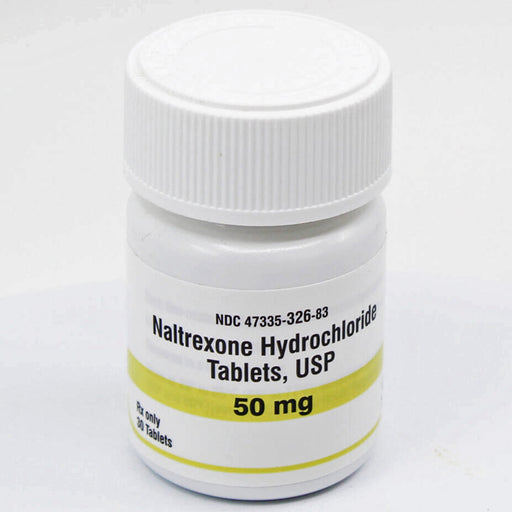
FAQs About Naltrexone Hydrochloride

  • What Is Naltrexone Hydrochloride Used For?

    Alcohol Use Disorder: Helps reduce cravings, prevent relapse, and support sobriety. Opioid Use Disorder: Blocks opioid receptors, preventing the euphoric effects of opioids and supporting recovery. Weight Loss (Low-Dose & Combo): Used in combination with bupropion (Contrave) for chronic weight management. Investigational Use: Studied for fibromyalgia, multiple sclerosis (MS), and autoimmune disorders (Low Dose Naltrexone or LDN).

  • What Is the Difference Between Naltrexone and Naltrexone Hydrochloride?

    Naltrexone hydrochloride is the full chemical name and salt form, but naltrexone and naltrexone hydrochloride are used interchangeably in medicine. Both refer to the same active substance used in naltrexone therapy.

  • How Does Naltrexone Hydrochloride Make You Feel?

    Most patients do not feel “high” or sedated—rather, cravings and urges for alcohol or opioids are reduced. Some people notice clearer thinking, less compulsion, or more control over behaviors.

  • What Are the Benefits of Taking Naltrexone?

    Reduces cravings for alcohol and opioids Lowers risk of relapse and overdose No addictive or sedative properties May support weight loss in certain formulations Possible mood stabilization and improved emotional control

  • Why Don’t Doctors Prescribe Naltrexone?

    Lack of awareness or training about medication-assisted therapies Concerns over patient adherence or motivation Some insurance plans require prior authorization Not effective in those unwilling to stop opioids or drinking

  • Does Naltrexone Help with Anxiety?

    Naltrexone is not primarily an anti-anxiety drug, but some patients report less anxiety due to reduced compulsive urges or withdrawal symptoms. Always consult your provider for primary anxiety treatment options.

  • How Long Does It Take for Naltrexone Hydrochloride to Work?

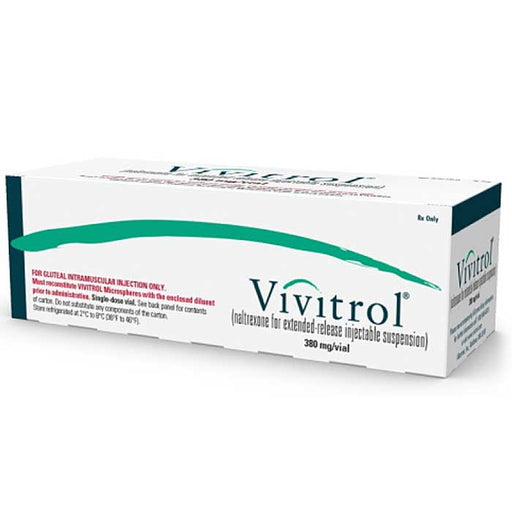
    Effects begin within a few hours, with optimal results seen over weeks as cravings diminish. Extended-release injections last about 4 weeks per dose.

  • Is Naltrexone Hydrochloride Safe?

    Yes, naltrexone is safe for most people when prescribed and monitored. Main risks: liver enzyme elevation, nausea, headache, insomnia, or allergic reactions. Not recommended for those with acute hepatitis, severe liver failure, or ongoing opioid use.

  • Is Naltrexone Hydrochloride the Same as Suboxone?

    No, they are different medications: Naltrexone is a pure opioid antagonist (blocks receptors, no opioid effect). Suboxone (buprenorphine/naloxone) is a partial opioid agonist used for maintenance therapy.

  • Can You Feel Happy on Naltrexone?

    You can experience normal “happiness,” but naltrexone blocks opioid-related euphoria. Many patients report more emotional stability and improved mood in recovery.

  • Who Is a Good Candidate for Naltrexone?

    Adults with alcohol or opioid dependence who have detoxed (opioid-free for 7–10 days) People seeking medication-assisted treatment who don’t want or can’t use opioid agonists Individuals interested in adjunct weight management (Contrave)

  • When Is the Best Time to Take Naltrexone Hydrochloride?

    Once daily, preferably at the same time each day (often morning). Take with food if stomach upset occurs; always follow your doctor’s instructions.

  • Does Naltrexone Give You Energy?

    Naltrexone is not a stimulant and does not directly increase energy. Some people report better focus and alertness due to reduced cravings.

  • How Does Naltrexone Affect Sleep?

    Side effects may include vivid dreams or insomnia in some users, especially during the first few weeks; most people adjust over time.

  • Do I Need a Medical Bracelet for Naltrexone?

    Yes, wearing a medical alert bracelet is recommended so emergency personnel know you are on naltrexone, as opioid pain medicines will not work normally.

  • How Much Weight Can You Lose with Naltrexone?

    As part of Contrave (naltrexone/bupropion), typical weight loss is 5–10% of body weight when combined with lifestyle changes.

  • Can Naltrexone Improve Your Mood?

    Many patients report enhanced mood, stabilized emotions, and improved self-control. Not a traditional antidepressant, but often helps support mental wellbeing during recovery.

  • What Is Bad About Naltrexone? (Risks/Warnings)

    Can’t be taken with active opioid use (risk of withdrawal) Rare liver toxicity—monitor liver function GI side effects: nausea, vomiting, abdominal pain May not work for everyone; adherence and support are key

  • Is Naltrexone a Miracle Drug?

    While not a “miracle drug,” naltrexone offers life-changing benefits for many in addiction recovery and is a cornerstone of modern MAT programs.

  • Key Features & Benefits

    FDA-approved for alcohol and opioid dependence No addiction or abuse potential Available as daily tablets or monthly injections Supports recovery, weight loss, and possible mood benefits Pharmacy-direct, fast access with prescription

Get Notified When Back in Stock