Albuterol Nebulizer Solution 0.83%
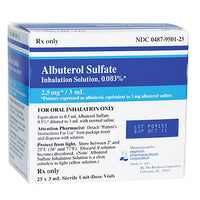
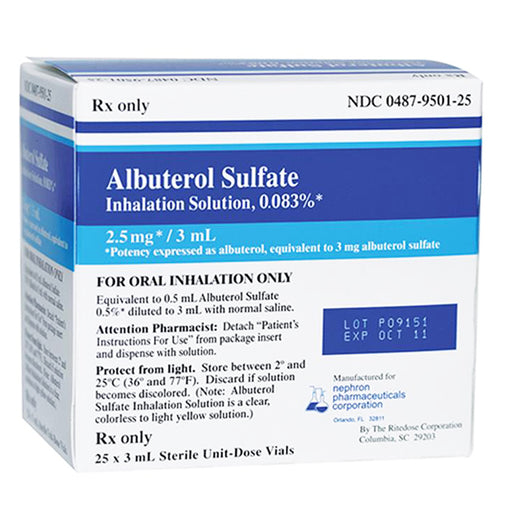
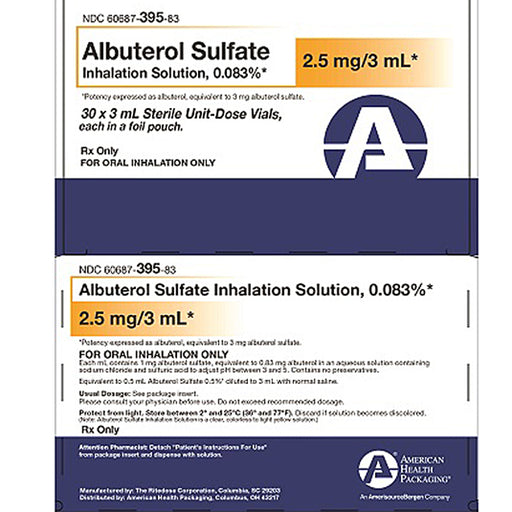
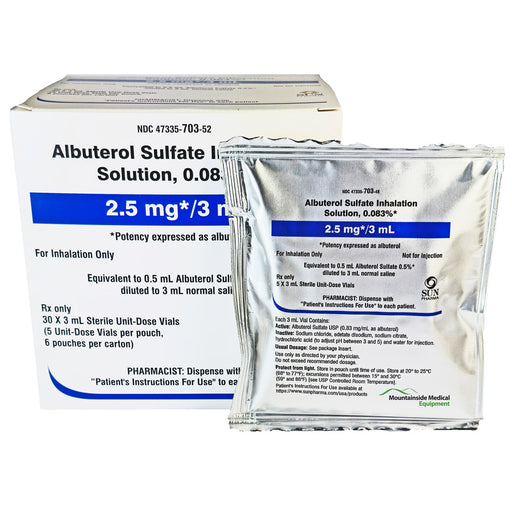
Albuterol sulfate (known internationally as salbutamol) nebulizer solution is a short-acting β₂-adrenergic agonist, formulated for inhalation to relieve bronchospasm. Each 3 mL sterile unit-dose contains 2.5 mg of albuterol (0.083% w/v, i.e. 0.83 mg per mL as albuterol base). The solution requires no dilution and is administered via a nebulizer (compressed air or ultrasonic) over about 5–15 minutes. It is for inhalation use only (not for injection). Albuterol stimulates β₂-receptors in bronchial smooth muscle, activating adenylate cyclase and raising cAMP levels to cause muscle relaxation. This selective β₂ agonism produces effective bronchodilation (opening the airways) with relatively few direct cardiovascular effects
Uses
Albuterol Nebulizer Solution is clinically indicated for:
-
Acute and chronic treatment of bronchospasm associated with asthma, COPD, chronic bronchitis, and emphysema
- Prevention of exercise-induced bronchospasm
- Rapid symptom relief from wheezing, cough, chest tightness, and shortness of breath
-
Emergency relief in acute asthma attacks when quick onset of action is crucial
-
Pediatric and adult use as a nebulized solution for maintenance and rescue therapy
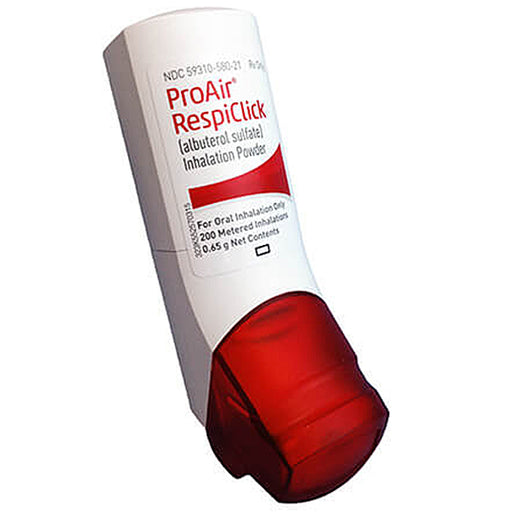
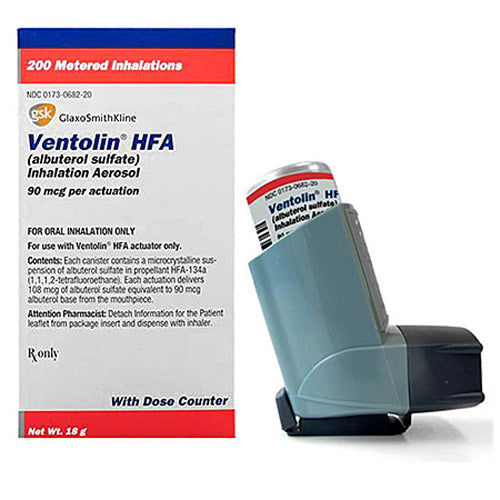
Albuterol inhalation solution is indicated for rapid relief of bronchospasm in reversible obstructive airway conditions. It is used in patients 2 years of age and older with conditions like asthma or chronic obstructive pulmonary disease (COPD) to alleviate acute bronchoconstriction. (It is not effective against non-obstructive respiratory problems or viral infections.) This solution is typically used as a rescue inhaler – for example in asthma or reactive airway disease flare-ups – and not as a sole controller medication. If exercise-induced bronchospasm is an issue, albuterol nebulization or an inhaler dose about 15–30 minutes before activity may provide relief (although this use is not an official FDA indication).
Dosage and Administration
Standard dose (adults and children ≥15 kg): One 3 mL unit-dose vial (2.5 mg albuterol) by nebulizer 3 to 4 times per day as needed The full contents of the vial are added to the nebulizer cup, and inhaled over ~5–15 minutes with normal inspiratory flow. Therapy may be repeated every 4–6 hours for recurrent bronchospasm, but do not exceed the recommended frequency or dose. More frequent use (or higher doses) is not advised without medical supervision.
For children <15 kg (or requiring <2.5 mg), a more concentrated solution (0.5%) is available so partial vials can be measured. For patients <2 years old, safety and efficacy have not been established (use only under close medical guidance). No dosage adjustment is needed for renal or hepatic impairment, since most nebulized drug is exhaled or minimally absorbed.
Administration tips: Use in a clean, properly set-up nebulizer system. Breathe normally and deeply, inhaling the aerosol through the mouthpiece or mask until no mist remains (5–15 minutes). Sit upright during treatment. Clean the nebulizer per manufacturer instructions after use. Store unit vials at 2–25 °C, protected from light, until use.
If asthma worsens: If a previously effective albuterol regimen fails to relieve symptoms (e.g. the usual dose suddenly becomes ineffective), seek medical care immediately as this may indicate a serious exacerbation requiring adjusted therapy. Do not increase the dose or frequency on your own.
Contraindications
-
Known hypersensitivity to albuterol (salbutamol) or any component of the formulation.
-
Intra-arterial or intravenous use: This solution is for inhalation only (nebulizer); do not inject it.
Warnings and Precautions
-
Paradoxical bronchospasm: In rare cases, inhalation of albuterol solution can trigger worsening bronchospasm immediately after use. If breathing becomes more difficult after treatment (wheezing increases), stop use and seek medical attention right away. Alternative therapy should be started.
-
Cardiovascular effects: Although relatively β₂-selective, albuterol can still affect the heart. Use cautiously in patients with cardiac disease, arrhythmias, hypertension or coronary insufficiency. Inform the doctor if you have a history of high blood pressure, irregular heartbeat, angina, or recent heart attack. In some patients, β-agonists increase heart rate or blood pressure. Monitor closely, and discontinue if significant arrhythmias or chest pain occur.
-
Metabolic effects: Albuterol can cause transient hypokalemia (low potassium) due to intracellular shift. Monitor potassium if patient is on diuretics or other QT-prolonging drugs. In diabetic patients, it can also raise blood glucose; diabetics should check sugars more frequently.
-
CNS effects: Dizziness, nervousness, tremor, or headache may occur. Use caution in patients with seizure disorders or hyperthyroidism.
-
Simultaneous medications: Do not use other nebulized β-agonists or epinephrine at the same time. Albuterol should be used with caution in people taking MAO inhibitors or tricyclic antidepressants (which can potentiate its cardiovascular effects). Avoid non-selective β-blockers as they will counteract albuterol’s effect.
-
Overuse: Excessive use of albuterol (more frequent than prescribed) can be dangerous and has been linked to loss of asthma control and even fatal outcomes. Always use the minimal effective dose.
Additionally, anaphylaxis (allergic reaction) is very rare but possible. Patients should report any signs of allergic reaction (hives, swelling, rash) to their physician immediately and stop use.
Adverse Reactions
Common (≥1%): Tremor and shaking (≈10–20% of patients), headache (≈3%), nervousness or insomnia; tachycardia or palpitations (≈1%); nausea (≈4%); and throat irritation or cough. Occasional episodes of hypokalemia (causing muscle cramps) can occur with high or repeated dosing.
Respiratory: Paradoxical bronchospasm (worsened wheezing) occurred in ~8% of patients during trials; this was usually due to underlying disease. If it occurs with therapy, discontinue albuterol and treat immediately. Cough can be a side effect.
Serious (rare): Allergic reactions (urticaria, angioedema, rash); significant cardiac arrhythmias (especially in at-risk patients); severe hypertension; seizures (in overdose); or severe hypokalemia. If any severe or concerning symptoms happen, stop the medication and seek medical care.
Drug Interactions
-
Other bronchodilators: Do not use other inhaled β-agonists (e.g. metaproterenol, levalbuterol) or epinephrine simultaneously with albuterol inhalation solution.
-
MAOIs/TCA: Concomitant use of monoamine oxidase inhibitors or tricyclic antidepressants may potentiate the cardiovascular effects of albuterol. Use cautiously.
-
β-Blockers: β-blockers (especially non-selective ones) will antagonize albuterol’s effect and may precipitate bronchospasm; concurrent use is not recommended.
-
Diuretics: Non-potassium sparing diuretics (e.g. furosemide) increase the risk of hypokalemia with β₂-agonists. Monitor potassium if used together.
-
Other interactions: Albuterol does not significantly interact with cytochrome P450 enzymes. Inhaled corticosteroids or leukotriene modifiers (used in asthma treatment) have no known harmful interaction with albuterol – they are often used in combination safely.
Use in Specific Populations
-
Pregnancy: Albuterol is Pregnancy Category C. Animal studies have shown fetal effects (cleft palate) at high doses. There are limited data in humans. Use only if clearly needed, and discuss risks/benefits with the doctor.
-
Nursing Mothers: It is unknown if albuterol is excreted in human milk. Because of animal findings, a decision must be made whether to discontinue nursing or the drug. Use caution if needed by a breastfeeding mother.
-
Pediatrics: Safety and efficacy have been established in children 2 years and older. The recommended dosing (2.5 mg) applies to children ≥15 kg. Safety in children <2 years has not been established.
-
Geriatrics: No specific dose adjustment is recommended in the elderly. However, older patients more frequently have age-related heart or kidney problems, requiring cautious use.
Mechanism of Action
Albuterol is a β₂-adrenergic agonist. It binds to β₂-receptors on bronchial smooth muscle cells, activating adenylate cyclase to increase cyclic AMP levels. Elevated cAMP causes relaxation of bronchial smooth muscle, resulting in bronchodilation. Because it selectively targets β₂-receptors (predominant in the lungs), it is more potent as a bronchodilator and causes fewer cardiac effects than non-selective agonists. The overall effect is rapid relief of airway constriction and improved airflow in obstructive airway disease.
Patient Counseling: Patients should be instructed on proper nebulizer use. Emphasize not to exceed the prescribed dose or frequency. Advise them that albuterol is for symptom relief and not a substitute for steroid or maintenance therapy. They should rinse the nebulizer mouthpiece and drink fluids if throat irritation occurs. Warn them of possible tremor and rapid heartbeat. Instruct patients to protect themselves from triggers (allergens, smoke) and to use albuterol as directed during an asthma attack. They should immediately report any extreme reactions (e.g. worsened breathing, chest pain, severe headache, allergic symptoms).
Uses and Applications
Albuterol Inhalation Solution is clinically indicated for:
- Acute and chronic treatment of bronchospasm associated with asthma, COPD, chronic bronchitis, and emphysema
- Prevention of exercise-induced bronchospasm
- Rapid symptom relief from wheezing, cough, chest tightness, and shortness of breath
- Emergency relief in acute asthma attacks when quick onset of action is crucial
- Pediatric and adult use as a nebulized solution for maintenance and rescue therapy
1. Gather Supplies
- Albuterol Inhalation Solution (unit-dose vial or prescribed amount)
- Nebulizer cup (medicine chamber)
- Mouthpiece or face mask
- Nebulizer machine (compressor)
- Clean tubing
2. Prepare the Solution
-
Wash your hands thoroughly.
-
Remove the nebulizer cup from the nebulizer.
-
Take one unit-dose vial of Albuterol (2.5 mg/3 mL).
-
Twist open the vial and squeeze the entire contents into the nebulizer cup.
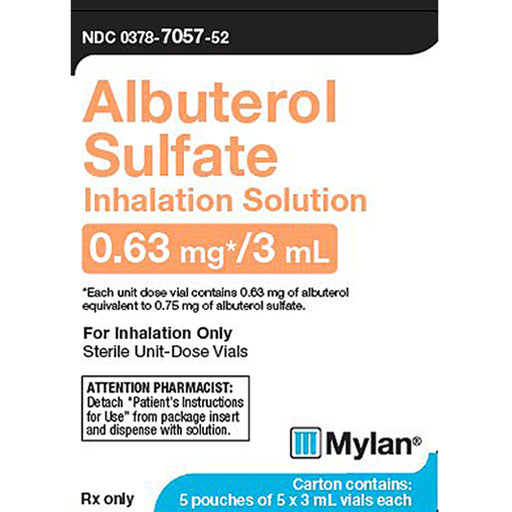
If your vial contains a different concentration or if you’re using a multi-dose vial, use the prescribed volume as directed by your healthcare provider.
3. Assemble the Nebulizer
- Attach the mouthpiece or face mask to the nebulizer cup.
- Connect the cup to the compressor with the tubing as directed in the nebulizer's instructions.
4. Administer the Medication
- Sit upright and turn on the nebulizer.
- Place the mouthpiece between your teeth and seal your lips around it, or fit the face mask snugly over your nose and mouth.
- Breathe in slowly and deeply through your mouth as the mist is produced.
- Continue until all the medicine is gone (usually 5-15 minutes). The nebulizer may “sputter” when finished.
5. After Treatment
- Turn off the machine and detach the nebulizer components.
- Rinse the nebulizer cup, mouthpiece, or mask with warm water. Let them air dry.
- Wash hands again.
Important Tips
- Only use as prescribed: Do not use more often or in higher doses than directed.
- Monitor for side effects: Rapid heartbeat, tremors, or nervousness are common; notify your provider if these are severe.
- Clean your equipment: Clean nebulizer after each use to prevent infections.
- Store medication properly: Protect vials from light and store at room temperature unless otherwise specified.
When to Seek Help
- If you have increased difficulty breathing, chest pain, or severe side effects, contact your healthcare provider immediately or seek emergency help.
For Children:
Children generally require adult assistance and supervision to ensure correct use and dosing.
Always follow the instructions provided by your healthcare provider or pharmacist, as instructions may vary based on your medical needs or nebulizer model.
Drug Interactions
- Beta-blockers (e.g., propranolol): May reduce the bronchodilator effect.
- Diuretics: Increased risk of hypokalemia (low potassium).
- MAO inhibitors, Tricyclic antidepressants: May intensify cardiovascular side effects.
- Other inhaled bronchodilators or stimulants: Potential for increased toxicity.
Provide your healthcare provider with a complete list of medications and supplements.
 Skip to content