
Filters
- Asthma (4)
- Asthma treatments (3)
- Compressor Nebulizer (1)
- Machine (2)
- Neb Machine (3)
- nebulizer (8)
- Nebulizer Compressor (5)
- Nebulizer Machine (10)
- Nebulizer Treatment (3)
- Portable Nebulizer (1)
- Portable nebulizer machine (3)
- Resp-O2 (1)
- asthma (1)
- compressor (2)
- compressor nebulizer (1)
- jet nebulizer (1)
- MedNeb (1)
- MedNeb MQ5600 (1)
- MedNeb nebulizer (1)
- MedNeb nebulizer machine (1)
- neb kit (1)
- neb machine (1)
- nebulizer for adults (1)
- nebulizer treatment (1)
- Pediatric nebulizer (7)
- piston powered (1)
- tabletop nebulizer (1)
- Allergies (1)
- Asthma Nebulizer (6)
- Asthma Relief Medicine (1)
- Asthma Treatment (4)
- chronic bronchitis (1)
- COPD (1)
- Cystic Fibrosis (1)
- Emphysema (1)
- nebulizer compressor (1)
- Respiratory Therapy (3)
- Treat Emphysema (1)
- Childrens Nebulizer Machine (8)
- Nebulizer Mask (2)
- digger the dog (1)
- Dog Nebulizer (2)
- Dog Nebulizer Machine (1)
- Kids Nebulizer (5)
- Red Dog (1)
- Asthma Medication (2)
- Treat Asthma (2)
- Asthma Treatment Inhaler (1)
- Penguin (1)
- airial (1)
- medneb (1)
- portable nebulizer (3)
- Pulmo-Aide Nebulizers (3)
- Nebulizer with Battery (2)
- kids nebulizer mask (3)
- Nebulizer bottle (1)
- Nebulizer Filters (3)
- Nebulizer Mouthpiece (1)
- nebulizer parts (1)
- nebulizer treatments (2)
- Reusable Nebulizer Cup (1)
- ultrasonic nebulizer (1)
- Kids Nebulizer Machine (1)
- Panda bear (1)
- pedicatric nebulizer (1)
- Bubbles the fish (1)
- Pediatric Nebulizer Mask (1)
- Replacement Filters (1)
- Nebulizer Machine Air Filters (1)
- Replacement Bacteria Filters (1)
- Dogs (1)
- Oxygen Machine (1)
- Puppy (1)
- Frog Nebulizer (1)
- Bunny (1)
- Bunny Nebulizer (1)
Nebulizer Machines
Nebulizer Machines
A nebulizer is a device that converts liquid medication into a fine mist for inhalation, delivering drugs directly into the lungs. It’s commonly used in conditions like asthma, COPD, cystic fibrosis or bronchiectasis to open airways or reduce inflammation. Because you simply breathe normally through a mask or mouthpiece, nebulizers can be easier for young children or very ill patients to use (for example, during a severe asthma attack when inhalers are hard to coordinate).
Types of Nebulizers
There are three main types of nebulizer machines:
- Jet (compressor) nebulizers: These use compressed air to turn the liquid medicine into a mist. A tabletop compressor unit pushes air through tubing into the medicine cup. This is the most common type for home use.
- Ultrasonic nebulizers: These use high-frequency vibrations to atomize the medicine. They tend to run quietly and quickly, but can be more expensive. (They also produce slightly larger droplets.)
- Mesh nebulizers: These push liquid medication through a fine mesh or membrane to create the mist. Mesh units are often very portable (battery-powered) and efficient, but the devices can cost more.
(Some medications may require a specific type of nebulizer, so your provider will prescribe a compatible machine. In choosing a nebulizer, consider factors like ease of use, noise level, cost, and portability. Some child-friendly nebulizers even come in fun shapes or colors to make treatment less intimidating.)
Uses and Benefits
Nebulizers are typically used in respiratory diseases to deliver medication directly into the lungs. Common indications include asthma, COPD, cystic fibrosis, and bronchiectasis. They are especially useful when a person has trouble using a handheld inhaler properly. For example, during acute asthma episodes or with very young children and elderly patients, a nebulizer ensures the full dose of medicine is inhaled over several minutes. Typical nebulized medications include bronchodilators (like albuterol or ipratropium) and inhaled steroids, which can provide quick relief of wheezing and shortness of breath by relaxing the airways.
How to Use a Nebulizer
The exact steps can vary by model, but general guidelines are:
- Prepare the device: Wash your hands thoroughly. Assemble the nebulizer by connecting the air hose to the compressor (if using a tabletop unit). Pour the prescribed liquid medication into the nebulizer cup (some treatments may require diluting with saline); close the cup securely). Attach the mouthpiece or mask to the cup.
- Begin treatment: Turn on the machine. Place the mouthpiece between your teeth and seal your lips around it. If using a mask, fit it snugly over your nose and mouth. Sit up straight and breathe normally through your mouth. You should feel the cool mist. Continue inhaling the mist for the entire treatment – typically 5–20 minutes – until the medicine is gone. Take occasional slow, deep breaths, holding each view for a couple of seconds, to help the medicine settle deep in your airways.
- Finish and clean: Once the mist stops (all medication is used), turn off the nebulizer. Unplug and then disconnect the tubing and remove the cup and mouthpiece/mask. Rinse the cup and mouthpiece under warm running water immediately after use. Shake off excess water and let the parts air-dry. (MedlinePlus advises running the machine dry – e.g. running air through it for ~20 seconds – to clear out moisture.)
Cleaning and Maintenance
Cleaning after each use is essential. A dirty nebulizer can harbor bacteria and cause lung infections. Follow these steps after every treatment:
- Detach the medicine cup, mouthpiece, and mask from the tubing. Wash them with warm water and a few drops of mild liquid soap. Rinse thoroughly under running water.
- Shake off extra water and set parts on a clean towel or paper towels to air-dry. Do not use a dishwasher.
- Once dry, store parts in a clean, dry place (some recommend a sealed bag or container). Avoid exposing the machine to dust or heavy moisture.
- Daily cleaning upgrades: In addition to rinsing, at least once per day wash the parts with a mild soapy rinse and rinse again. Ensure every part is completely dry before reassembling (MedlinePlus notes running air through for 20 seconds to dry internal parts). Replace any disposable filters or components per the manufacturer’s schedule.
By doing this, you prevent clogging of the mist holes and eliminate germs (Philips notes that clogging can reduce drug delivery and lack of cleaning can lead to infection). Never share your mouthpiece or mask with anyone else. Always follow the cleaning instructions provided with your device.
Precautions and Side Effects
The nebulizer device itself is generally safe when used properly. The main “side effects” are due to the medication being inhaled. For example, bronchodilators can sometimes cause jitteriness or a fast heart rate; inhaled steroids may cause throat irritation or oral thrush (so you might rinse your mouth after treatment). If you feel dizzy or lightheaded during treatment, pause and breathe normally until it passes. If you have a history of heart or eye problems, organ failure, or significant edema, discuss nebulizer use with your doctor, as rapid fluid shifts or medications can affect these conditions.
Always use the exact medication and dose prescribed. Do not add unapproved substances to the nebulizer. If your doctor instructed you on a specific drug dilution (for example, mixed with saline), follow those directions. Inform your healthcare provider of all other medications you take (e.g. diuretics, heart drugs) to avoid interactions.
Important: Double-check your neb kit before each use – ensure the cup is tight (no leaks), tubing isn’t kinked, and the mask/mouthpiece is clean and intact. If the machine seems excessively noisy, sputters, or the mist output changes, it may need servicing. Always turn off and unplug before cleaning.
Summary
Nebulizer machines are medical devices that turn liquid medications into an inhalable mist, bypassing the need for an inhaler in many cases. They come in jet, ultrasonic, and mesh varieties, each with pros/cons (noise, portability, cost). They are especially useful for delivering asthma, COPD and other lung medications when deep, measured breaths are needed. Proper use (sealing around the mouthpiece, breathing slowly, finishing the full dose) is key. Rigorous cleaning after each use is mandatory to prevent infection. When used according to instructions and your doctor’s guidance, a nebulizer can safely and effectively manage chronic respiratory conditions by ensuring the medicine goes right where it’s needed most.
-
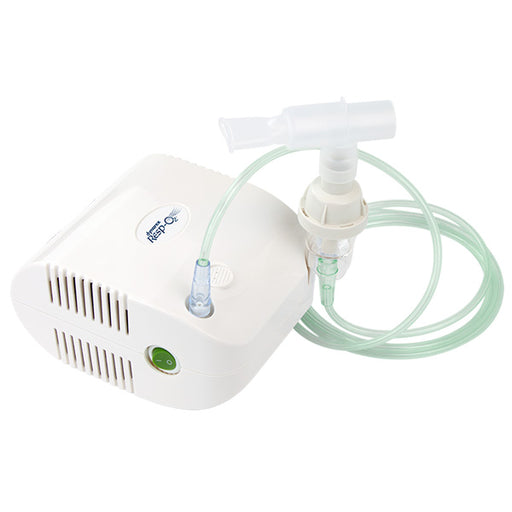 Sale 31%
Original price $ 39.95Current price $ 27.70
Sale 31%
Original price $ 39.95Current price $ 27.70Nebulizer Machine Compressor for Respiratory Therapy
103 reviewsThe Ultra light portable nebulizer machine compressor is highly effective for respiratory treatments related to asthma, allergies, and a variety of...
View full details -
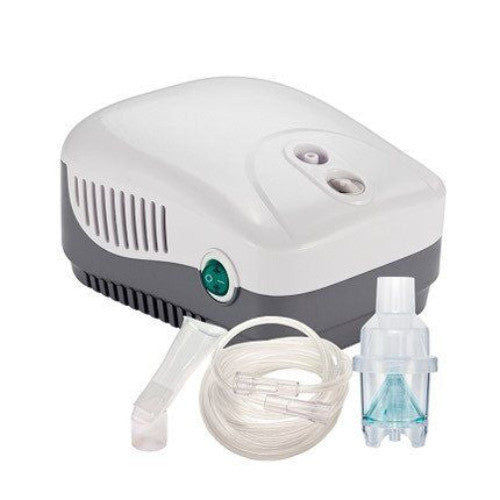 Sale 35%
Original price $ 57.95Current price $ 37.95
Sale 35%
Original price $ 57.95Current price $ 37.95Best Nebulizer Machine For Adults & Kids for COPD & Asthma Relief
106 reviewsNebulizer Machine MedNeb MQ5600 A nebulizer is a small medical device that turns liquid medication into a breathable mist that enters the lungs. T...
View full details -
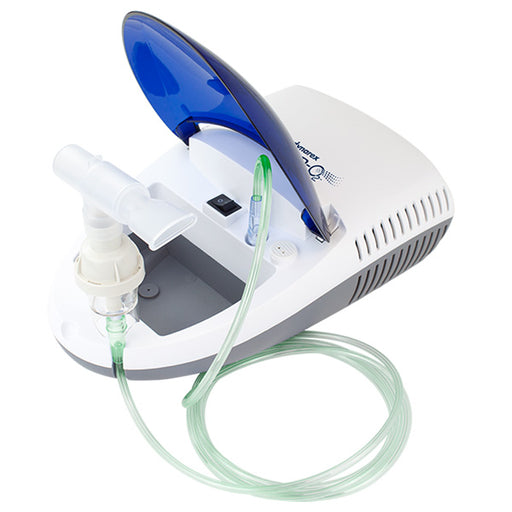 Sale 32%
Original price $ 49.95Current price $ 33.95
Sale 32%
Original price $ 49.95Current price $ 33.95Elite Nebulizer Machine with Mask & Mouthpiece Included
22 reviewsDynarex Elite Nebulizer Machine is used for the treatment of: bronchial asthma, acute bronchitis, emphysema, cystic fibrosis, COPD, tracheitis, pul...
View full details -
 Sale 35%
Original price $ 49.99Current price $ 32.50
Sale 35%
Original price $ 49.99Current price $ 32.50Nebulizer Unit, Power Neb Ultra with Disposable Neb Kit
2 reviewsPower Neb Ultra Nebulizer with Disposable Neb Kit & Pediatric Mask. A competitive edge price point for providers as one of the smallest compre...
View full details -
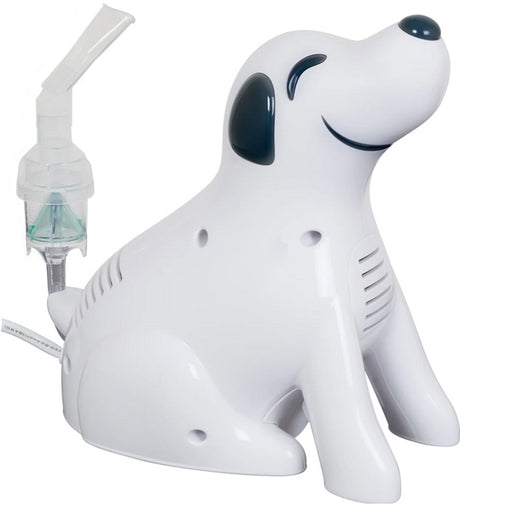 Sale 26%
Original price $ 65.95Current price $ 48.95
Sale 26%
Original price $ 65.95Current price $ 48.95Digger Dog Pediatric Nebulizer Machine with Treatment Supplies
1 reviewDigger Dog Pediatric Nebulizer is designed to make nebulizer treatments more kid-friendly. This nebulizer includes compressor, nebulizer, dog house...
View full details -
 Sale 17%
Original price $ 47.95Current price $ 39.95
Sale 17%
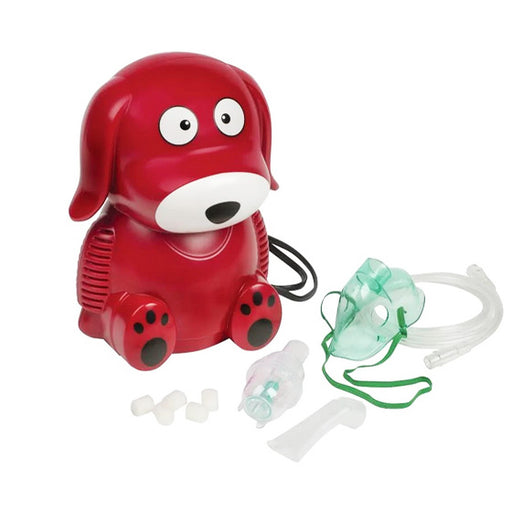
Original price $ 47.95Current price $ 39.95Pete the Dog Pediatric Nebulizer Machine Compressor for Asthma and COPD Treatments
No reviewsPete the Dog Pediatric Nebulizer Machine Compressor is a medical device used for administering medication through inhaled mist to treat asthma and ...
View full details -
 Sale 45%
Original price $ 59.95Current price $ 33.00
Sale 45%
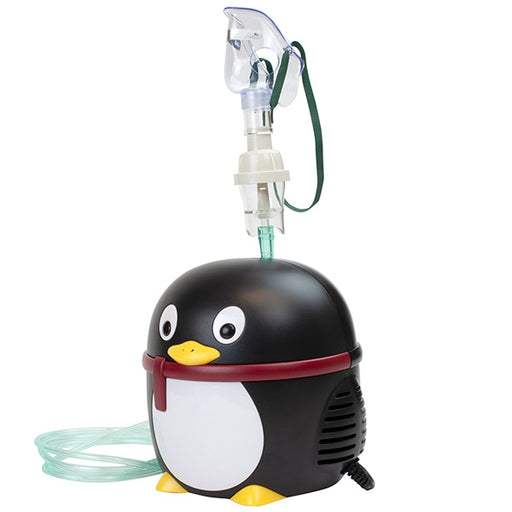
Original price $ 59.95Current price $ 33.00Penguin Pediatric Nebulizer Machine Compressor with Mask and Tubing
No reviewsPenguin Pediatric Nebulizer Machine Compressor with Mask and Tubing is a medical device used to convert liquid medication into a mist that can be i...
View full details -
 Sale 35%
Original price $ 98.71Current price $ 64.00
Sale 35%
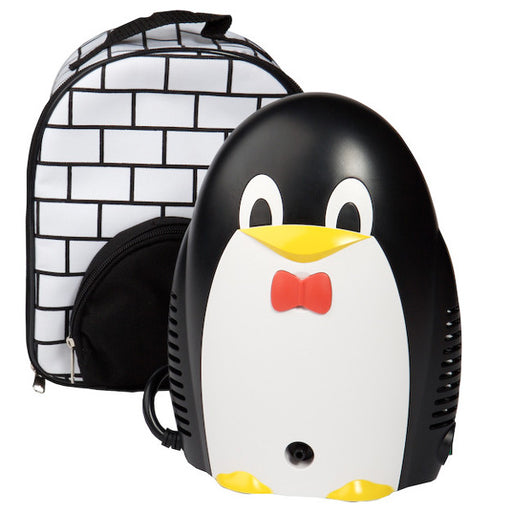
Original price $ 98.71Current price $ 64.00Penguin Pediatric Nebulizer Machine with Neb Kit, Mouthpiece, Mask Tubing and Carry Bag
1 reviewPediatric Penguin Nebulizer is a safe and fun pediatric nebulizer machine compressor used to deliver liquid mist medication for asthma nebulizer tr...
View full details -
 Sale 43%
Original price $ 69.95Current price $ 39.95
Sale 43%
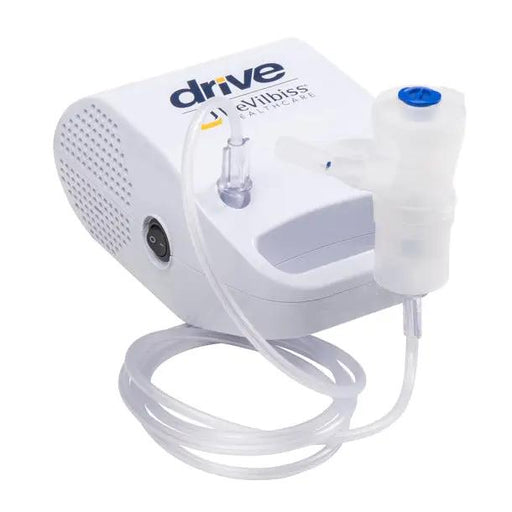
Original price $ 69.95Current price $ 39.95Compact Compressor Nebulizer with Reusable Jet Neb
1 reviewPiston powered nebulizer machine for respiratory treatments. The Compact Compressor Nebulizer provides shorter treatment times and quiet operation....
View full details -
 Sale 18%
Original price $ 39.95Current price $ 32.60
Sale 18%
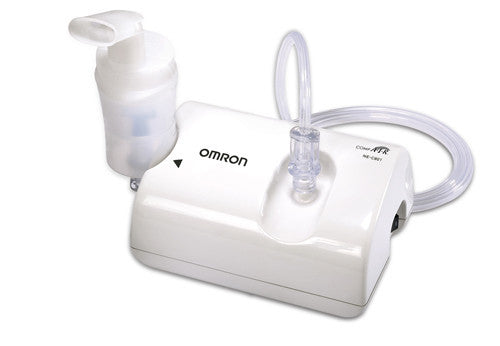
Original price $ 39.95Current price $ 32.60Omron Comp-Air XLT Compressor Nebulizer
2 reviewsThe Omron Comp-Air Compressor Nebulizer is a piston-powered treatment machine designed for patients experiencing asthma, COPD and other respiratory...
View full details -
 Sale 33%
Original price $ 100.77Current price $ 67.50
Sale 33%
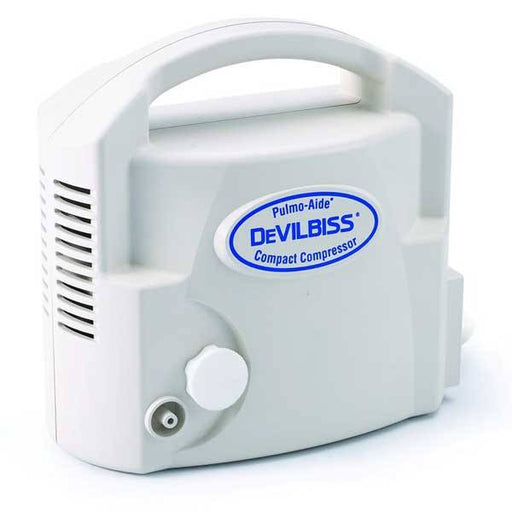
Original price $ 100.77Current price $ 67.50DeVilbiss Pulmo-Aide Compact Nebulizer Machine 3655D
3 reviewsDeVilbiss Pulmo-Aide Compact Nebulizer Machine 3655D Compressor is a small and lightweight, yet high effective nebulizer. Only 5 lbs, this nebulize...
View full details -
 Sale 19%
Original price $ 169.98Current price $ 138.00
Sale 19%
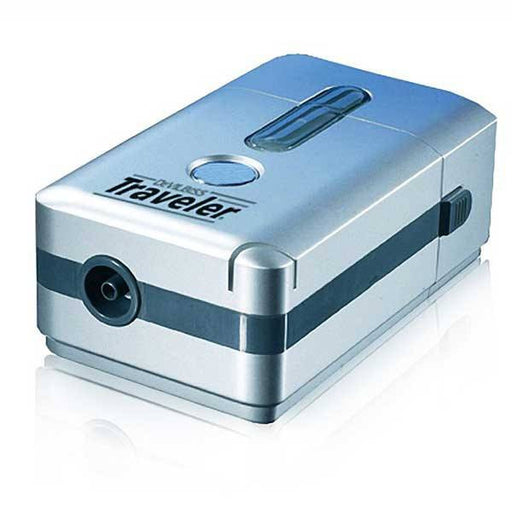
Original price $ 169.98Current price $ 138.00Traveler Portable Nebulizer Machine Compressor System with Battery
3 reviewsTraveler Portable Nebulizer Machine Compressor System with Battery is designed to help active customers get more out of their aerosol therapy, and ...
View full details -
 Sale 36%
Original price $ 264.46Current price $ 168.50
Sale 36%
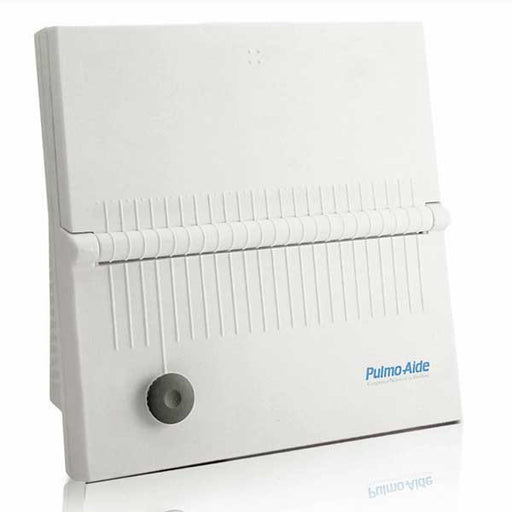
Original price $ 264.46Current price $ 168.50Pulmo-Aide Compressor Nebulizer Machine System with Neb Kit
1 reviewPulmo-Aide Compressor Nebulizer Machine System is the only nebulizer machine compressor approved for use with TOBI (Tobramycin) solution for inhala...
View full details -
 Sale 37%
Original price $ 107.58Current price $ 68.00
Sale 37%
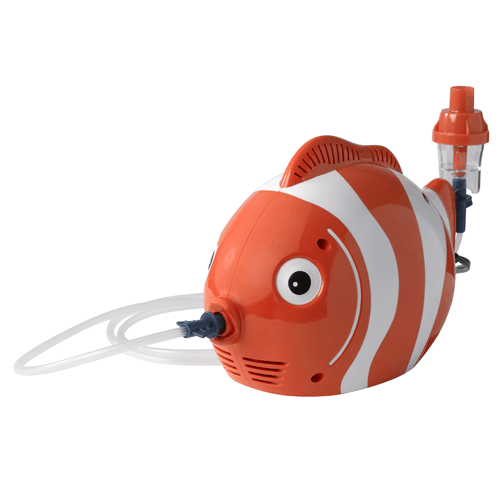
Original price $ 107.58Current price $ 68.00Pediatric Nebulizer Machine with Neb Kit, Mouthpiece, Mask Tubing and Carry Bag
2 reviewsPediatric Fish Compressor Nebulizer is a great way for your kids to take their treatments. It is dishwasher safe and comes with everything you need...
View full details -
 Sale 30%
Original price $ 92.88Current price $ 65.00
Sale 30%
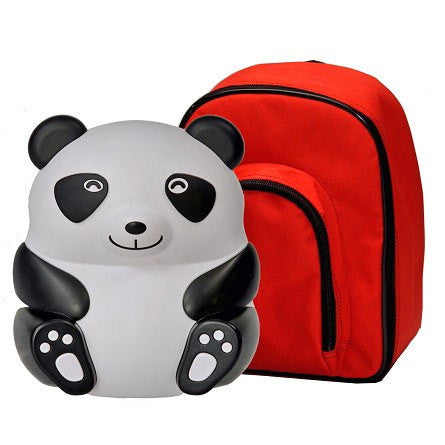
Original price $ 92.88Current price $ 65.00Pediatric Panda Bear Nebulizer Machine
No reviewsPanda Bear Pediatric Nebulizer Machine is a child-friendly nebulizer compressor that children love. This pediatric nebulizer comes with the compres...
View full details -
 Sale 11%
Original price $ 26.89Current price $ 23.95
Sale 11%
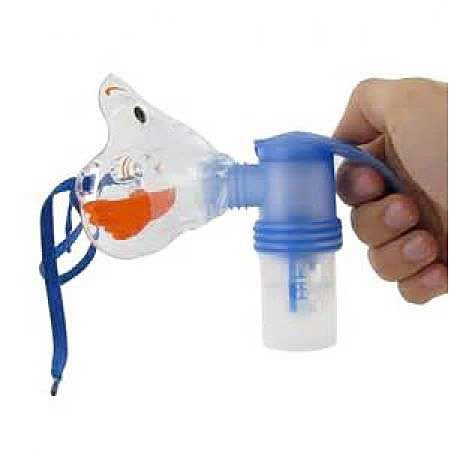
Original price $ 26.89Current price $ 23.95Pari LC Plus Reusable Nebulizer Set with Pediatric Mask and Tubing
No reviewsPari 22F63 Respiratory LC® Plus Reusable Nebulizer Set with Pediatric Bubbles the fish II pediatric aerosol mask makes treatments fun and minimizes...
View full details -
 Sale
$ 9.99
Sale
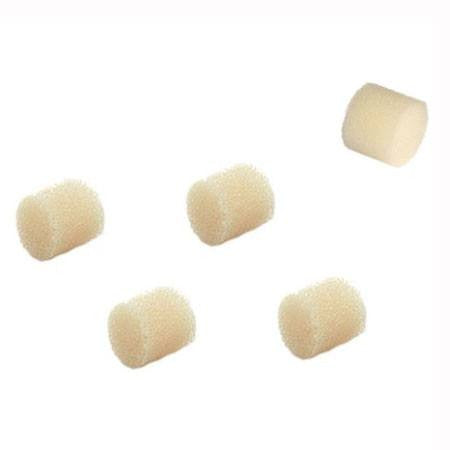
$ 9.99Replacement Filters for Drive Nebulizer Machine MQ5600 & MQ5800 10/Pk
25 reviewsReplacement Filters for Drive Nebulizer Machine MQ5600 & MQ5800. Five-pack of replacement bacteria filters used to remove air particle from get...
View full details -
 Sale
$ 9.99
Sale
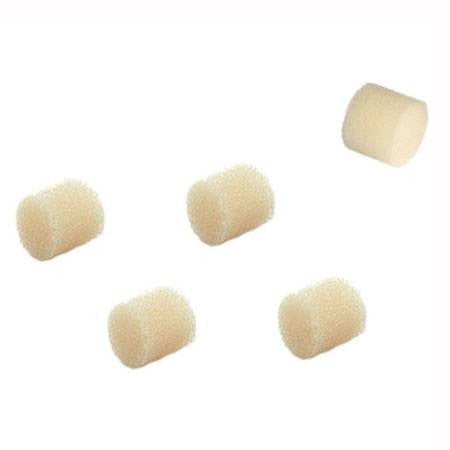
$ 9.99Replacement Filters for Dynarex Nebulizer Machines, 10/Pack
25 reviewsReplacement Filters for Dynarex Portable Nebulizer replacement filters used to remove air particle from the air before inhalation. Five-pack of rep...
View full details -
 Sale 34%
Original price $ 49.95Current price $ 33.00
Sale 34%
Original price $ 49.95Current price $ 33.00Nebulizer Machine with Infant & Child Mask, Mouthpiece and 5 Filters, My Doggy
1 reviewGive your child effective and stress-free respiratory care with the My Doggy Kids Nebulizer Machine by Dynarex! Specially designed in a fun, kid-fr...
View full details -
 Sale 28%
Original price $ 67.95Current price $ 48.95
Sale 28%
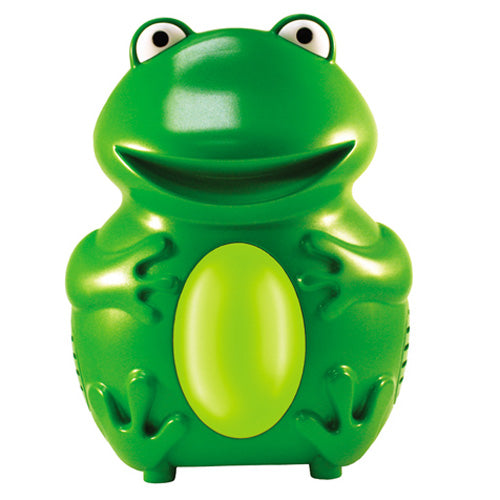
Original price $ 67.95Current price $ 48.95Frog Pediatric Nebulizer Machine with Mask and Tubing Included
No reviewsFrog Pediatric nebulizer machine with mask and tubing included is a medical device used for delivering medication directly into the respiratory sys...
View full details -
 Sale 26%
Original price $ 67.95Current price $ 49.95
Sale 26%
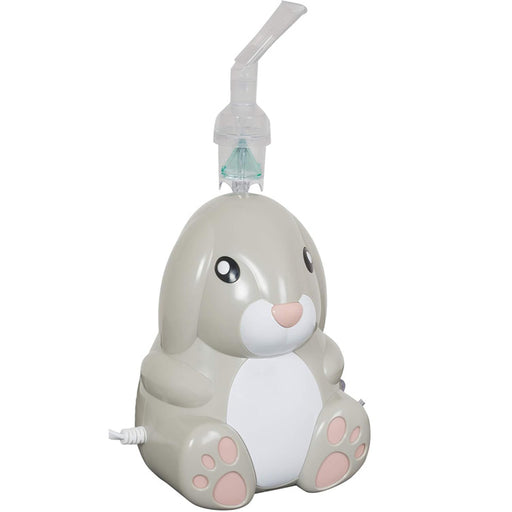
Original price $ 67.95Current price $ 49.95Bunny Pediatric Nebulizer Machine with Mask, Tubing and Carrying Bag
No reviewsBunny Pediatric Nebulizer Machine is a medical device used to administer medication directly to the lungs of infants and young children. The machin...
View full details


People Also Searched For
Nebulizer Machines
A nebulizer is a device that converts liquid medication into a fine mist for inhalation, delivering drugs directly into the lungs. It’s commonly used in conditions like asthma, COPD, cystic fibrosis or bronchiectasis to open airways or reduce inflammation. Because you simply breathe normally through a mask or mouthpiece, nebulizers can be easier for young children or very ill patients to use (for example, during a severe asthma attack when inhalers are hard to coordinate).
Types of Nebulizers
There are three main types of nebulizer machines:
- Jet (compressor) nebulizers: These use compressed air to turn the liquid medicine into a mist. A tabletop compressor unit pushes air through tubing into the medicine cup. This is the most common type for home use.
- Ultrasonic nebulizers: These use high-frequency vibrations to atomize the medicine. They tend to run quietly and quickly, but can be more expensive. (They also produce slightly larger droplets.)
- Mesh nebulizers: These push liquid medication through a fine mesh or membrane to create the mist. Mesh units are often very portable (battery-powered) and efficient, but the devices can cost more.
(Some medications may require a specific type of nebulizer, so your provider will prescribe a compatible machine. In choosing a nebulizer, consider factors like ease of use, noise level, cost, and portability. Some child-friendly nebulizers even come in fun shapes or colors to make treatment less intimidating.)
Uses and Benefits
Nebulizers are typically used in respiratory diseases to deliver medication directly into the lungs. Common indications include asthma, COPD, cystic fibrosis, and bronchiectasis. They are especially useful when a person has trouble using a handheld inhaler properly. For example, during acute asthma episodes or with very young children and elderly patients, a nebulizer ensures the full dose of medicine is inhaled over several minutes. Typical nebulized medications include bronchodilators (like albuterol or ipratropium) and inhaled steroids, which can provide quick relief of wheezing and shortness of breath by relaxing the airways.
How to Use a Nebulizer
The exact steps can vary by model, but general guidelines are:
- Prepare the device: Wash your hands thoroughly. Assemble the nebulizer by connecting the air hose to the compressor (if using a tabletop unit). Pour the prescribed liquid medication into the nebulizer cup (some treatments may require diluting with saline); close the cup securely). Attach the mouthpiece or mask to the cup.
- Begin treatment: Turn on the machine. Place the mouthpiece between your teeth and seal your lips around it. If using a mask, fit it snugly over your nose and mouth. Sit up straight and breathe normally through your mouth. You should feel the cool mist. Continue inhaling the mist for the entire treatment – typically 5–20 minutes – until the medicine is gone. Take occasional slow, deep breaths, holding each view for a couple of seconds, to help the medicine settle deep in your airways.
- Finish and clean: Once the mist stops (all medication is used), turn off the nebulizer. Unplug and then disconnect the tubing and remove the cup and mouthpiece/mask. Rinse the cup and mouthpiece under warm running water immediately after use. Shake off excess water and let the parts air-dry. (MedlinePlus advises running the machine dry – e.g. running air through it for ~20 seconds – to clear out moisture.)
Cleaning and Maintenance
Cleaning after each use is essential. A dirty nebulizer can harbor bacteria and cause lung infections. Follow these steps after every treatment:
- Detach the medicine cup, mouthpiece, and mask from the tubing. Wash them with warm water and a few drops of mild liquid soap. Rinse thoroughly under running water.
- Shake off extra water and set parts on a clean towel or paper towels to air-dry. Do not use a dishwasher.
- Once dry, store parts in a clean, dry place (some recommend a sealed bag or container). Avoid exposing the machine to dust or heavy moisture.
- Daily cleaning upgrades: In addition to rinsing, at least once per day wash the parts with a mild soapy rinse and rinse again. Ensure every part is completely dry before reassembling (MedlinePlus notes running air through for 20 seconds to dry internal parts). Replace any disposable filters or components per the manufacturer’s schedule.
By doing this, you prevent clogging of the mist holes and eliminate germs (Philips notes that clogging can reduce drug delivery and lack of cleaning can lead to infection). Never share your mouthpiece or mask with anyone else. Always follow the cleaning instructions provided with your device.
Precautions and Side Effects
The nebulizer device itself is generally safe when used properly. The main “side effects” are due to the medication being inhaled. For example, bronchodilators can sometimes cause jitteriness or a fast heart rate; inhaled steroids may cause throat irritation or oral thrush (so you might rinse your mouth after treatment). If you feel dizzy or lightheaded during treatment, pause and breathe normally until it passes. If you have a history of heart or eye problems, organ failure, or significant edema, discuss nebulizer use with your doctor, as rapid fluid shifts or medications can affect these conditions.
Always use the exact medication and dose prescribed. Do not add unapproved substances to the nebulizer. If your doctor instructed you on a specific drug dilution (for example, mixed with saline), follow those directions. Inform your healthcare provider of all other medications you take (e.g. diuretics, heart drugs) to avoid interactions.
Important: Double-check your neb kit before each use – ensure the cup is tight (no leaks), tubing isn’t kinked, and the mask/mouthpiece is clean and intact. If the machine seems excessively noisy, sputters, or the mist output changes, it may need servicing. Always turn off and unplug before cleaning.
Summary
Nebulizer machines are medical devices that turn liquid medications into an inhalable mist, bypassing the need for an inhaler in many cases. They come in jet, ultrasonic, and mesh varieties, each with pros/cons (noise, portability, cost). They are especially useful for delivering asthma, COPD and other lung medications when deep, measured breaths are needed. Proper use (sealing around the mouthpiece, breathing slowly, finishing the full dose) is key. Rigorous cleaning after each use is mandatory to prevent infection. When used according to instructions and your doctor’s guidance, a nebulizer can safely and effectively manage chronic respiratory conditions by ensuring the medicine goes right where it’s needed most.