
Filters
Pneumonia Medications & Pneumonia Treatments to doctor-only
Pneumonia Medications
Pneumonia – an infection of the lungs – can be caused by bacteria, viruses, or fungi. Treatment always targets the underlying cause: bacterial pneumonia is treated with antibiotics, viral pneumonia with antiviral drugs (where available), and fungal pneumonia with antifungal agents. In addition, doctors use supportive medications to relieve symptoms (fever, cough, inflammation). The exact regimen depends on the patient’s age, health, and pneumonia severity.
Antibiotics (for bacterial pneumonia)
If pneumonia is bacterial, antibiotics are the mainstay of therapy. For example, community-acquired pneumonia in the outpatient setting is often treated empirically with a penicillin-derived antibiotic or macrolide: amoxicillin is a preferred first-line choice, and azithromycin or clarithromycin (macrolides) are recommended if the patient is penicillin-allergic. Doxycycline is another option for mild cases. In hospitalized patients (moderate-to-severe pneumonia), doctors typically use broad-spectrum IV antibiotics – for instance, ceftriaxone combined with a macrolide or a respiratory fluoroquinolone (levofloxacin/moxifloxacin) – to cover common pathogens like Streptococcus pneumoniae, Haemophilus influenzae, and atypical bacteria. If pneumonia is hospital-acquired or ventilator-associated, even broader coverage (piperacillin-tazobactam, cefepime, carbapenems, and vancomycin for MRSA) may be needed. Importantly, patients must complete the full course of prescribed antibiotics to fully eradicate the infection.
Antiviral Drugs (for viral pneumonia)
If pneumonia is caused by a virus, specific antiviral medications can be used when available. For example, influenza pneumonia is treated with neuraminidase inhibitors: oseltamivir is the standard drug, and guidelines recommend starting it as soon as possible in hospitalized flu cases. (Other options include zanamivir, peramivir, or newer agents like baloxavir where indicated.) During flu season or a co-infection scenario (flu + SARS-CoV-2), doctors often treat empirically with oseltamivir while awaiting test results. For COVID-19 pneumonia, antiviral therapies have included remdesivir and nirmatrelvir/ritonavir (Paxlovid). Both remdesivir and Paxlovid earned FDA approval for COVID-19 treatment, and they are used in patients at risk of progression to severe disease. In severe viral pneumonia (flu or COVID-19), adjunctive treatments also include corticosteroids like dexamethasone to reduce lung inflammation, as recommended by evidence and guidelines for severe cases (especially in COVID-19 and other critical illnesses).
Antifungals and Other Agents
Rarely, pneumonia may be due to fungal organisms; treatment then requires antifungal drugs. For example, Pneumocystis jirovecii pneumonia (PCP) – a fungal pneumonia seen in HIV/AIDS or immunosuppressed patients – is treated with high-dose trimethoprim-sulfamethoxazole (TMP-SMX). (TMP-SMX is considered first-line therapy for PCP. Other fungal pneumonias (e.g. histoplasmosis, coccidioidomycosis) use antifungal agents like itraconazole, fluconazole, or amphotericin B, depending on severity. If the pneumonia is due to an atypical bacterial pathogen (like Mycoplasma or Chlamydia), appropriate antibiotics (macrolides or tetracyclines) are used. In very severe pneumonia or complicated cases, doctors may add oral corticosteroids to modulate inflammation and improve outcomes.
Symptomatic and Supportive Medications
In addition to infection-targeted drugs, symptomatic relief is important. Over-the-counter analgesics/antipyretics (acetaminophen, ibuprofen) are commonly used to reduce fever and alleviate aches. Cough medicines may be given for comfort (though cough also helps clear the lungs). Doctors often instruct patients to stay well-hydrated and use a humidifier or saline sprays to soothe airways. If wheezing or bronchospasm occurs, inhaled bronchodilators (e.g. albuterol) can help open airways. In hospitalized or severe cases, additional support – like supplemental oxygen, IV fluids, or even mechanical ventilation – supports breathing, though these are supportive measures rather than “medications” per se.
-
 Sale 33%
Original price $ 45.00Current price $ 29.95
Sale 33%
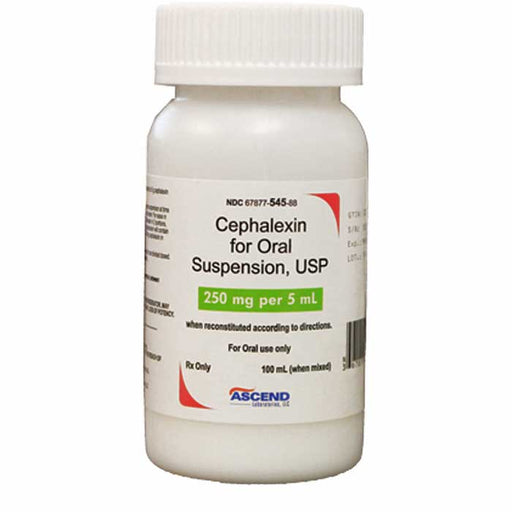
Original price $ 45.00Current price $ 29.95Cephalexin Oral Solution 250 mg/ 5 mL Antibiotic Medicine 100 mL by Ascend (RX)
Powerful Pediatric and Adult Infection Treatment Treat bacterial infections quickly and effectively with Cephalexin Oral Solution 250 mg/5 mL, 100 ...
View full details🔒 Medical License Required -
 Sale 31%
Original price $ 57.95Current price $ 39.95
Sale 31%
Original price $ 57.95Current price $ 39.95Cephalexin Monohydrate Oral Solution 250 mg/mL, Mixed Berry Flavor (RX)
Cephalexin Monohydrate Oral Solution is an antibiotic used to treat bacterial infections in various parts of the body. It is particularly effective...
View full details🔒 Medical License Required -
 Sale 34%
Original price $ 27.95Current price $ 18.50
Sale 34%
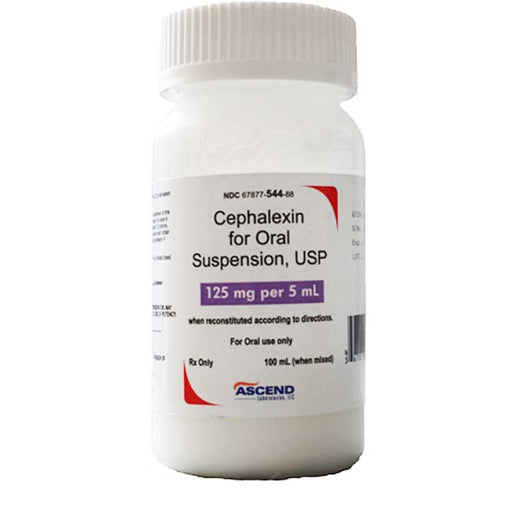
Original price $ 27.95Current price $ 18.50Cephalexin Oral Solution 125 mg/ 5 mL Antibiotic Medicine 100 mL by Ascend (RX)
1 reviewCephalexin Monohydrate Oral Solution 150 mg per 5 mL is a liquid medication containing the active ingredient cephalexin monohydrate, which belongs ...
View full details🔒 Medical License Required -
 Sale 57%
Original price $ 34.95Current price $ 15.00
Sale 57%
Original price $ 34.95Current price $ 15.00Cephalexin 500mg Capsules 100 Count (Rx)
Cephalexin 500mg Capsules are a prescription oral antibiotic medication used to treat a wide range of bacterial infections. Cephalexin belongs to t...
View full details🔒 Medical License Required


Pneumonia Medications
Pneumonia – an infection of the lungs – can be caused by bacteria, viruses, or fungi. Treatment always targets the underlying cause: bacterial pneumonia is treated with antibiotics, viral pneumonia with antiviral drugs (where available), and fungal pneumonia with antifungal agents. In addition, doctors use supportive medications to relieve symptoms (fever, cough, inflammation). The exact regimen depends on the patient’s age, health, and pneumonia severity.
Antibiotics (for bacterial pneumonia)
If pneumonia is bacterial, antibiotics are the mainstay of therapy. For example, community-acquired pneumonia in the outpatient setting is often treated empirically with a penicillin-derived antibiotic or macrolide: amoxicillin is a preferred first-line choice, and azithromycin or clarithromycin (macrolides) are recommended if the patient is penicillin-allergic. Doxycycline is another option for mild cases. In hospitalized patients (moderate-to-severe pneumonia), doctors typically use broad-spectrum IV antibiotics – for instance, ceftriaxone combined with a macrolide or a respiratory fluoroquinolone (levofloxacin/moxifloxacin) – to cover common pathogens like Streptococcus pneumoniae, Haemophilus influenzae, and atypical bacteria. If pneumonia is hospital-acquired or ventilator-associated, even broader coverage (piperacillin-tazobactam, cefepime, carbapenems, and vancomycin for MRSA) may be needed. Importantly, patients must complete the full course of prescribed antibiotics to fully eradicate the infection.
Antiviral Drugs (for viral pneumonia)
If pneumonia is caused by a virus, specific antiviral medications can be used when available. For example, influenza pneumonia is treated with neuraminidase inhibitors: oseltamivir is the standard drug, and guidelines recommend starting it as soon as possible in hospitalized flu cases. (Other options include zanamivir, peramivir, or newer agents like baloxavir where indicated.) During flu season or a co-infection scenario (flu + SARS-CoV-2), doctors often treat empirically with oseltamivir while awaiting test results. For COVID-19 pneumonia, antiviral therapies have included remdesivir and nirmatrelvir/ritonavir (Paxlovid). Both remdesivir and Paxlovid earned FDA approval for COVID-19 treatment, and they are used in patients at risk of progression to severe disease. In severe viral pneumonia (flu or COVID-19), adjunctive treatments also include corticosteroids like dexamethasone to reduce lung inflammation, as recommended by evidence and guidelines for severe cases (especially in COVID-19 and other critical illnesses).
Antifungals and Other Agents
Rarely, pneumonia may be due to fungal organisms; treatment then requires antifungal drugs. For example, Pneumocystis jirovecii pneumonia (PCP) – a fungal pneumonia seen in HIV/AIDS or immunosuppressed patients – is treated with high-dose trimethoprim-sulfamethoxazole (TMP-SMX). (TMP-SMX is considered first-line therapy for PCP. Other fungal pneumonias (e.g. histoplasmosis, coccidioidomycosis) use antifungal agents like itraconazole, fluconazole, or amphotericin B, depending on severity. If the pneumonia is due to an atypical bacterial pathogen (like Mycoplasma or Chlamydia), appropriate antibiotics (macrolides or tetracyclines) are used. In very severe pneumonia or complicated cases, doctors may add oral corticosteroids to modulate inflammation and improve outcomes.
Symptomatic and Supportive Medications
In addition to infection-targeted drugs, symptomatic relief is important. Over-the-counter analgesics/antipyretics (acetaminophen, ibuprofen) are commonly used to reduce fever and alleviate aches. Cough medicines may be given for comfort (though cough also helps clear the lungs). Doctors often instruct patients to stay well-hydrated and use a humidifier or saline sprays to soothe airways. If wheezing or bronchospasm occurs, inhaled bronchodilators (e.g. albuterol) can help open airways. In hospitalized or severe cases, additional support – like supplemental oxygen, IV fluids, or even mechanical ventilation – supports breathing, though these are supportive measures rather than “medications” per se.