Skin Prep Pads
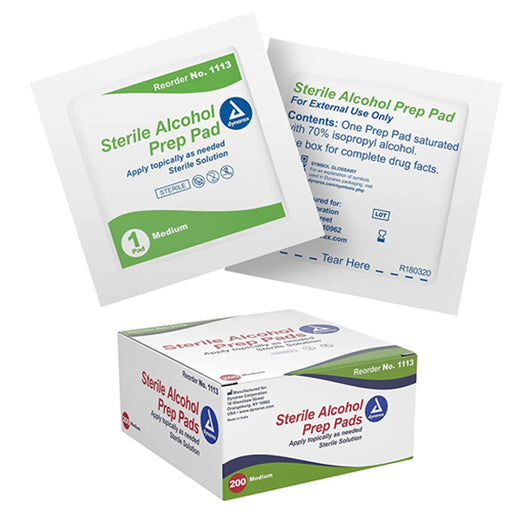
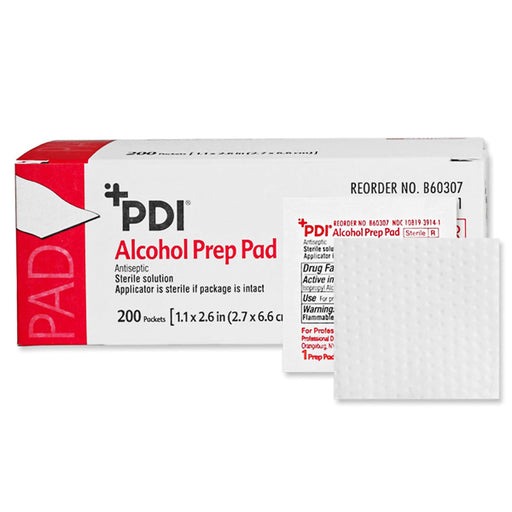
Skin prep pads are sterile, single-use antiseptic wipes or pads used to clean and protect intact skin before medical procedures. They are typically saturated with an antiseptic solution (most often 60–70% isopropyl alcohol) or a similar disinfectant. When applied, the pad wipes away oils and bacteria and leaves a thin film on the skin. Some skin prep pads are formulated to create a protective barrier film (often alcohol- or polymer-based) that shields the skin when adhesives (tapes, bandages, ostomy appliances, electrodes, etc.) are applied. In short, skin prep pads reduce infection risk and improve adhesive adherence by preparing and protecting the skin.
Skin prep products come in several forms. The most common are alcohol prep pads – cotton or nonwoven pads saturated with 60–70% isopropyl (or ethanol) alcohol for disinfection. Others contain chlorhexidine, povidone-iodine, or benzalkonium chloride for antisepsis. There are also “no-sting” or alcohol-free barrier wipes (often silicone- or polymer-based, e.g. 3M Cavilon or Smith & Nephew Skin-Prep) that form a transparent film on the skin without the sting of alcohol. In all cases, each pad is individually packaged and intended for one-time use to ensure sterility.
Uses of Skin Prep Pads
Skin prep pads have two main purposes:
-
Injection and woundsite disinfection. Before injections, blood draws, catheter insertions, IV placements, or minor skin procedures, skin prep pads wipe away microbes from the skin surface. For example, health authorities recommend swabbing the cleaned site (usually the inner arm, hand, leg or abdomen) with a 60–70% alcohol prep pad for about 30 seconds and then letting the skin air-dry. This kills or removes most surface bacteria and helps prevent bloodstream infections. (The WHO and many medical guidelines still advise this antiseptic prep for routine injections.)
-
Protective barrier for adhesives and devices. When applying medical tape, dressings, ostomy pouches, electrodes, or infusion catheters, skin prep pads can form a thin protective film that shields the skin from irritation and improves adhesion. For example, “Skin-Prep” barrier wipes (Smith & Nephew) or chlorhexidine/alcohol pads can be applied around a wound or stoma site. The dry film (often invisible) helps the tape or appliance stick more securely and longer, while reducing pain and injury when the adhesive is later removed. In short, one application of a barrier prep pad “preps” the skin – it forms a waterproof, breathable film that protects fragile skin from friction, moisture, and tape-related damage.
Mountainside Medical summarizes these roles concisely: “Skin prep pads are essential medical supplies used in wound care, ostomy care, and surgical procedures to create a protective barrier, prevent skin irritation, and reduce infection risk...they ensure better adhesion of dressings, tapes, and ostomy appliances—keeping skin healthy, clean, and protected.”. In practice, a kit might include alcohol prep pads for cleansing injection sites and barrier prep pads (film-forming wipes) for tape-prone or stoma areas.
How to Use Skin Prep Pads
To use a skin prep pad effectively and safely:
-
Clean and dry the skin first. Wash the area with soap and water or wipe away any blood, sweat, or lotion. Pat the skin dry. (Many pre-packaged pads assume the skin is already clean. If it’s visibly dirty, clean with soap/water first.)
-
Apply the pad to the site. Open the sterile packet and gently wipe the pad over the target skin area. For disinfection, use firm circular strokes from the center outward, covering the entire site. For barrier pads, apply an even thin coat exactly where tape or dressing will go.
-
Allow it to dry completely (≈30–60 seconds). Let the alcohol or film agent air-dry until the skin feels just barely damp or matte. (Do not blow on it or wipe it off; that reduces effectiveness.) Drying time is important: for antiseptic pads, WHO advises swabbing for ~30 seconds then letting the alcohol evaporate fully. For barrier pads, wait until the film is no longer shiny or sticky (often about 30–60 seconds).
-
Apply dressings or proceed with the procedure. Once dry, you may draw blood, give an injection, place an IV, or affix tape/dressings over that spot. The skin will be disinfected or have the protective film.
-
Hold skin folds if needed. If prepping a site in a skin crease or folded area, gently pull the skin taut before the pad dries; this ensures an even coating and prevents skin from sticking to itself.
In summary, the steps are:
-
Clean and dry the skin completely.
-
Wipe the area with the skin prep pad (use a swirling motion from center outward).
-
Allow to dry for at least 30 seconds (or until no tackiness remains).
-
Cover with adhesive or perform injection after drying.
These usage instructions closely follow WHO recommendations and manufacturer guidelines. Many sources note that one should never rush the drying step, since applying a needle or tape to wet skin greatly reduces the antiseptic or adhesive effect.
Precautions and When Not to Use
-
Intact skin only. Skin prep pads are for use on unbroken skin. They should not be used on open wounds, deep cuts, burns, or actively infected skin (unless a healthcare provider directs it). Using them on broken skin can delay healing or introduce irritants.
-
Allergies/sensitivities. Check for any allergy to ingredients (e.g. isopropyl alcohol, chlorhexidine, povidone, etc.). If alcohol stings too much (common in infants or very sensitive skin), use an “alcohol-free” or low-alcohol formulation.
-
Avoid inhalation/eyes. Use in well-ventilated area (alcohol fumes can be strong). Keep the pad away from eyes and mucous membranes.
-
No flames. Allow skin to fully dry before bringing it near open flame or heat (alcohol fumes are flammable).
-
Vaccination note: Some debate exists about alcohol swabbing before routine vaccinations. (Recent studies for vaccines found no clear difference in infection rates whether alcohol was used or not.) However, WHO still recommends standard alcohol prep before injections. In any case, if alcohol leads to significant discomfort or rash at prior shots, discuss an alternative with a provider.
Key Benefits
-
Infection prevention. Proper antisepsis of an injection or IV site is a fundamental infection-control step.
-
Better adhesion. A thin barrier film helps tapes and dressings stick better and stay on longer, reducing leaks and repeated applications.
-
Skin protection. By forming a film under adhesives, skin prep pads greatly reduce “skin stripping,” blistering or irritation when tape is removed. This is especially important for fragile elderly or ostomy patients. Mountainside Medical notes that skin-prep preserves skin integrity and comfort by preventing adhesive injuries.
-
Convenience and safety. Individually-packaged pads are easy to use anywhere (clinics, at home, emergency settings) and eliminate cross-contamination. They are a low-cost, high-impact safety measure in injections and wound care..
In short, a skin prep pad is simply a pre-saturated antiseptic wipe or barrier wipe used to ready the skin before procedures. When used correctly—cleaning the site and allowing it to dry—it greatly reduces infection risk and skin trauma from adhesives. Always follow product instructions and clinical guidelines: apply to clean, intact skin, wipe thoroughly, and wait for it to dry before continuing. By forming a disinfected, protected surface, skin prep pads help ensure safer injections, dressings, and wound care.