 Skip to content







Filters
- International Medication Systems (2)
- Hospira (1)
- Bristol Myers Squibb (2)
- Eugia US (2)
- Glenmark Pharmaceuticals (1)
- Pfizer Injectables (4)
- Teva Pharmaceuticals (3)
- Amneal Pharmaceuticals (2)
- Lupin Pharma (1)
- Exela Pharma Sciences (1)
- Fresenius Kabi (2)
- Fresenius USA (1)
- Dr Reddys Laboratories (1)
- Sandoz Savage (1)
Filters
- International Medication Systems (2)
- Hospira (1)
- Bristol Myers Squibb (2)
- Eugia US (2)
- Glenmark Pharmaceuticals (1)
- Pfizer Injectables (4)
- Teva Pharmaceuticals (3)
- Amneal Pharmaceuticals (2)
- Lupin Pharma (1)
- Exela Pharma Sciences (1)
- Fresenius Kabi (2)
- Fresenius USA (1)
- Dr Reddys Laboratories (1)
- Sandoz Savage (1)
Prescription Medications & Prescription Drugs for doctor-only
-

 Sale 23%
🔒 Medical License Required
Sale 23%
🔒 Medical License Required
Promethazine DM Oral Solution 6.25 mg-15 mg/5 mL by Slate Run 437 mL (Rx)
23% OFFOriginal price $ 88.00Current price $ 68.00 -
 Sale 30%
🔒 Medical License Required
Sale 30%
🔒 Medical License Required
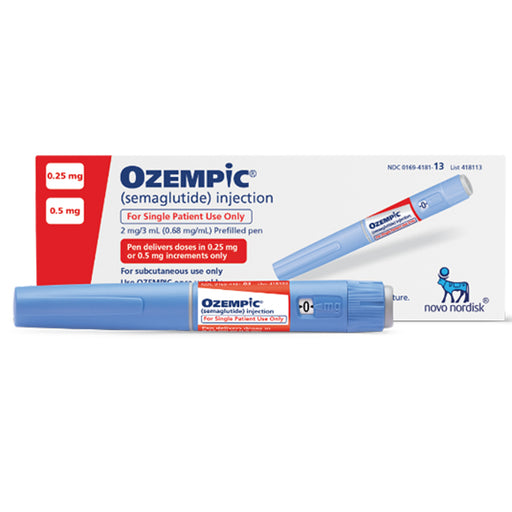
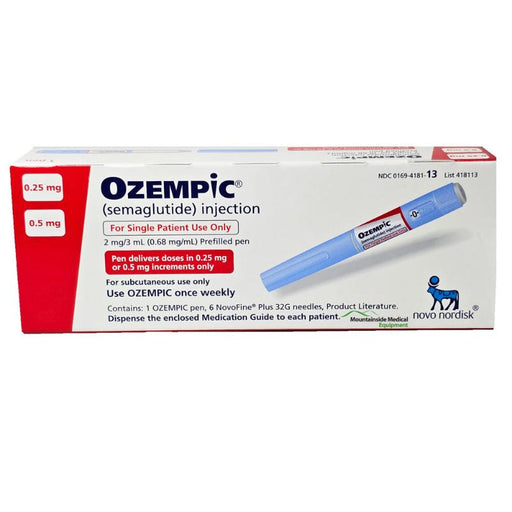
Ozempic (Semaglutide Injection) 0.25 mg or 0.5mg Pre-filled Pen 3mL **Refrigerated Item**
30% OFFOriginal price $ 1,999.95Current price $ 1,397.00 -

 Sale 30%
🔒 Medical License Required
Sale 30%
🔒 Medical License Required
Xylocaine Lidocaine 2% for Injection 2 mL Vials, Preservative Free, 25/Tray (Rx)
30% OFFOriginal price $ 149.95Current price $ 105.00 -
 Sale 34%
🔒 Medical License Required
Sale 34%
🔒 Medical License Required
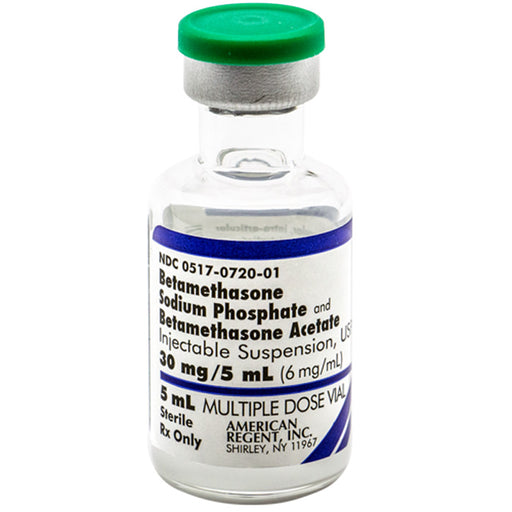
Betamethasone Injection Sodium Phosphate and Acetate Suspension Multiple Dose Vial 5 mL (Rx)
34% OFFOriginal price $ 179.95Current price $ 119.00 -
 Sale 31%
🔒 Medical License Required
Sale 31%
🔒 Medical License Required
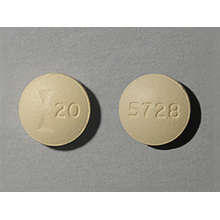
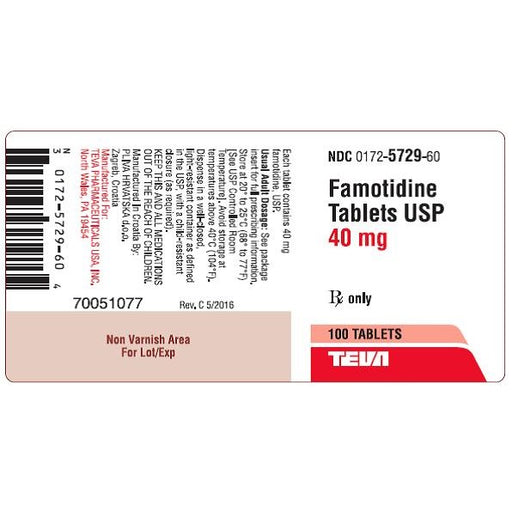
Famotidine 40 mg Acid Reducer Tablets 100 Count by Teva (RX)
31% OFFOriginal price $ 19.95Current price $ 13.75 -

 Sale 29%
🔒 Medical License Required
Sale 29%
🔒 Medical License Required
Amoxicillin 125 mg Chewable Tablets 100 Count by Teva (Rx)
29% OFFOriginal price $ 67.85Current price $ 47.95 -
 Sale 30%
🔒 Medical License Required
Sale 30%
🔒 Medical License Required

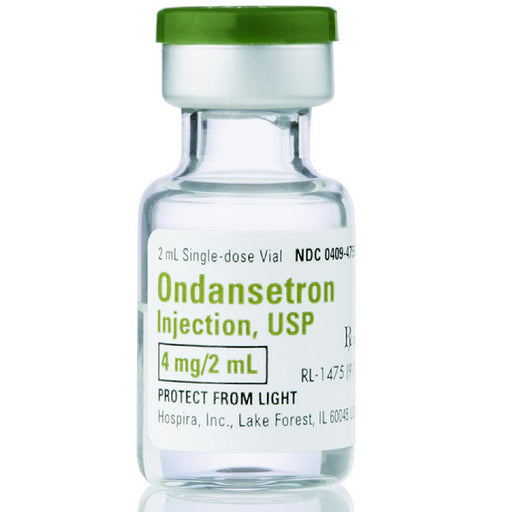
Ondansetron Injection 2/mg/mL Single-Dose Vial 2 mL, 25/Box by Pfizer (Rx)
30% OFFOriginal price $ 89.95Current price $ 62.95 -
 Sale 34%
🔒 Medical License Required
Sale 34%
🔒 Medical License Required
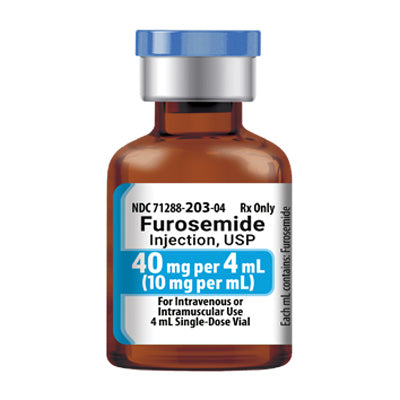
Furosemide Injection 40 mg Per 4 mL by Meitheal 4 mL x 25/Pack (RX)
34% OFFOriginal price $ 67.95Current price $ 45.00 -
 Sale 27%
🔒 Medical License Required
Sale 27%
🔒 Medical License Required
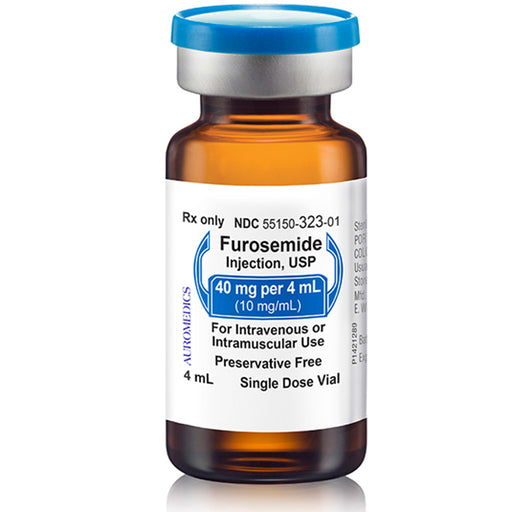
Furosemide for Injection 10mg/mL Single-Dose Vial 2mL, 25/tray (Rx)
27% OFFOriginal price $ 44.95Current price $ 32.98 -
 Sale 33%
🔒 Medical License Required
Sale 33%
🔒 Medical License Required
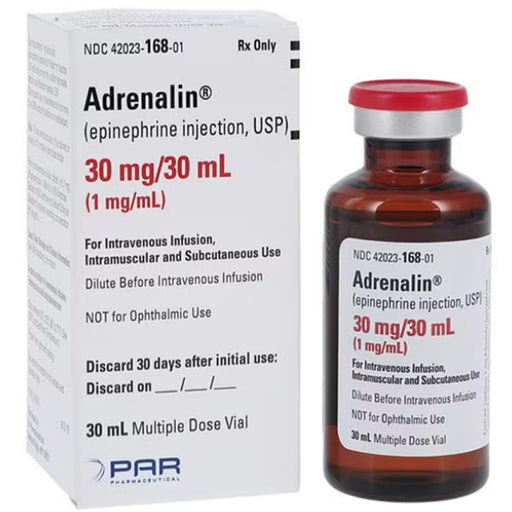
Adrenalin Epinephrine Injection Multiple-Dose Vial 30 mL (Rx)
33% OFFOriginal price $ 238.00Current price $ 160.00 -
 Sale 18%
🔒 Medical License Required
Sale 18%
🔒 Medical License Required
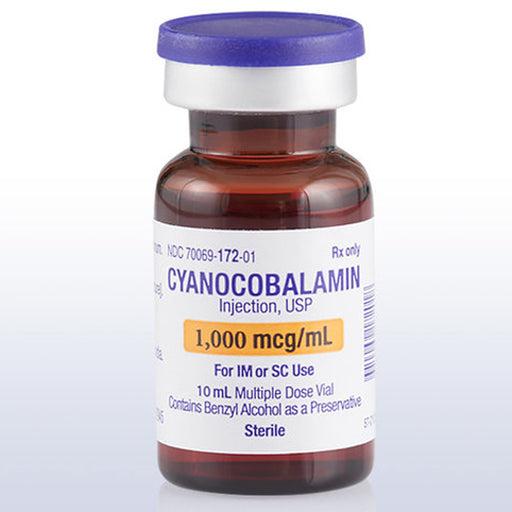
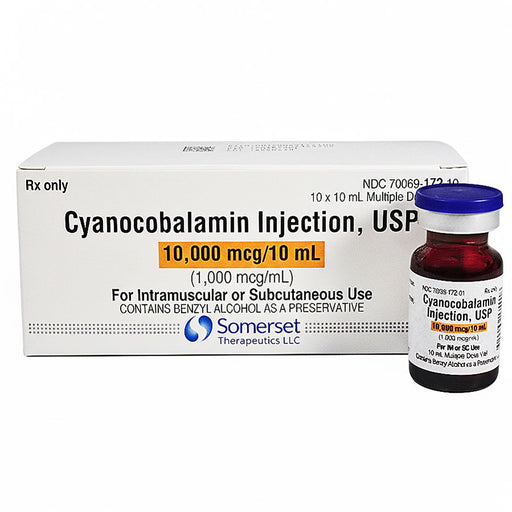
Vitamin B12 Cyanocobalamin injection 1000 mcg Multiple-Dose Vials 10 mL x 10/Box by Somerset (Rx)
18% OFFOriginal price $ 169.95Current price $ 139.00 -

 Sale 23%
🔒 Medical License Required
Sale 23%
🔒 Medical License Required
Cephalexin 500 mg Capsules 100 Per Bottle by Teva (RX)
23% OFFOriginal price $ 69.95Current price $ 53.95 -
 Sale 35%
🔒 Medical License Required
Sale 35%
🔒 Medical License Required
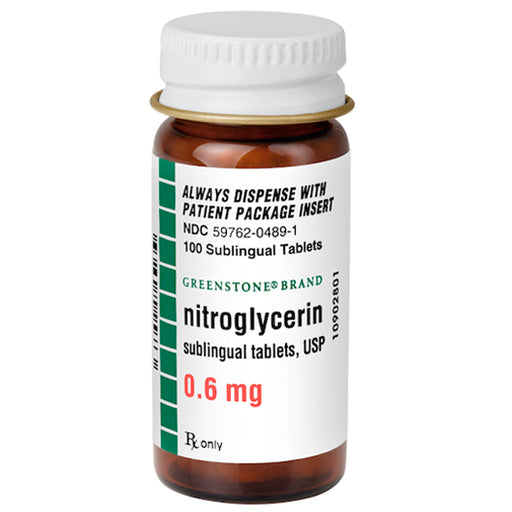
Nitroglycerin Sublingual Tablets 0.6 mg, 100 Count (Rx)
35% OFFOriginal price $ 54.95Current price $ 35.95 -

 Sale 38%
🔒 Medical License Required
Sale 38%
🔒 Medical License Required
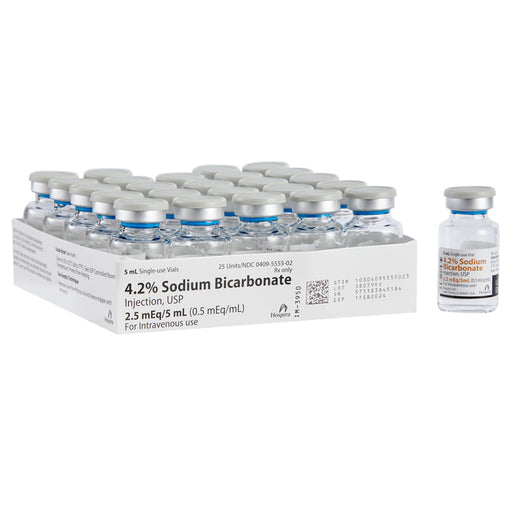
Sodium Bicarbonate 4.2% Injection Single-Dose Vials 5 mL x 25/Tray by Pfizer (Rx)
5.0 (1) 5.0 out of 5 stars, 1 review38% OFFOriginal price $ 579.95Current price $ 359.00 -

 Sale 27%
🔒 Medical License Required
Sale 27%
🔒 Medical License Required
Amphadase Hyaluronidase Injection 150 Units/1 mL Single-Dose Vials (10 Pack) **Refrigerated Item** (Rx)
27% OFFOriginal price $ 1,150.00Current price $ 839.00 -

 Sale 25%
🔒 Medical License Required
Sale 25%
🔒 Medical License Required
Bleomycin Injection 15 Units Per Vial, Single-Dose Vial (Rx) *Refrigerated*
25% OFFOriginal price $ 145.95Current price $ 110.00 -
 Sale 14%
🔒 Medical License Required
Sale 14%
🔒 Medical License Required
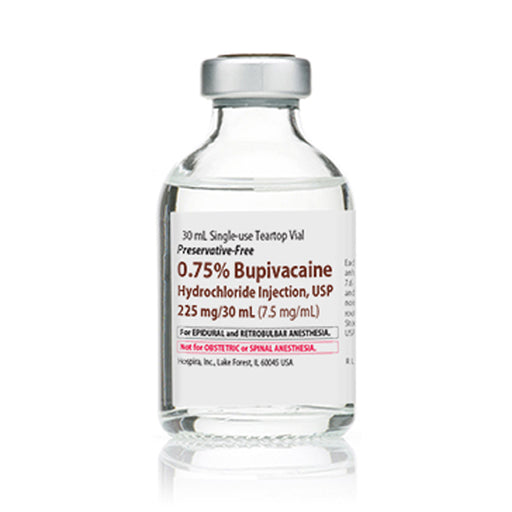
Bupivacaine 0.75% for Injection Single-Dose Vials 30 mL, 25/Tray (Rx)
14% OFFOriginal price $ 229.95Current price $ 197.00 -
 Sale 35%
🔒 Medical License Required
Sale 35%
🔒 Medical License Required
-
 Sale 29%
🔒 Medical License Required
Sale 29%
🔒 Medical License Required
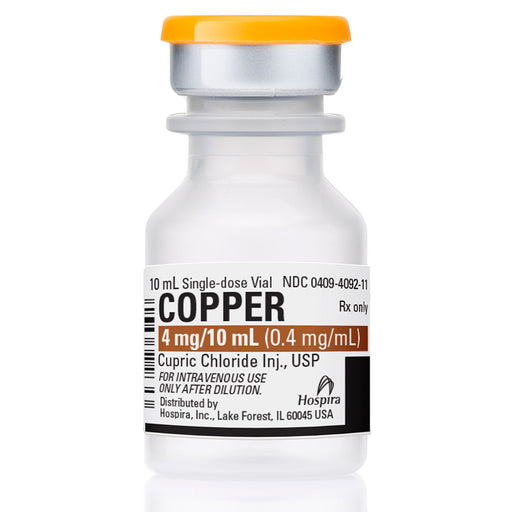
Copper Injection (Cupric Chloride) Injection 10 mL, 25/Tray by Pfizer (Rx)
5.0 (1) 5.0 out of 5 stars, 1 review29% OFFOriginal price $ 2,650.00Current price $ 1,890.00 -
 Sale 25%
🔒 Medical License Required
Sale 25%
🔒 Medical License Required
Amantadine Hydrochloride 100 mg Capsules 100 Count (Rx)
25% OFFOriginal price $ 59.95Current price $ 45.00 -

 Sale 18%
🔒 Medical License Required
Sale 18%
🔒 Medical License Required
Omeprazole 40 mg Delayed-Release Capsules by Rising Pharma 90 Count (RX)
18% OFFOriginal price $ 22.95Current price $ 18.85 -

 Sale 30%
🔒 Medical License Required
Sale 30%
🔒 Medical License Required
Ibuprofen 800 mg Tablets Unit Dose (10 packs x 10) 100 Count (RX)
30% OFFOriginal price $ 22.85Current price $ 15.95 -

 Sale 29%
🔒 Medical License Required
Sale 29%
🔒 Medical License Required


People Also Searched For
Understanding Prescription Drugs
Prescription drugs are medications that require authorization from a licensed healthcare provider (such as a doctor, nurse practitioner, or physician assistant) to be dispensed by a pharmacist. In contrast to over-the-counter (OTC) drugs, which can be bought without a prescription, these medications are regulated such that you can only obtain them with a valid prescription. They are often potent or complex drugs intended to treat specific medical conditions and must be used under professional supervision to ensure safety and effectiveness.
Why Some Drugs Require a Prescription
The main reason certain medications are classified as prescription-only is because of their potential risks and the need for medical oversight. These drugs might:
- Have stronger effects or side effects: Many prescription drugs can cause serious side effects if not used correctly. A healthcare provider needs to determine the appropriate type and dose for each individual, monitor for adverse reactions, and adjust treatment as needed.
- Require diagnosis and monitoring: Some conditions (like high blood pressure, diabetes, or bacterial infections) need a professional diagnosis and ongoing monitoring. The medications for these conditions (e.g., blood pressure pills, insulin, antibiotics) are prescription-only to ensure the patient is properly evaluated and followed up by a provider.
- Pose a risk of misuse or dependency: Certain medications have a high potential for abuse or addiction – examples include opioid painkillers, sedatives (like benzodiazepines), and stimulant medications for ADHD. These are prescription drugs so that their use can be closely controlled and monitored by a healthcare professional. Without this control, there’s a risk of harm ranging from drug abuse to practicing medicine without a license (people taking powerful drugs without knowing how to use them safely). In fact, taking a prescription medication in a way other than intended (for instance, someone using another person’s medication, or taking a higher dose than prescribed) can lead to serious health effects, including overdose, dependency, or other harmful reactions.
Because of these factors, laws worldwide define which drugs are “prescription only.” For example, in the United States the Food and Drug Administration (FDA) designates drugs as “Rx only” (meaning prescription required) if they are not safe for self-medication. In the United Kingdom, such medications are labeled “POM” (Prescription Only Medicines), versus pharmacy-dispensed medicines (P) or general sale list (GSL) medicines which anyone can buy. While the specific lists of drugs differ by country, the concept is the same: prescription drugs should be used under medical guidance to protect patient health.
How Prescription Drugs are Obtained and Used
To get a prescription drug, a patient typically sees a healthcare provider, who evaluates their condition. If medication is needed, the provider will issue a prescription – this can be a paper script or an electronic order – specifying the drug name, dose, instructions for use (for example, “take one tablet twice daily with food”), and the number of doses or duration of therapy. The patient then takes this prescription to a pharmacy, where a licensed pharmacist will verify it and dispense the medication. The pharmacist may also provide counseling on how to take the medication properly, discuss possible side effects, and answer questions.
Prescription drugs are intended to be used exactly as directed. It’s important for patients to follow the dosage and schedule provided, and not to stop a medication early or take more than recommended without consulting the prescriber. Using them as prescribed maximizes their benefits in treating the condition while minimizing risks. The medication usually comes with a detailed label or a patient information leaflet explaining its use, dosage, and warnings. Patients are encouraged to read this information and keep it for reference.
Refills and duration: Some prescriptions can be refilled multiple times (if the provider indicates refills on the prescription), especially for chronic conditions like hypertension or asthma. Other prescriptions might be for a one-time treatment (e.g., a one-week course of antibiotics). Certain controlled substances (like strong pain medications) may have stricter rules – for instance, no refills allowed, requiring a new prescription each time, due to their abuse potential.
Examples of prescription drugs: This category includes a vast range of medications, such as:
- Antibiotics (e.g., amoxicillin) – for bacterial infections.
- Antidepressants and anti-anxiety medications (e.g., sertraline, alprazolam) – for mental health conditions.
- Blood pressure and heart medications (e.g., lisinopril, metoprolol) – for cardiovascular conditions.
- Diabetes medications (e.g., insulin, metformin) – to control blood sugar.
- Pain relievers stronger than OTC options (e.g., oxycodone, morphine) – for severe pain, and these are tightly regulated.
- Hormonal medications (e.g., birth control pills, thyroid hormone) – for contraception or hormone replacement, etc.
- Specialized drugs for conditions like cancer, autoimmune diseases, etc., which often require careful dosing and monitoring.
Each of these drugs is powerful in its own way and necessitates a healthcare provider’s involvement to use safely and effectively.
Prescription drugs are those medicines you can only obtain with a healthcare provider’s prescribing order. They are designated as such to protect patients – ensuring that powerful or complex drugs are used correctly and safely under professional supervision. When used as intended, prescription medications can effectively treat illnesses, manage chronic conditions, and improve quality of life. But because of their potency and potential risks, they are controlled by laws: you must have a consultation and a prescription to get them, and they should be used by the intended patient according to the instructions. Always ask your doctor or pharmacist if you have any questions about a prescription drug, and keep open communication about how the medication is working for you or if you experience any side effects. Responsible use of prescription drugs is key to reaping their benefits while minimizing any dangers.
Most Common Prescription Drugs
In the U.S., medication use is extremely widespread – about half of Americans report using a prescription drug in a given month. The most frequently prescribed drugs reflect our most common chronic conditions: heart disease, high blood pressure, diabetes, thyroid disorders, respiratory illnesses, pain/inflammation, mental health issues, and infections. For example, surveys and claims-data show that atorvastatin (a cholesterol-lowering statin) and amlodipine (a blood-pressure calcium-blocker) were the #1 and #2 most prescribed drugs by claims in 2025. Similarly, levothyroxine (thyroid hormone replacement) and lisinopril (an ACE inhibitor for hypertension) regularly appear in the top 5. In short, the “top drugs” lists are dominated by generics treating cardiovascular disease, diabetes, thyroid disease, pain/inflammatory conditions, asthma/allergies, and common infections.
- Cardiovascular (BP & Cholesterol): Many of the top prescriptions are for heart health. Common examples include atorvastatin and rosuvastatin (statins) for high cholesterol, and antihypertensives such as amlodipine (Norvasc), lisinopril (Prinivil/Zestril), losartan (Cozaar), metoprolol, and diuretics like hydrochlorothiazide. These appear consistently at or near the top of national prescription lists.
- Endocrine (Thyroid & Diabetes): Levothyroxine (Synthroid) is one of the single most-prescribed drugs, used to replace thyroid hormone in hypothyroidism. Metformin (Glucophage) – the first-line oral therapy for type 2 diabetes – is also extremely common. Both conditions (hypothyroidism and diabetes) affect large segments of the population, so their treatments rank very high in prescription counts.
- Mental Health: Antidepressants and anxiolytics are heavily prescribed. In particular, SSRIs like sertraline (Zoloft) and escitalopram (Lexapro) frequently rank among the top prescriptions for depression and anxiety. Drugs for other psychiatric conditions (e.g. stimulants for ADHD or benzodiazepines for anxiety) are also common, reflecting the high prevalence of these disorders.
- Pain & Inflammation: Pain relievers and anti-inflammatory medications account for many fills. For example, the combination hydrocodone/acetaminophen (e.g. Vicodin®/Norco®) is consistently among the top analgesic prescriptions. Over-the-counter NSAIDs (like ibuprofen, often prescribed at higher doses) also contribute. Other widely used pain/inflammation drugs include gabapentin (for nerve pain) and corticosteroids like prednisone. (Note: gabapentin alone accounted for ~1.6% of all prescriptions in 2025).
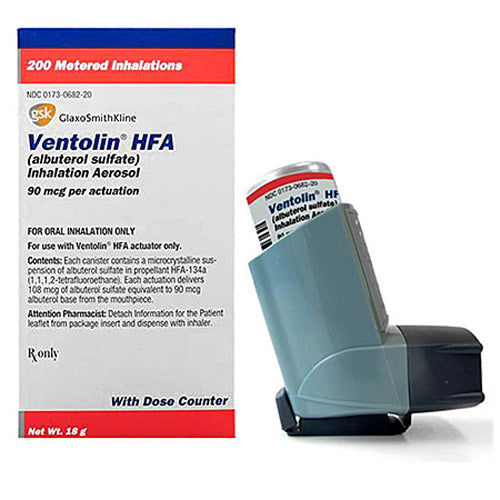
- Respiratory & Allergy: Asthma and COPD medications are common. Albuterol inhalers (Ventolin®, etc.) appear high on prescription lists because many people use them for asthma or COPD relief. Inhaled corticosteroids (for asthma) and popular allergy drugs (e.g. cetirizine (Zyrtec®), loratadine (Claritin®)) are also very frequently prescribed or used.
- Gastrointestinal: Acid-reflux and ulcer medications are heavily prescribed. Omeprazole (Prilosec®) and pantoprazole (Protonix®) are proton-pump inhibitors commonly given for GERD or ulcers. These drugs often rank in the top 10–20 because gastroesophageal reflux and related conditions are so common.
- Antibiotics: Among short-term prescriptions, antibiotics like amoxicillin and azithromycin are most common. For example, amoxicillin (Amoxil®) – a broad-spectrum penicillin – is routinely one of the single most-dispensed antibiotics. Azithromycin (“Z-Pak”) is also frequently prescribed, especially for respiratory or ENT infections. (These antibiotics address the prevalent acute infections seen in outpatient care.)
In summary, the top prescription drugs in modern practice are almost all generics treating widespread conditions. Large-scale data consistently show cardiovascular drugs (statins and blood-pressure medications), diabetes drugs, thyroid replacement, antidepressants/anxiolytics, asthma/sinus treatments, pain relievers, and antibiotics among the most-prescribed. Although exact rankings shift year-to-year, these categories dominate prescription volume.
Top Prescription Drugs by Sales (U.S.)
The highest-selling prescription drugs in the U.S. tend to be specialty biologics and new therapies for cancer, autoimmune disease, and metabolic conditions. In fact, American patients account for ~60% of global blockbuster sales, so the world’s top sellers are generally the U.S. market’s top sellers as well. For example:
-
Oncology Immunotherapies: Merck’s Keytruda (pembrolizumab) is the #1 seller (cancer immunotherapy) and made about $25.0 billion globally in 2023 (roughly half of that from U.S. sales). Other top cancer drugs include Bristol-Myers’ Opdivo (nivolumab, ~$9.0 B) and Johnson & Johnson’s Darzalex (daratumumab, ~$11.6 B.
-
Diabetes/Obesity (GLP-1) Drugs: Novo Nordisk’s GLP-1 agonists rank extremely high. Its type-2 diabetes drug Ozempic (semaglutide) earned $13.9 B in 2023. The obesity-indication twin Wegovy (same molecule) brought in $3.3 B (. Eli Lilly’s GLP-1 Trulicity ($7.1 BB and dual GLP-1/GIP Mounjaro ($5.2 B) also surged. Other cardiometabolic favorites include Lilly’s Jardiance ($8.1 B and Farxiga (~$6.0 B for diabetes/heart failure.
-
Autoimmune/Inflammatory Biologics: AbbVie’s Humira (adalimumab) – a longtime blockbuster – still sold $14.4 B in 2023 (though its U.S. sales are now falling with biosimilars). Sanofi’s Dupixent (dupilumab) did ~$11.6 B and J&J’s Stelara (ustekinumab) ~$10.9 B (for psoriasis, Crohn’s, etc.). These immunology drugs (and others like AbbVie’s Skyrizi, Roche’s Ocrevus, etc.) are all top earners.
-
Cardiovascular/Anticoagulants: The blood thinner Eliquis (apixaban, BMS/Pfizer) netted $12.2 B, and Xarelto (rivaroxaban) ~$4.7 B . Heart failure drugs like Novartis’s Entresto (~$6.0 B also rank high. In short, drugs for chronic heart conditions occupy the top sales ranks.
-
Other Blockbusters: Regeneron/Pfizer’s eye drug Eylea (aflibercept) made ~$12.9 B. Gilead’s HIV combination Biktarvy (bictegravir/emtricitabine/TAF) earned ~$11.85 B. Even vaccines appear: Pfizer’s COVID-19 vaccine Comirnaty was ~$15.3 B in 2023 (mostly U.S. and government sales), and Merck’s HPV vaccine Gardasil ~$8.9 B.
These examples illustrate that top U.S. prescription drugs by sales are largely expensive, specialized therapies (often biologics) for serious chronic illnesses (cancer, diabetes/obesity, autoimmune disease, etc.). They vastly out-earn common generic pills; for instance, a drug like levothyroxine or lisinopril, while widely prescribed, appears nowhere near these brands on a revenue chart. (Data source: 2023 sales reports – e.g. Merck’s Keytruda ~$25B Novo Nordisk’s Ozempic ~$13.9B, AbbVie’s Humira ~$14.4B, etc. – each mostly driven by U.S. prescriptions.)
Prescription Drugs Safety and Regulations
Using prescription drugs safely means taking them only if they have been prescribed for you, and strictly following the healthcare provider’s instructions. You should never take someone else’s prescription medication, and likewise you should not share your prescription with others – not only is this illegal, but it could be dangerous. A drug that is right for one person could be harmful to another due to differences in health conditions, other medications, or dosing needs.
Prescription medications undergo rigorous testing and approval processes by regulatory agencies (like the FDA in the U.S.) to ensure they are effective for their intended use and to identify their risks. Once on the market, they remain under surveillance for safety. Pharmacists play an important role in the safe use of prescription drugs: they check for potential drug interactions (if you’re getting multiple prescriptions), counsel patients on proper use, and ensure the medication and dose are appropriate as prescribed.
It’s also worth noting that the term “Rx” (often seen on prescription drug labels or in pharmacies) is a common shorthand for prescription. “Rx” is derived from the Latin word “recipe” (meaning “to take”), and it has become a universal symbol indicating a medical prescription.
Most Common Prescription Drugs
In the U.S., medication use is extremely widespread – about half of Americans report using a prescription drug in a given month. The most frequently prescribed drugs reflect our most common chronic conditions: heart disease, high blood pressure, diabetes, thyroid disorders, respiratory illnesses, pain/inflammation, mental health issues, and infections. For example, surveys and claims-data show that atorvastatin (a cholesterol-lowering statin) and amlodipine (a blood-pressure calcium-blocker) were the #1 and #2 most prescribed drugs by claims in 2025. Similarly, levothyroxine (thyroid hormone replacement) and lisinopril (an ACE inhibitor for hypertension) regularly appear in the top 5. In short, the “top drugs” lists are dominated by generics treating cardiovascular disease, diabetes, thyroid disease, pain/inflammatory conditions, asthma/allergies, and common infections.
- Cardiovascular (BP & Cholesterol): Many of the top prescriptions are for heart health. Common examples include atorvastatin and rosuvastatin (statins) for high cholesterol, and antihypertensives such as amlodipine (Norvasc), lisinopril (Prinivil/Zestril), losartan (Cozaar), metoprolol, and diuretics like hydrochlorothiazide. These appear consistently at or near the top of national prescription lists.
- Endocrine (Thyroid & Diabetes): Levothyroxine (Synthroid) is one of the single most-prescribed drugs, used to replace thyroid hormone in hypothyroidism. Metformin (Glucophage) – the first-line oral therapy for type 2 diabetes – is also extremely common. Both conditions (hypothyroidism and diabetes) affect large segments of the population, so their treatments rank very high in prescription counts.
- Mental Health: Antidepressants and anxiolytics are heavily prescribed. In particular, SSRIs like sertraline (Zoloft) and escitalopram (Lexapro) frequently rank among the top prescriptions for depression and anxiety. Drugs for other psychiatric conditions (e.g. stimulants for ADHD or benzodiazepines for anxiety) are also common, reflecting the high prevalence of these disorders.
- Pain & Inflammation: Pain relievers and anti-inflammatory medications account for many fills. For example, the combination hydrocodone/acetaminophen (e.g. Vicodin®/Norco®) is consistently among the top analgesic prescriptions. Over-the-counter NSAIDs (like ibuprofen, often prescribed at higher doses) also contribute. Other widely used pain/inflammation drugs include gabapentin (for nerve pain) and corticosteroids like prednisone. (Note: gabapentin alone accounted for ~1.6% of all prescriptions in 2025).
- Respiratory & Allergy: Asthma and COPD medications are common. Albuterol inhalers (Ventolin®, etc.) appear high on prescription lists because many people use them for asthma or COPD relief. Inhaled corticosteroids (for asthma) and popular allergy drugs (e.g. cetirizine (Zyrtec®), loratadine (Claritin®)) are also very frequently prescribed or used.
- Gastrointestinal: Acid-reflux and ulcer medications are heavily prescribed. Omeprazole (Prilosec®) and pantoprazole (Protonix®) are proton-pump inhibitors commonly given for GERD or ulcers. These drugs often rank in the top 10–20 because gastroesophageal reflux and related conditions are so common.
- Antibiotics: Among short-term prescriptions, antibiotics like amoxicillin and azithromycin are most common. For example, amoxicillin (Amoxil®) – a broad-spectrum penicillin – is routinely one of the single most-dispensed antibiotics. Azithromycin (“Z-Pak”) is also frequently prescribed, especially for respiratory or ENT infections. (These antibiotics address the prevalent acute infections seen in outpatient care.)
In summary, the top prescription drugs in modern practice are almost all generics treating widespread conditions. Large-scale data consistently show cardiovascular drugs (statins and blood-pressure medications), diabetes drugs, thyroid replacement, antidepressants/anxiolytics, asthma/sinus treatments, pain relievers, and antibiotics among the most-prescribed. Although exact rankings shift year-to-year, these categories dominate prescription volume.
Top Prescription Drugs by Sales (U.S.)
The highest-selling prescription drugs in the U.S. tend to be specialty biologics and new therapies for cancer, autoimmune disease, and metabolic conditions. In fact, American patients account for ~60% of global blockbuster sales, so the world’s top sellers are generally the U.S. market’s top sellers as well. For example:
-
Oncology Immunotherapies: Merck’s Keytruda (pembrolizumab) is the #1 seller (cancer immunotherapy) and made about $25.0 billion globally in 2023 (roughly half of that from U.S. sales). Other top cancer drugs include Bristol-Myers’ Opdivo (nivolumab, ~$9.0 B) and Johnson & Johnson’s Darzalex (daratumumab, ~$11.6 B.
-
Diabetes/Obesity (GLP-1) Drugs: Novo Nordisk’s GLP-1 agonists rank extremely high. Its type-2 diabetes drug Ozempic (semaglutide) earned $13.9 B in 2023. The obesity-indication twin Wegovy (same molecule) brought in $3.3 B (. Eli Lilly’s GLP-1 Trulicity ($7.1 BB and dual GLP-1/GIP Mounjaro ($5.2 B) also surged. Other cardiometabolic favorites include Lilly’s Jardiance ($8.1 B and Farxiga (~$6.0 B for diabetes/heart failure.
-
Autoimmune/Inflammatory Biologics: AbbVie’s Humira (adalimumab) – a longtime blockbuster – still sold $14.4 B in 2023 (though its U.S. sales are now falling with biosimilars). Sanofi’s Dupixent (dupilumab) did ~$11.6 B and J&J’s Stelara (ustekinumab) ~$10.9 B (for psoriasis, Crohn’s, etc.). These immunology drugs (and others like AbbVie’s Skyrizi, Roche’s Ocrevus, etc.) are all top earners.
-
Cardiovascular/Anticoagulants: The blood thinner Eliquis (apixaban, BMS/Pfizer) netted $12.2 B, and Xarelto (rivaroxaban) ~$4.7 B . Heart failure drugs like Novartis’s Entresto (~$6.0 B also rank high. In short, drugs for chronic heart conditions occupy the top sales ranks.
-
Other Blockbusters: Regeneron/Pfizer’s eye drug Eylea (aflibercept) made ~$12.9 B. Gilead’s HIV combination Biktarvy (bictegravir/emtricitabine/TAF) earned ~$11.85 B. Even vaccines appear: Pfizer’s COVID-19 vaccine Comirnaty was ~$15.3 B in 2023 (mostly U.S. and government sales), and Merck’s HPV vaccine Gardasil ~$8.9 B.
These examples illustrate that top U.S. prescription drugs by sales are largely expensive, specialized therapies (often biologics) for serious chronic illnesses (cancer, diabetes/obesity, autoimmune disease, etc.). They vastly out-earn common generic pills; for instance, a drug like levothyroxine or lisinopril, while widely prescribed, appears nowhere near these brands on a revenue chart. (Data source: 2023 sales reports – e.g. Merck’s Keytruda ~$25B Novo Nordisk’s Ozempic ~$13.9B, AbbVie’s Humira ~$14.4B, etc. – each mostly driven by U.S. prescriptions.)
Prescription Drugs Safety and Regulations
Using prescription drugs safely means taking them only if they have been prescribed for you, and strictly following the healthcare provider’s instructions. You should never take someone else’s prescription medication, and likewise you should not share your prescription with others – not only is this illegal, but it could be dangerous. A drug that is right for one person could be harmful to another due to differences in health conditions, other medications, or dosing needs.
Prescription medications undergo rigorous testing and approval processes by regulatory agencies (like the FDA in the U.S.) to ensure they are effective for their intended use and to identify their risks. Once on the market, they remain under surveillance for safety. Pharmacists play an important role in the safe use of prescription drugs: they check for potential drug interactions (if you’re getting multiple prescriptions), counsel patients on proper use, and ensure the medication and dose are appropriate as prescribed.
It’s also worth noting that the term “Rx” (often seen on prescription drug labels or in pharmacies) is a common shorthand for prescription. “Rx” is derived from the Latin word “recipe” (meaning “to take”), and it has become a universal symbol indicating a medical prescription.