
Filters
- Allevyn Adhesive (2)
- Allevyn Dressings (1)
- Burns (1)
- Chronic wounds (1)
- Control Exudate Drainage (1)
- Diabetic Ulcers (1)
- Exudative wounds (2)
- Foam Adhesive Dressing (1)
- Foot Ulcers (1)
- Infected wounds (2)
- Pressure Ulcers (4)
- superficial burns (1)
- Treat Burns (1)
- Wound Care (2)
- Allevy n Gel Border (3)
- Allevyn Gentle (2)
- Allevyn Gentle Border (4)
- Diabetic Foot ulcers (1)
- leg ulcers (2)
- Surgical wounds (1)
- Sacrum Dressing (1)
- absorb wound fluid (1)
- algisite m (1)
- calcium alginate dressing (1)
- fibers (1)
- lacerations (1)
- pressure ulcers (1)
- skin tears (3)
- wound cavity (1)
- Diabetic Foot Ulcers (2)
- Leg ulcers (2)
- 20141 (1)
- Acticoat 7 Day (1)
- Antimicrobial Wound Care Dressing (2)
- ionic silver (1)
- Siver (1)
- Cover Wound (1)
- Coversite Dressings (1)
- Secondary Dressing (1)
- Absorb exudate (1)
- Absorb Wound Exudate (1)
- Allevyn Ag (1)
- Allevyn Silver (1)
- Antimicrobial Dressings (1)
- Antimicrobial Foam Dressing (1)
- Healing Environment (1)
- Silver Dressing (1)
- Absorbs (1)
- Faster Healing (1)
- Manage wound fluid (1)
Filters
- Allevyn Adhesive (2)
- Allevyn Dressings (1)
- Burns (1)
- Chronic wounds (1)
- Control Exudate Drainage (1)
- Diabetic Ulcers (1)
- Exudative wounds (2)
- Foam Adhesive Dressing (1)
- Foot Ulcers (1)
- Infected wounds (2)
- Pressure Ulcers (4)
- superficial burns (1)
- Treat Burns (1)
- Wound Care (2)
- Allevy n Gel Border (3)
- Allevyn Gentle (2)
- Allevyn Gentle Border (4)
- Diabetic Foot ulcers (1)
- leg ulcers (2)
- Surgical wounds (1)
- Sacrum Dressing (1)
- absorb wound fluid (1)
- algisite m (1)
- calcium alginate dressing (1)
- fibers (1)
- lacerations (1)
- pressure ulcers (1)
- skin tears (3)
- wound cavity (1)
- Diabetic Foot Ulcers (2)
- Leg ulcers (2)
- 20141 (1)
- Acticoat 7 Day (1)
- Antimicrobial Wound Care Dressing (2)
- ionic silver (1)
- Siver (1)
- Cover Wound (1)
- Coversite Dressings (1)
- Secondary Dressing (1)
- Absorb exudate (1)
- Absorb Wound Exudate (1)
- Allevyn Ag (1)
- Allevyn Silver (1)
- Antimicrobial Dressings (1)
- Antimicrobial Foam Dressing (1)
- Healing Environment (1)
- Silver Dressing (1)
- Absorbs (1)
- Faster Healing (1)
- Manage wound fluid (1)
Pressure Ulcer Dressings by Smith & Nephew
-
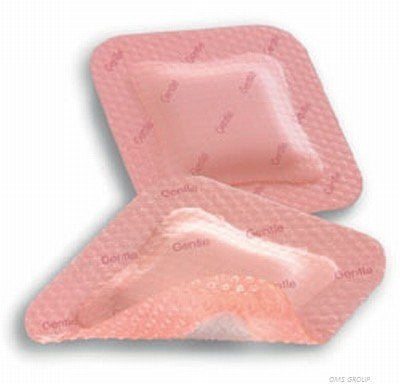
 Sale 21%
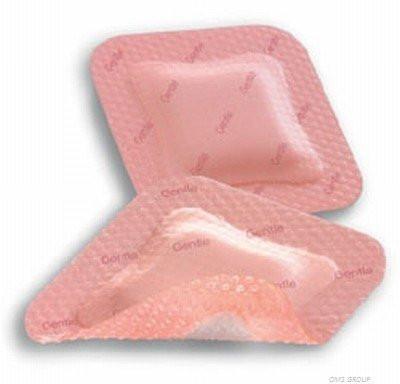
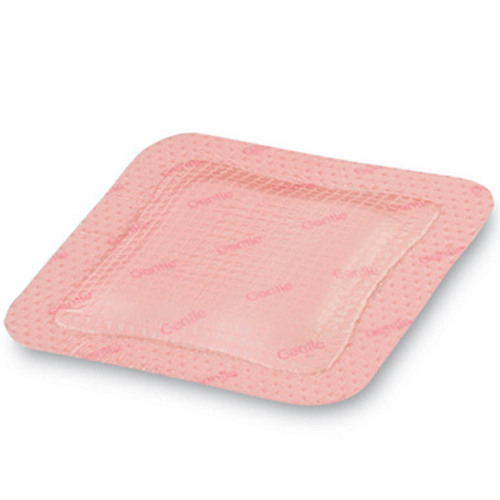
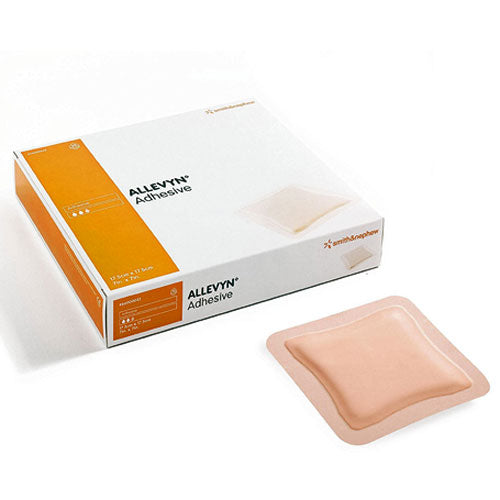
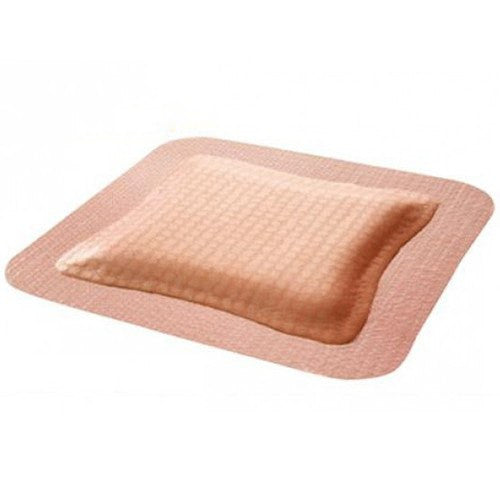
Allevyn Gentle Border Gel Adhesive Foam Dressing 5" x 5" (10 Pack)
Original price $ 99.80Current price $ 79.004 reviews -

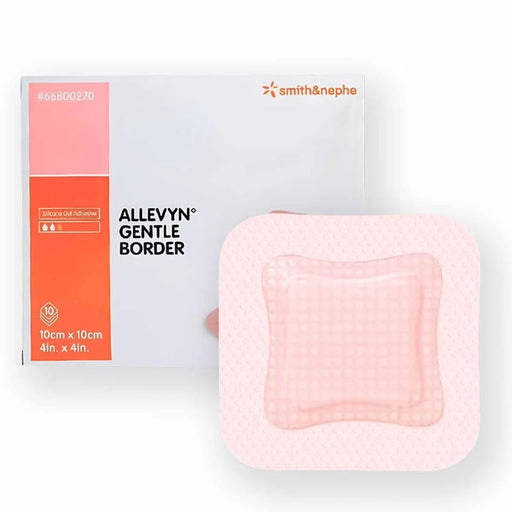 Sale 26%
Allevyn Gentle Border 4 inch x 4 inch Square Silicone Gel Adhesive with Border Sterile
Original price $ 48.95Current price $ 36.004 reviews -
 Sale 19%
Allevyn Gentle Border Gel Adhesive Foam Dressing 3" x 3" (10 Pack)
Original price $ 69.00Current price $ 56.001 review -
 Sale 25%
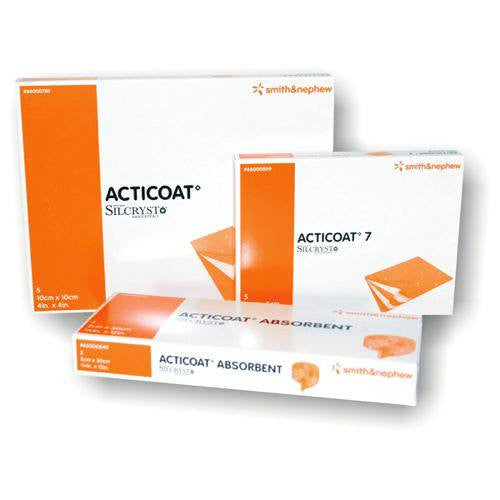
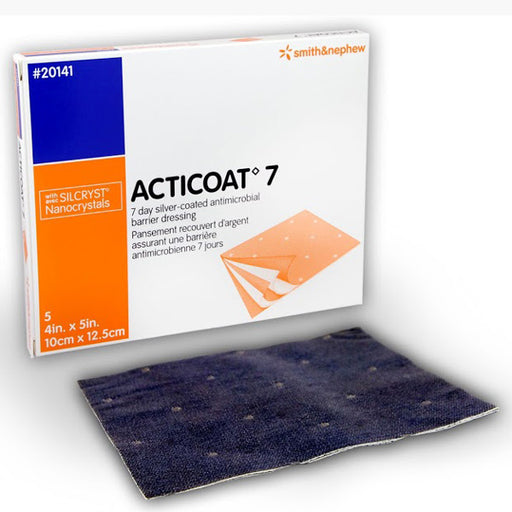
Acticoat 7 Day Antimicrobial Silver Wound Dressings 4 x 5" by Smith & Nephew 5/Box
Original price $ 225.95Current price $ 169.00


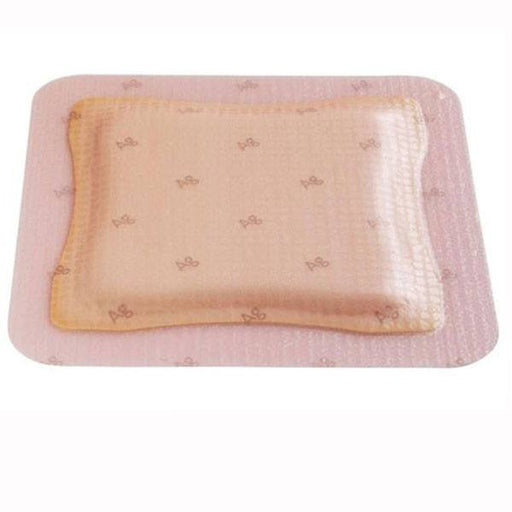

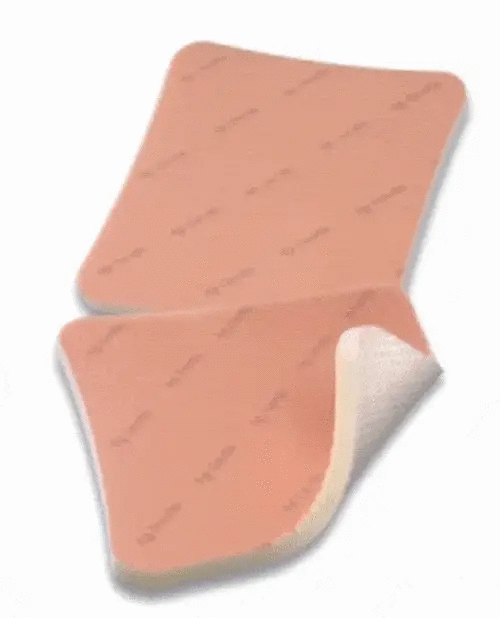
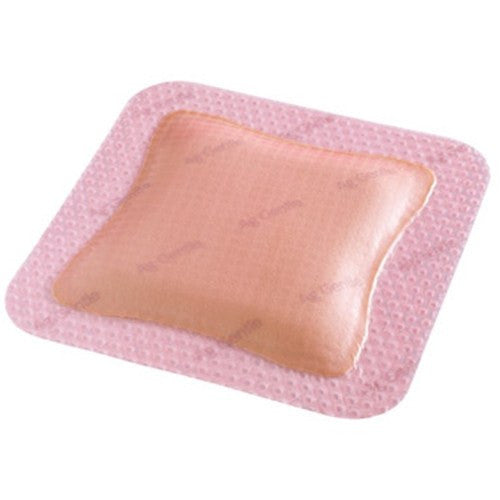
Pressure ulcer dressings are specialized wound dressings used to treat bedsores (pressure ulcers) by protecting the sore, maintaining a healing environment, and absorbing fluids. Pressure ulcers develop on skin that's under constant pressure (like the tailbone, heels, or hips in bedridden patients), and these wounds require dressings that can address their unique challenges: keeping the wound moist but not too wet, cushioning the area from further pressure, and preventing infection.
Types of Pressure Ulcer Dressings:
-
Foam Dressings: Thick, soft foam pads that absorb a lot of fluid and cushion the wound. Foams are often the first choice for open pressure ulcers (especially Stage 2, 3, or 4 sores that are draining). They maintain moisture and protect the ulcer from further trauma. Example: A sacral (lower back) pressure ulcer might be covered with a sacral-shaped foam dressing, which soaks up drainage and pads the area.
-
Hydrocolloid Dressings: Flexible, gel-forming pads that seal the wound and keep it moist. Best for shallower or Stage 2 ulcers with light drainage. They can stay on for several days, promoting healing by insulating the wound and keeping it just moist enough. Note: They aren’t used if the ulcer is very wet or infected (occlusive nature can trap too much moisture or bacteria).
-
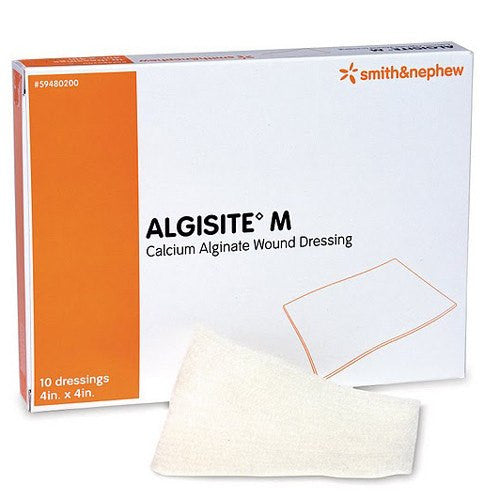
Alginate/Hydrofiber Dressings: Made from seaweed or special fibers, these dressings absorb heavy exudate and turn into a gel. They’re useful for deep or Stage 3-4 ulcers that ooze a lot. Alginates and hydrofibers often come as ropes or sheets to fill wound cavities, then are covered with a second dressing (like a foam or gauze). They keep the wound moist while preventing pooling of fluid. They’re changed once they’re saturated with fluid (often daily or every couple of days).
-
Hydrogel Dressings: Water-based gels or sheets that add moisture to a dry wound. Ideal for pressure ulcers that are dry or have hard, dead tissue (eschar). Hydrogels rehydrate and soften necrotic tissue, aiding in autolytic debridement (the body’s natural cleanup). They also have a soothing, cooling effect for pain. Because hydrogels don’t absorb much, they’re usually used on drier wounds and covered with an absorbent secondary dressing.
-
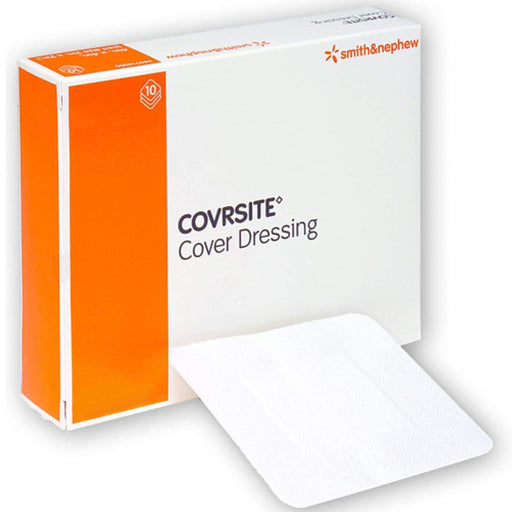
Transparent Films: Thin, see-through dressings (like Tegaderm) that protect the skin from friction and contamination. They don’t absorb fluid, so they’re mainly used on Stage 1 ulcers (intact red skin) or as a cover over another dressing. For a patient at risk of a pressure ulcer, a film can be placed on a trouble spot (e.g., a red heel) to reduce friction from bed sheets while the underlying tissue recovers. Films are also sometimes used as a secondary dressing to hold a gel or alginate in place.
-
Antimicrobial Dressings: These are dressings (often foams, alginates, or gauzes) impregnated with agents like silver, iodine, or honey. They’re used when a pressure ulcer is infected or heavily colonized with bacteria. For example, a silver foam dressing can help fight infection in a deep sacral ulcer by continuously releasing silver ions. Cadexomer iodine or medical honey dressings may be applied to reduce bacterial load and also assist with debriding slough (dead tissue). Once the infection is controlled, care may switch back to a standard non-medicated dressing.
Pressure ulcer dressings are a toolkit of foam pads, hydrocolloids, alginates, hydrogels, and other advanced dressings designed to meet the needs of pressure sores. They keep the wound environment just right – moist, protected, and clean – so the body can repair the damage. By choosing the appropriate dressing for the ulcer’s stage and characteristics (and changing it at proper intervals), healthcare providers can significantly speed up healing, reduce pain, and prevent complications in patients suffering from pressure ulcers. These dressings, combined with diligent nursing care to off-load pressure, form the frontline defense in both treating and preventing these challenging wounds.