
Filters
Availability
Price
$
-
$
$0
$199
Collection
Tags
- Allergic Reaction Treatments (3)
- Allergies (3)
- Allergy Relief Medications (3)
- Antihistamine (7)
- doctor-only (12)
- Histamine (8)
- Histamine blocker (7)
- Nausea (3)
- Nausea Relief (3)
- Phenothiazines (3)
- Prevent nausea (2)
- Promethazine (12)
- Promethazine Hydrochloride (9)
- Sleep (1)
- Sleep aid (1)
- Sleep medicine (1)
- Allergy Antihistamine (4)
- Allergy Medicaine (1)
- Phenadoz (1)
- Phenergan (2)
- Promethazine for Injection (1)
- Promethazine HCL (1)
- Promethegan (3)
- Treat Allergic Reactions (1)
- Ampules (2)
- Antihistaminic agent (4)
- Motion Sickness (7)
- Motion SIckness Relief (5)
- Buy Promethazine (2)
- Promethazine Near You (2)
- Dopamine receptors (1)
- Promethazine Injections (1)
- Sedative (1)
- Treat Vomiting (4)
- Allergic Conjunctivitis (3)
- Preoperative Sedation (2)
- Promethazine suppositories (3)
- Treat Allergic Skin Reactions (2)
- Treat Rhinitis (2)
- Rectal Suppositories (1)
- Allergy cough syrup (1)
- allergy medicine (1)
- Itchy eyes relief (1)
- Nausea medication (1)
- Prescription antihistamine (1)
- Quagen (1)
- Vomiting treatment (1)
Promethazine
Promethazine Medications
Promethazine is a medication that belongs to the class of drugs known as antihistamines. More specifically, it's an older, first-generation antihistamine (brand name example: Phenergan) that has multiple uses beyond just allergy relief.
Promethazine medications are trusted, FDA-approved, multi-purpose solutions prescribed by physicians and pharmacists worldwide to deliver rapid, effective relief from nausea, vomiting, motion sickness, allergy symptoms, runny nose, sneezing, itching, hives, rash, insomnia, and cough. Available in convenient tablet, syrup, suppository, and injectable formulations, Promethazine offers reliable symptom control for both adults and children in a variety of clinical settings.
Uses & Applications
- Allergy & Hay Fever Relief: Reduces watery eyes, runny nose, sneezing, itching, and allergic skin reactions.
- Nausea & Vomiting Treatment: Highly effective for morning sickness, post-operative nausea, and chemo/radiation-related nausea.
- Motion Sickness Prevention: Gold-standard medicine for travel, cruises, and car rides.
- Cough & Cold Symptom Relief: Often combined with codeine or dextromethorphan for soothing stubborn cough.
- Sleep Aid: Commonly used off-label for insomnia associated with allergies, colds, or travel.
- Pre-Surgical, Hospital, and Emergency Use: Reduces nausea for surgery, anesthesia, and pain medicine regimens.
Most Popular Promethazine Formulations
- Promethazine HCl Tablets 12.5mg, 25mg, 50mg
- Promethazine Syrup (ideal for children and those who have trouble swallowing pills)
- Promethazine Suppositories
- Promethazine Injection (for rapid relief in hospital or ER settings)
- Promethazine with Codeine Syrup (prescription only, for cough; not for children under 12)
Say goodbye to nausea, allergies, cough, and sleepless nights—choose doctor-recommended Promethazine Medications for fast, trusted relief. Order your FDA-approved promethazine solution now for multi-symptom comfort, whether at home, travel, hospital, or on the go!
-
 Sale 39%
Original price $ 12.95Current price $ 7.95
Sale 39%
Original price $ 12.95Current price $ 7.95Promethazine Hydrochloride 25 mg Tablets for Allergies, Nausea Relief & Sleep Aid 100 Count (RX)
2 reviewsPromethazine HCl Tablets 25 mg by Amneal is a prescription medication used to treat a variety of conditions including allergies, motion sickness, a...
View full details🔒 Medical License Required -
 Sale 28%
Original price $ 159.95Current price $ 115.00
Sale 28%
Original price $ 159.95Current price $ 115.00Promethazine HCL for Injection 25 mg Single-Dose Vials 1 mL x 25/Tray (Rx)
No reviewsPromethazine HCL for Injection is a medication that is used to treat a variety of conditions. It works by blocking the action of histamine in the b...
View full details🔒 Medical License Required -
 Sale 26%
Original price $ 22.95Current price $ 16.95
Sale 26%
Original price $ 22.95Current price $ 16.95Promethazine HCl Tablets 50 mg by Amneal 100 Count (RX)
No reviewsPromethazine HCl Tablets 50 mg by Amneal is a prescription medication used to treat a variety of conditions including allergies, motion sickness, a...
View full details🔒 Medical License Required -
 Sold out
Original price $ 210.00Current price $ 199.00
Sold out
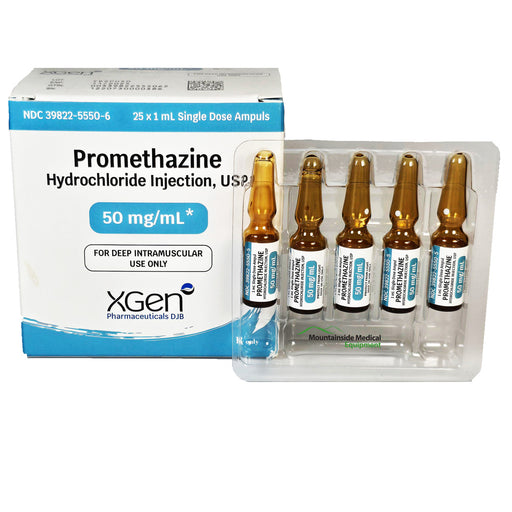
Original price $ 210.00Current price $ 199.00Promethazine HCl for Injection 50 mg per mL Ampules 1 mL x 25-Pack (Rx)
No reviewsPromethazine HCl for Injection 50 mg / mL Ampules 1 mL x 25/Tray. Promethazine hydrochloride is a phenothiazine derivative which possesses antihist...
View full details -
 Sale 9%
Original price $ 55.00Current price $ 49.95
Sale 9%
Original price $ 55.00Current price $ 49.95Promethazine Oral Solution 6.25 mg/5 mg per 5 mL 16 oz (Rx)
No reviewsPromethazine Oral Solution 6.25 mg/5 mg per 5 mL is a highly effective medication used to treat a variety of conditions. This oral solution contain...
View full details🔒 Medical License Required -
 Sale 36%
Original price $ 11.95Current price $ 7.59
Sale 36%
Original price $ 11.95Current price $ 7.59Promethazine HCl Tablets 12.5 mg by Amneal 100 Count (RX)
No reviewsExperience relief with Promethazine HCl, a trusted solution for allergy symptoms, nausea, and more. Produced by Amneal Pharmaceuticals, this high-q...
View full details🔒 Medical License Required -
 Sale 16%
Low Stock
Original price $ 159.95Current price $ 135.00
Sale 16%
Low Stock
Original price $ 159.95Current price $ 135.00Promethazine Hydrochloride Injection 25 mg/mL x 25 Ampules By Xgen Pharma (RX)
No reviewsPromethazine Hydrochloride Injection 25 mg/mL ampules are used for the treatment of allergy symptoms, such as rash, itching, and runny nose, as wel...
View full details🔒 Medical License Required -
 Sale 23%
Original price $ 88.00Current price $ 68.00
Sale 23%
Original price $ 88.00Current price $ 68.00Promethazine DM Oral Solution 6.25 mg-15 mg/5 mL by Slate Run 437 mL (Rx)
No reviewsLooking for relief from a nagging cough and congestion? Promethazine DM Oral Solution is the solution you need. With its powerful combination of in...
View full details🔒 Medical License Required -
 Sale 23%
Original price $ 149.95Current price $ 115.00
Sale 23%
Original price $ 149.95Current price $ 115.00Promethegan Promethazine HCL Suppositories 25 mg, 12 Count **Refrigerated (Rx)
No reviewsPromethegan Promethazine HCL Suppositories 25 mg are used to treat nausea, vomiting, and allergies. They are also effective for sedation before and...
View full details🔒 Medical License Required -
 Sale 21%
Original price $ 149.95Current price $ 119.00
Sale 21%
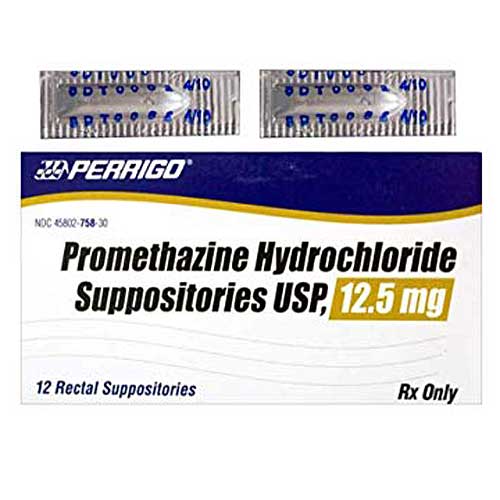
Original price $ 149.95Current price $ 119.00Promethazine Hydrochloride Suppositories 12.5 mg, 12 Count (Rx)
No reviews*Refrigerated Item, Ships Next Day Air, Signature Required* Promethazine Hydrochloride Suppositories 12.5 mg, commonly known as Promethazine Suppos...
View full details🔒 Medical License Required -
 Sale 39%
Original price $ 65.95Current price $ 39.95
Sale 39%
Original price $ 65.95Current price $ 39.95Promethazine Hydrochloride Oral Solution 6.25 mg/5 mg by Quiagen 16 oz (Rx)
No reviewsFast Relief for Allergy, Nausea, Vomiting & Motion Sickness Promethazine Hydrochloride Oral Solution 6.25 mg/5 mL by Quagen Pharma is a trusted...
View full details🔒 Medical License Required -
 Sale 15%
Original price $ 94.50Current price $ 79.95
Sale 15%
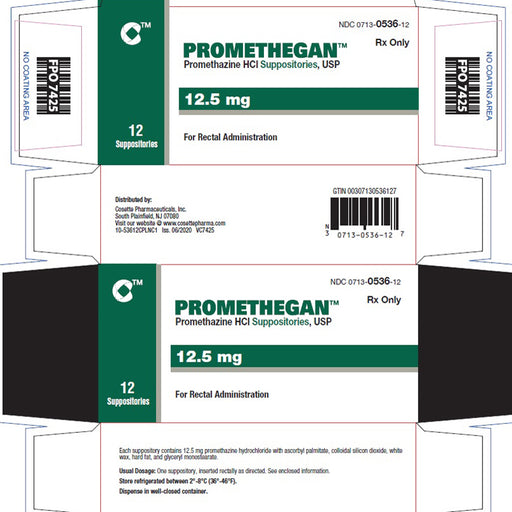
Original price $ 94.50Current price $ 79.95Promethegan Promethazine HCL Suppositories 12.5mg Cosette Pharma, 12 Count
No reviewsPromethegan Promethazine HCL Suppositories 12.5mg is indicated to treat rhinitis, allergic conjunctivitis, allergic reactions to blood or plasma, d...
View full details🔒 Medical License Required


People Also Searched For
Promethazine to doctor-only
Promethazine to Promethazine Hydrochloride
Promethazine to Antihistamine
Promethazine to Histamine blocker
Promethazine to Motion Sickness
Promethazine to Motion SIckness Relief
Nausea Relief Medicines
Allergic Reaction Medications
Antihistamine Medicines
Motion Sickness Relief Products
Promethazine Medications
Promethazine is a medication that belongs to the class of drugs known as antihistamines. More specifically, it's an older, first-generation antihistamine (brand name example: Phenergan) that has multiple uses beyond just allergy relief.
Promethazine medications are trusted, FDA-approved, multi-purpose solutions prescribed by physicians and pharmacists worldwide to deliver rapid, effective relief from nausea, vomiting, motion sickness, allergy symptoms, runny nose, sneezing, itching, hives, rash, insomnia, and cough. Available in convenient tablet, syrup, suppository, and injectable formulations, Promethazine offers reliable symptom control for both adults and children in a variety of clinical settings.
Uses & Applications
- Allergy & Hay Fever Relief: Reduces watery eyes, runny nose, sneezing, itching, and allergic skin reactions.
- Nausea & Vomiting Treatment: Highly effective for morning sickness, post-operative nausea, and chemo/radiation-related nausea.
- Motion Sickness Prevention: Gold-standard medicine for travel, cruises, and car rides.
- Cough & Cold Symptom Relief: Often combined with codeine or dextromethorphan for soothing stubborn cough.
- Sleep Aid: Commonly used off-label for insomnia associated with allergies, colds, or travel.
- Pre-Surgical, Hospital, and Emergency Use: Reduces nausea for surgery, anesthesia, and pain medicine regimens.
Most Popular Promethazine Formulations
- Promethazine HCl Tablets 12.5mg, 25mg, 50mg
- Promethazine Syrup (ideal for children and those who have trouble swallowing pills)
- Promethazine Suppositories
- Promethazine Injection (for rapid relief in hospital or ER settings)
- Promethazine with Codeine Syrup (prescription only, for cough; not for children under 12)
Say goodbye to nausea, allergies, cough, and sleepless nights—choose doctor-recommended Promethazine Medications for fast, trusted relief. Order your FDA-approved promethazine solution now for multi-symptom comfort, whether at home, travel, hospital, or on the go!
Types of Promethazine
Promethazine Dosage
Promethazine Side Effects
Types of Promethazine refer to the different forms and preparations in which promethazine is available for use. Promethazine, being an antihistamine with various uses (allergy relief, anti-nausea, sedative), comes in multiple dosage forms to accommodate different patient needs and routes of administration. Here are the main types/forms of promethazine:
-
Promethazine Tablets (Oral Tablets): These are pills taken by mouth. Common strengths are 12.5 mg, 25 mg, and 50 mg of promethazine (usually as the hydrochloride salt). Tablets are often used for adults and older children who can swallow pills. For example, Phenergan is a popular brand name for promethazine tablets (though brand names can vary by country, and many generic versions are available). Tablet form is often used for allergies, motion sickness prophylaxis, or as a nighttime sedative. People might take a 25 mg tablet at bedtime for allergic rhinitis, for instance, or 25 mg before a flight to prevent motion sickness.
-
Promethazine Syrup (Oral Liquid): This is a liquid form of promethazine that can be swallowed. It’s typically flavored to make it more palatable (often a sweet, fruity flavor since it’s sometimes used in kids). A common concentration is 6.25 mg per 5 mL, though some formulations might be 5 mg/5 mL or Promethazine with codeine syrups will have promethazine 6.25 mg + codeine 10 mg per 5 mL, for example). The syrup is useful for children or anyone who has difficulty swallowing tablets. It allows for flexible dosing (you can measure out exactly what you need) and typically comes with a measuring cup or spoon. Promethazine syrup is often used to treat cough and cold symptoms (usually in combination with other ingredients), to relieve allergy symptoms, or to treat nausea. There are specialized syrup combos like:
- Promethazine VC syrup: promethazine with a decongestant (phenylephrine) – used for cold symptoms.
- Promethazine DM syrup: promethazine with dextromethorphan (a cough suppressant).
- Promethazine with Codeine syrup: promethazine combined with the opioid codeine – a prescription cough syrup for short-term use in adults (and in some older teens, though restrictions apply because of codeine).
-
Promethazine Suppositories (Rectal): These are solid, bullet-shaped dosage forms that are inserted into the rectum, where the medication is absorbed through the rectal mucosa. They come usually in 12.5 mg, 25 mg, and 50 mg strengths (matching the tablet doses). Brand example: Promethegan is a brand name for promethazine suppositories. Rectal promethazine is particularly useful for patients who are vomiting and can’t keep oral medication down, or for children who can’t take pills or liquids due to vomiting. They’re often used to treat nausea/vomiting (say, if someone has the stomach flu or a migraine causing vomiting, a suppository can deliver the medicine when oral won’t stay down). Another use is as a nighttime dose for allergies or sedation if someone prefers that route or if oral causes too much stomach upset. It’s worth noting that you keep suppositories stored properly (usually refrigeration) to ensure they stay firm and don’t melt before use.
-
Promethazine Injection (Intramuscular/Intravenous): Promethazine for injection typically comes in a solution form in vials, often at concentrations like 25 mg/mL or 50 mg/mL. This form is used in healthcare settings (hospitals, clinics) and administered by professionals.
- Intramuscular (IM) Injection: Given into a large muscle (like the gluteus or thigh). IM is generally preferred over IV for promethazine if possible, because IV promethazine can be irritating to veins. IM promethazine might be used for a severe allergic reaction as an adjunct to epinephrine, or for severe nausea when immediate effect is desired (like in an emergency room).
- Intravenous (IV) Injection: Given directly into a vein. IV promethazine works very quickly (within minutes for nausea or sedation), but it must be given very carefully. It is typically diluted and given slowly because promethazine can cause tissue damage if it leaks out of the vein (extravasation) or if given too fast. Due to risk of severe tissue injury (including gangrene) from IV promethazine, many hospitals have guidelines to dilute it, give the lowest effective dose, and prefer central IV lines or IM route. But it’s still used IV for post-operative nausea, or to calm a patient who is extremely agitated or anxious (for example, combined with other meds for procedural sedation). The injectable form is also used in pre-operative sedation protocols.
- The brand name Phenergan was historically used for the injectable form as well (Phenergan injection), but generic promethazine injection is common.
-
Promethazine Topical/Other Forms: Promethazine is not commonly used in topical creams or anything (unlike some other first-gen antihistamines like diphenhydramine which you see in creams). If one searches, they might find mention of promethazine in combination with other drugs for topical use in compounded creams for pain or nausea (some compounding pharmacies have tried gels for motion sickness, etc.), but these are not standard or widely available. So, practically speaking, oral, rectal, and injectable are the primary forms.
- There have been some specialized uses like promethazine in veterinary medicine (promethazine gel for pets with motion sickness, etc.), but again, not a mainstream human formulation.
-
Combination Pills (less common): There aren’t really combination pills with promethazine in them aside from multi-ingredient cold medicines (and those are usually liquids). You won’t find a “promethazine + something tablet” routinely. It’s either given by itself or in syrups with others as mentioned.
Different Salt Forms: The promethazine active ingredient is usually present as promethazine hydrochloride in most formulations. There is also promethazine teoclate (also known as promethazine theoclate), found in some products outside the US for motion sickness – it's said to cause slightly less drowsiness and often marketed directly for travel sickness. But it’s essentially the same core drug with a different salt. The dosing is similar (25 mg promethazine teoclate ~ 25 mg promethazine HCl in effect).
Use Cases Mapping to Types:
- If someone has persistent vomiting: They might be given promethazine suppositories at home or an IM injection in the ER.
- If someone has bad seasonal allergies but doesn’t mind a bit of sedation at night: They might take a 25 mg tablet at bedtime.
- If planning a road trip and gets motion sick: They might take a 25 mg tablet or 1-2 teaspoons of syrup before departure.
- If a child has an itchy rash and can’t sleep: A pediatrician might prescribe a promethazine syrup (at an appropriate dose) to relieve itching and help sleep.
- If someone is in the hospital after surgery feeling nauseated: The nurse might give 12.5 mg IV promethazine diluted in saline slowly through the IV line to settle their stomach.
In all forms, promethazine is the same active drug, and will have the same effects (antihistamine, anti-nausea, sedative) – the choice of type just depends on the situation (how fast it’s needed, whether the patient can take oral meds, and convenience).
Pros of each type:
- Tablets: Convenient, measured dose, long shelf life.
- Syrup: Flexible dosing, good for kids or those who can't swallow pills.
- Suppositories: Useful when vomiting or oral route not available.
- Injection: Rapid effect, can be used in emergencies or perioperative settings.
Cons:
- Tablets/syrup: Can cause GI upset or might not be feasible if vomiting.
- Suppositories: Some find unpleasant to use; need refrigeration.
- Injection: Painful IM injection; IV has serious tissue injury risk if not done properly and requires healthcare setting.
Conclusion: The types of promethazine basically refer to the oral forms (tablet and syrup), the rectal suppository, and the injectable form. Each type allows promethazine to be used in different clinical scenarios, making it a versatile medication for allergies, nausea, and sedation.
Promethazine Dosage can vary based on the formulation and the condition being treated. Promethazine is available in multiple forms – tablets (oral), syrup (oral liquid), rectal suppositories, and injectable – and typical dosages are well-established for each use. Below are general dosage guidelines:
Available Strengths & Forms:
- Tablets: Commonly 12.5 mg, 25 mg, and 50 mg promethazine hydrochloride per tablet.
- Oral Syrup: Often 6.25 mg per 5 mL (teaspoon) concentration. (Some syrups are 5 mg/5 mL or other strengths depending on the product.)
- Rectal Suppositories: Usually 12.5 mg, 25 mg, or 50 mg suppositories.
- Injection (IM/IV): Typically in solution of 25 mg/mL or 50 mg/mL for intramuscular or intravenous use (given by healthcare professionals in a clinical setting).
Usual Adult Dosages:
-
Allergy Relief (Allergic Rhinitis, Urticaria, etc.):
- Oral: The typical adult dose is 25 mg at bedtime to start. If needed, this can be increased to 25 mg twice daily (e.g., 25 mg in the evening and 25 mg in the morning) or adjusted to 12.5 mg before meals and at bedtime. Many adults do well on just 25 mg once at night, since it can cause drowsiness.
- Rectal: Similar dosing to oral – e.g., 25 mg suppository rectally at bedtime, or 12.5 mg rectally before meals and at bedtime if needed.
- Injection: If oral therapy is not possible, 25 mg IM or IV can be given as a single dose for allergic reactions. This dose may be repeated in 2 hours if necessary (In anaphylaxis, promethazine is an adjunct after epinephrine and other measures.)
-
Motion Sickness:
- Adults (Oral or Rectal): 25 mg taken 30 to 60 minutes before travel is the usual preventive dose. If it’s a long journey, a second 25 mg dose can be given 8-12 hours later. On subsequent travel days, some may take 25 mg in the morning and 25 mg in the evening if needed. The goal is to have promethazine on board before motion starts, to block nausea.
- (Note: Promethazine teoclate (a variant salt) is sometimes used in travel sickness tablets in certain countries at the same 25 mg dose, often taken the night before long journeys.)
-
Nausea and Vomiting:
- Adults (Oral or Rectal): Usually 12.5 mg to 25 mg every 4 to 6 hours as needed. If one is very nauseated, a doctor might start with 25 mg. For milder cases, 12.5 mg may suffice. Do not exceed 100 mg per day in divided doses. For example, an adult with vertigo-related nausea might take 25 mg at breakfast, 25 mg at lunch, 25 mg at dinner, and 25 mg at bedtime (totaling 100 mg, the max). Many patients won’t need that much; they might just take it when symptoms occur.
- Injection (IM/IV): In hospitals, 12.5 to 25 mg IM or IV can be given every 4-6 hours as needed for nausea/vomiting (such as post-surgery or during chemotherapy). The FDA recommends using no more than half the usual adult dose per injection given IV, and to dilute it, because IV promethazine can cause tissue irritation. So typically 6.25 to 12.5 mg IV per dose, repeated if needed, is used under close supervision.
-
Sedation (Sleep, Pre-operative Use):
- Adults (Oral): For a night-time sedative or to aid sleep, the usual dose is 25 to 50 mg at bedtime. For short-term insomnia, often 25 mg at night is tried first (50 mg if needed and tolerated).
- Pre-operative or Post-operative Sedation: 25 to 50 mg may be given orally or as a suppository the night before surgery or immediately after surgery to calm the patient and help with pain relief (promethazine can enhance painkiller effects).
- Injection: If used as a pre-anesthetic medication, a common IM dose is 25 to 50 mg IM given 1 hour before surgery. This helps sedation and drying of secretions.
-
As an Adjunct to Pain Medications:
- Sometimes, 12.5 to 25 mg of promethazine is given with an opioid (like meperidine or morphine) to enhance pain relief and sedation (for example in labor or for certain painful procedures). In such cases, the promethazine dose is typically on the lower side (12.5 or 25 mg IM/IV) to reduce side effects while still providing benefit. This is done under direct medical supervision.
Usual Pediatric Dosages:
-
General Rule: Promethazine is contraindicated in children under 2 years old due to the risk of severe respiratory depression. For children 2 years and above, dosing is typically weight-based or age-based, and the lowest effective dose should be used because kids can be very sensitive to promethazine’s sedative effects.
- A common guideline is 0.25 to 0.5 mg per kg of body weight per dose, up to a maximum of 25 mg per dose, given every 4-6 hours as needed. Some references note that in certain cases up to 1.1 mg/kg may be used, but that’s usually the upper limit and not routine.
- Ages 2-5 years: Typically 5 mg per dose, given 2 to 3 times a day if needed. For example, 5 mg at night for allergy or motion sickness (and 5 mg again during the day if absolutely necessary). Max around 15 mg per day for this age group.
- Ages 6-12 years: Typically 10 mg per dose. For motion sickness, 10 mg the night before travel and repeat in 6-8 hours if needed. For allergy or nausea, 10 mg every 4-6 hours as needed, not exceeding ~25 mg in a day. Some older/larger children (near 12 years) might be prescribed up to 12.5 or 25 mg at bedtime for allergies or as a one-time dose for severe motion sickness, but only under a doctor’s guidance.
- Ages above 12 (teenagers): Often can be dosed similar to adults, but usually start at the lower adult doses (e.g., 12.5 mg doses or 25 mg at bedtime) to gauge response.
Example: A 30-kg child (about 66 lbs, roughly 8-10 years old) might be dosed at 0.3 mg/kg: that’s ~9 mg per dose, so the prescriber might round to 10 mg per dose, given every 6 hours as needed for nausea.
-
Motion Sickness (Children): Give the dose 30-60 minutes before travel:
- 2-5 years: ~5 mg before travel (night before for long trips, or an hour before short trips), repeat in 6-8 hours if needed.
- 6-12 years: ~10 mg before travel, repeat in 6-8 hours if needed.
- These are general – always follow pediatric dosing your doctor provides, as some regions have specific product recommendations.
-
Allergies (Children):
- 2-5 years: 5 to 15 mg at night as a single dose (depending on severity and child’s size); or 5 mg twice a day (morning and bedtime).
- 6-12 years: 10 to 25 mg at night as a single dose; or 5-10 mg twice a day.
- Use the lowest effective dose to manage symptoms and watch for drowsiness.
-
Nausea/Vomiting (Children):
- 2-5 years: 5 mg every 4-6 hours as needed, maximum of 15 mg in a day.
- 6-12 years: 10 mg every 4-6 hours as needed, maximum of 25 mg in a day.
- A US weight-based guideline: ≥2 years old can be dosed 0.25-0.5 mg/kg per dose (max 25 mg per dose) every 4-6 hours as needed. This covers the above age-based doses (for example, a 20 kg toddler at 0.5 mg/kg would get 10 mg; a 50 kg pre-teen would max at 25 mg).
-
Sedation (Children):
- For premedication or night-time sedation, doctors may give:
- 2-5 years: ~5 to 15 mg at bedtime (often 1 mg/kg is used for pre-op; but not to exceed 25 mg).
- 6-12 years: ~10 to 25 mg at bedtime or as a single pre-op dose.
- Promethazine is not routinely used as a daily sedative in children due to the risk of side effects, but these doses might be used one-time for procedural sedation or severe insomnia under medical advice. Always under professional guidance.
Important Dosage and Safety Notes:
- Maximum Adult Dose: Typically, do not exceed 100 mg in 24 hours for an adult (whether oral, rectal, or injectable). Doses should be spread out (e.g., 25 mg four times a day = 100 mg total). Exceeding this increases risk of serious side effects (excess sedation, low blood pressure, etc.).
- Geriatric Dosing: Older adults may require lower doses (e.g., 12.5 mg instead of 25 mg) because they can be more sensitive to promethazine’s sedative and blood-pressure-lowering effects. Doctors often “start low, go slow” in the elderly.
- Administration Timing: Because promethazine can cause drowsiness, for once-daily dosing it’s usually taken at night. For multiple doses a day, many people still prefer a larger dose at bedtime (to sleep through the peak sedation) and smaller doses in daytime if needed (or even just bedtime dosing if that controls symptoms).
- Route Differences: Oral and rectal doses are essentially interchangeable in strength (use rectal if the patient can’t keep medicine down or can’t swallow). IM/IV doses are often the same mg amount as oral for a single dose (e.g., 25 mg IM for nausea), but IV must be given carefully (diluted and slowly) to avoid tissue damage. Never give promethazine by the subcutaneous (under-skin) route – it can cause severe tissue injury.
- Combo Products: If taking combination cough syrup like Promethazine VC (with decongestant) or Promethazine with Codeine, follow the specific dosing on that prescription (they typically are measured in teaspoons or milliliters, and the dosing frequency might be every 4-6 hours as needed, with limits on total teaspoons per day).
Never use in kids <2: It’s worth repeating that promethazine is contraindicated in children younger than 2 years due to the risk of fatal respiratory depression. Use extreme caution in kids 2 and up, and measure liquid doses very carefully with an appropriate syringe or dose-measuring device (not a household spoon).
Summary:
- Adults: 25 mg is a common dose (for allergies at night, for motion sickness prophylaxis, or as needed for nausea). Range 12.5 mg to 50 mg per dose depending on the situation. Max 100 mg/day split into 4 or more doses.
- Children (2-12 years): Typically 5-10 mg per dose (younger kids) or 10-25 mg per dose (older kids), given at most every 4-6 hours as needed, with a daily max that’s much lower than adults (e.g., 25 mg total per day in younger kids, maybe up to 50 mg in an adolescent close to adult weight – but guided by body weight).
- Always follow the prescribing doctor’s exact instructions. They will tailor the dose to the patient’s age, weight, and the condition being treated. If there’s any confusion about how much to take or give (especially with the liquid), consult with a pharmacist or doctor before administering.
Promethazine, like all medications, can cause side effects. Many of its side effects are related to its antihistamine action, particularly it being a sedating (first-generation) antihistamine. There are common side effects that many people may experience even at normal doses, and less common or serious side effects that are important to be aware of. Here’s a breakdown:
Common Side Effects:
-
Drowsiness / Sedation: This is the most well-known side effect of promethazine. Promethazine is classified as a “drowsy antihistamine,” meaning it crosses into the brain and can make you feel quite sleepy. For many people, even a single 25 mg dose can cause grogginess, fatigue, or a feeling of heavy sedation. This is why it’s often taken at night. The sedative effect can persist into the next day as a “hangover” effect (feeling sluggish or groggy in the morning). Obviously, do not drive, operate machinery, or do anything requiring mental alertness until you know how promethazine affects you, and ideally if you feel drowsy you should avoid those activities completely. Combining promethazine with other central nervous system depressants (like alcohol, sleeping pills, or opioids) will enhance this sedation, potentially to dangerous levels, so caution is advised.
-
Dry Mouth, Nose, and Throat: Promethazine has anticholinergic properties (like many first-gen antihistamines), which means it can cause dry mouth (feeling of cottonmouth or thirst), as well as drying of the nasal passages or throat. Some people also experience thickened mucus or an altered sense of taste. Sipping water, sucking on sugar-free candy, or chewing gum can help alleviate dry mouth.
-
Dizziness or Lightheadedness: The sedative effect can also manifest as a sort of woozy, dizzy feeling. Promethazine can cause a drop in blood pressure (especially when standing up quickly, known as orthostatic hypotension). This means when you go from sitting/lying to standing, you might feel faint or unsteady. It’s good to rise slowly to give your body time to adjust. Dizziness can also just be a direct effect on the brain’s alertness and balance. If someone experiences pronounced dizziness, they should ensure they’re in a safe position (sit or lie down) to avoid falls.
-
Headache: Some people report mild to moderate headaches when taking promethazine. This could be due to the drug’s effects on blood vessels or a reaction to the sedation. It’s not as common as drowsiness, but it can occur. Staying hydrated and resting sometimes helps; if persistent, a mild analgesic (like acetaminophen) could be considered, but one should check with a doctor if combining medications.
-
Blurred Vision: Because of its anticholinergic effects, promethazine can cause blurred vision or difficulty focusing (accommodation). You might find it a bit harder to read fine print while on the medication. This usually is temporary and will return to normal once the drug wears off. If you wear contact lenses, your eyes might feel dry (due to the dry eye effect), which can contribute to visual disturbance.
-
Constipation or Difficulty Urinating: By its anticholinergic nature, promethazine can slow down gut motility, leading to constipation if used repeatedly or for long periods. It can also make it harder to urinate, especially for men with enlarged prostates (it relaxes the bladder muscle and tightens the urinary sphincter). This is usually not an issue with a single dose or short-term use for most, but in some sensitive individuals even one or two doses might precipitate urinary retention or notable constipation. Drinking enough water and maintaining some fiber intake can help with constipation, and if urinary retention occurs (difficulty starting urination, weak stream, etc.), one should contact a doctor, particularly if one has a predisposition (like prostate issues).
-
Restlessness or Excitation (especially in children): Interestingly, while promethazine typically causes sedation, in some people – particularly children – it can have a paradoxical effect causing restlessness, agitation, or hyperactivity. A child given promethazine might become very excited, unable to sleep, or have what looks like heightened energy (paradoxical excitation). This side effect can also occur in some adults (though less often) – they may feel jittery or nervous instead of calm. If this happens, promethazine should be discontinued because it’s not having the intended effect and could even potentially lower the seizure threshold (in rare cases, excessive restlessness can precede a seizure in susceptible individuals).
-
Increased Sensitivity to Sunlight (Photosensitivity): Promethazine can make your skin more sensitive to sunlight.. This means you might sunburn more easily. It’s advised to wear sunscreen or protective clothing if you’re going out in strong sun while taking promethazine and to avoid tanning beds. This is a less common side effect, but not rare for phenothiazine-type drugs.
-
Injection Site Reactions (for IM/IV forms): If you receive promethazine via injection, pain, redness, or swelling at the injection site is a possible side effect. For IV, there’s also a risk of severe irritation, burning, or tissue damage if the IV injection is not administered correctly (promethazine is a known vesicant that can cause tissue damage if it leaks out of the vein). That’s why IV promethazine is often diluted and given slowly. If you feel burning during an IV promethazine injection, it’s important to alert the nurse/doctor immediately.
Less Common or Serious Side Effects:
-
Low Blood Pressure (Hypotension): Especially with IV promethazine or high doses, promethazine can cause a significant drop in blood pressure. This could make someone feel very faint or actually cause them to pass out. It’s one reason doses are kept moderate and monitored in a hospital setting. If taken orally at normal doses, this is less likely to be severe, but those who are on blood pressure medications or have cardiovascular disease should be cautious.
-
Allergic Reactions: Although rare, some individuals might have an allergy to promethazine. Signs would include rash, itching, swelling (especially of the face/tongue/throat), severe dizziness, or trouble breathing. This requires immediate medical attention. Some formulations of promethazine (like certain syrups) may have dyes or other ingredients that could also cause reactions in susceptible people.
-
Extrapyramidal Symptoms (EPS): Promethazine is chemically a phenothiazine (related to a class of antipsychotic medications), and in rare cases, it can cause neurological side effects like tremors, muscle stiffness, or an acute dystonic reaction (involuntary muscle contractions, e.g., twisting of neck, eye rolling). This is uncommon at typical doses for antihistamine use, but can happen especially in children or if someone takes much more than recommended. If a person develops abnormal movements or restlessness (like inability to sit still, known as akathisia), they should seek medical care – these can be treated with other medications if they occur.
-
Confusion or Disorientation: Particularly in older adults, promethazine can cause confusion, disorientation, or even hallucinations at times (due to its strong anticholinergic activity and sedative effects. Elderly patients might become very drowsy and also confused, which can raise risk of falls. For that reason, healthcare providers often use lower doses in the elderly or opt for a different, less sedating antihistamine if appropriate.
-
Respiratory Depression: This is a serious risk, especially if promethazine is combined with other sedatives like opioids or in very high doses. It can slow down breathing. This risk is highest in young children (hence the contraindication in children under 2) and when used with other central nervous system depressants. Symptoms include very slow, shallow breathing, extreme drowsiness progressing to unresponsiveness, and cyanosis (blue lips/fingertips due to lack of oxygen). This is a medical emergency. That’s why any use of promethazine with codeine (for example) is heavily regulated and not allowed in young kids, and even in older patients is given with caution.
-
Seizures: Although promethazine can be used to treat motion sickness and for sedation, at high doses or in people with seizure disorders, it might slightly lower the seizure threshold. Seizures are not a common side effect, but have been reported especially in cases of overdose or in those with severe paradoxical reactions.
-
Bone marrow effects: Very rarely, promethazine and other phenothiazines can cause blood dyscrasias like agranulocytosis (very low white blood cell count). This would present as unexplained fever, sore throat, or infections due to low immune cells. Again, extremely rare, but a theoretical risk with phenothiazine derivatives, so doctors might not use promethazine long-term.
-
Jaundice: Also extremely rare, but phenothiazines have been associated with cholestatic jaundice (a liver-related side effect where bile flow is blocked, causing yellowing of skin/eyes). If someone on promethazine notices yellowing of eyes or skin, dark urine, or severe fatigue, they should stop the drug and seek medical evaluation.
Children and Promethazine Side Effects:
- As noted, children are more prone to paradoxical reactions like restlessness, nightmares, or unusual excitement. They can also get sudden irritability or even night terrors.
- They are also at higher risk for serious breathing problems if given too high a dose or combined with other sedatives. All caregivers should strictly follow pediatric dosing guidelines.
General Guidance:
- Most people taking promethazine for short-term (like a few days for a cold or a plane trip) will primarily notice drowsiness and dry mouth. These are to be expected.
- To manage drowsiness: take the medication at a time you can rest, avoid alcohol, and do not put yourself in situations where falling asleep would be dangerous.
- To manage dry mouth: keep water handy, chew sugarless gum, maintain good oral hygiene to prevent discomfort or dental issues.
- To manage lightheadedness: stand up slowly from sitting/lying positions, and ask for help if you feel unsteady.
- If any side effect is severe or concerning (like extreme sedation, confusion, difficulty breathing, rash, etc.), seek medical help promptly.
Overdose Awareness:
- Taking too much promethazine can cause very strong sedation, seizures, unconsciousness, dilated pupils, flushed face, fever, and can be life-threatening (particularly due to respiratory depression and potential heart rhythm issues). Always adhere to prescribed amounts. Keep it out of reach of children, as even a small number of adult-strength tablets can be dangerous for a child.
Conclusion: Promethazine’s side effect profile is dominated by its sedative and anticholinergic effects: expect drowsiness, dry mouth, dizziness, possibly blurred vision or constipation. Most of these are manageable or wear off as the drug is metabolized (promethazine’s effects usually last 4-6 hours, though sedation can linger a bit longer). Serious side effects are uncommon when used at appropriate doses, but caution is needed in certain populations (young kids, the elderly, those on other sedatives). Always use promethazine under guidance and report any severe or unusual symptoms to a healthcare provider.
Types of Promethazine
Types of Promethazine refer to the different forms and preparations in which promethazine is available for use. Promethazine, being an antihistamine with various uses (allergy relief, anti-nausea, sedative), comes in multiple dosage forms to accommodate different patient needs and routes of administration. Here are the main types/forms of promethazine:
-
Promethazine Tablets (Oral Tablets): These are pills taken by mouth. Common strengths are 12.5 mg, 25 mg, and 50 mg of promethazine (usually as the hydrochloride salt). Tablets are often used for adults and older children who can swallow pills. For example, Phenergan is a popular brand name for promethazine tablets (though brand names can vary by country, and many generic versions are available). Tablet form is often used for allergies, motion sickness prophylaxis, or as a nighttime sedative. People might take a 25 mg tablet at bedtime for allergic rhinitis, for instance, or 25 mg before a flight to prevent motion sickness.
-
Promethazine Syrup (Oral Liquid): This is a liquid form of promethazine that can be swallowed. It’s typically flavored to make it more palatable (often a sweet, fruity flavor since it’s sometimes used in kids). A common concentration is 6.25 mg per 5 mL, though some formulations might be 5 mg/5 mL or Promethazine with codeine syrups will have promethazine 6.25 mg + codeine 10 mg per 5 mL, for example). The syrup is useful for children or anyone who has difficulty swallowing tablets. It allows for flexible dosing (you can measure out exactly what you need) and typically comes with a measuring cup or spoon. Promethazine syrup is often used to treat cough and cold symptoms (usually in combination with other ingredients), to relieve allergy symptoms, or to treat nausea. There are specialized syrup combos like:
- Promethazine VC syrup: promethazine with a decongestant (phenylephrine) – used for cold symptoms.
- Promethazine DM syrup: promethazine with dextromethorphan (a cough suppressant).
- Promethazine with Codeine syrup: promethazine combined with the opioid codeine – a prescription cough syrup for short-term use in adults (and in some older teens, though restrictions apply because of codeine).
-
Promethazine Suppositories (Rectal): These are solid, bullet-shaped dosage forms that are inserted into the rectum, where the medication is absorbed through the rectal mucosa. They come usually in 12.5 mg, 25 mg, and 50 mg strengths (matching the tablet doses). Brand example: Promethegan is a brand name for promethazine suppositories. Rectal promethazine is particularly useful for patients who are vomiting and can’t keep oral medication down, or for children who can’t take pills or liquids due to vomiting. They’re often used to treat nausea/vomiting (say, if someone has the stomach flu or a migraine causing vomiting, a suppository can deliver the medicine when oral won’t stay down). Another use is as a nighttime dose for allergies or sedation if someone prefers that route or if oral causes too much stomach upset. It’s worth noting that you keep suppositories stored properly (usually refrigeration) to ensure they stay firm and don’t melt before use.
-
Promethazine Injection (Intramuscular/Intravenous): Promethazine for injection typically comes in a solution form in vials, often at concentrations like 25 mg/mL or 50 mg/mL. This form is used in healthcare settings (hospitals, clinics) and administered by professionals.
- Intramuscular (IM) Injection: Given into a large muscle (like the gluteus or thigh). IM is generally preferred over IV for promethazine if possible, because IV promethazine can be irritating to veins. IM promethazine might be used for a severe allergic reaction as an adjunct to epinephrine, or for severe nausea when immediate effect is desired (like in an emergency room).
- Intravenous (IV) Injection: Given directly into a vein. IV promethazine works very quickly (within minutes for nausea or sedation), but it must be given very carefully. It is typically diluted and given slowly because promethazine can cause tissue damage if it leaks out of the vein (extravasation) or if given too fast. Due to risk of severe tissue injury (including gangrene) from IV promethazine, many hospitals have guidelines to dilute it, give the lowest effective dose, and prefer central IV lines or IM route. But it’s still used IV for post-operative nausea, or to calm a patient who is extremely agitated or anxious (for example, combined with other meds for procedural sedation). The injectable form is also used in pre-operative sedation protocols.
- The brand name Phenergan was historically used for the injectable form as well (Phenergan injection), but generic promethazine injection is common.
-
Promethazine Topical/Other Forms: Promethazine is not commonly used in topical creams or anything (unlike some other first-gen antihistamines like diphenhydramine which you see in creams). If one searches, they might find mention of promethazine in combination with other drugs for topical use in compounded creams for pain or nausea (some compounding pharmacies have tried gels for motion sickness, etc.), but these are not standard or widely available. So, practically speaking, oral, rectal, and injectable are the primary forms.
- There have been some specialized uses like promethazine in veterinary medicine (promethazine gel for pets with motion sickness, etc.), but again, not a mainstream human formulation.
-
Combination Pills (less common): There aren’t really combination pills with promethazine in them aside from multi-ingredient cold medicines (and those are usually liquids). You won’t find a “promethazine + something tablet” routinely. It’s either given by itself or in syrups with others as mentioned.
Different Salt Forms: The promethazine active ingredient is usually present as promethazine hydrochloride in most formulations. There is also promethazine teoclate (also known as promethazine theoclate), found in some products outside the US for motion sickness – it's said to cause slightly less drowsiness and often marketed directly for travel sickness. But it’s essentially the same core drug with a different salt. The dosing is similar (25 mg promethazine teoclate ~ 25 mg promethazine HCl in effect).
Use Cases Mapping to Types:
- If someone has persistent vomiting: They might be given promethazine suppositories at home or an IM injection in the ER.
- If someone has bad seasonal allergies but doesn’t mind a bit of sedation at night: They might take a 25 mg tablet at bedtime.
- If planning a road trip and gets motion sick: They might take a 25 mg tablet or 1-2 teaspoons of syrup before departure.
- If a child has an itchy rash and can’t sleep: A pediatrician might prescribe a promethazine syrup (at an appropriate dose) to relieve itching and help sleep.
- If someone is in the hospital after surgery feeling nauseated: The nurse might give 12.5 mg IV promethazine diluted in saline slowly through the IV line to settle their stomach.
In all forms, promethazine is the same active drug, and will have the same effects (antihistamine, anti-nausea, sedative) – the choice of type just depends on the situation (how fast it’s needed, whether the patient can take oral meds, and convenience).
Pros of each type:
- Tablets: Convenient, measured dose, long shelf life.
- Syrup: Flexible dosing, good for kids or those who can't swallow pills.
- Suppositories: Useful when vomiting or oral route not available.
- Injection: Rapid effect, can be used in emergencies or perioperative settings.
Cons:
- Tablets/syrup: Can cause GI upset or might not be feasible if vomiting.
- Suppositories: Some find unpleasant to use; need refrigeration.
- Injection: Painful IM injection; IV has serious tissue injury risk if not done properly and requires healthcare setting.
Conclusion: The types of promethazine basically refer to the oral forms (tablet and syrup), the rectal suppository, and the injectable form. Each type allows promethazine to be used in different clinical scenarios, making it a versatile medication for allergies, nausea, and sedation.
Promethazine Dosage
Promethazine Dosage can vary based on the formulation and the condition being treated. Promethazine is available in multiple forms – tablets (oral), syrup (oral liquid), rectal suppositories, and injectable – and typical dosages are well-established for each use. Below are general dosage guidelines:
Available Strengths & Forms:
- Tablets: Commonly 12.5 mg, 25 mg, and 50 mg promethazine hydrochloride per tablet.
- Oral Syrup: Often 6.25 mg per 5 mL (teaspoon) concentration. (Some syrups are 5 mg/5 mL or other strengths depending on the product.)
- Rectal Suppositories: Usually 12.5 mg, 25 mg, or 50 mg suppositories.
- Injection (IM/IV): Typically in solution of 25 mg/mL or 50 mg/mL for intramuscular or intravenous use (given by healthcare professionals in a clinical setting).
Usual Adult Dosages:
-
Allergy Relief (Allergic Rhinitis, Urticaria, etc.):
- Oral: The typical adult dose is 25 mg at bedtime to start. If needed, this can be increased to 25 mg twice daily (e.g., 25 mg in the evening and 25 mg in the morning) or adjusted to 12.5 mg before meals and at bedtime. Many adults do well on just 25 mg once at night, since it can cause drowsiness.
- Rectal: Similar dosing to oral – e.g., 25 mg suppository rectally at bedtime, or 12.5 mg rectally before meals and at bedtime if needed.
- Injection: If oral therapy is not possible, 25 mg IM or IV can be given as a single dose for allergic reactions. This dose may be repeated in 2 hours if necessary (In anaphylaxis, promethazine is an adjunct after epinephrine and other measures.)
-
Motion Sickness:
- Adults (Oral or Rectal): 25 mg taken 30 to 60 minutes before travel is the usual preventive dose. If it’s a long journey, a second 25 mg dose can be given 8-12 hours later. On subsequent travel days, some may take 25 mg in the morning and 25 mg in the evening if needed. The goal is to have promethazine on board before motion starts, to block nausea.
- (Note: Promethazine teoclate (a variant salt) is sometimes used in travel sickness tablets in certain countries at the same 25 mg dose, often taken the night before long journeys.)
-
Nausea and Vomiting:
- Adults (Oral or Rectal): Usually 12.5 mg to 25 mg every 4 to 6 hours as needed. If one is very nauseated, a doctor might start with 25 mg. For milder cases, 12.5 mg may suffice. Do not exceed 100 mg per day in divided doses. For example, an adult with vertigo-related nausea might take 25 mg at breakfast, 25 mg at lunch, 25 mg at dinner, and 25 mg at bedtime (totaling 100 mg, the max). Many patients won’t need that much; they might just take it when symptoms occur.
- Injection (IM/IV): In hospitals, 12.5 to 25 mg IM or IV can be given every 4-6 hours as needed for nausea/vomiting (such as post-surgery or during chemotherapy). The FDA recommends using no more than half the usual adult dose per injection given IV, and to dilute it, because IV promethazine can cause tissue irritation. So typically 6.25 to 12.5 mg IV per dose, repeated if needed, is used under close supervision.
-
Sedation (Sleep, Pre-operative Use):
- Adults (Oral): For a night-time sedative or to aid sleep, the usual dose is 25 to 50 mg at bedtime. For short-term insomnia, often 25 mg at night is tried first (50 mg if needed and tolerated).
- Pre-operative or Post-operative Sedation: 25 to 50 mg may be given orally or as a suppository the night before surgery or immediately after surgery to calm the patient and help with pain relief (promethazine can enhance painkiller effects).
- Injection: If used as a pre-anesthetic medication, a common IM dose is 25 to 50 mg IM given 1 hour before surgery. This helps sedation and drying of secretions.
-
As an Adjunct to Pain Medications:
- Sometimes, 12.5 to 25 mg of promethazine is given with an opioid (like meperidine or morphine) to enhance pain relief and sedation (for example in labor or for certain painful procedures). In such cases, the promethazine dose is typically on the lower side (12.5 or 25 mg IM/IV) to reduce side effects while still providing benefit. This is done under direct medical supervision.
Usual Pediatric Dosages:
-
General Rule: Promethazine is contraindicated in children under 2 years old due to the risk of severe respiratory depression. For children 2 years and above, dosing is typically weight-based or age-based, and the lowest effective dose should be used because kids can be very sensitive to promethazine’s sedative effects.
- A common guideline is 0.25 to 0.5 mg per kg of body weight per dose, up to a maximum of 25 mg per dose, given every 4-6 hours as needed. Some references note that in certain cases up to 1.1 mg/kg may be used, but that’s usually the upper limit and not routine.
- Ages 2-5 years: Typically 5 mg per dose, given 2 to 3 times a day if needed. For example, 5 mg at night for allergy or motion sickness (and 5 mg again during the day if absolutely necessary). Max around 15 mg per day for this age group.
- Ages 6-12 years: Typically 10 mg per dose. For motion sickness, 10 mg the night before travel and repeat in 6-8 hours if needed. For allergy or nausea, 10 mg every 4-6 hours as needed, not exceeding ~25 mg in a day. Some older/larger children (near 12 years) might be prescribed up to 12.5 or 25 mg at bedtime for allergies or as a one-time dose for severe motion sickness, but only under a doctor’s guidance.
- Ages above 12 (teenagers): Often can be dosed similar to adults, but usually start at the lower adult doses (e.g., 12.5 mg doses or 25 mg at bedtime) to gauge response.
Example: A 30-kg child (about 66 lbs, roughly 8-10 years old) might be dosed at 0.3 mg/kg: that’s ~9 mg per dose, so the prescriber might round to 10 mg per dose, given every 6 hours as needed for nausea.
-
Motion Sickness (Children): Give the dose 30-60 minutes before travel:
- 2-5 years: ~5 mg before travel (night before for long trips, or an hour before short trips), repeat in 6-8 hours if needed.
- 6-12 years: ~10 mg before travel, repeat in 6-8 hours if needed.
- These are general – always follow pediatric dosing your doctor provides, as some regions have specific product recommendations.
-
Allergies (Children):
- 2-5 years: 5 to 15 mg at night as a single dose (depending on severity and child’s size); or 5 mg twice a day (morning and bedtime).
- 6-12 years: 10 to 25 mg at night as a single dose; or 5-10 mg twice a day.
- Use the lowest effective dose to manage symptoms and watch for drowsiness.
-
Nausea/Vomiting (Children):
- 2-5 years: 5 mg every 4-6 hours as needed, maximum of 15 mg in a day.
- 6-12 years: 10 mg every 4-6 hours as needed, maximum of 25 mg in a day.
- A US weight-based guideline: ≥2 years old can be dosed 0.25-0.5 mg/kg per dose (max 25 mg per dose) every 4-6 hours as needed. This covers the above age-based doses (for example, a 20 kg toddler at 0.5 mg/kg would get 10 mg; a 50 kg pre-teen would max at 25 mg).
-
Sedation (Children):
- For premedication or night-time sedation, doctors may give:
- 2-5 years: ~5 to 15 mg at bedtime (often 1 mg/kg is used for pre-op; but not to exceed 25 mg).
- 6-12 years: ~10 to 25 mg at bedtime or as a single pre-op dose.
- Promethazine is not routinely used as a daily sedative in children due to the risk of side effects, but these doses might be used one-time for procedural sedation or severe insomnia under medical advice. Always under professional guidance.
Important Dosage and Safety Notes:
- Maximum Adult Dose: Typically, do not exceed 100 mg in 24 hours for an adult (whether oral, rectal, or injectable). Doses should be spread out (e.g., 25 mg four times a day = 100 mg total). Exceeding this increases risk of serious side effects (excess sedation, low blood pressure, etc.).
- Geriatric Dosing: Older adults may require lower doses (e.g., 12.5 mg instead of 25 mg) because they can be more sensitive to promethazine’s sedative and blood-pressure-lowering effects. Doctors often “start low, go slow” in the elderly.
- Administration Timing: Because promethazine can cause drowsiness, for once-daily dosing it’s usually taken at night. For multiple doses a day, many people still prefer a larger dose at bedtime (to sleep through the peak sedation) and smaller doses in daytime if needed (or even just bedtime dosing if that controls symptoms).
- Route Differences: Oral and rectal doses are essentially interchangeable in strength (use rectal if the patient can’t keep medicine down or can’t swallow). IM/IV doses are often the same mg amount as oral for a single dose (e.g., 25 mg IM for nausea), but IV must be given carefully (diluted and slowly) to avoid tissue damage. Never give promethazine by the subcutaneous (under-skin) route – it can cause severe tissue injury.
- Combo Products: If taking combination cough syrup like Promethazine VC (with decongestant) or Promethazine with Codeine, follow the specific dosing on that prescription (they typically are measured in teaspoons or milliliters, and the dosing frequency might be every 4-6 hours as needed, with limits on total teaspoons per day).
Never use in kids <2: It’s worth repeating that promethazine is contraindicated in children younger than 2 years due to the risk of fatal respiratory depression. Use extreme caution in kids 2 and up, and measure liquid doses very carefully with an appropriate syringe or dose-measuring device (not a household spoon).
Summary:
- Adults: 25 mg is a common dose (for allergies at night, for motion sickness prophylaxis, or as needed for nausea). Range 12.5 mg to 50 mg per dose depending on the situation. Max 100 mg/day split into 4 or more doses.
- Children (2-12 years): Typically 5-10 mg per dose (younger kids) or 10-25 mg per dose (older kids), given at most every 4-6 hours as needed, with a daily max that’s much lower than adults (e.g., 25 mg total per day in younger kids, maybe up to 50 mg in an adolescent close to adult weight – but guided by body weight).
- Always follow the prescribing doctor’s exact instructions. They will tailor the dose to the patient’s age, weight, and the condition being treated. If there’s any confusion about how much to take or give (especially with the liquid), consult with a pharmacist or doctor before administering.
Promethazine Side Effects
Promethazine, like all medications, can cause side effects. Many of its side effects are related to its antihistamine action, particularly it being a sedating (first-generation) antihistamine. There are common side effects that many people may experience even at normal doses, and less common or serious side effects that are important to be aware of. Here’s a breakdown:
Common Side Effects:
-
Drowsiness / Sedation: This is the most well-known side effect of promethazine. Promethazine is classified as a “drowsy antihistamine,” meaning it crosses into the brain and can make you feel quite sleepy. For many people, even a single 25 mg dose can cause grogginess, fatigue, or a feeling of heavy sedation. This is why it’s often taken at night. The sedative effect can persist into the next day as a “hangover” effect (feeling sluggish or groggy in the morning). Obviously, do not drive, operate machinery, or do anything requiring mental alertness until you know how promethazine affects you, and ideally if you feel drowsy you should avoid those activities completely. Combining promethazine with other central nervous system depressants (like alcohol, sleeping pills, or opioids) will enhance this sedation, potentially to dangerous levels, so caution is advised.
-
Dry Mouth, Nose, and Throat: Promethazine has anticholinergic properties (like many first-gen antihistamines), which means it can cause dry mouth (feeling of cottonmouth or thirst), as well as drying of the nasal passages or throat. Some people also experience thickened mucus or an altered sense of taste. Sipping water, sucking on sugar-free candy, or chewing gum can help alleviate dry mouth.
-
Dizziness or Lightheadedness: The sedative effect can also manifest as a sort of woozy, dizzy feeling. Promethazine can cause a drop in blood pressure (especially when standing up quickly, known as orthostatic hypotension). This means when you go from sitting/lying to standing, you might feel faint or unsteady. It’s good to rise slowly to give your body time to adjust. Dizziness can also just be a direct effect on the brain’s alertness and balance. If someone experiences pronounced dizziness, they should ensure they’re in a safe position (sit or lie down) to avoid falls.
-
Headache: Some people report mild to moderate headaches when taking promethazine. This could be due to the drug’s effects on blood vessels or a reaction to the sedation. It’s not as common as drowsiness, but it can occur. Staying hydrated and resting sometimes helps; if persistent, a mild analgesic (like acetaminophen) could be considered, but one should check with a doctor if combining medications.
-
Blurred Vision: Because of its anticholinergic effects, promethazine can cause blurred vision or difficulty focusing (accommodation). You might find it a bit harder to read fine print while on the medication. This usually is temporary and will return to normal once the drug wears off. If you wear contact lenses, your eyes might feel dry (due to the dry eye effect), which can contribute to visual disturbance.
-
Constipation or Difficulty Urinating: By its anticholinergic nature, promethazine can slow down gut motility, leading to constipation if used repeatedly or for long periods. It can also make it harder to urinate, especially for men with enlarged prostates (it relaxes the bladder muscle and tightens the urinary sphincter). This is usually not an issue with a single dose or short-term use for most, but in some sensitive individuals even one or two doses might precipitate urinary retention or notable constipation. Drinking enough water and maintaining some fiber intake can help with constipation, and if urinary retention occurs (difficulty starting urination, weak stream, etc.), one should contact a doctor, particularly if one has a predisposition (like prostate issues).
-
Restlessness or Excitation (especially in children): Interestingly, while promethazine typically causes sedation, in some people – particularly children – it can have a paradoxical effect causing restlessness, agitation, or hyperactivity. A child given promethazine might become very excited, unable to sleep, or have what looks like heightened energy (paradoxical excitation). This side effect can also occur in some adults (though less often) – they may feel jittery or nervous instead of calm. If this happens, promethazine should be discontinued because it’s not having the intended effect and could even potentially lower the seizure threshold (in rare cases, excessive restlessness can precede a seizure in susceptible individuals).
-
Increased Sensitivity to Sunlight (Photosensitivity): Promethazine can make your skin more sensitive to sunlight.. This means you might sunburn more easily. It’s advised to wear sunscreen or protective clothing if you’re going out in strong sun while taking promethazine and to avoid tanning beds. This is a less common side effect, but not rare for phenothiazine-type drugs.
-
Injection Site Reactions (for IM/IV forms): If you receive promethazine via injection, pain, redness, or swelling at the injection site is a possible side effect. For IV, there’s also a risk of severe irritation, burning, or tissue damage if the IV injection is not administered correctly (promethazine is a known vesicant that can cause tissue damage if it leaks out of the vein). That’s why IV promethazine is often diluted and given slowly. If you feel burning during an IV promethazine injection, it’s important to alert the nurse/doctor immediately.
Less Common or Serious Side Effects:
-
Low Blood Pressure (Hypotension): Especially with IV promethazine or high doses, promethazine can cause a significant drop in blood pressure. This could make someone feel very faint or actually cause them to pass out. It’s one reason doses are kept moderate and monitored in a hospital setting. If taken orally at normal doses, this is less likely to be severe, but those who are on blood pressure medications or have cardiovascular disease should be cautious.
-
Allergic Reactions: Although rare, some individuals might have an allergy to promethazine. Signs would include rash, itching, swelling (especially of the face/tongue/throat), severe dizziness, or trouble breathing. This requires immediate medical attention. Some formulations of promethazine (like certain syrups) may have dyes or other ingredients that could also cause reactions in susceptible people.
-
Extrapyramidal Symptoms (EPS): Promethazine is chemically a phenothiazine (related to a class of antipsychotic medications), and in rare cases, it can cause neurological side effects like tremors, muscle stiffness, or an acute dystonic reaction (involuntary muscle contractions, e.g., twisting of neck, eye rolling). This is uncommon at typical doses for antihistamine use, but can happen especially in children or if someone takes much more than recommended. If a person develops abnormal movements or restlessness (like inability to sit still, known as akathisia), they should seek medical care – these can be treated with other medications if they occur.
-
Confusion or Disorientation: Particularly in older adults, promethazine can cause confusion, disorientation, or even hallucinations at times (due to its strong anticholinergic activity and sedative effects. Elderly patients might become very drowsy and also confused, which can raise risk of falls. For that reason, healthcare providers often use lower doses in the elderly or opt for a different, less sedating antihistamine if appropriate.
-
Respiratory Depression: This is a serious risk, especially if promethazine is combined with other sedatives like opioids or in very high doses. It can slow down breathing. This risk is highest in young children (hence the contraindication in children under 2) and when used with other central nervous system depressants. Symptoms include very slow, shallow breathing, extreme drowsiness progressing to unresponsiveness, and cyanosis (blue lips/fingertips due to lack of oxygen). This is a medical emergency. That’s why any use of promethazine with codeine (for example) is heavily regulated and not allowed in young kids, and even in older patients is given with caution.
-
Seizures: Although promethazine can be used to treat motion sickness and for sedation, at high doses or in people with seizure disorders, it might slightly lower the seizure threshold. Seizures are not a common side effect, but have been reported especially in cases of overdose or in those with severe paradoxical reactions.
-
Bone marrow effects: Very rarely, promethazine and other phenothiazines can cause blood dyscrasias like agranulocytosis (very low white blood cell count). This would present as unexplained fever, sore throat, or infections due to low immune cells. Again, extremely rare, but a theoretical risk with phenothiazine derivatives, so doctors might not use promethazine long-term.
-
Jaundice: Also extremely rare, but phenothiazines have been associated with cholestatic jaundice (a liver-related side effect where bile flow is blocked, causing yellowing of skin/eyes). If someone on promethazine notices yellowing of eyes or skin, dark urine, or severe fatigue, they should stop the drug and seek medical evaluation.
Children and Promethazine Side Effects:
- As noted, children are more prone to paradoxical reactions like restlessness, nightmares, or unusual excitement. They can also get sudden irritability or even night terrors.
- They are also at higher risk for serious breathing problems if given too high a dose or combined with other sedatives. All caregivers should strictly follow pediatric dosing guidelines.
General Guidance:
- Most people taking promethazine for short-term (like a few days for a cold or a plane trip) will primarily notice drowsiness and dry mouth. These are to be expected.
- To manage drowsiness: take the medication at a time you can rest, avoid alcohol, and do not put yourself in situations where falling asleep would be dangerous.
- To manage dry mouth: keep water handy, chew sugarless gum, maintain good oral hygiene to prevent discomfort or dental issues.
- To manage lightheadedness: stand up slowly from sitting/lying positions, and ask for help if you feel unsteady.
- If any side effect is severe or concerning (like extreme sedation, confusion, difficulty breathing, rash, etc.), seek medical help promptly.
Overdose Awareness:
- Taking too much promethazine can cause very strong sedation, seizures, unconsciousness, dilated pupils, flushed face, fever, and can be life-threatening (particularly due to respiratory depression and potential heart rhythm issues). Always adhere to prescribed amounts. Keep it out of reach of children, as even a small number of adult-strength tablets can be dangerous for a child.
Conclusion: Promethazine’s side effect profile is dominated by its sedative and anticholinergic effects: expect drowsiness, dry mouth, dizziness, possibly blurred vision or constipation. Most of these are manageable or wear off as the drug is metabolized (promethazine’s effects usually last 4-6 hours, though sedation can linger a bit longer). Serious side effects are uncommon when used at appropriate doses, but caution is needed in certain populations (young kids, the elderly, those on other sedatives). Always use promethazine under guidance and report any severe or unusual symptoms to a healthcare provider.