
Filters
Availability
Price
$
-
$
$0
$2099
Vendor
Collection
Tags
- Ambu Bag (1)
- Lifesaver (1)
- Manual Resuscitation (7)
- Manual Resuscitation Bag (1)
- Manual Resuscitator (1)
- cardiopulmonary resuscitation (4)
- CPR (2)
- CPR Resuscitation (7)
- Narcan (1)
- Pocket Mask (1)
- Resuscitation Mask (2)
- CPR Maks (1)
- HUD5372 (2)
- Adult Mask (1)
- Resuscitator Mask (1)
- Emergency Medical Supplies (1)
- first responder (1)
- cpr (1)
- CPR Barrier Mask (1)
- cpr face mask (2)
- Cpr Rescue (1)
- Emergency CPR (1)
- first aid (1)
- first aid supplies (1)
- Rescue Mask (1)
- Kid CPR Maks (1)
- Pediatric Resuscitator Mask (1)
- bag Holder (1)
- Bracket (1)
- Wall Mount (1)
- Live Saving Mask (1)
BVM (Bag Valve Masks), Ambu Bags, CPR Masks
What are Bag Valve Masks (BVMs)?
A Bag Valve Mask (BVM), also known as a manual resuscitator, is a handheld medical device used to provide positive pressure ventilation to people who are not breathing adequately or are not breathing at all. BVMs are essential emergency airway management tools used in ambulances, hospitals, and various emergency settings.
What are Ambu Bags?
Ambu bag is a term commonly used for BVMs. The word “Ambu” comes from Ambu®, a company that invented the first self-inflating resuscitator in 1956. While “Ambu bag” started as a brand name, it is now widely used to describe any self-inflating resuscitation bag.
How Do Bag Valve Masks/Ambu Bags Work?
- Components: A BVM consists of a self-inflating bag, a one-way valve, and a face mask (or airway tube attachment) that fits over the patient’s mouth and nose.
-
Function:
- When the bag is squeezed (manually compressed), it forces air or oxygen through the valve and mask into the patient’s lungs.
- The one-way valve ensures that air only flows into the patient during compression and allows the patient’s exhaled air to escape safely.
- The device can be connected to an oxygen source for higher oxygen delivery (up to 100% O₂).
-
Purpose:
- Provides artificial ventilation until the patient can breathe independently or until advanced airway intervention is established.
- Used in cardiopulmonary resuscitation (CPR), respiratory failure, and anesthesia.
When and Who Uses BVM/Ambu Bags?
- Emergencies: Cardiac arrest, respiratory arrest, drug overdose, severe asthma attacks, drowning, and trauma.
- Used by: EMS personnel, paramedics, nurses, doctors, and trained first responders.
How to Use a Bag Valve Mask (Step by Step):
-
Position the Patient:
- Place the patient on their back.
- Open the airway using the head-tilt, chin-lift or jaw-thrust maneuver (if spinal injury is suspected).
-
Ensure a Good Seal:
- Place the face mask over the nose and mouth, ensuring a tight seal to prevent air leakage.
-
Ventilation:
- Hold the mask firmly with one hand (EC Clamp technique: thumb and index finger in a “C” shape around the mask, remaining fingers under the jaw in an “E” shape to maintain airway).
- Squeeze the bag smoothly with the other hand.
- Rate: Typically, 1 breath every 5–6 seconds in adults (10–12 breaths per minute), every 3 seconds in infants/children (20 breaths/min). Observe chest rise with each squeeze—avoid over-ventilation.
-
Attach to Oxygen:
- If available, connect the oxygen reservoir and tubing to an oxygen source and set the appropriate flow rate (usually 10–15 L/min).
-
Observe Airway and Breathing:
- Watch for adequate chest rise.
- Listen for air escape and signs of effective ventilation.
- Check for obstructions, vomit, or improper mask placement if there’s poor chest rise.
-
If Necessary:
- Suction secretions if present.
- Use airway adjuncts (oropharyngeal or nasopharyngeal airways) if mask seal is difficult or obstruction is present.
A Bag Valve Mask (Ambu bag) is a lifesaving device to manually assist or completely take over breathing for people who cannot breathe, especially in emergencies. It is a cornerstone of resuscitation and airway management in pre-hospital, hospital, and critical care environments.
-
 Sale
$ 43.00
Sale
$ 43.00LifeSaver Bag Valve Mask Adult Resuscitation Bag
15 reviewsManual Resuscitation Bags are an essential tool in first aid and emergency response. They are devices which allow for manual ventilation and oxygen...
View full details -
 Sale 35%
Original price $ 11.95Current price $ 7.80
Sale 35%
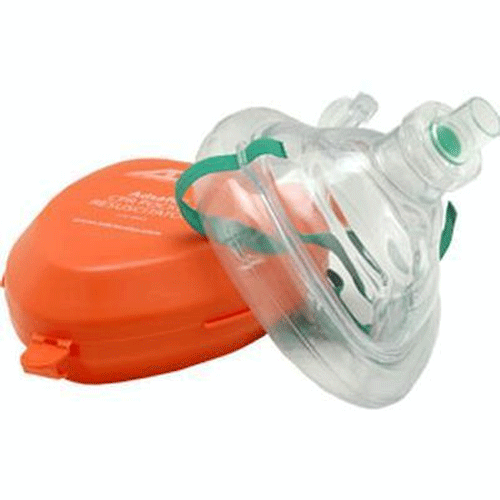
Original price $ 11.95Current price $ 7.80CPR Mask with 1 Way Valve, Orange Case (Fits Adult & Pediatric Patents)
10 reviewsCPR Mask with Hard Case is pocket-sized resuscitator mask made with a high-efficiency and low resistance one-way valve to help minimize the possibi...
View full details -
 Sale 30%
Original price $ 21.50Current price $ 14.95
Sale 30%
Original price $ 21.50Current price $ 14.95Adult Resuscitation Bag, BVM Mask & Manual Pump Bag For Emergency Resuscitation
1 reviewEmergency Manual Resuscitator for Hospitals, EMS, and First Responders Ensure lifesaving, immediate respiratory support with the Dynarex Adult Resu...
View full details -
 Sale 31%
Original price $ 34.95Current price $ 24.00
Sale 31%
Original price $ 34.95Current price $ 24.00Resuscitator Mask, Adult Size
No reviewsResuscitator Mask is an adult CPR mask used to revive a patient that has stopped breathing and require total or intermittent pulmonary support. Dua...
View full details -
 Sale 21%
Original price $ 18.95Current price $ 14.90
Sale 21%
Original price $ 18.95Current price $ 14.90Resuscitation Bag, Pediatric with CPR Mask 2500 cc Manual Pump Bag
No reviewsA Pediatric Manual Resuscitation Bag with an attached CPR Mask is a vital medical device for providing respiratory assistance to infants and childr...
View full details -
 Sale 32%
Original price $ 21.95Current price $ 14.90
Sale 32%
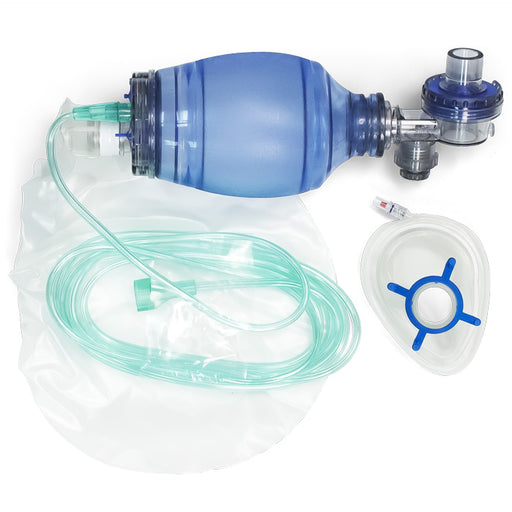
Original price $ 21.95Current price $ 14.90Pediatric Manual Pump Resuscitation Bag with CPR Mask
No reviewsDynarex Manual Pump Resuscitation Bag with 2500 cc/ml Bag and CPR Mask included. The Pediatric Resuscitation Bags are designed to initiate resuscit...
View full details -
 Sale 29%
Original price $ 9.98Current price $ 7.10
Sale 29%
Original price $ 9.98Current price $ 7.10CPR Pocket Mask with Oxygen Port
No reviewsA CPR pocket mask with O2 port is a device used during cardiopulmonary resuscitation (CPR) to provide a barrier between the rescuer and the person ...
View full details -
 Sale 23%
Original price $ 29.99Current price $ 23.00
Sale 23%
Original price $ 29.99Current price $ 23.00Resuscitator Mask, Pediatric Size
No reviewsA resuscitator mask, pediatric size refers to a specialized pediatric version of a resuscitator mask. A resuscitator mask, also known as a bag valv...
View full details -
 Sale 3%
Original price $ 159.95Current price $ 155.00
Sale 3%
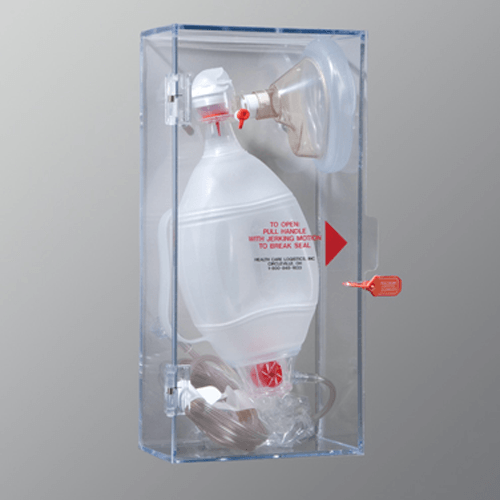
Original price $ 159.95Current price $ 155.00Quick-Access Resuscitation Bag Wall Mounted Holder
No reviewsThe Quick-Access Resuscitation Bag Wall Mounted Holder is a convenient way to store your ambu bag and tubing in case of an emergency. The see throu...
View full details -
 Sale
$ 2.75
Sale
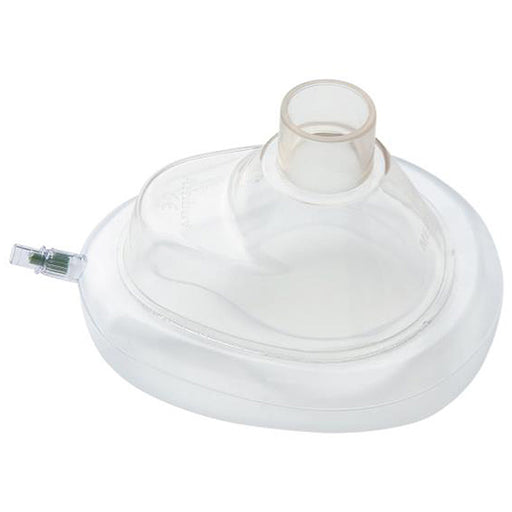
$ 2.75Ambu Duraclear Resuscitation Mask with Hook Ring
No reviewsThe Ambu Duraclear Resuscitation Mask with Hook Ring is an essential piece of medical equipment used in emergency oxygen therapy, helping to boost ...
View full details -
 Sale 52%
Original price $ 4,355.50Current price $ 2,099.99
Sale 52%
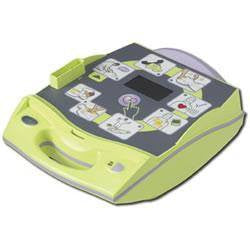
Original price $ 4,355.50Current price $ 2,099.99Zoll AED Plus Automated External Defibrillator
No reviewsThe Zoll AED Plus Automated External Defibrillator provides complete assistance for individuals suffering from acute cardiac arrest and those worki...
View full details


People Also Searched For
BVM (Bag Valve Masks), Ambu Bags, CPR Masks to CPR Mask
BVM (Bag Valve Masks), Ambu Bags, CPR Masks to Manual Resuscitation
BVM (Bag Valve Masks), Ambu Bags, CPR Masks to CPR Resuscitation
Emergency Medical Supplies (EMS Supplies)
CPR Masks, CPR Shields, Bag Valve Masks
Fire Department Medical Supplies
Paramedic Respiratory Supplies
Airway Management Supplies, Oral Airway Kits, and Training Manikins
Dynarex Medical Supplies, Gloves, Gauze
Life-Saving Medications
What are Bag Valve Masks (BVMs)?
A Bag Valve Mask (BVM), also known as a manual resuscitator, is a handheld medical device used to provide positive pressure ventilation to people who are not breathing adequately or are not breathing at all. BVMs are essential emergency airway management tools used in ambulances, hospitals, and various emergency settings.
What are Ambu Bags?
Ambu bag is a term commonly used for BVMs. The word “Ambu” comes from Ambu®, a company that invented the first self-inflating resuscitator in 1956. While “Ambu bag” started as a brand name, it is now widely used to describe any self-inflating resuscitation bag.
How Do Bag Valve Masks/Ambu Bags Work?
- Components: A BVM consists of a self-inflating bag, a one-way valve, and a face mask (or airway tube attachment) that fits over the patient’s mouth and nose.
-
Function:
- When the bag is squeezed (manually compressed), it forces air or oxygen through the valve and mask into the patient’s lungs.
- The one-way valve ensures that air only flows into the patient during compression and allows the patient’s exhaled air to escape safely.
- The device can be connected to an oxygen source for higher oxygen delivery (up to 100% O₂).
-
Purpose:
- Provides artificial ventilation until the patient can breathe independently or until advanced airway intervention is established.
- Used in cardiopulmonary resuscitation (CPR), respiratory failure, and anesthesia.
When and Who Uses BVM/Ambu Bags?
- Emergencies: Cardiac arrest, respiratory arrest, drug overdose, severe asthma attacks, drowning, and trauma.
- Used by: EMS personnel, paramedics, nurses, doctors, and trained first responders.
How to Use a Bag Valve Mask (Step by Step):
-
Position the Patient:
- Place the patient on their back.
- Open the airway using the head-tilt, chin-lift or jaw-thrust maneuver (if spinal injury is suspected).
-
Ensure a Good Seal:
- Place the face mask over the nose and mouth, ensuring a tight seal to prevent air leakage.
-
Ventilation:
- Hold the mask firmly with one hand (EC Clamp technique: thumb and index finger in a “C” shape around the mask, remaining fingers under the jaw in an “E” shape to maintain airway).
- Squeeze the bag smoothly with the other hand.
- Rate: Typically, 1 breath every 5–6 seconds in adults (10–12 breaths per minute), every 3 seconds in infants/children (20 breaths/min). Observe chest rise with each squeeze—avoid over-ventilation.
-
Attach to Oxygen:
- If available, connect the oxygen reservoir and tubing to an oxygen source and set the appropriate flow rate (usually 10–15 L/min).
-
Observe Airway and Breathing:
- Watch for adequate chest rise.
- Listen for air escape and signs of effective ventilation.
- Check for obstructions, vomit, or improper mask placement if there’s poor chest rise.
-
If Necessary:
- Suction secretions if present.
- Use airway adjuncts (oropharyngeal or nasopharyngeal airways) if mask seal is difficult or obstruction is present.
A Bag Valve Mask (Ambu bag) is a lifesaving device to manually assist or completely take over breathing for people who cannot breathe, especially in emergencies. It is a cornerstone of resuscitation and airway management in pre-hospital, hospital, and critical care environments.