
Filters
- Antifungal Cream (2)
- athlete's foot (3)
- Ciclopirox Olamine Cream (1)
- doctor-only (5)
- Glenmark (1)
- Jock itch (7)
- Jock Itch Treatment (7)
- ringworm (9)
- Tinea Pedis (6)
- Treat Athlete's foot (3)
- Yeast infections (2)
- Chafing (1)
- Chafing Relief (1)
- Fungal (1)
- Itching (3)
- Miconazole Nitrate (4)
- Secura (1)
- tinea pedis (1)
- antifungal cream (4)
- Antifungal Medications (4)
- Antifungal Treatment (6)
- Athlete’s foot (4)
- Athlete’s foot treatment (2)
- best cream for ringworm (1)
- itchy skin (1)
- Keto (1)
- Ketoconazole (1)
- Ketoconazole Cream (1)
- ketoconazole cream 2% (1)
- Ketoconazole Topical (1)
- prescription antifungal (1)
- ring worm (1)
- Ringworm Treatment (1)
- skin fungus (1)
- Tinea corporis (6)
- tinea versicolor (1)
- topical antifungal cream (1)
- Treat Jock Itch (1)
- Treat Ring Worm (1)
- Athletes foot (2)
- Fungal Infections (4)
- Fungal Infections Treatment (4)
- Griseofulvin (2)
- Griseofulvin Liduid (2)
- Griseofulvin Oral Solution (1)
- Oral Antifungal (2)
- Oral Antifungal Medicine (1)
- Ringworm on the Scalp (2)
- Serious Fungal Infections (3)
- Tinea capitis (2)
- Tinea pedis (2)
- Tinea unguium (2)
- treat fungal infections (4)
- Griseofulvin Tablets (1)
- 2% Miconazole Nitrate (3)
- Anti-itching lotion (2)
- Antifungal Medicated (4)
- Foot fungus (2)
- Fungal Rash (2)
- Fungus Infections (2)
- miconazole nitrate 2 (3)
- Miconazole Nitrate Cream (2)
- Rash Cream (2)
- Relieve itching (2)
- Skin Fungus (2)
- stop itching (2)
- Tinea Cruris (2)
- miconazole cream (1)
- Absorbs Moisture (1)
- Antifungal Powder (1)
- Body powder (1)
- Foot Powder (1)
- Medicated Powder (1)
- Moisture control powder (1)
- Odor control powder (1)
- Phytoplex (1)
- Rash relief powder (1)
- Remedy (1)
- Remedy Phytoplex (1)
- Ringworm powder (1)
- Skin rash (2)
- Treat Skin Rashes (2)
- Vanilla Scent (1)
- Bacterial skin infection (1)
- Ciclopirox Cream (1)
- Ciclopirox Topical (1)
- Fungal Skin Infections (1)
- RX antifungal (1)
- Skin bacteria (1)
- superficial fungal infections (1)
- Topical bacteria (1)
- Treat skin infections (1)
Filters
- Antifungal Cream (2)
- athlete's foot (3)
- Ciclopirox Olamine Cream (1)
- doctor-only (5)
- Glenmark (1)
- Jock itch (7)
- Jock Itch Treatment (7)
- ringworm (9)
- Tinea Pedis (6)
- Treat Athlete's foot (3)
- Yeast infections (2)
- Chafing (1)
- Chafing Relief (1)
- Fungal (1)
- Itching (3)
- Miconazole Nitrate (4)
- Secura (1)
- tinea pedis (1)
- antifungal cream (4)
- Antifungal Medications (4)
- Antifungal Treatment (6)
- Athlete’s foot (4)
- Athlete’s foot treatment (2)
- best cream for ringworm (1)
- itchy skin (1)
- Keto (1)
- Ketoconazole (1)
- Ketoconazole Cream (1)
- ketoconazole cream 2% (1)
- Ketoconazole Topical (1)
- prescription antifungal (1)
- ring worm (1)
- Ringworm Treatment (1)
- skin fungus (1)
- Tinea corporis (6)
- tinea versicolor (1)
- topical antifungal cream (1)
- Treat Jock Itch (1)
- Treat Ring Worm (1)
- Athletes foot (2)
- Fungal Infections (4)
- Fungal Infections Treatment (4)
- Griseofulvin (2)
- Griseofulvin Liduid (2)
- Griseofulvin Oral Solution (1)
- Oral Antifungal (2)
- Oral Antifungal Medicine (1)
- Ringworm on the Scalp (2)
- Serious Fungal Infections (3)
- Tinea capitis (2)
- Tinea pedis (2)
- Tinea unguium (2)
- treat fungal infections (4)
- Griseofulvin Tablets (1)
- 2% Miconazole Nitrate (3)
- Anti-itching lotion (2)
- Antifungal Medicated (4)
- Foot fungus (2)
- Fungal Rash (2)
- Fungus Infections (2)
- miconazole nitrate 2 (3)
- Miconazole Nitrate Cream (2)
- Rash Cream (2)
- Relieve itching (2)
- Skin Fungus (2)
- stop itching (2)
- Tinea Cruris (2)
- miconazole cream (1)
- Absorbs Moisture (1)
- Antifungal Powder (1)
- Body powder (1)
- Foot Powder (1)
- Medicated Powder (1)
- Moisture control powder (1)
- Odor control powder (1)
- Phytoplex (1)
- Rash relief powder (1)
- Remedy (1)
- Remedy Phytoplex (1)
- Ringworm powder (1)
- Skin rash (2)
- Treat Skin Rashes (2)
- Vanilla Scent (1)
- Bacterial skin infection (1)
- Ciclopirox Cream (1)
- Ciclopirox Topical (1)
- Fungal Skin Infections (1)
- RX antifungal (1)
- Skin bacteria (1)
- superficial fungal infections (1)
- Topical bacteria (1)
- Treat skin infections (1)
Ringworm Treatments & Medicines for Tinea Pedis
-

 Sale 36%
Ciclopirox Cream 0.77% by Glenmark Pharmaceuticals 15 Gram (Rx)
Original price $ 47.00Current price $ 29.9512 reviews🔒 Medical License Required -
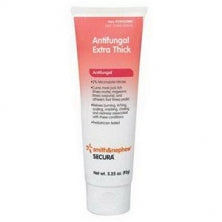
 Sale 31%
Secura Antifungal Extra-Thick Cream (2% Miconazole Nitrate)
Original price $ 12.98Current price $ 8.971 review -

 Sale 31%
Ketoconazole Topical Antifungal Cream 2% Teva 30 gram tube (Rx)
Original price $ 28.95Current price $ 19.95🔒 Medical License Required -
 Sale 24%
Griseofulvin Oral Suspension Liquid 125 mg/5 mL (microsize) 120 mL (RX)
Original price $ 109.95Current price $ 84.00🔒 Medical License Required -

 Sale 19%
Griseofulvin Ultramicrosize Tablets 125 mg by Avet Pharma 100 Count (RX)
Original price $ 725.00Current price $ 589.00🔒 Medical License Required -
 Sale 42%
Miconazole Nitrate Cream 2% Antifungal Topical Cream 15 grams
Original price $ 9.95Current price $ 5.751 review -
 Sale 42%
Miconazole Nitrate Cream 2% Topical Antifungal Cream 1 oz Tube
Original price $ 11.95Current price $ 6.89 -

 Sale 41%
Remedy Clinical Antifungal Powder Miconazole Nitrate 2% with Vanilla Scent 3 oz
Original price $ 12.95Current price $ 7.59 -
 Sale 43%
Ciclopirox Cream 0.77% (Olamine) Antifungal Cream, 30 gram (Rx)
Original price $ 14.95Current price $ 8.50🔒 Medical License Required


People Also Searched For
Ringworm (tinea) is a fungal skin infection that causes a ring-shaped, itchy rash on the body. It is not caused by a worm – it’s an infection by dermatophyte fungi, and it spreads through direct contact with infected skin, animals, or surfaces. The main treatment for ringworm is antifungal medication, which can be applied on the skin or taken by mouth depending on the severity and location of the infection. The goal is to kill the fungus and prevent it from spreading or coming back. Here are the common treatments for ringworm:
Over-the-Counter Antifungal Medications (Topical)
Mild cases of ringworm on the skin (such as body ringworm, athlete’s foot, or jock itch) can usually be treated with non-prescription topical antifungals. These come as creams, lotions, powders, or sprays that you apply directly to the rash **for 2 to 4 weeks (continue using for the full duration even if the rash starts improving). Over-the-counter antifungal products that work well include:
- Clotrimazole (Lotrimin AF®, Mycelex) – antifungal cream applied twice daily.
- Miconazole (Desenex®) – antifungal cream or spray used on the affected area.
- Terbinafine (Lamisil AT®) – an antifungal cream or gel; often clears ringworm slightly faster than some other creams.
- Tolnaftate (Tinactin®) – a powder or cream antifungal effective for ringworm.
- Ketoconazole (Nizoral® shampoo or cream) – sometimes used, especially if Malassezia yeast is suspected; 1% ketoconazole shampoo is available OTC for scalp, though note: shampoos help reduce spreading but won’t alone cure a scalp ringworm infection.
When using an OTC product, apply a thin layer beyond the edge of the visible rash and keep using it for the full recommended time. If the ringworm does not improve or actually worsens after ~2 weeks of proper use, you should see a doctor for prescription treatments.
Prescription Antifungal Treatments (Oral or Stronger Topicals)
For more severe or persistent ringworm, or infections in hard-to-treat areas like the scalp (tinea capitis) or nails (tinea unguium), a healthcare provider will prescribe stronger medication. Ringworm of the scalp almost always requires an oral antifungal pill because creams/shampoos alone can’t penetrate deep into hair follicles. These prescription antifungal pills are usually taken for 1 to 3 months to fully eradicate the fungus from the scalp. Common oral antifungals include griseofulvin, terbinafine, itraconazole, and fluconazole. For example, griseofulvin is a classic oral treatment for children with scalp ringworm, while terbinafine pills are often used for adults.
Nail fungus (fungal nail infection) is another form of ringworm that typically needs oral treatment. Toenails or fingernails may become thick, discolored, or brittle. Topical lacquers or creams alone are usually not effective for nail ringworm – prescription oral medication (like terbinafine or itraconazole taken for several months) is the standard approach. In some cases of severe nail infection, the doctor might recommend removing the infected part of the nail as well. Nail infections are stubborn and can take several months (up to a year) of treatment to clear, with regular monitoring by your doctor.
Even for widespread skin ringworm or cases that don’t respond to creams, doctors may prescribe oral antifungals to ensure the infection is cleared. It’s important to take the medication for the full course prescribed – stopping too early can lead to the fungus surviving and the infection coming back.
Self-Care and Hygiene During Treatment
In addition to medications, certain self-care steps will help speed up recovery and prevent the fungus from spreading to others or to other body areas:
- Keep the area clean and dry: Fungi thrive in moist environments. Wash the rash area gently with soap and water and pat it dry. Avoid covering it with tight bandages; instead, let it breathe and stay dry. Wear loose, breathable clothing around the affected skin so sweat doesn’t stay trapped
- Wash personal items frequently: Because ringworm is contagious, wash your bedding, towels, and clothes daily during treatment. Use hot water and detergent to kill fungal spores on fabrics. This prevents re-infecting yourself or others with stray spores that might be on these items.
- Change socks and underwear daily: If you have athlete’s foot or jock itch (ringworm on feet or groin), put on clean socks and underwear each day (and after workouts). Keep feet dry – use foot powder if needed – and consider an antifungal foot spray/powder in your shoes.
- Don’t share personal items: Avoid sharing towels, clothing, sports gear, combs/brushes, or bedding with others while you have ringworm. This helps stop the spread. Make sure to also clean items like gym mats or shower floors if those might be sources of contact.
- Check and treat pets if needed: Pets (especially cats, dogs, or guinea pigs) can carry ringworm. If your pet has a scaly bald patch of skin or fur missing, get them checked by a vet. Treating an infected pet helps protect you and others in the household from catching ringworm again.
- Follow the full treatment: Continue using the antifungal cream or pills for as long as directed, even if the rash looks better sooner. Completing the full course ensures the fungus is completely gone from your skin. After it clears, keep an eye on your skin for a while, since ringworm can sometimes return if any spores remain.
What to Avoid with Ringworm Treatments
Steroid creams: Do not use steroid or corticosteroid creams (like hydrocortisone) on a rash that might be ringworm. Steroid creams can reduce inflammation but make fungal infections worse or mask the symptoms. leading to a condition called “tinea incognito” (where ringworm is hidden and spreads more). Always use an antifungal product, not a steroid, for ringworm.Unproven home remedies: Be cautious with home remedies like applying vinegar, bleach, or undiluted tea tree oil. There is little to no evidence that home remedies like apple cider vinegar cure ringworm – in fact, vinegar can irritate or burn the skin and make the rash worse. Tea tree oil has some antifungal properties, but its effectiveness against ringworm is not well established. It’s safest to stick with medically proven treatments.Ignoring persistent infections: If a ringworm infection isn’t improving after a couple of weeks of OTC treatment, don’t just ignore it or keep using the same cream – see a healthcare provider. You may need a prescription-strength medication to fully clear it. Also, if you have ringworm on the scalp or in the beard area, or multiple ring-shaped rashes all over, you will likely need professional treatment (oral antifungals) rather than trying home care alone
Self-Care and Hygiene During Treatment
In addition to medications, certain self-care steps will help speed up recovery and prevent the fungus from spreading to others or to other body areas:
- Keep the area clean and dry: Fungi thrive in moist environments. Wash the rash area gently with soap and water and pat it dry. Avoid covering it with tight bandages; instead, let it breathe and stay dry. Wear loose, breathable clothing around the affected skin so sweat doesn’t stay trapped
- Wash personal items frequently: Because ringworm is contagious, wash your bedding, towels, and clothes daily during treatment. Use hot water and detergent to kill fungal spores on fabrics. This prevents re-infecting yourself or others with stray spores that might be on these items.
- Change socks and underwear daily: If you have athlete’s foot or jock itch (ringworm on feet or groin), put on clean socks and underwear each day (and after workouts). Keep feet dry – use foot powder if needed – and consider an antifungal foot spray/powder in your shoes.
- Don’t share personal items: Avoid sharing towels, clothing, sports gear, combs/brushes, or bedding with others while you have ringworm. This helps stop the spread. Make sure to also clean items like gym mats or shower floors if those might be sources of contact.
- Check and treat pets if needed: Pets (especially cats, dogs, or guinea pigs) can carry ringworm. If your pet has a scaly bald patch of skin or fur missing, get them checked by a vet. Treating an infected pet helps protect you and others in the household from catching ringworm again.
- Follow the full treatment: Continue using the antifungal cream or pills for as long as directed, even if the rash looks better sooner. Completing the full course ensures the fungus is completely gone from your skin. After it clears, keep an eye on your skin for a while, since ringworm can sometimes return if any spores remain.
What to Avoid with Ringworm Treatments
Steroid creams: Do not use steroid or corticosteroid creams (like hydrocortisone) on a rash that might be ringworm. Steroid creams can reduce inflammation but make fungal infections worse or mask the symptoms. leading to a condition called “tinea incognito” (where ringworm is hidden and spreads more). Always use an antifungal product, not a steroid, for ringworm.Unproven home remedies: Be cautious with home remedies like applying vinegar, bleach, or undiluted tea tree oil. There is little to no evidence that home remedies like apple cider vinegar cure ringworm – in fact, vinegar can irritate or burn the skin and make the rash worse. Tea tree oil has some antifungal properties, but its effectiveness against ringworm is not well established. It’s safest to stick with medically proven treatments.Ignoring persistent infections: If a ringworm infection isn’t improving after a couple of weeks of OTC treatment, don’t just ignore it or keep using the same cream – see a healthcare provider. You may need a prescription-strength medication to fully clear it. Also, if you have ringworm on the scalp or in the beard area, or multiple ring-shaped rashes all over, you will likely need professional treatment (oral antifungals) rather than trying home care alone