Sodium Bicarbonate Injection 8.4%
Sodium bicarbonate 8.4% is a sterile, preservative-free hypertonic IV solution of sodium bicarbonate (NaHCO₃) at 84 mg/mL (which equals 1 mEq of Na⁺ and 1 mEq of HCO₃⁻ per mL). It is intended for single-dose intravenous use and has a pH in the range of about 7.0–8.5.
Current Stock Expiration : 3/31/27
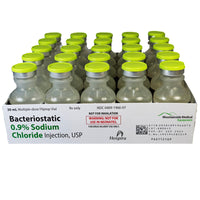
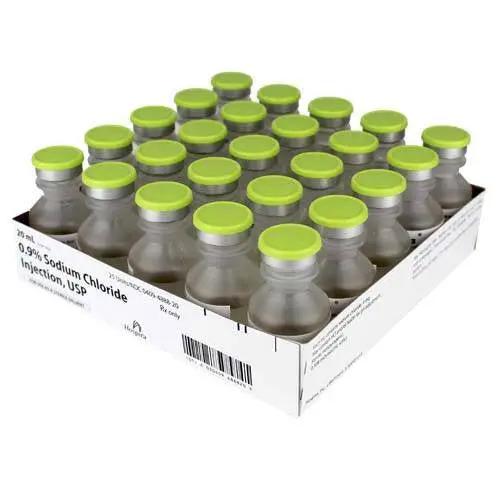
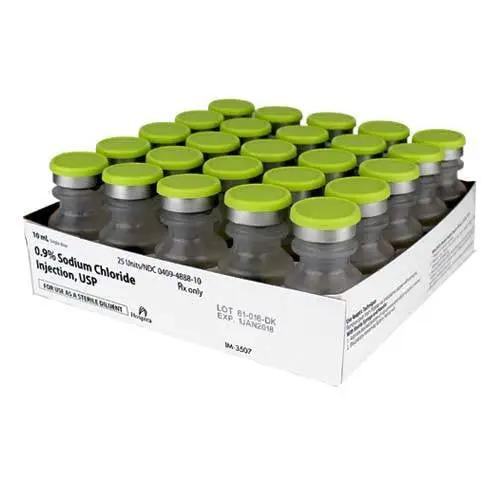
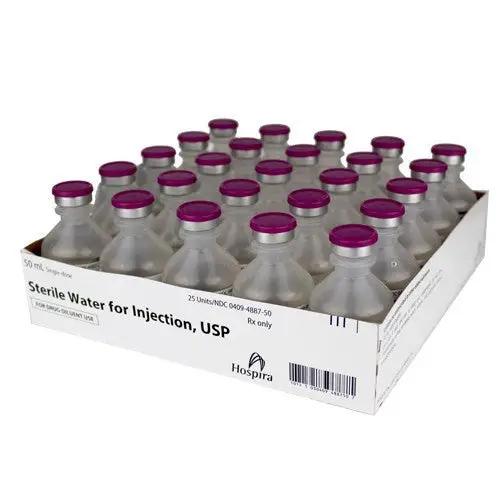
Sodium Bicarbonate for Injection 8.4% is a sterile, non-pyrogenic solution formulated for intravenous use in clinical and hospital settings. Each 50 mL vial contains sodium bicarbonate at a concentration of 8.4% (1 mEq/mL), designed to correct metabolic acidosis and treat medical emergencies that require rapid pH regulation. Supplied by Pfizer Injectables, this trusted product comes in a pack of 25 convenient single-use vials for consistent dosing and sterility.
How it works:
In the bloodstream it dissociates into Na⁺ and HCO₃⁻. The bicarbonate serves as a base buffer: it combines with excess H⁺ ions (acid) to form carbonic acid, which rapidly converts to CO₂ (exhaled by the lungs), thus raising blood pH and reversing acidosis. The sodium helps restore extracellular fluid volume and electrolytes.
Uses:
8.4% sodium bicarbonate is used to treat serious acid–base disturbances and related conditions. Typical indications include:
- Severe metabolic acidosis – for example due to renal failure, diabetic ketoacidosis, shock, severe dehydration, lactic acidosis, or during cardiopulmonary resuscitation.
- Cardiac arrest – as part of advanced life support to counter acidosis during resuscitation.
- Extracorporeal circulation – to buffer blood in procedures like dialysis or bypass if acidosis occurs.
- Poisonings – to treat aspirin (salicylate) or methanol poisoning by alkalinizing blood/urine.
- Hemolytic reactions with risk of kidney injury – to alkalinize the urine and reduce nephrotoxicity from hemoglobin break-down products.
- Severe diarrhea or gastrointestinal losses – when bicarbonate is lost and acidosis ensues.
- Hyperkalemia – a common emergency use: infusing bicarbonate raises blood pH and shifts potassium into cells, helping to lower serum K⁺ levels rapidly. (Example: one 50 mL ampule of ~8.4% solution contains ≈50 mEq bicarbonate; given IV over 5–10 minutes it can mitigate life-threatening hyperkalemia for 1–2 hours.
Administration:
This is IV-only and must be ordered/dosed by a healthcare professional. It can be given as a bolus injection or diluted in IV fluids, depending on clinical needs. Large volumes (and therefore sodium loads) must be managed carefully. Standard adult packaging is often 50 mL vials (50 mEq each) or larger containers. The solution must be clear before use; if any precipitate or crystals are seen (they can form at cold temperatures), warm and agitate the solution until clear. Only administer if the vial is intact and uncloudy. Any unused portion of a single-dose vial should be discarded.
Compatibility:
Do not mix sodium bicarbonate directly with calcium-containing IV solutions (calcium salts will precipitate). Catecholamine infusions (e.g. norepinephrine, dobutamine) and some other drugs are incompatible and should not be run through the same line with bicarbonate. Always use aseptic technique and check compatibility when adding any medications to bicarbonate.
Details & Features
-
Concentration: 8.4% Sodium Bicarbonate (1 mEq/mL)
-
Volume: 50 mL per vial
-
Packaging: 25 single-dose vials per box
-
Sterile & Non-Pyrogenic: Ideal for IV administration
-
Latex-Free Packaging: Reduces risk of allergic reactions
-
Transparent, Colorless Solution: Allows for easy inspection prior to administration
-
Ready-to-Use: No dilution required for most adult dosing scenarios
-
Trusted Manufacturer: Pfizer Injectables ensures quality and consistency
Directions
-
Inspection: Ensure that the solution is clear and vial is undamaged before use.
-
Aseptic Technique: Use sterile equipment and procedures during preparation and administration.
-
Administration: Administer by slow intravenous injection or infusion under the supervision of a healthcare professional. Follow specific protocols for emergency interventions or in combination therapy as directed by a physician.
-
Discard Unused Portion: Single-use vials; discard any remaining solution after initial use.
Dosage
-
Individualized Dosage: Dosage must be calculated based on the patient's clinical condition, lab results, and physician’s instructions. A typical adult dose for acidosis may range from 1 to 2 mEq/kg, administered slowly IV.
-
Pediatric Dose: Carefully calculated by a physician according to patient needs.
-
Infusion Rates: IV administration should be slow and closely monitored, especially in children and the elderly.
Always consult official prescribing information and a healthcare provider for precise dosing guidelines tailored to each patient.
Allergies
-
Hypersensitivity: Not common, but inform your healthcare provider if you have allergies to sodium bicarbonate or any ingredients in the product.
-
Latex-Free: Packaging is free from latex to minimize risk of allergic reactions.
Drug Interactions
-
Potential Interactions:
-
Cardiac Glycosides (e.g., Digoxin): Increased risk of toxicity due to elevated pH.
-
Corticosteroids or Corticotropin: May elevate sodium retention.
-
Tetracyclines, Methenamine Compounds: Decreased effectiveness or altered drug metabolism.
-
Concurrent Infusions: Monitor pH and compatibility with other IV solutions or medications.
Review all medications with your healthcare provider or pharmacist before use.
Side Effects or Warnings
Side Effects
-
Local Reactions: Pain, redness, or inflammation at the injection site
-
Systemic Effects: Metabolic alkalosis, hypernatremia (high sodium), hypokalemia (low potassium), tetany, muscle twitching, or seizures with overdose or rapid administration
-
Fluid Overload: Especially in patients with compromised cardiac or renal function
Warnings
-
For Intravenous Use Only: Never administer intra-arterially or intramuscularly.
-
Avoid Overcorrection: Administer cautiously to avoid serious metabolic imbalance.
-
Close Monitoring Required: Frequent monitoring of blood gases, electrolytes, and patient clinical status is mandatory.
-
Special Populations: Use with caution in children, elderly, or those with renal/cardiac dysfunction or hypertension.
-
Pregnancy & Nursing: Use only if clearly needed and prescribed by a physician.
Storage
- Store at Controlled Room Temperature (20°-25°C/68°-77°F)
- Do not freeze. Discard if solution is cloudy, discolored, or contains particulates.
Sodium Bicarbonate 8.4% is a potent alkalinizing agent (“alkali”) used mainly for acute, severe acidosis or hyperkalemia under medical supervision. It redistributes acid–base balance by buffering excess hydrogen ions. Because of its high sodium and osmolar content, it must be used carefully (only in appropriate situations) and only under professional guidance, with close lab monitoring.
 Skip to content