
Tegaderm Dressings
Tegaderm is a brand of innovative wound dressings made by the company 3M. When people say “Tegaderm,” they are often referring to transparent film dressings that 3M produces under this name, but the Tegaderm family actually includes a variety of dressing types (films, foam pads, etc.). The hallmark of Tegaderm dressings is that they are thin, clear, and adhesive, designed to cover and protect wounds or catheter sites while still allowing visibility of the area underneath. In simpler terms, Tegaderm is like a see-through, breathable bandage.
Tegaderm dressings are transparent, adhesive wound covers known for their protective yet breathable nature. They’re widely used in hospitals and homes alike because they effectively seal wounds or IV sites from water, germs, and dirt, but still allow the skin to function and heal. Whether as a simple film or a cushioned pad, the Tegaderm brand has become almost synonymous with “see-through sticky bandage”, offering a handy solution for keeping wounds clean and patients moving around with less worry about their dressings.
Benefits of Tegaderm Dressings
Tegaderm dressings offer multiple advantages:
-
Transparent Visibility: As highlighted, the ability to see the wound or IV site through the dressing is a major plus. This means less frequent dressing changes, because you can inspect the site without exposing it. For wounds, this can help limit unnecessary disturbance, and for IVs, it means you quickly spot issues like phlebitis or infection.
-
Waterproof & Protective: Tegaderm films provide a waterproof barrier that blocks out external contaminants. Patients can typically shower with Tegaderm on (or even swim for short periods, depending on the seal) and the wound stays dry. At the same time, the film breathes, letting moisture vapor out so sweat or wound moisture doesn’t overly accumulate and break down the skin. It’s also a sterile barrier – impermeable to bacteria and viruses (the product literature notes it’s a barrier to viruses like HIV and HBV, which are much smaller than bacteria, as long as the dressing remains intact without leakage). This helps prevent infection by sealing the wound off from germs.
-
Conformable and Flexible: Tegaderm is very thin and flexible, so it conforms well to body contours. You can put it over a knuckle, and bend your finger, and it won’t peel off easily or restrict movement much. It’s designed to move with the skin. For example, across a knee or elbow, a properly applied Tegaderm will flex as you bend the joint. This makes it comfortable to wear and helps it stay on longer because it experiences less strain.
-
Self-Adhesive & Easy Application: Tegaderm dressings come with a clever application system – often a paper frame or tabs that you hold while applying, ensuring you don’t just end up sticking it to itself. It’s quite straightforward to apply (with a bit of practice) and even patients can apply smaller ones on themselves one-handed. Once on, the adhesive is strong enough to last days (depending on location and how much moisture it gets exposed to). Despite being strong, removal is usually gentle – you peel low and slow, and because it sticks to skin but not to a moist wound (in the case of +Pad, the pad is non-adherent), it generally comes off without too much trauma.
-
Versatile Uses: Tegaderm dressings can be used on a variety of wounds: minor burns, split-thickness skin graft donor sites, post-operative incisions, lacerations, abrasions, and even as secondary dressings over something else (like over a hydrogel or alginate to hold it in place). They are also a top choice for securing medical devices – not just IVs, but also things like chest tube sites, peritoneal dialysis catheters, etc., where you need to keep a site clean and dry but observe it. Even for tattoos or blister prevention on skin (like runners sometimes use a thin film on their feet), Tegaderm has found an off-label home. It is essentially a high-tech replacement for gauze and tape in many situations, offering a cleaner and often more comfortable solution.
Tegaderm dressings are transparent, adhesive wound covers known for their protective yet breathable nature. They’re widely used in hospitals and homes alike because they effectively seal wounds or IV sites from water, germs, and dirt, but still allow the skin to function and heal. Whether as a simple film or a cushioned pad, the Tegaderm brand has become almost synonymous with “see-through sticky bandage”, offering a handy solution for keeping wounds clean and patients moving around with less worry about their dressings.
-
 Sale 35%
Original price $ 57.95Current price $ 37.70
Sale 35%
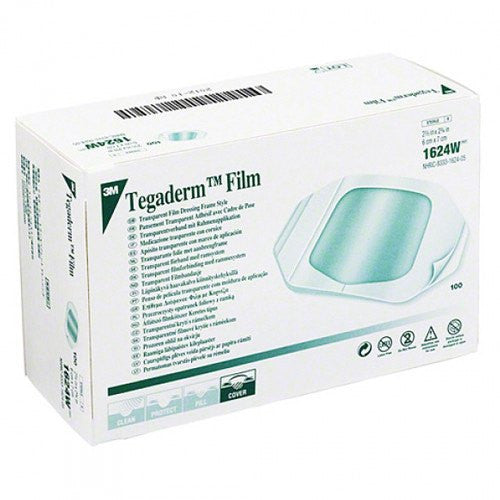
Original price $ 57.95Current price $ 37.70Tegaderm Dressings, 3M Transparent Film Dressings, Waterproof Wound Protection 2.37 inch x 2.75 inch, 100/box #1624W
3M HealthcareAdvanced Waterproof Wound Protection for Medical & Home Use Trust your wound care to the #1 doctor-recommended transparent film dressing – 3M T...
View full details -
 Sale 38%
Original price $ 65.95Current price $ 40.90
Sale 38%
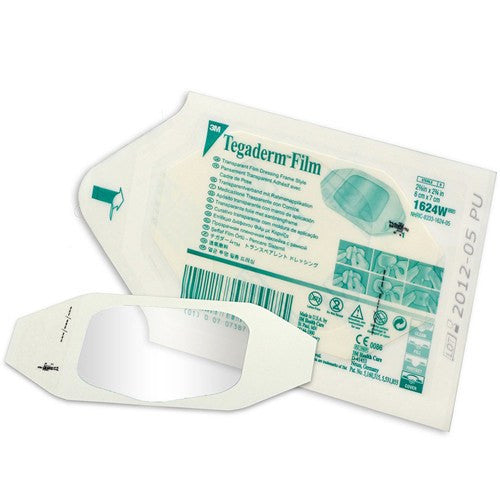
Original price $ 65.95Current price $ 40.90Tegaderm Dressing Transparent Film 4 inch x 4 inch, 50/box
3M HealthcareTegaderm Dressing Transparent Film 4" x 4" is designed to provide a sterile, breathable environment for wound healing. Tegaderm dressing covers and...
View full details -
 Sale
from $ 31.00
Sale
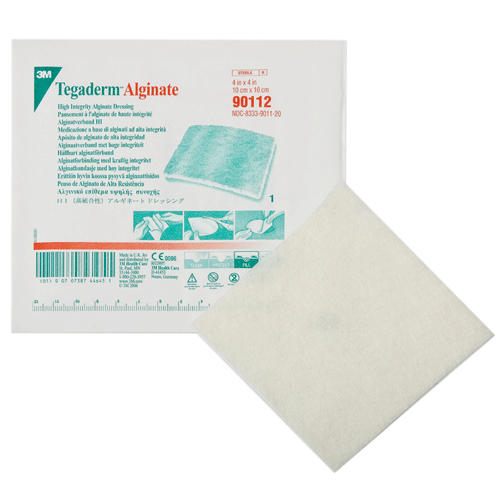
from $ 31.00Tegaderm Alginate Dressing, High Intensity, 4"x4" & Rope
3M Healthcare3M Tegaderm High Intensity Alginate Dressings are sterile, highly conformable wound dressings used to absorb moderately to heavily exudating wounds...
View full details -
 Sale 14%
Original price $ 68.95Current price $ 59.00
Sale 14%
Original price $ 68.95Current price $ 59.003M Tegaderm High Gelling Alginate Dressing 12" Rope, 5/box
3M HealthcareSterile, highly conformable and absorbent primary wound dressings Becomes an amorphous gel-like mass when saturated, which may be gently irrigated...
View full details -
 $ 63.95
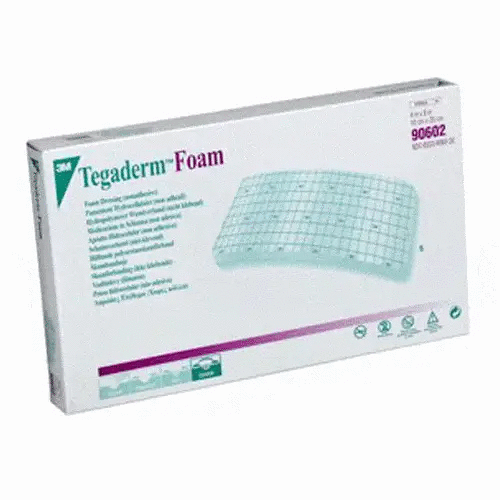
Tegaderm Non Adhesive Foam Dressing 4" x 8" - 3M
3M Healthcare3M Tegaderm Non Adhesive Foam Dressing 4 x 8 is a highly absorbent, non adherent, breathable wound dressing. Great for moderately to highly exudati...
View full details -
 Sale 17%
Original price $ 94.95Current price $ 79.00
Sale 17%
Original price $ 94.95Current price $ 79.00Tegaderm Hydrocolloid Sacral Adhesive Dressings 6/Box
3M HealthcareTegaderm Hydrocolloid FIlm is a sterile wound dressings specifically shaped for the sacrum area, which consist of a hypoallergenic, hydrocolloid ad...
View full details

Tegaderm is a brand of innovative wound dressings made by the company 3M. When people say “Tegaderm,” they are often referring to transparent film dressings that 3M produces under this name, but the Tegaderm family actually includes a variety of dressing types (films, foam pads, etc.). The hallmark of Tegaderm dressings is that they are thin, clear, and adhesive, designed to cover and protect wounds or catheter sites while still allowing visibility of the area underneath. In simpler terms, Tegaderm is like a see-through, breathable bandage.
Tegaderm dressings are transparent, adhesive wound covers known for their protective yet breathable nature. They’re widely used in hospitals and homes alike because they effectively seal wounds or IV sites from water, germs, and dirt, but still allow the skin to function and heal. Whether as a simple film or a cushioned pad, the Tegaderm brand has become almost synonymous with “see-through sticky bandage”, offering a handy solution for keeping wounds clean and patients moving around with less worry about their dressings.
Benefits of Tegaderm Dressings
Tegaderm dressings offer multiple advantages:
-
Transparent Visibility: As highlighted, the ability to see the wound or IV site through the dressing is a major plus. This means less frequent dressing changes, because you can inspect the site without exposing it. For wounds, this can help limit unnecessary disturbance, and for IVs, it means you quickly spot issues like phlebitis or infection.
-
Waterproof & Protective: Tegaderm films provide a waterproof barrier that blocks out external contaminants. Patients can typically shower with Tegaderm on (or even swim for short periods, depending on the seal) and the wound stays dry. At the same time, the film breathes, letting moisture vapor out so sweat or wound moisture doesn’t overly accumulate and break down the skin. It’s also a sterile barrier – impermeable to bacteria and viruses (the product literature notes it’s a barrier to viruses like HIV and HBV, which are much smaller than bacteria, as long as the dressing remains intact without leakage). This helps prevent infection by sealing the wound off from germs.
-
Conformable and Flexible: Tegaderm is very thin and flexible, so it conforms well to body contours. You can put it over a knuckle, and bend your finger, and it won’t peel off easily or restrict movement much. It’s designed to move with the skin. For example, across a knee or elbow, a properly applied Tegaderm will flex as you bend the joint. This makes it comfortable to wear and helps it stay on longer because it experiences less strain.
-
Self-Adhesive & Easy Application: Tegaderm dressings come with a clever application system – often a paper frame or tabs that you hold while applying, ensuring you don’t just end up sticking it to itself. It’s quite straightforward to apply (with a bit of practice) and even patients can apply smaller ones on themselves one-handed. Once on, the adhesive is strong enough to last days (depending on location and how much moisture it gets exposed to). Despite being strong, removal is usually gentle – you peel low and slow, and because it sticks to skin but not to a moist wound (in the case of +Pad, the pad is non-adherent), it generally comes off without too much trauma.
-
Versatile Uses: Tegaderm dressings can be used on a variety of wounds: minor burns, split-thickness skin graft donor sites, post-operative incisions, lacerations, abrasions, and even as secondary dressings over something else (like over a hydrogel or alginate to hold it in place). They are also a top choice for securing medical devices – not just IVs, but also things like chest tube sites, peritoneal dialysis catheters, etc., where you need to keep a site clean and dry but observe it. Even for tattoos or blister prevention on skin (like runners sometimes use a thin film on their feet), Tegaderm has found an off-label home. It is essentially a high-tech replacement for gauze and tape in many situations, offering a cleaner and often more comfortable solution.
Tegaderm dressings are transparent, adhesive wound covers known for their protective yet breathable nature. They’re widely used in hospitals and homes alike because they effectively seal wounds or IV sites from water, germs, and dirt, but still allow the skin to function and heal. Whether as a simple film or a cushioned pad, the Tegaderm brand has become almost synonymous with “see-through sticky bandage”, offering a handy solution for keeping wounds clean and patients moving around with less worry about their dressings.
Tegaderm Dressings
Tegaderm is a brand of innovative wound dressings made by the company 3M. When people say “Tegaderm,” they are often referring to transparent film dressings that 3M produces under this name, but the Tegaderm family actually includes a variety of dressing types (films, foam pads, etc.). The hallmark of Tegaderm dressings is that they are thin, clear, and adhesive, designed to cover and protect wounds or catheter sites while still allowing visibility of the area underneath. In simpler terms, Tegaderm is like a see-through, breathable bandage.
Types of Tegaderm Dressings and Their Uses
Originally, Tegaderm referred to a transparent adhesive film dressing – kind of like a medical-grade “sticky plastic” that you could place over a wound. Today, Tegaderm products have expanded, but they share common features: waterproof, bacteria-proof barriers that let oxygen and moisture vapor pass through (breathable), and a gentle but firm adhesive that sticks to skin. Here are the main types:
-
Tegaderm Transparent Film Dressing: This is the classic Tegaderm – a thin, clear film with an adhesive. It’s used to cover things like IV sites (where an IV catheter goes into your arm), central lines, surgical incisions, tattoos, or minor wounds and abrasions. Because it’s see-through, healthcare providers can monitor what’s underneath without removing the dressing. For example, if you have an IV in your hand, a Tegaderm film can be placed over it to hold the IV in place and keep it sterile, and nurses can always check the IV site for redness or infection through the film. Tegaderm film is also waterproof – meaning a patient can shower with it on, and it keeps out water, dirt, and germs. Yet it’s breathable, allowing oxygen in and moisture vapor out, which helps prevent skin maceration (pruning). The film is quite flexible and conforms to the body, so it moves with you; it doesn’t restrict joint movement. These films come in various sizes (from small 2-inch squares to large sheets) and sometimes with a paper “frame” that helps with application. You simply peel and stick them on like a big sticker over the wound. Removal is done by stretching or gently peeling; the adhesive is designed to be removed without leaving residue or causing too much pain (though care is still needed when removing from fragile skin).
-
Tegaderm +Pad (Film Dressing with Pad): This version incorporates a non-adherent absorbent pad in the center of a transparent Tegaderm frame. It’s basically an “island dressing” – a small white pad that covers the wound, with a clear border of Tegaderm film around it that sticks to the skin. Tegaderm +Pad dressings are great for post-surgical incisions, cuts, or any wounds with light to moderate drainage. The pad in the middle soaks up a bit of blood or fluid, but it won’t stick to the wound (so removal is easier and less painful). The clear border keeps the whole thing waterproof and sealed from outside contaminants, while still letting you peek at the edges of the pad to ensure no leakage or issues. People often use these on stitches (sutures) after surgery – for instance, covering a knee surgery incision – or on donor sites (areas where skin was taken for grafting). They allow one to see if the wound is getting red or if the pad is saturated, and patients can shower with them.
-
Tegaderm Foam Adhesive Dressings: 3M also extended the Tegaderm brand to include foam dressings. These are thicker, soft dressings that can handle more wound fluid. The Tegaderm foam adhesive dressings have a foam pad for absorbing exudate and a Tegaderm film adhesive border around them (the border often has a distinctive “diamond pattern”). These are used on pressure ulcers, leg ulcers, diabetic foot ulcers, and other wounds that have moderate drainage – where a plain film wouldn’t be enough, but you still want the waterproof, secure cover. For example, Tegaderm High Performance Foam has versions that are flat pads (non-adhesive) and bordered (adhesive). The bordered one can be put on something like a sacral bedsore and it’ll stay put while keeping the wound moist and protected. Foam Tegaderm dressings still let the wound breath (moisture vapor can escape through the film) but soak up the wound fluid so it doesn’t leak out. The outer layer is waterproof, so again, you can bathe or in an emergency, the patient’s wound won’t get contaminated if liquids spill on them.
-
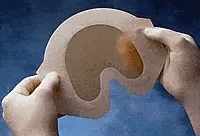
Tegaderm Alginate and Hydrocolloid Dressings: There are also Tegaderm-branded high integrity alginate rope dressings and hydrocolloid thin dressings, although these are less known compared to the films and foams. Tegaderm Hydrocolloid is an oval or square pad (opaque) that provides moist wound healing for non-draining or lightly draining wounds (e.g., Stage II pressure ulcers or skingraft donor sites). It comes in thin and regular versions, sizes like 4″x4″ or 6″x6″. Being a hydrocolloid, it’s not transparent, but it has a film border and can stay on for days, interacting with the wound to form a gel. Tegaderm Alginate is a fibrous dressing (brownish rope or pad) to pack into wet wounds; it’s not itself a cover, so it’s used with a Tegaderm film or foam over it. These maintain consistency with the Tegaderm line by focusing on sterile, secure wound care, but they’re more specialized for certain wound types.
-
Tegaderm IV Dressings: These are specifically shaped transparent films to secure IV catheters. They often have a pre-cut slit or a design that accommodates an IV line coming out. They also might come with little tape strips or a label. For example, “Tegaderm IV 1633” is a common size (about 7 cm x 8.5 cm) used in hospitals to cover peripheral IVs, and “Tegaderm PICC/CVC” dressings are larger for central lines, with securement frames or a notch for the catheter lumens. They do the same job – keep the site sterile, allow monitoring, and secure the line – but are just tailored for that use.
Tegaderm dressings are transparent, adhesive wound covers known for their protective yet breathable nature. They’re widely used in hospitals and homes alike because they effectively seal wounds or IV sites from water, germs, and dirt, but still allow the skin to function and heal. Whether as a simple film or a cushioned pad, the Tegaderm brand has become almost synonymous with “see-through sticky bandage”, offering a handy solution for keeping wounds clean and patients moving around with less worry about their dressings.
Benefits of Tegaderm Dressings
Tegaderm dressings offer multiple advantages:
-
Transparent Visibility: As highlighted, the ability to see the wound or IV site through the dressing is a major plus. This means less frequent dressing changes, because you can inspect the site without exposing it. For wounds, this can help limit unnecessary disturbance, and for IVs, it means you quickly spot issues like phlebitis or infection.
-
Waterproof & Protective: Tegaderm films provide a waterproof barrier that blocks out external contaminants. Patients can typically shower with Tegaderm on (or even swim for short periods, depending on the seal) and the wound stays dry. At the same time, the film breathes, letting moisture vapor out so sweat or wound moisture doesn’t overly accumulate and break down the skin.. It’s also a sterile barrier – impermeable to bacteria and viruses (the product literature notes it’s a barrier to viruses like HIV and HBV, which are much smaller than bacteria, as long as the dressing remains intact without leakage). This helps prevent infection by sealing the wound off from germs.
-
Conformable and Flexible: Tegaderm is very thin and flexible, so it conforms well to body contours. You can put it over a knuckle, and bend your finger, and it won’t peel off easily or restrict movement much. It’s designed to move with the skin. For example, across a knee or elbow, a properly applied Tegaderm will flex as you bend the joint. This makes it comfortable to wear and helps it stay on longer because it experiences less strain.
-
Self-Adhesive & Easy Application: Tegaderm dressings come with a clever application system – often a paper frame or tabs that you hold while applying, ensuring you don’t just end up sticking it to itself. It’s quite straightforward to apply (with a bit of practice) and even patients can apply smaller ones on themselves one-handed. Once on, the adhesive is strong enough to last days (depending on location and how much moisture it gets exposed to). Despite being strong, removal is usually gentle – you peel low and slow, and because it sticks to skin but not to a moist wound (in the case of +Pad, the pad is non-adherent), it generally comes off without too much trauma.
-
Versatile Uses: Tegaderm dressings can be used on a variety of wounds: minor burns, split-thickness skin graft donor sites, post-operative incisions, lacerations, abrasions, and even as secondary dressings over something else (like over a hydrogel or alginate to hold it in place). They are also a top choice for securing medical devices – not just IVs, but also things like chest tube sites, peritoneal dialysis catheters, etc., where you need to keep a site clean and dry but observe it. Even for tattoos or blister prevention on skin (like runners sometimes use a thin film on their feet), Tegaderm has found an off-label home. It is essentially a high-tech replacement for gauze and tape in many situations, offering a cleaner and often more comfortable solution.
Tegaderm Product Options and Sizes
To illustrate, here are a few specific Tegaderm products:
-
3M Tegaderm Film Dressing 1624W: A very commonly used size, 6 cm x 7 cm (2 3/8 in x 2 3/4 in). Often used for IVs or small wounds. Comes with a paper frame. There’s also 1626W (10 cm x 12 cm) which is about 4 in x 4 3/4 in – good for medium wounds or central line dressings. Larger sizes like 20 cm x 30 cm (8 in x 12 in) exist to cover bigger areas, like a skin graft donor site on the thigh.
-
3M Tegaderm +Pad 3586: Size 9 cm x 10 cm (3 1/2 in x 4 in) overall, with a pad size of 5 cm x 6.7 cm. Good for small incisions (like a laparoscopic surgery port site). They have bigger ones, e.g., 3590 which is 10 cm x 25 cm (4 in x 10 in) overall for long incisions (the pad part is 5 cm x 20 cm), commonly used for something like a knee replacement incision or a C-section.
-
3M Tegaderm Foam Adhesive Dressing: One example is code 90615 – an oval 10 cm x 11 cm foam (4″ x 4.3″). There’s also 90618 – a 14 cm x 14 cm square (roughly 5.5″ each side). Sacral shape foam (90619) is 18 cm x 18 cm teardrop shape, used for tailbone ulcers.
-
3M Tegaderm Hydrocolloid Thin: Comes in oval 5 cm x 6 cm, or square 10 x 10 cm, etc. Often used on bony prominences to prevent pressure sores or on shallow wounds.
-
3M Tegaderm CHG: This is a special Tegaderm IV dressing that has a chlorhexidine gluconate gel pad in it to provide antimicrobial protection around a catheter site. Used for central lines, etc. It’s another example of how the Tegaderm line has diversified into specialized needs.