
Vaccines: RSV Vaccines, Flu Vaccines, Shingrix Vaccine, Hepatitis A & B Vaccines to Pfizer RSV vaccine
Vaccines
Vaccines are biological preparations that stimulate the immune system to protect against specific diseases. They work by introducing an antigen – a harmless or weakened fragment of a virus or bacterium (or sometimes just a key protein or piece of it) – so that the body’s immune system learns to recognize and fight that germ without causing illness. In other words, vaccines help your immune system build protection (through antibodies and immune “memory”) against a disease. As WHO explains, vaccines “reduce risks of getting a disease by working with your body’s natural defenses to build protection”. Importantly, because vaccines contain only killed or weakened germs (or parts of germs), they do not cause the disease itself.
Vaccine Types and How They Work
-
Immune training: Vaccines work by mimicking an infection – introducing a harmless form of a pathogen (weakened/killed germs, a fragment of it, or even genetic instructions) to trigger the immune system. The immune system recognizes these vaccine antigens as foreign, produces antibodies and activates T-cells, and then retains “memory” of the pathogen. This immunologic memory means that if the real pathogen is encountered later, the body mounts a rapid, strong response and often prevents illness entirely.
-
Live-attenuated vaccines: Use a weakened but live form of the germ (virus or bacterium). Because the pathogen can replicate a little, they closely mimic natural infection and induce a very strong, long-lasting immune response. Typically only one or two doses are needed for long-term protection. Examples: measles-mumps-rubella (MMR), varicella (chickenpox), and some oral polio and rotavirus vaccines. (These are very effective, but are usually avoided in people with severely weakened immunity.)
-
Inactivated (killed) vaccines: Contain pathogens that have been killed or inactivated (e.g. by heat or chemicals) so they cannot replicate. They are very safe (even for immunocompromised people) but often produce a weaker immune response than live vaccines. To achieve and maintain immunity, multiple doses and periodic booster shots are usually required. Examples: injectable polio vaccine (IPV), hepatitis A vaccine, many flu shots, and rabies vaccine.
-
Subunit/recombinant/polysaccharide/conjugate vaccines: Include only specific pieces of the pathogen (such as proteins, sugars, or capsid fragments) rather than the whole germ. By focusing the immune response on key antigens, they are very targeted and safe (suitable for most people, including those with weak immune systems). Often an adjuvant is added to boost immunity. Examples: hepatitis B and HPV vaccines use purified viral protein (recombinant subunits); the Hib and pneumococcal vaccines use bacterial polysaccharide capsules attached to a protein carrier (conjugates). These vaccines may require booster doses because only pieces of the germ are delivered.
-
Toxoid vaccines: Contain inactivated bacterial toxins (toxoids) instead of whole bacteria. The immune response is thereby directed against the toxin. Classic examples are tetanus and diphtheria vaccines, where immunity is generated against the harmful toxin produced by the bacteria rather than the bacteria themselves.
-
Viral vector vaccines: Use a harmless “carrier” virus (vector) that has been genetically engineered to carry a gene (or genes) from the target pathogen. Once injected, the vector infects cells and delivers the gene, causing the cells to produce the pathogen’s antigen (e.g. a viral protein). The immune system then responds to this antigen as if it were a real infection. This approach elicits a strong response akin to a live infection. Examples: some Ebola vaccines and COVID-19 vaccines (e.g. Johnson & Johnson, AstraZeneca) use adenovirus vectors to deliver SARS-CoV-2 spike protein genes.
-
mRNA vaccines: Contain messenger RNA (mRNA) encoding a pathogen antigen (usually packaged in a lipid nanoparticle). After injection, muscle cells take up the mRNA and use it to make the viral protein antigen. The immune system then recognizes this protein as foreign and generates antibodies and T-cells against it. This technology was used in the Pfizer-BioNTech and Moderna COVID-19 vaccines. mRNA vaccines do not contain live virus and do not alter human DNA. (A related approach uses DNA vaccines—still largely experimental—which deliver genetic instructions via a plasmid to produce antigens.)
Each vaccine type is designed to present antigen(s) in a way that safely stimulates immunity. All approved vaccines have been shown to be safe and effective: they train our immune memory without causing the actual disease, protecting us (and indirectly our communities) from serious infections.
Impact and Importance
Vaccination is one of the most effective public health interventions ever developed. According to WHO, “we now have vaccines to prevent more than 30 life-threatening diseases” and immunization “prevents 3.5 million to 5 million deaths every year” from illnesses like diphtheria, tetanus, whooping cough, influenza, and measles. Widespread use of vaccines has led to the complete eradication of smallpox and the near-elimination of naturally occurring polio worldwide. By reaching high vaccination coverage, communities not only protect the vaccinated individuals but also reduce disease spread (known as herd immunity), safeguarding people who cannot be vaccinated.
Because of these benefits, experts consider immunization one of the best health investments. WHO calls it “one of the best health investments money can buy”. Vaccines not only save individual lives but also prevent healthcare costs and economic losses from outbreaks. They are essential for controlling epidemics and pandemics; for example, routine vaccination campaigns are a key reason why diseases like measles and polio have nearly disappeared in many countries. In short, vaccines underpin global health security and are a vital tool in public health.
Key Points:
- Vaccines safely train the immune system to recognize and fight specific germs without causing the actual disease.
- There are vaccines for dozens of serious illnesses: WHO notes we have vaccines against more than 30 life-threatening diseases (e.g. measles, polio, HPV, influenza, hepatitis, etc.).
- Immunization saves millions of lives each year. WHO estimates that 3.5–5 million deaths are averted annually thanks to vaccination programs.
- Vaccination is a highly cost-effective public health measure – WHO describes it as a top “health investment” – and it is critical for controlling outbreaks and protecting entire communities.
RSV Vaccines (Respiratory Syncytial Virus)
- New RSV vaccines (2023) are recommended for adults and pregnant women. ACIP now advises one dose of an RSV prefusion-protein vaccine for older adults: e.g. Arexvy (GSK) or Abrysvo (Pfizer), and mRNA-1345 (mResVIA, Moderna), for adults ≥60 years (recently updated to all ≥75 years and 60–74 at increased risk). Vaccination should be seasonal (fall/winter) before RSV season. Those who already received an RSV vaccine do not need another dose.
- Maternal immunization: A single dose of Pfizer’s RSVpreF (Abrysvo) is recommended for pregnant persons at 32–36 weeks’ gestation during RSV season. This protects infants (via placental antibodies) through the first 6 months of life, who otherwise would be at high risk of severe RSV. (If not given in pregnancy, Abrysvo can be given postpartum.)
- Infants/children: No active vaccine is yet approved for infants, but passive immunoprophylaxis is used. The monoclonal antibodies nirsevimab (recently FDA-approved) given to infants in RSV season, and palivizumab (older product) for high-risk infants, can prevent severe RSV disease. These are not “vaccines” but provide immediate passive immunity.
- Summary: RSV vaccines are newly available. All at-risk older adults and pregnant women in RSV season should get the appropriate RSV vaccine dose. (Efficacy in trials was high: e.g. 94% protective efficacy of maternal vaccine against infant RSV hospitalization.)
Influenza (“Flu”) Vaccines
- Annual recommendation: CDC/ACIP recommend everybody age ≥6 months get an influenza vaccine every year. Ideally vaccinate in early fall (Sept/Oct) so immunity is highest during peak flu season. However, vaccination is beneficial as long as flu viruses circulate (often through spring). Young children may need two doses the first year they are vaccinated (≥4 weeks apart).
- Vaccine types: Most flu shots are inactivated (killed) vaccines given intramuscularly. There are standard-dose egg-based vaccines (approved for 6+ months) and cell-based or recombinant (egg-free) versions. There are also a live-attenuated nasal spray vaccine (approved for ages 2–49 years, non-pregnant). Formulations may be quadrivalent (covering two A strains and two B strains) or currently trivalent (no B/Yamagata circulating).
- Special formulations: For older adults (≥65 years), high-dose, adjuvanted, or recombinant formulations are FDA-approved and preferentially recommended because they elicit stronger immunity in the elderly. (Examples: Fluzone® High-Dose, Flublok® recombinant, Fluad® adjuvanted.) Otherwise, no brand preference for younger persons – any age-appropriate vaccine should be used. People with egg allergies may receive any flu vaccine without special precautions.
- Composition: The specific A/B strains in the vaccine are updated yearly by FDA advisory committee based on surveillance. For example, the 2023–24 vaccine updated its A(H1N1)pdm09 component. Even if not a perfect match, flu vaccination reduces severity of illness and complications in vaccinated people.
Shingrix – Recombinant Zoster Vaccine
- Indication: Shingrix is a recombinant zoster vaccine (RZV) for prevention of shingles (herpes zoster) and post-herpetic neuralgia. CDC recommends two doses of Shingrix for all adults ≥50 years, regardless of prior chickenpox or Zostavax history. Immunocompromised adults (19+ years) should also receive 2 doses.
- Schedule: The two doses are given intramuscularly, with the second dose 2–6 months after the first. (If more than 6 months elapses, give the second dose as soon as possible; no need to restart.). If a patient had shingles, wait until recovery before vaccinating, but otherwise there is no need to screen for history of chickenpox.
- Vaccine details: Shingrix contains glycoprotein E antigen plus a potent adjuvant. In trials it showed >90% efficacy even in older age groups. It replaced the older live vaccine Zostavax (which is no longer used). Shingrix can be given at the same visit as other adult vaccines (e.g. flu, COVID-19) at different sites. Common side effects (pain, redness at injection site, fatigue) are usually mild-confirm or cite.
- Special: No contraindications except known severe allergy to vaccine components. Immunization is highly encouraged even if the patient received Zostavax years ago (two doses of Shingrix are still recommended).
Hepatitis A (HepA) Vaccine
- Indication: Hepatitis A vaccine (inactivated HAV vaccine) is recommended for all children (routine, first dose at age 12–23 months). Catch-up 2-dose vaccination is advised for any child or adolescent (2–18 years) who wasn’t previously immunized. Adults at high risk for HAV (e.g. travelers to endemic countries, men who have sex with men, people who use injection drugs, persons with chronic liver disease, clotting-factor disorders) should be vaccinated. CDC also says “any adult seeking protection” without specified risk should be offered the vaccine.
- Schedule: The HepA vaccine is given in a 2-dose series (e.g. Havrix or Vaqta) separated by 6–18 months. (Some combination vaccines include HepA+HepB in multiple doses.) Full immunity develops about 1–2 weeks after the second dose. HepA vaccine provides long-term protection (decades). It can also be given as post-exposure prophylaxis (ideally within 2 weeks of exposure) along with immune globulin in some cases, per guidelines (beyond this summary).
- Administration: Both doses are intramuscular. In children, the first dose is usually at 12–15 months and the second at 18–24 months. Adolescents receive 2 doses at least 6 months apart. Traveler guidelines: if an adult needs rapid protection before travel, accelerated schedules exist (two doses ≥6 months apart; sometimes combined with immune globulin).
Hepatitis B (HepB) Vaccine
- Indication: Hepatitis B vaccine (recombinant HBsAg) is universally recommended. All infants should receive a birth dose (within 24 hours of birth) followed by 2 or 3 additional doses in the first year of life. It’s also recommended for any child or teen (<19 years) who missed infancy doses. Adults up to age 59 should receive HepB vaccine routinely. Adults ≥60 with risk factors (healthcare work, dialysis, chronic liver disease, frequent blood exposure, multiple sex partners, etc.) or any adult who simply wants vaccination should also be immunized.
- Schedule: The usual HepB series is 3 doses: typically at 0, 1, and 6 months (with some brand variations). For example, Engerix-B and Recombivax are 3-dose vaccines for ages ≥20. However, a newer adult HepB vaccine (Heplisav-B) is a 2-dose series (0,1 month) for patients 18+. Combination vaccines (Twinrix) also exist (HepA+HepB) in 3-4 doses for 18+. Infants get the pediatric formulation on a similar 3-shot schedule. High-risk adults (dialysis patients) may need an enhanced schedule (4 doses or higher dose).
- Administration: All HepB vaccines are intramuscular (preferred in the deltoid). Post-vaccine testing is optional except for certain occupations (like healthcare). HepB vaccination is safe in pregnancy and should not be deferred. (Pregnant women with risk factors are usually tested; if susceptible, they should be vaccinated.) Successive doses from different manufacturers are allowed if needed. A completed HepB series produces long-lasting, likely lifelong, immunity.
- Combination: One combined HepA-HepB vaccine (Twinrix) is licensed for adults 18+ (3-dose or accelerated 4-dose schedules) for those needing protection against both viruses. This can be used per labeling if indicated.
Summary: These vaccines protect against their respective pathogen. RSV vaccines (GSK, Pfizer, etc.) are newly available to protect older adults and infants (via maternal immunization) from severe RSV. Annual flu vaccines are advised for everyone >6 months, with updated strains each year. Shingrix (recombinant zoster) is an adjuvanted 2-dose vaccine for preventing shingles in adults 50+. Hepatitis A vaccine (2 doses) is given to young children routinely and to at-risk adults. Hepatitis B vaccine (usually 3 doses) is given universally starting at birth and recommended for all adults under 60 (and high-risk older adults). Follow the published schedules and storage guidelines for each vaccine.
MMR Vaccine
MMR (Measles–Mumps–Rubella) vaccine is a live, attenuated virus vaccine given subcutaneously. It protects against measles (rubeola), mumps, and rubella. The routine schedule is 2 doses: first at 12–15 months of age and second at 4–6 years of age. If a child misses this window, catch-up vaccination ensures a total of 2 doses (at least 28 days apart). One dose at ≥12 months provides ~93% protection against measles, and two doses are recommended to ensure long-term immunity. Adolescents and adults who lack documented immunity (no prior vaccination or infection) should receive at least one dose (two doses for certain groups like healthcare workers or during outbreaks). A combination MMRV (also containing varicella) is licensed for children 1–12 years as an alternative.
Contraindications/Precautions: Because it is live, do not give MMR to anyone who is pregnant or severely immunocompromised. Women of childbearing age should avoid pregnancy for one month after receiving MMR. Pregnant women with no evidence of rubella immunity should wait until after delivery to be immunized. Persons with a history of severe allergic reaction to neomycin, gelatin, or previous MMR dose should not receive it. (Minor illness without fever is not a contraindication.)
Administration and Safety: MMR is injected subcutaneously (usually in the outer triceps area). Side effects are generally mild (fever, mild rash, swollen glands ~7–12 days post-vaccination); severe allergic reactions are very rare. Local soreness is uncommon since it’s subcutaneous; systemic reactions (fever, rash) occur in ~5–15% of vaccinees. In outbreaks or before international travel, an early dose at 6–11 months may be given, but it does not count toward the 2-dose series (those children still need 2 more doses after age 12 months).
Key Point: Two doses of MMR are highly effective in preventing these three diseases. Universal childhood vaccination and catch-ups in older children/adults maintain community protection. Keep MMR status up-to-date for healthcare workers, students, and travelers.
Tdap Vaccine
Tdap is the Tetanus toxoid, reduced Diphtheria toxoid, and acellular Pertussis vaccine (brand names: Adacel®, Boostrix®). It is a booster vaccine containing the pertussis component (whereas Td has no pertussis). Tdap is given intramuscularly.
-
Children/Adolescents: After the 5-dose pediatric DTaP series (last dose at age 4–6), a single dose of Tdap is recommended at 11–12 years of age. This boosts tetanus/diphtheria immunity and provides additional pertussis protection before adulthood. (If missed, give Tdap whenever feasible.)
-
Pregnancy: One Tdap dose is recommended during each pregnancy, optimally between 27–36 weeks’ gestation. This maximizes antibody transfer to the infant, protecting newborns from pertussis (who are too young for their own vaccine). If not given during pregnancy, Tdap should be given immediately postpartum if the mother never had it.
-
Adults: Everyone ≥19 years old should have at least one lifetime Tdap if not already received (the childhood Tdap covers teens). After that, Td boosters are given every 10 years; however, any one of these boosters can be Tdap if pertussis protection is desired. For example, healthcare providers or others in contact with infants typically get Tdap once and then Td thereafter. ACIP specifically recommends a single adult Tdap for anyone who missed it as a teen. (Boostrix is licensed for 65+, Adacel through age 64; either may be used in older adults if available.)
-
Wound Prophylaxis: If a patient with a tetanus-prone wound has not had a booster in ≥5 years, a Tdap (or Td) booster is indicated as part of wound care.
Key Points: Tdap is used once in adolescence and once each pregnancy (with Td boosters every 10 years). It protects against a pertussis outbreak in families and provides continued tetanus/diphtheria immunity. Tdap should be given with standard injection technique (IM in the deltoid), and local soreness or minor systemic reactions (malaise, headache) can occur but serious side effects are uncommon.
-
 Sale 27%
Original price $ 675.00Current price $ 492.00
Sale 27%
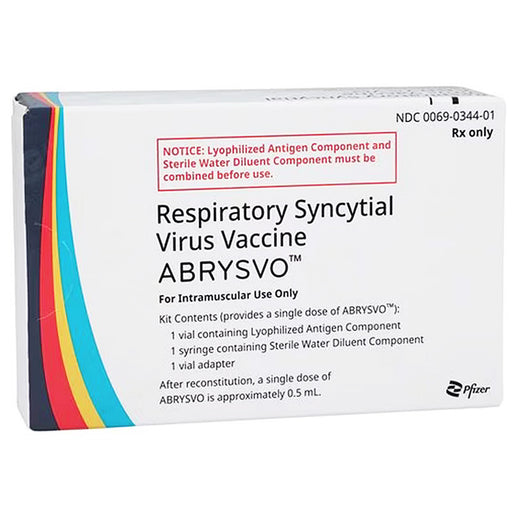
Original price $ 675.00Current price $ 492.00Abrysvo RSV Vaccine (Respiratory Syncytial Virus Vaccine) 0.5 mL Kit (Rx) **Refrigerated Item
Abrysvo (RSV Vaccine) 0.5 mL Injection Abrysvo is a vaccine made by Pfizer that protects against respiratory syncytial virus (RSV), a common respir...
View full details -
 Sale 26%
Original price $ 2,795.00Current price $ 2,075.00
Sale 26%
Original price $ 2,795.00Current price $ 2,075.00Abrysvo RSV Vaccine 0.5 mL Kit for RSV by Pfizer USPG 5/Box (Rx) **Refrigerated
Protect your patients from severe respiratory infections with Abrysvo RSV Vaccine—the advanced, FDA-approved solution for the prevention of Respira...
View full details

Vaccines
Vaccines are biological preparations that stimulate the immune system to protect against specific diseases. They work by introducing an antigen – a harmless or weakened fragment of a virus or bacterium (or sometimes just a key protein or piece of it) – so that the body’s immune system learns to recognize and fight that germ without causing illness. In other words, vaccines help your immune system build protection (through antibodies and immune “memory”) against a disease. As WHO explains, vaccines “reduce risks of getting a disease by working with your body’s natural defenses to build protection”. Importantly, because vaccines contain only killed or weakened germs (or parts of germs), they do not cause the disease itself.
Vaccine Types and How They Work
-
Immune training: Vaccines work by mimicking an infection – introducing a harmless form of a pathogen (weakened/killed germs, a fragment of it, or even genetic instructions) to trigger the immune system. The immune system recognizes these vaccine antigens as foreign, produces antibodies and activates T-cells, and then retains “memory” of the pathogen. This immunologic memory means that if the real pathogen is encountered later, the body mounts a rapid, strong response and often prevents illness entirely.
-
Live-attenuated vaccines: Use a weakened but live form of the germ (virus or bacterium). Because the pathogen can replicate a little, they closely mimic natural infection and induce a very strong, long-lasting immune response. Typically only one or two doses are needed for long-term protection. Examples: measles-mumps-rubella (MMR), varicella (chickenpox), and some oral polio and rotavirus vaccines. (These are very effective, but are usually avoided in people with severely weakened immunity.)
-
Inactivated (killed) vaccines: Contain pathogens that have been killed or inactivated (e.g. by heat or chemicals) so they cannot replicate. They are very safe (even for immunocompromised people) but often produce a weaker immune response than live vaccines. To achieve and maintain immunity, multiple doses and periodic booster shots are usually required. Examples: injectable polio vaccine (IPV), hepatitis A vaccine, many flu shots, and rabies vaccine.
-
Subunit/recombinant/polysaccharide/conjugate vaccines: Include only specific pieces of the pathogen (such as proteins, sugars, or capsid fragments) rather than the whole germ. By focusing the immune response on key antigens, they are very targeted and safe (suitable for most people, including those with weak immune systems). Often an adjuvant is added to boost immunity. Examples: hepatitis B and HPV vaccines use purified viral protein (recombinant subunits); the Hib and pneumococcal vaccines use bacterial polysaccharide capsules attached to a protein carrier (conjugates). These vaccines may require booster doses because only pieces of the germ are delivered.
-
Toxoid vaccines: Contain inactivated bacterial toxins (toxoids) instead of whole bacteria. The immune response is thereby directed against the toxin. Classic examples are tetanus and diphtheria vaccines, where immunity is generated against the harmful toxin produced by the bacteria rather than the bacteria themselves.
-
Viral vector vaccines: Use a harmless “carrier” virus (vector) that has been genetically engineered to carry a gene (or genes) from the target pathogen. Once injected, the vector infects cells and delivers the gene, causing the cells to produce the pathogen’s antigen (e.g. a viral protein). The immune system then responds to this antigen as if it were a real infection. This approach elicits a strong response akin to a live infection. Examples: some Ebola vaccines and COVID-19 vaccines (e.g. Johnson & Johnson, AstraZeneca) use adenovirus vectors to deliver SARS-CoV-2 spike protein genes.
-
mRNA vaccines: Contain messenger RNA (mRNA) encoding a pathogen antigen (usually packaged in a lipid nanoparticle). After injection, muscle cells take up the mRNA and use it to make the viral protein antigen. The immune system then recognizes this protein as foreign and generates antibodies and T-cells against it. This technology was used in the Pfizer-BioNTech and Moderna COVID-19 vaccines. mRNA vaccines do not contain live virus and do not alter human DNA. (A related approach uses DNA vaccines—still largely experimental—which deliver genetic instructions via a plasmid to produce antigens.)
Each vaccine type is designed to present antigen(s) in a way that safely stimulates immunity. All approved vaccines have been shown to be safe and effective: they train our immune memory without causing the actual disease, protecting us (and indirectly our communities) from serious infections.
Impact and Importance
Vaccination is one of the most effective public health interventions ever developed. According to WHO, “we now have vaccines to prevent more than 30 life-threatening diseases” and immunization “prevents 3.5 million to 5 million deaths every year” from illnesses like diphtheria, tetanus, whooping cough, influenza, and measles. Widespread use of vaccines has led to the complete eradication of smallpox and the near-elimination of naturally occurring polio worldwide. By reaching high vaccination coverage, communities not only protect the vaccinated individuals but also reduce disease spread (known as herd immunity), safeguarding people who cannot be vaccinated.
Because of these benefits, experts consider immunization one of the best health investments. WHO calls it “one of the best health investments money can buy”. Vaccines not only save individual lives but also prevent healthcare costs and economic losses from outbreaks. They are essential for controlling epidemics and pandemics; for example, routine vaccination campaigns are a key reason why diseases like measles and polio have nearly disappeared in many countries. In short, vaccines underpin global health security and are a vital tool in public health.
Key Points:
- Vaccines safely train the immune system to recognize and fight specific germs without causing the actual disease.
- There are vaccines for dozens of serious illnesses: WHO notes we have vaccines against more than 30 life-threatening diseases (e.g. measles, polio, HPV, influenza, hepatitis, etc.).
- Immunization saves millions of lives each year. WHO estimates that 3.5–5 million deaths are averted annually thanks to vaccination programs.
- Vaccination is a highly cost-effective public health measure – WHO describes it as a top “health investment” – and it is critical for controlling outbreaks and protecting entire communities.
RSV Vaccines (Respiratory Syncytial Virus)
- New RSV vaccines (2023) are recommended for adults and pregnant women. ACIP now advises one dose of an RSV prefusion-protein vaccine for older adults: e.g. Arexvy (GSK) or Abrysvo (Pfizer), and mRNA-1345 (mResVIA, Moderna), for adults ≥60 years (recently updated to all ≥75 years and 60–74 at increased risk). Vaccination should be seasonal (fall/winter) before RSV season. Those who already received an RSV vaccine do not need another dose.
- Maternal immunization: A single dose of Pfizer’s RSVpreF (Abrysvo) is recommended for pregnant persons at 32–36 weeks’ gestation during RSV season. This protects infants (via placental antibodies) through the first 6 months of life, who otherwise would be at high risk of severe RSV. (If not given in pregnancy, Abrysvo can be given postpartum.)
- Infants/children: No active vaccine is yet approved for infants, but passive immunoprophylaxis is used. The monoclonal antibodies nirsevimab (recently FDA-approved) given to infants in RSV season, and palivizumab (older product) for high-risk infants, can prevent severe RSV disease. These are not “vaccines” but provide immediate passive immunity.
- Summary: RSV vaccines are newly available. All at-risk older adults and pregnant women in RSV season should get the appropriate RSV vaccine dose. (Efficacy in trials was high: e.g. 94% protective efficacy of maternal vaccine against infant RSV hospitalization.)
Influenza (“Flu”) Vaccines
- Annual recommendation: CDC/ACIP recommend everybody age ≥6 months get an influenza vaccine every year. Ideally vaccinate in early fall (Sept/Oct) so immunity is highest during peak flu season. However, vaccination is beneficial as long as flu viruses circulate (often through spring). Young children may need two doses the first year they are vaccinated (≥4 weeks apart).
- Vaccine types: Most flu shots are inactivated (killed) vaccines given intramuscularly. There are standard-dose egg-based vaccines (approved for 6+ months) and cell-based or recombinant (egg-free) versions. There are also a live-attenuated nasal spray vaccine (approved for ages 2–49 years, non-pregnant). Formulations may be quadrivalent (covering two A strains and two B strains) or currently trivalent (no B/Yamagata circulating).
- Special formulations: For older adults (≥65 years), high-dose, adjuvanted, or recombinant formulations are FDA-approved and preferentially recommended because they elicit stronger immunity in the elderly. (Examples: Fluzone® High-Dose, Flublok® recombinant, Fluad® adjuvanted.) Otherwise, no brand preference for younger persons – any age-appropriate vaccine should be used. People with egg allergies may receive any flu vaccine without special precautions.
- Composition: The specific A/B strains in the vaccine are updated yearly by FDA advisory committee based on surveillance. For example, the 2023–24 vaccine updated its A(H1N1)pdm09 component. Even if not a perfect match, flu vaccination reduces severity of illness and complications in vaccinated people.
Shingrix – Recombinant Zoster Vaccine
- Indication: Shingrix is a recombinant zoster vaccine (RZV) for prevention of shingles (herpes zoster) and post-herpetic neuralgia. CDC recommends two doses of Shingrix for all adults ≥50 years, regardless of prior chickenpox or Zostavax history. Immunocompromised adults (19+ years) should also receive 2 doses.
- Schedule: The two doses are given intramuscularly, with the second dose 2–6 months after the first. (If more than 6 months elapses, give the second dose as soon as possible; no need to restart.). If a patient had shingles, wait until recovery before vaccinating, but otherwise there is no need to screen for history of chickenpox.
- Vaccine details: Shingrix contains glycoprotein E antigen plus a potent adjuvant. In trials it showed >90% efficacy even in older age groups. It replaced the older live vaccine Zostavax (which is no longer used). Shingrix can be given at the same visit as other adult vaccines (e.g. flu, COVID-19) at different sites. Common side effects (pain, redness at injection site, fatigue) are usually mild-confirm or cite.
- Special: No contraindications except known severe allergy to vaccine components. Immunization is highly encouraged even if the patient received Zostavax years ago (two doses of Shingrix are still recommended).
Hepatitis A (HepA) Vaccine
- Indication: Hepatitis A vaccine (inactivated HAV vaccine) is recommended for all children (routine, first dose at age 12–23 months). Catch-up 2-dose vaccination is advised for any child or adolescent (2–18 years) who wasn’t previously immunized. Adults at high risk for HAV (e.g. travelers to endemic countries, men who have sex with men, people who use injection drugs, persons with chronic liver disease, clotting-factor disorders) should be vaccinated. CDC also says “any adult seeking protection” without specified risk should be offered the vaccine.
- Schedule: The HepA vaccine is given in a 2-dose series (e.g. Havrix or Vaqta) separated by 6–18 months. (Some combination vaccines include HepA+HepB in multiple doses.) Full immunity develops about 1–2 weeks after the second dose. HepA vaccine provides long-term protection (decades). It can also be given as post-exposure prophylaxis (ideally within 2 weeks of exposure) along with immune globulin in some cases, per guidelines (beyond this summary).
- Administration: Both doses are intramuscular. In children, the first dose is usually at 12–15 months and the second at 18–24 months. Adolescents receive 2 doses at least 6 months apart. Traveler guidelines: if an adult needs rapid protection before travel, accelerated schedules exist (two doses ≥6 months apart; sometimes combined with immune globulin).
Hepatitis B (HepB) Vaccine
- Indication: Hepatitis B vaccine (recombinant HBsAg) is universally recommended. All infants should receive a birth dose (within 24 hours of birth) followed by 2 or 3 additional doses in the first year of life. It’s also recommended for any child or teen (<19 years) who missed infancy doses. Adults up to age 59 should receive HepB vaccine routinely. Adults ≥60 with risk factors (healthcare work, dialysis, chronic liver disease, frequent blood exposure, multiple sex partners, etc.) or any adult who simply wants vaccination should also be immunized.
- Schedule: The usual HepB series is 3 doses: typically at 0, 1, and 6 months (with some brand variations). For example, Engerix-B and Recombivax are 3-dose vaccines for ages ≥20. However, a newer adult HepB vaccine (Heplisav-B) is a 2-dose series (0,1 month) for patients 18+. Combination vaccines (Twinrix) also exist (HepA+HepB) in 3-4 doses for 18+. Infants get the pediatric formulation on a similar 3-shot schedule. High-risk adults (dialysis patients) may need an enhanced schedule (4 doses or higher dose).
- Administration: All HepB vaccines are intramuscular (preferred in the deltoid). Post-vaccine testing is optional except for certain occupations (like healthcare). HepB vaccination is safe in pregnancy and should not be deferred. (Pregnant women with risk factors are usually tested; if susceptible, they should be vaccinated.) Successive doses from different manufacturers are allowed if needed. A completed HepB series produces long-lasting, likely lifelong, immunity.
- Combination: One combined HepA-HepB vaccine (Twinrix) is licensed for adults 18+ (3-dose or accelerated 4-dose schedules) for those needing protection against both viruses. This can be used per labeling if indicated.
Summary: These vaccines protect against their respective pathogen. RSV vaccines (GSK, Pfizer, etc.) are newly available to protect older adults and infants (via maternal immunization) from severe RSV. Annual flu vaccines are advised for everyone >6 months, with updated strains each year. Shingrix (recombinant zoster) is an adjuvanted 2-dose vaccine for preventing shingles in adults 50+. Hepatitis A vaccine (2 doses) is given to young children routinely and to at-risk adults. Hepatitis B vaccine (usually 3 doses) is given universally starting at birth and recommended for all adults under 60 (and high-risk older adults). Follow the published schedules and storage guidelines for each vaccine.
MMR Vaccine
MMR (Measles–Mumps–Rubella) vaccine is a live, attenuated virus vaccine given subcutaneously. It protects against measles (rubeola), mumps, and rubella. The routine schedule is 2 doses: first at 12–15 months of age and second at 4–6 years of age. If a child misses this window, catch-up vaccination ensures a total of 2 doses (at least 28 days apart). One dose at ≥12 months provides ~93% protection against measles, and two doses are recommended to ensure long-term immunity. Adolescents and adults who lack documented immunity (no prior vaccination or infection) should receive at least one dose (two doses for certain groups like healthcare workers or during outbreaks). A combination MMRV (also containing varicella) is licensed for children 1–12 years as an alternative.
Contraindications/Precautions: Because it is live, do not give MMR to anyone who is pregnant or severely immunocompromised. Women of childbearing age should avoid pregnancy for one month after receiving MMR. Pregnant women with no evidence of rubella immunity should wait until after delivery to be immunized. Persons with a history of severe allergic reaction to neomycin, gelatin, or previous MMR dose should not receive it. (Minor illness without fever is not a contraindication.)
Administration and Safety: MMR is injected subcutaneously (usually in the outer triceps area). Side effects are generally mild (fever, mild rash, swollen glands ~7–12 days post-vaccination); severe allergic reactions are very rare. Local soreness is uncommon since it’s subcutaneous; systemic reactions (fever, rash) occur in ~5–15% of vaccinees. In outbreaks or before international travel, an early dose at 6–11 months may be given, but it does not count toward the 2-dose series (those children still need 2 more doses after age 12 months).
Key Point: Two doses of MMR are highly effective in preventing these three diseases. Universal childhood vaccination and catch-ups in older children/adults maintain community protection. Keep MMR status up-to-date for healthcare workers, students, and travelers.
Tdap Vaccine
Tdap is the Tetanus toxoid, reduced Diphtheria toxoid, and acellular Pertussis vaccine (brand names: Adacel®, Boostrix®). It is a booster vaccine containing the pertussis component (whereas Td has no pertussis). Tdap is given intramuscularly.
-
Children/Adolescents: After the 5-dose pediatric DTaP series (last dose at age 4–6), a single dose of Tdap is recommended at 11–12 years of age. This boosts tetanus/diphtheria immunity and provides additional pertussis protection before adulthood. (If missed, give Tdap whenever feasible.)
-
Pregnancy: One Tdap dose is recommended during each pregnancy, optimally between 27–36 weeks’ gestation. This maximizes antibody transfer to the infant, protecting newborns from pertussis (who are too young for their own vaccine). If not given during pregnancy, Tdap should be given immediately postpartum if the mother never had it.
-
Adults: Everyone ≥19 years old should have at least one lifetime Tdap if not already received (the childhood Tdap covers teens). After that, Td boosters are given every 10 years; however, any one of these boosters can be Tdap if pertussis protection is desired. For example, healthcare providers or others in contact with infants typically get Tdap once and then Td thereafter. ACIP specifically recommends a single adult Tdap for anyone who missed it as a teen. (Boostrix is licensed for 65+, Adacel through age 64; either may be used in older adults if available.)
-
Wound Prophylaxis: If a patient with a tetanus-prone wound has not had a booster in ≥5 years, a Tdap (or Td) booster is indicated as part of wound care.
Key Points: Tdap is used once in adolescence and once each pregnancy (with Td boosters every 10 years). It protects against a pertussis outbreak in families and provides continued tetanus/diphtheria immunity. Tdap should be given with standard injection technique (IM in the deltoid), and local soreness or minor systemic reactions (malaise, headache) can occur but serious side effects are uncommon.