
Vacutainer Tubes to Blood samples
Vacutainer Tubes
Vacutainer tubes (often called evacuated blood collection tubes) are the standard devices used to draw and transport blood specimens for laboratory testing. Each tube is a sterile glass or plastic container sealed with a colored rubber stopper under vacuum. When the stopper’s seal is pierced by a blood-drawing needle, the internal vacuum automatically pulls in a fixed volume of blood. This closed-tube system has largely replaced older syringe-and-tube methods, because the vacuum ensures a precise blood volume and minimizes handling.
The colored stopper on a Vacutainer indicates the tube’s additive (if any). Different colors correspond to different preservatives or reagents for various tests. For example, a lavender-top tube contains EDTA anticoagulant for whole blood (hematology) tests, a light-blue tube contains sodium citrate for coagulation studies, and a red or gold stopper (with clot activator) yields clotted blood (serum) for chemistry panels. Because each tube’s vacuum is calibrated to its additive, the correct blood-to-additive ratio is guaranteed.
In practice, Vacutainers are used with a needle holder to collect multiple samples in one venipuncture. After drawing, tubes are capped and gently inverted (if they have anticoagulant) before laboratory processing. The one-time-use, closed design reduces contamination or hemolysis risk. Today, vacutainer tubes are ubiquitous in hospitals and clinics for routine blood tests – from complete blood counts to metabolic panels – providing a safe, standardized way to collect blood.
The name “Vacutainer” comes from BD (Becton Dickinson), which popularized this closed vacuum system, but the term is now used generically for any evacuated collection tube. These tubes are color-coded by stopper (cap) color to indicate the tube’s additive (anticoagulant, clot activator, etc.) or test type. For example, common Vacutainer colors include red (plain tube, no additive, for serum), lavender/purple (EDTA anticoagulant, for hematology like CBC), green (heparin anticoagulant, for plasma chemistry), gray (fluoride/oxalate, for glucose testing), and blue (sodium citrate, for coagulation assays). The stopper color (and often a printed label) ensures the correct additive and volume are used for each laboratory test. In short, Vacutainer tubes provide a safe, standardized way to collect and transport blood samples for virtually all routine blood tests.
Types of Vacutainer Tubes
Vacutainer tubes are specialized collection tubes used in phlebotomy to collect and store blood samples for testing and analysis. Each type of tube is designed for specific tests and contains different additives. Here are some common types of Vacutainer tubes:
Red Top: No additives. Used for serum collection in chemistry tests.
Gold or Tiger Top (SST): Contains gel for serum separation and a clot activator. Used for chemistry panels and serology tests.
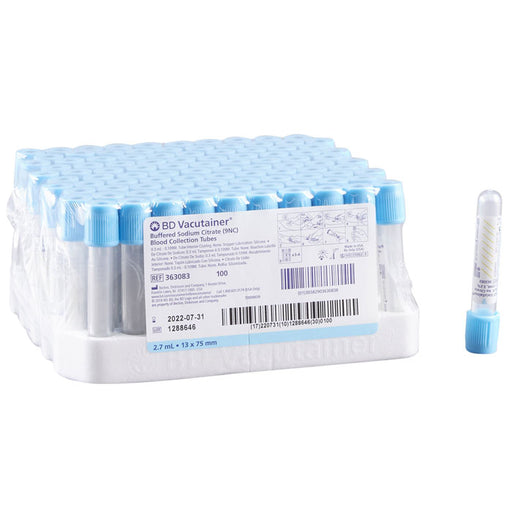
Light Blue Top: Contains sodium citrate as an anticoagulant. Used for coagulation studies, like PT and APTT.
Green Top: Contains heparin (either sodium or lithium). Used for plasma or whole blood determinations in chemistry.
Lavender or Purple Top: Contains EDTA as an anticoagulant. Used for hematology tests, like complete blood counts (CBC).
Gray Top: Contains potassium oxalate as an anticoagulant and sodium fluoride as a glycolytic inhibitor. Used for glucose and lactate testing.
Pink Top: Contains EDTA. Similar to the lavender tube but used specifically for blood bank tests.
Yellow Top (SPS): Contains sodium polyanethol sulfonate. Used for blood cultures.
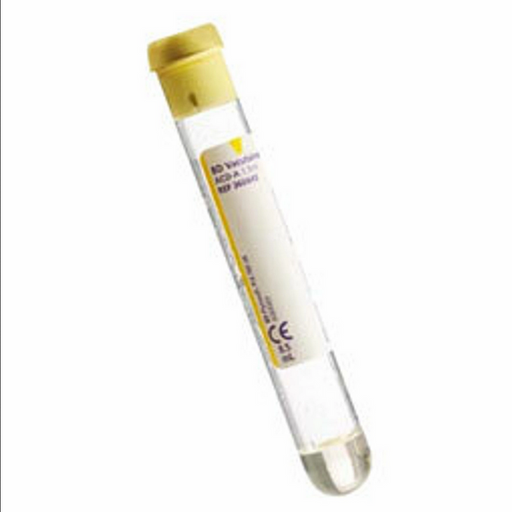
Yellow Top (ACD): Contains acid citrate dextrose. Used for HLA phenotyping and DNA testing.
Each tube is color-coded based on the additives it contains, and it is crucial to use the appropriate tube for the test being conducted to ensure accurate and reliable results.
Vacutainer tubes are sterile, evacuated glass or plastic tubes used to draw blood samples. They are single-use and supplied by needle holders in a closed system (minimizing exposure risk). Each tube’s stopper color indicates its additive (anticoagulants, clot activators, gels, etc.) tailored to specific tests. After collection, the tubes are capped and can be stored or sent for analysis of serum, plasma or whole blood. “Vacutainer” was originally a BD brand name for these tubes, but the term is commonly used for any evacuated blood collection tube of this type.
Vacutainer Tubes – Blood Collection Guide
Vacutainer tubes (originally a BD brand) are sterile, evacuated (vacuum-sealed) blood collection tubes used in phlebotomy. When a needle punctures a patient’s vein, the vacuum automatically draws in a precise volume of blood. Each tube has a color-coded stopper indicating its contents: either a clot activator, anticoagulant, preservative or none. The color tells lab staff exactly what additive is inside (or if it’s plain for serum). For example, lavender or purple tops contain the anticoagulant EDTA (which binds calcium and preserves whole blood cells), so they are used for hematology tests like CBCs. In short, vacutainer tubes are categorized by stopper color to ensure the correct sample processing and accurate test results.
Color Coding & Uses of Common Tubes
Below are some standard vacutainer tube stoppers and their typical uses (manufacturer colors can vary slightly):
- Red-top (plain) – No additive (or sometimes clot activator). Allows blood to clot naturally, yielding serum. Used for many chemistry tests (e.g. hormones, drug levels) where serum is needed.
- Gold/“Tiger-top” (SST) – Clot activator plus a gel separator. After clotting, the gel forms a barrier between cells and serum. Widely used for routine chemistry panels (electrolytes, liver/kidney tests, lipids, etc.) because it gives clean serum.
- Light Blue – Contains sodium citrate (3.2% or 3.8%). Chelates calcium, preventing clotting. Used specifically for coagulation studies (e.g. PT/INR, aPTT, fibrinogen) because one can re-add calcium in the lab to test clotting function. Tubes must be filled to the proper volume (fill ratios are critical) to ensure the correct blood-to-additive ratio.
- Green (light or dark) – Contains heparin (sodium or lithium; sometimes gel). Heparin inhibits clotting by inactivating thrombin. Used when plasma is needed for chemistry tests or STAT labs (e.g. ammonia, ketones) and for blood gases/ionized calcium. Dark green tubes have sodium heparin and light-green tubes have lithium heparin (with gel separator). Both yield plasma for rapid testing (often used in emergency panels).
- Lavender (Purple) – Contains EDTA (K2EDTA). Strong calcium chelator that preserves cell morphology. Used for whole blood hematology tests (complete blood count/CBC, hemoglobin A1c) and many blood bank tests. It prevents clotting and preserves red/white cells well. (Because EDTA binds calcium so tightly, these tubes must be filled correctly and inverted gently to mix.)
- Pink – Also contains K2EDTA, but the stopper is pink. It’s essentially the same additive as lavender, but the pink-topped vacutainer is specifically used in transfusion medicine (blood bank). For example, type & screen and crossmatch samples are drawn in pink-top tubes. The pink tube is biohazard-labeled and ensures correct handling for transfusion.
- Gray – Contains potassium oxalate and sodium fluoride. The oxalate anticoagulant prevents clotting, while fluoride inhibits glycolysis. This tube is used for blood glucose testing (fasting glucose, glucose tolerance tests) and sometimes blood alcohol levels, because the fluoride preserves glucose in the sample for up to 24 hours.
(Other specialized tubes exist – e.g. Royal Blue tops for trace metal analysis, Tan EDTA tops for lead, Black tops for ESR – but the colors above cover the most common lab uses.)
Important: When drawing blood into multiple tubes, phlebotomists follow the recommended order of draw to prevent additive carryover (e.g. filling citrate tubes before EDTA tubes). Each tube’s instructions should be checked, but the color code itself ensures the collected sample goes to the correct test. In practice, a “Vacutainer tube guide” or chart is often kept in labs or on venipuncture carts to remind staff of the color–additive associations and typical test uses.
Vacutainer Tube Storage Best Practices
Vacutainer (evacuated) blood collection tubes must be stored under controlled conditions to preserve the vacuum seal and additives. Improper storage can weaken the vacuum or degrade tube components, causing under-filled draws or contaminated samples. Key guidelines include:
-
Temperature and Humidity: Store tubes at approximately room temperature. Industry sources recommend roughly 4–25 °C (40–77 °F). Do not freeze tubes – temperatures near or below 0 °C can crack the glass/plastic or compromise the seal. Likewise, avoid excessive heat above ~25 °C, which can deform stoppers or gel separators. Keep the storage area dry: relative humidity should be low (e.g. <85%) and away from damp or wet environments (moisture can damage tube materials and seals).
-
Light and Location: Do not expose tubes to direct sunlight or strong heat sources. Sunlight and heat (from heaters, radiators, direct air vents, etc.) can degrade tube plastics, stoppers, or separation gels. Store them in a cool, dry space away from windows or heating ducts. Many labs keep unopened tubes in ambient storage rooms or controlled-temperature cabinets. If possible, maintain them in the manufacturer’s stated temperature range (often printed on the box).
-
Handling and Packaging: Leave tubes sealed in their original packaging until use. The original foil or box protects them from dust, light and physical damage. Once opened, store tubes upright in a rack or holder. This keeps the vacuum seal intact and prevents accidental leakage or contamination of additives. Do not shake, drop or jostle tubes when handling – physical shock can crack the glass or break the stopper seal. Organized storage (using tube racks or partitioned boxes) helps avoid stacking or crowding, which can also stress tubes. Keep caps firmly in place at all times, and only remove them immediately before collection.
-
Shelf Life and Rotation: Always check and respect the expiration date on vacutainer tubes. Tubes do expire: over time the plastic/rubber stoppers can degrade and the vacuum will weaken. Use an explicit first-in/first-out (FIFO) system so older stock is used first . An out-of-date tube may under-fill (it can draw at least 90% of volume when new, but far less if expired). Discard any tube past its expiration, or any that show particulate contamination or visible damage. (For example, if you see sediment, cracks, or loose fragments inside a tube, do not use it.)
-
Additional Considerations: In certain environments, extra precautions apply. For example, facilities at high altitude (above ~1500–2000 meters or ~5000 ft) should use special “high-altitude” tubes with extra vacuum, because standard tubes will draw less blood as ambient pressure drops. Also note that tubes containing separator gel or clot activators are especially sensitive to storage conditions: extreme heat can alter the gel or additives, and freezing can damage glass or cause additives to precipitate.
In summary, always store vacutainer tubes sealed, upright, and in a cool, dry place as specified by the manufacturer. Follow FIFO rotation and never use tubes beyond their expiry. Proper storage—i.e. moderate temperature (≈4–25 °C), low humidity (< 85%), no direct sunlight, and stable handling—will preserve the tube vacuum and additive integrity. This ensures accurate blood draws and reliable lab results
-
 Sale 31%
Original price $ 69.95Current price $ 48.00
Sale 31%
Original price $ 69.95Current price $ 48.00Citrate Tubes BD Vacutainer Blue Top Tube 2.7 mL, 13mm x 75 mm, 100/Pack
Citrate Tubes Vacutainer Blue Top Tube for PT/INR, Coagulation, & Hemostasis Testing BD Vacutainer 2.7 mL Citrate Tube (Light Blue Top, Hemogar...
View full details -
 Sale 24%
Original price $ 379.95Current price $ 289.95
Sale 24%
Original price $ 379.95Current price $ 289.95Venous Blood Collection Tube ACD Solution A Additive 6 mL, Yellow Cap 13mm x 100mm, 100/box
Venous Blood Collection Tubes with ACD (Acid Citrate Dextrose) Solution A are used to preserve whole blood samples. The ACD acts as an anticoagulan...
View full details
Vacutainer Tubes
Vacutainer tubes (often called evacuated blood collection tubes) are the standard devices used to draw and transport blood specimens for laboratory testing. Each tube is a sterile glass or plastic container sealed with a colored rubber stopper under vacuum. When the stopper’s seal is pierced by a blood-drawing needle, the internal vacuum automatically pulls in a fixed volume of blood. This closed-tube system has largely replaced older syringe-and-tube methods, because the vacuum ensures a precise blood volume and minimizes handling.
The colored stopper on a Vacutainer indicates the tube’s additive (if any). Different colors correspond to different preservatives or reagents for various tests. For example, a lavender-top tube contains EDTA anticoagulant for whole blood (hematology) tests, a light-blue tube contains sodium citrate for coagulation studies, and a red or gold stopper (with clot activator) yields clotted blood (serum) for chemistry panels. Because each tube’s vacuum is calibrated to its additive, the correct blood-to-additive ratio is guaranteed.
In practice, Vacutainers are used with a needle holder to collect multiple samples in one venipuncture. After drawing, tubes are capped and gently inverted (if they have anticoagulant) before laboratory processing. The one-time-use, closed design reduces contamination or hemolysis risk. Today, vacutainer tubes are ubiquitous in hospitals and clinics for routine blood tests – from complete blood counts to metabolic panels – providing a safe, standardized way to collect blood.
The name “Vacutainer” comes from BD (Becton Dickinson), which popularized this closed vacuum system, but the term is now used generically for any evacuated collection tube. These tubes are color-coded by stopper (cap) color to indicate the tube’s additive (anticoagulant, clot activator, etc.) or test type. For example, common Vacutainer colors include red (plain tube, no additive, for serum), lavender/purple (EDTA anticoagulant, for hematology like CBC), green (heparin anticoagulant, for plasma chemistry), gray (fluoride/oxalate, for glucose testing), and blue (sodium citrate, for coagulation assays). The stopper color (and often a printed label) ensures the correct additive and volume are used for each laboratory test. In short, Vacutainer tubes provide a safe, standardized way to collect and transport blood samples for virtually all routine blood tests.
Types of Vacutainer Tubes
Vacutainer tubes are specialized collection tubes used in phlebotomy to collect and store blood samples for testing and analysis. Each type of tube is designed for specific tests and contains different additives. Here are some common types of Vacutainer tubes:
Red Top: No additives. Used for serum collection in chemistry tests.
Gold or Tiger Top (SST): Contains gel for serum separation and a clot activator. Used for chemistry panels and serology tests.
Light Blue Top: Contains sodium citrate as an anticoagulant. Used for coagulation studies, like PT and APTT.
Green Top: Contains heparin (either sodium or lithium). Used for plasma or whole blood determinations in chemistry.
Lavender or Purple Top: Contains EDTA as an anticoagulant. Used for hematology tests, like complete blood counts (CBC).
Gray Top: Contains potassium oxalate as an anticoagulant and sodium fluoride as a glycolytic inhibitor. Used for glucose and lactate testing.
Pink Top: Contains EDTA. Similar to the lavender tube but used specifically for blood bank tests.
Yellow Top (SPS): Contains sodium polyanethol sulfonate. Used for blood cultures.
Yellow Top (ACD): Contains acid citrate dextrose. Used for HLA phenotyping and DNA testing.
Each tube is color-coded based on the additives it contains, and it is crucial to use the appropriate tube for the test being conducted to ensure accurate and reliable results.
Vacutainer tubes are sterile, evacuated glass or plastic tubes used to draw blood samples. They are single-use and supplied by needle holders in a closed system (minimizing exposure risk). Each tube’s stopper color indicates its additive (anticoagulants, clot activators, gels, etc.) tailored to specific tests. After collection, the tubes are capped and can be stored or sent for analysis of serum, plasma or whole blood. “Vacutainer” was originally a BD brand name for these tubes, but the term is commonly used for any evacuated blood collection tube of this type.
Vacutainer Tubes – Blood Collection Guide
Vacutainer tubes (originally a BD brand) are sterile, evacuated (vacuum-sealed) blood collection tubes used in phlebotomy. When a needle punctures a patient’s vein, the vacuum automatically draws in a precise volume of blood. Each tube has a color-coded stopper indicating its contents: either a clot activator, anticoagulant, preservative or none. The color tells lab staff exactly what additive is inside (or if it’s plain for serum). For example, lavender or purple tops contain the anticoagulant EDTA (which binds calcium and preserves whole blood cells), so they are used for hematology tests like CBCs. In short, vacutainer tubes are categorized by stopper color to ensure the correct sample processing and accurate test results.
Color Coding & Uses of Common Tubes
Below are some standard vacutainer tube stoppers and their typical uses (manufacturer colors can vary slightly):
- Red-top (plain) – No additive (or sometimes clot activator). Allows blood to clot naturally, yielding serum. Used for many chemistry tests (e.g. hormones, drug levels) where serum is needed.
- Gold/“Tiger-top” (SST) – Clot activator plus a gel separator. After clotting, the gel forms a barrier between cells and serum. Widely used for routine chemistry panels (electrolytes, liver/kidney tests, lipids, etc.) because it gives clean serum.
- Light Blue – Contains sodium citrate (3.2% or 3.8%). Chelates calcium, preventing clotting. Used specifically for coagulation studies (e.g. PT/INR, aPTT, fibrinogen) because one can re-add calcium in the lab to test clotting function. Tubes must be filled to the proper volume (fill ratios are critical) to ensure the correct blood-to-additive ratio.
- Green (light or dark) – Contains heparin (sodium or lithium; sometimes gel). Heparin inhibits clotting by inactivating thrombin. Used when plasma is needed for chemistry tests or STAT labs (e.g. ammonia, ketones) and for blood gases/ionized calcium. Dark green tubes have sodium heparin and light-green tubes have lithium heparin (with gel separator). Both yield plasma for rapid testing (often used in emergency panels).
- Lavender (Purple) – Contains EDTA (K2EDTA). Strong calcium chelator that preserves cell morphology. Used for whole blood hematology tests (complete blood count/CBC, hemoglobin A1c) and many blood bank tests. It prevents clotting and preserves red/white cells well. (Because EDTA binds calcium so tightly, these tubes must be filled correctly and inverted gently to mix.)
- Pink – Also contains K2EDTA, but the stopper is pink. It’s essentially the same additive as lavender, but the pink-topped vacutainer is specifically used in transfusion medicine (blood bank). For example, type & screen and crossmatch samples are drawn in pink-top tubes. The pink tube is biohazard-labeled and ensures correct handling for transfusion.
- Gray – Contains potassium oxalate and sodium fluoride. The oxalate anticoagulant prevents clotting, while fluoride inhibits glycolysis. This tube is used for blood glucose testing (fasting glucose, glucose tolerance tests) and sometimes blood alcohol levels, because the fluoride preserves glucose in the sample for up to 24 hours.
(Other specialized tubes exist – e.g. Royal Blue tops for trace metal analysis, Tan EDTA tops for lead, Black tops for ESR – but the colors above cover the most common lab uses.)
Important: When drawing blood into multiple tubes, phlebotomists follow the recommended order of draw to prevent additive carryover (e.g. filling citrate tubes before EDTA tubes). Each tube’s instructions should be checked, but the color code itself ensures the collected sample goes to the correct test. In practice, a “Vacutainer tube guide” or chart is often kept in labs or on venipuncture carts to remind staff of the color–additive associations and typical test uses.
Vacutainer Tube Storage Best Practices
Vacutainer (evacuated) blood collection tubes must be stored under controlled conditions to preserve the vacuum seal and additives. Improper storage can weaken the vacuum or degrade tube components, causing under-filled draws or contaminated samples. Key guidelines include:
-
Temperature and Humidity: Store tubes at approximately room temperature. Industry sources recommend roughly 4–25 °C (40–77 °F). Do not freeze tubes – temperatures near or below 0 °C can crack the glass/plastic or compromise the seal. Likewise, avoid excessive heat above ~25 °C, which can deform stoppers or gel separators. Keep the storage area dry: relative humidity should be low (e.g. <85%) and away from damp or wet environments (moisture can damage tube materials and seals).
-
Light and Location: Do not expose tubes to direct sunlight or strong heat sources. Sunlight and heat (from heaters, radiators, direct air vents, etc.) can degrade tube plastics, stoppers, or separation gels. Store them in a cool, dry space away from windows or heating ducts. Many labs keep unopened tubes in ambient storage rooms or controlled-temperature cabinets. If possible, maintain them in the manufacturer’s stated temperature range (often printed on the box).
-
Handling and Packaging: Leave tubes sealed in their original packaging until use. The original foil or box protects them from dust, light and physical damage. Once opened, store tubes upright in a rack or holder. This keeps the vacuum seal intact and prevents accidental leakage or contamination of additives. Do not shake, drop or jostle tubes when handling – physical shock can crack the glass or break the stopper seal. Organized storage (using tube racks or partitioned boxes) helps avoid stacking or crowding, which can also stress tubes. Keep caps firmly in place at all times, and only remove them immediately before collection.
-
Shelf Life and Rotation: Always check and respect the expiration date on vacutainer tubes. Tubes do expire: over time the plastic/rubber stoppers can degrade and the vacuum will weaken. Use an explicit first-in/first-out (FIFO) system so older stock is used first . An out-of-date tube may under-fill (it can draw at least 90% of volume when new, but far less if expired). Discard any tube past its expiration, or any that show particulate contamination or visible damage. (For example, if you see sediment, cracks, or loose fragments inside a tube, do not use it.)
-
Additional Considerations: In certain environments, extra precautions apply. For example, facilities at high altitude (above ~1500–2000 meters or ~5000 ft) should use special “high-altitude” tubes with extra vacuum, because standard tubes will draw less blood as ambient pressure drops. Also note that tubes containing separator gel or clot activators are especially sensitive to storage conditions: extreme heat can alter the gel or additives, and freezing can damage glass or cause additives to precipitate.
In summary, always store vacutainer tubes sealed, upright, and in a cool, dry place as specified by the manufacturer. Follow FIFO rotation and never use tubes beyond their expiry. Proper storage—i.e. moderate temperature (≈4–25 °C), low humidity (< 85%), no direct sunlight, and stable handling—will preserve the tube vacuum and additive integrity. This ensures accurate blood draws and reliable lab results
- Wholesale blood collection tubes are supplied to clinics, hospitals, EMS teams, blood banks, dental practices, and institutional buyers across the United States.
- Full colour-coded tube range stocked: EDTA (lavender), sodium citrate (light blue), SST/clot activator (gold/tiger-top), plain serum (red), heparin (green), fluoride/oxalate (grey), and specialised variants.
- Evacuated (vacuum-sealed) closed-system design eliminates manual blood transfer, ensures precise blood volume, and minimises specimen contamination risk.
- BD Vacutainer blood collection tubes and alternative established-brand tubes are available to meet protocol-specific sourcing requirements.
- All tubes are sterile, single-use, and supplied through a licensed wholesale distribution channel with licensing verification for restricted product categories.
- Free US shipping on orders over $100. New accounts receive 5% off their first purchase. Volume pricing available, contact sales for bulk order enquiries.
- EDTA Tubes (Lavender/Purple Top): K2EDTA anticoagulant for haematology CBC, HbA1c, and blood bank testing, including type & screen.
- Sodium Citrate Tubes (Light Blue Top): 3.2% or 3.8% sodium citrate for coagulation studies, PT/INR, aPTT, fibrinogen. Fill-to-line critical.
- SST / Clot Activator Tubes (Gold / Tiger-Top): Gel separator plus clot activator for serum chemistry, metabolic panels, lipids, thyroid, and liver function.
- Plain Serum Tubes (Red Top): No additive; natural clot formation for assays where clot activators would interfere with hormones, drug levels, and certain serology.
- Heparin Tubes (Green Top): Sodium or lithium heparin for plasma chemistry and STAT testing of ammonia, ionised calcium, and blood gases.
- Fluoride / Oxalate Tubes (Grey Top): Sodium fluoride inhibits glycolysis; used for glucose testing and blood alcohol levels. Preserves glucose for up to 24 hours.
- Plasma Preparation Tubes & Specialised Variants: Including yellow-top SPS tubes for blood cultures and ACD tubes for HLA phenotyping and DNA studies.
| Stopper Colour | Additive | Specimen Type | Primary Test Uses |
|---|---|---|---|
| Lavender / Purple | K2EDTA anticoagulant | Whole blood/plasma | CBC, HbA1c, haematology panels, blood bank type & screen |
| Light Blue | Sodium citrate (3.2% or 3.8%) | Plasma (coagulation) | PT/INR, aPTT, fibrinogen, D-dimer fill to line required |
| Gold/Tiger-Top (SST) | Clot activator + gel separator | Serum | Metabolic panels, lipids, liver/kidney function, thyroid, serology |
| Red (Plain) | None | Serum | Hormone levels, drug monitoring, assays sensitive to clot activator |
| Green | Sodium or lithium heparin | Plasma | STAT chemistry, ammonia, ionised calcium, blood gases |
| Grey | Sodium fluoride + potassium oxalate | Whole blood/plasma | Fasting glucose, glucose tolerance test, and blood alcohol |
- Hospital & Outpatient Phlebotomy: High-volume routine draws for CBC, metabolic panels, coagulation studies, and blood cultures across inpatient and outpatient settings.
- EMS & Emergency Responders: Rapid blood draw vacutainer use for STAT panels in pre-hospital and emergency department environments where speed and specimen integrity are critical.
- Clinics & Doctors' Offices: Routine diagnostic blood collection for primary care, internal medicine, endocrinology, and specialist outpatient practices.
- Blood Banks & Transfusion Medicine: EDTA (lavender and pink top) tubes for type & screen, crossmatch, and compatibility testing per blood bank protocol.
- Dental Practices: Pre-procedural blood work and patient screening using standard vacuum collection tube formats.
- Veterinary Practices: Blood collection for haematology and chemistry panels using evacuated tube formats compatible with veterinary analysers.
- Medspa & Aesthetic Professionals: Blood draw for PRP (platelet-rich plasma) preparation and pre-treatment screening panels requiring qualified clinical oversight.
This product is intended for use by qualified healthcare professionals or under the guidance of a licensed medical provider. It is not a substitute for professional medical advice, diagnosis, or treatment.
- Match tube type to the ordered test first: The laboratory test order, not the phlebotomist's preference, dictates which tube is required. Confirm the additive compatibility with your laboratory director or test requisition before ordering stock.
- Follow CLSI GP41 order of draw: When drawing multiple tubes in one venipuncture, sequence matters. Citrate tubes precede EDTA tubes; EDTA tubes precede fluoride tubes. Additive carryover between tubes can corrupt downstream results.
- Verify volume requirements: Sodium citrate tubes must be filled to the indicated mark to maintain the 9:1 blood-to-additive ratio. Under-filled citrate tubes should be discarded, not submitted to the laboratory.
- Confirm brand requirements with your lab protocol: Some institutional accreditation bodies or laboratory SOPs specify BD Vacutainer blood collection tubes by brand name. Verify your protocol before substituting alternative manufacturers.
- Account for storage and altitude conditions: Standard vacutainers are calibrated for use at or near sea level. Facilities operating above approximately 1,500 metres should source high-altitude specification tubes to ensure correct fill volumes.
- Check expiry dates before bulk ordering: Order quantities that can be consumed within the tube's expiration window. Apply FIFO rotation to all existing stock on receipt of new inventory.
- Wholesale pricing available: Mountainside Medical supplies vacutainer tubes at wholesale pricing to clinics, hospitals, EMS services, dental practices, veterinary practices, and institutional buyers. Contact sales for volume pricing on large orders.
- Free US shipping on orders over $100: All orders over $100 ship free within the United States. Standard and expedited shipping options are available at checkout.
- New account discount: First-time purchasers receive 5% off their initial order. Discount applies automatically or via account setup. Contact the sales team for details.
- Licensing requirements: Some products in the blood collection and injectable supply categories require verification of a medical or professional licence before purchase. Have your licence information available when setting up a wholesale account.
- Contact for bulk orders: Reach the Mountainside Medical sales team at sales@mountainside-medical.com or by phone at +1 (888) 687-4334 to discuss high-volume procurement, institutional accounts, and standing order arrangements.
- Vacutainer price enquiries: Pricing is displayed at the individual product level. Bulk-tier pricing is available for qualifying order volumes. Contact sales directly for a quote on large or recurring purchase requirements.
Vacutainer tubes and evacuated blood collection tubes are medical devices intended for use by qualified healthcare professionals, licensed phlebotomists, clinical laboratory personnel, or individuals operating under the direct supervision of a licensed medical provider. They are not intended for home use or consumer self-collection without professional oversight.
Tube type selection, including additive, volume, and order of draw, must be determined by the ordering clinician and confirmed against laboratory protocol. Incorrect tube selection can result in invalid specimen processing and inaccurate test results. Mountainside Medical does not provide clinical laboratory guidance or medical advice. All product information on this page is intended to support informed purchasing decisions by qualified buyers and does not substitute for laboratory director review, institutional protocol compliance, or physician guidance.
Product specifications, additive formulations, and manufacturer details are subject to change by the manufacturer without notice. Verify current product specifications against the manufacturer's package insert before clinical use. Regulatory certification data not provided in the manufacturer documentation supplied to Mountainside Medical at the time of listing is not represented on this page.
Some products in this catalogue are restricted to buyers who hold a valid professional or medical licence. Mountainside Medical reserves the right to request licence verification before processing orders for restricted product categories.
-
What additive is in the lavender tube?
The lavender or purple-top vacutainer tube contains K2EDTA (dipotassium ethylenediaminetetraacetic acid). EDTA is a calcium-chelating anticoagulant — it binds calcium ions in the blood, which are required for the coagulation cascade to proceed. By removing available calcium, EDTA prevents clotting and preserves the morphology of red blood cells, white blood cells, and platelets. This makes the lavender-top EDTA tube the standard collection vessel for complete blood counts (CBC), haemoglobin A1c (HbA1c), and most haematology panels. It is also used in blood bank testing. After collection, the tube should be gently inverted 8–10 times to ensure the additive mixes thoroughly with the blood specimen.
-
What is the difference between a sodium citrate tube and an EDTA tube?
Both the sodium citrate tube (light blue top) and the EDTA tube (lavender top) are anticoagulants that prevent blood from clotting by chelating calcium, but they are calibrated for entirely different tests and are not interchangeable. The sodium citrate tube uses a reversible calcium-binding mechanism — the citrate can be overcome in the laboratory by adding excess calcium, allowing researchers to study coagulation function. This makes it the required tube for PT/INR, aPTT, fibrinogen, and D-dimer testing. The EDTA tube binds calcium much more tightly and is designed for whole blood and plasma tests where clotting prevention and cell preservation are the goals, not coagulation analysis. Submitting an EDTA tube for coagulation studies — or a citrate tube for a CBC — will produce invalid results. Always confirm the tube type against the laboratory test requisition.
-
What is the correct order of draw for vacutainer tubes?
The recommended order of draw for evacuated blood collection tubes follows the Clinical and Laboratory Standards Institute (CLSI) Guideline GP41, which is the governing standard for venous blood specimen collection in the United States. The sequence is: (1) Blood culture bottles — sterile field must be maintained first; (2) Sodium citrate tubes (light blue top) — coagulation studies; (3) Serum tubes with or without clot activator (red, gold, or tiger-top SST); (4) Heparin tubes (green top); (5) EDTA tubes (lavender or pink top); (6) Fluoride/oxalate tubes (grey top). This sequence prevents additive carryover from one tube stopper to the next needle engagement, which can contaminate subsequent specimens and alter test results. Phlebotomists drawing multiple tubes in a single venipuncture should follow this order consistently.
-
Can I buy BD Vacutainer blood collection tubes wholesale through Mountainside Medical?
Yes. Mountainside Medical supplies BD Vacutainer blood collection tubes alongside other established manufacturer product lines through its licensed wholesale distribution channel. Facilities whose institutional protocols or laboratory SOPs specify BD Vacutainer tubes by brand name can source against those requirements here. For specific BD product enquiries, volume pricing, or to confirm current BD SKU availability, contact the sales team at sales@mountainside-medical.com or call +1 (888) 687-4334.
-
What is a plain vacutainer tube used for?
A plain vacutainer tube — identified by a red stopper — contains no additive of any kind. Blood drawn into a plain red-top tube clots naturally over approximately 30–60 minutes at room temperature, yielding serum after centrifugation. Plain tubes are used when the test requires serum and when clot activators (used in SST gold-top tubes) could interfere with the assay — for example, certain hormone assays, therapeutic drug monitoring, and some serology tests are sensitive to silica-based clot activators. Laboratories specifying a plain tube over an SST will indicate this on the test requisition. Plain red-top tubes should not be inverted after collection, as this would disturb the clotting process.
-
How should vacutainer tubes be stored to maintain vacuum integrity?
Vacutainer tubes should be stored at approximately 4–25°C (40–77°F) in a dry location away from direct sunlight, heat sources, and areas with relative humidity above 85%. Tubes should remain in their original sealed packaging until the moment of use. They should never be frozen — sub-zero temperatures can crack the tube body or cause gel separators and additives to precipitate. Avoid exposing tubes to temperature extremes from radiators, direct sunlight through windows, or air conditioning units blowing directly onto storage areas. Stock should be rotated on a first-in, first-out (FIFO) basis, and expiry dates must be checked before use. Expired tubes may fail to draw the correct blood volume, invalidating the blood-to-additive ratio and potentially compromising specimen integrity.
-
What is a plasma preparation tube used for?
A plasma preparation tube (PPT) is a specialised evacuated collection tube designed to produce high-quality plasma specimens for molecular and cellular analysis. Unlike standard heparin or EDTA tubes, PPTs typically contain a cell separation gel and may be formulated with K2EDTA or another anticoagulant. After centrifugation, the gel barrier separates plasma from cellular components, yielding plasma suitable for molecular diagnostic testing, viral load assays, and certain immunology panels. The specific additive and performance characteristics of a plasma preparation tube vary by manufacturer — confirm the tube specification against your laboratory's test requirements before ordering.
-
Do I need a medical licence to purchase vacutainer tubes from Mountainside Medical?
Vacutainer tubes and evacuated blood collection tubes are professional-use medical devices. Mountainside Medical is a licensed wholesale distributor serving clinics, hospitals, EMS teams, dental and veterinary practices, and other institutional healthcare buyers. Some products in the broader Mountainside Medical catalogue — particularly injectables and prescription medications — require verified professional or medical licensure before purchase. For specific licence verification requirements applicable to blood collection tube orders, contact the sales team at sales@mountainside-medical.com or call +1 (888) 687-4334.
- Wholesale blood collection tubes are supplied to clinics, hospitals, EMS teams, blood banks, dental practices, and institutional buyers across the United States.
- Full colour-coded tube range stocked: EDTA (lavender), sodium citrate (light blue), SST/clot activator (gold/tiger-top), plain serum (red), heparin (green), fluoride/oxalate (grey), and specialised variants.
- Evacuated (vacuum-sealed) closed-system design eliminates manual blood transfer, ensures precise blood volume, and minimises specimen contamination risk.
- BD Vacutainer blood collection tubes and alternative established-brand tubes are available to meet protocol-specific sourcing requirements.
- All tubes are sterile, single-use, and supplied through a licensed wholesale distribution channel with licensing verification for restricted product categories.
- Free US shipping on orders over $100. New accounts receive 5% off their first purchase. Volume pricing available, contact sales for bulk order enquiries.
- EDTA Tubes (Lavender/Purple Top): K2EDTA anticoagulant for haematology CBC, HbA1c, and blood bank testing, including type & screen.
- Sodium Citrate Tubes (Light Blue Top): 3.2% or 3.8% sodium citrate for coagulation studies, PT/INR, aPTT, fibrinogen. Fill-to-line critical.
- SST / Clot Activator Tubes (Gold / Tiger-Top): Gel separator plus clot activator for serum chemistry, metabolic panels, lipids, thyroid, and liver function.
- Plain Serum Tubes (Red Top): No additive; natural clot formation for assays where clot activators would interfere with hormones, drug levels, and certain serology.
- Heparin Tubes (Green Top): Sodium or lithium heparin for plasma chemistry and STAT testing of ammonia, ionised calcium, and blood gases.
- Fluoride / Oxalate Tubes (Grey Top): Sodium fluoride inhibits glycolysis; used for glucose testing and blood alcohol levels. Preserves glucose for up to 24 hours.
- Plasma Preparation Tubes & Specialised Variants: Including yellow-top SPS tubes for blood cultures and ACD tubes for HLA phenotyping and DNA studies.
| Stopper Colour | Additive | Specimen Type | Primary Test Uses |
|---|---|---|---|
| Lavender / Purple | K2EDTA anticoagulant | Whole blood/plasma | CBC, HbA1c, haematology panels, blood bank type & screen |
| Light Blue | Sodium citrate (3.2% or 3.8%) | Plasma (coagulation) | PT/INR, aPTT, fibrinogen, D-dimer fill to line required |
| Gold/Tiger-Top (SST) | Clot activator + gel separator | Serum | Metabolic panels, lipids, liver/kidney function, thyroid, serology |
| Red (Plain) | None | Serum | Hormone levels, drug monitoring, assays sensitive to clot activator |
| Green | Sodium or lithium heparin | Plasma | STAT chemistry, ammonia, ionised calcium, blood gases |
| Grey | Sodium fluoride + potassium oxalate | Whole blood/plasma | Fasting glucose, glucose tolerance test, and blood alcohol |
- Hospital & Outpatient Phlebotomy: High-volume routine draws for CBC, metabolic panels, coagulation studies, and blood cultures across inpatient and outpatient settings.
- EMS & Emergency Responders: Rapid blood draw vacutainer use for STAT panels in pre-hospital and emergency department environments where speed and specimen integrity are critical.
- Clinics & Doctors' Offices: Routine diagnostic blood collection for primary care, internal medicine, endocrinology, and specialist outpatient practices.
- Blood Banks & Transfusion Medicine: EDTA (lavender and pink top) tubes for type & screen, crossmatch, and compatibility testing per blood bank protocol.
- Dental Practices: Pre-procedural blood work and patient screening using standard vacuum collection tube formats.
- Veterinary Practices: Blood collection for haematology and chemistry panels using evacuated tube formats compatible with veterinary analysers.
- Medspa & Aesthetic Professionals: Blood draw for PRP (platelet-rich plasma) preparation and pre-treatment screening panels requiring qualified clinical oversight.
This product is intended for use by qualified healthcare professionals or under the guidance of a licensed medical provider. It is not a substitute for professional medical advice, diagnosis, or treatment.
- Match tube type to the ordered test first: The laboratory test order, not the phlebotomist's preference, dictates which tube is required. Confirm the additive compatibility with your laboratory director or test requisition before ordering stock.
- Follow CLSI GP41 order of draw: When drawing multiple tubes in one venipuncture, sequence matters. Citrate tubes precede EDTA tubes; EDTA tubes precede fluoride tubes. Additive carryover between tubes can corrupt downstream results.
- Verify volume requirements: Sodium citrate tubes must be filled to the indicated mark to maintain the 9:1 blood-to-additive ratio. Under-filled citrate tubes should be discarded, not submitted to the laboratory.
- Confirm brand requirements with your lab protocol: Some institutional accreditation bodies or laboratory SOPs specify BD Vacutainer blood collection tubes by brand name. Verify your protocol before substituting alternative manufacturers.
- Account for storage and altitude conditions: Standard vacutainers are calibrated for use at or near sea level. Facilities operating above approximately 1,500 metres should source high-altitude specification tubes to ensure correct fill volumes.
- Check expiry dates before bulk ordering: Order quantities that can be consumed within the tube's expiration window. Apply FIFO rotation to all existing stock on receipt of new inventory.
- Wholesale pricing available: Mountainside Medical supplies vacutainer tubes at wholesale pricing to clinics, hospitals, EMS services, dental practices, veterinary practices, and institutional buyers. Contact sales for volume pricing on large orders.
- Free US shipping on orders over $100: All orders over $100 ship free within the United States. Standard and expedited shipping options are available at checkout.
- New account discount: First-time purchasers receive 5% off their initial order. Discount applies automatically or via account setup. Contact the sales team for details.
- Licensing requirements: Some products in the blood collection and injectable supply categories require verification of a medical or professional licence before purchase. Have your licence information available when setting up a wholesale account.
- Contact for bulk orders: Reach the Mountainside Medical sales team at sales@mountainside-medical.com or by phone at +1 (888) 687-4334 to discuss high-volume procurement, institutional accounts, and standing order arrangements.
- Vacutainer price enquiries: Pricing is displayed at the individual product level. Bulk-tier pricing is available for qualifying order volumes. Contact sales directly for a quote on large or recurring purchase requirements.
Vacutainer tubes and evacuated blood collection tubes are medical devices intended for use by qualified healthcare professionals, licensed phlebotomists, clinical laboratory personnel, or individuals operating under the direct supervision of a licensed medical provider. They are not intended for home use or consumer self-collection without professional oversight.
Tube type selection, including additive, volume, and order of draw, must be determined by the ordering clinician and confirmed against laboratory protocol. Incorrect tube selection can result in invalid specimen processing and inaccurate test results. Mountainside Medical does not provide clinical laboratory guidance or medical advice. All product information on this page is intended to support informed purchasing decisions by qualified buyers and does not substitute for laboratory director review, institutional protocol compliance, or physician guidance.
Product specifications, additive formulations, and manufacturer details are subject to change by the manufacturer without notice. Verify current product specifications against the manufacturer's package insert before clinical use. Regulatory certification data not provided in the manufacturer documentation supplied to Mountainside Medical at the time of listing is not represented on this page.
Some products in this catalogue are restricted to buyers who hold a valid professional or medical licence. Mountainside Medical reserves the right to request licence verification before processing orders for restricted product categories.
-
What additive is in the lavender tube?
The lavender or purple-top vacutainer tube contains K2EDTA (dipotassium ethylenediaminetetraacetic acid). EDTA is a calcium-chelating anticoagulant — it binds calcium ions in the blood, which are required for the coagulation cascade to proceed. By removing available calcium, EDTA prevents clotting and preserves the morphology of red blood cells, white blood cells, and platelets. This makes the lavender-top EDTA tube the standard collection vessel for complete blood counts (CBC), haemoglobin A1c (HbA1c), and most haematology panels. It is also used in blood bank testing. After collection, the tube should be gently inverted 8–10 times to ensure the additive mixes thoroughly with the blood specimen.
-
What is the difference between a sodium citrate tube and an EDTA tube?
Both the sodium citrate tube (light blue top) and the EDTA tube (lavender top) are anticoagulants that prevent blood from clotting by chelating calcium, but they are calibrated for entirely different tests and are not interchangeable. The sodium citrate tube uses a reversible calcium-binding mechanism — the citrate can be overcome in the laboratory by adding excess calcium, allowing researchers to study coagulation function. This makes it the required tube for PT/INR, aPTT, fibrinogen, and D-dimer testing. The EDTA tube binds calcium much more tightly and is designed for whole blood and plasma tests where clotting prevention and cell preservation are the goals, not coagulation analysis. Submitting an EDTA tube for coagulation studies — or a citrate tube for a CBC — will produce invalid results. Always confirm the tube type against the laboratory test requisition.
-
What is the correct order of draw for vacutainer tubes?
The recommended order of draw for evacuated blood collection tubes follows the Clinical and Laboratory Standards Institute (CLSI) Guideline GP41, which is the governing standard for venous blood specimen collection in the United States. The sequence is: (1) Blood culture bottles — sterile field must be maintained first; (2) Sodium citrate tubes (light blue top) — coagulation studies; (3) Serum tubes with or without clot activator (red, gold, or tiger-top SST); (4) Heparin tubes (green top); (5) EDTA tubes (lavender or pink top); (6) Fluoride/oxalate tubes (grey top). This sequence prevents additive carryover from one tube stopper to the next needle engagement, which can contaminate subsequent specimens and alter test results. Phlebotomists drawing multiple tubes in a single venipuncture should follow this order consistently.
-
Can I buy BD Vacutainer blood collection tubes wholesale through Mountainside Medical?
Yes. Mountainside Medical supplies BD Vacutainer blood collection tubes alongside other established manufacturer product lines through its licensed wholesale distribution channel. Facilities whose institutional protocols or laboratory SOPs specify BD Vacutainer tubes by brand name can source against those requirements here. For specific BD product enquiries, volume pricing, or to confirm current BD SKU availability, contact the sales team at sales@mountainside-medical.com or call +1 (888) 687-4334.
-
What is a plain vacutainer tube used for?
A plain vacutainer tube — identified by a red stopper — contains no additive of any kind. Blood drawn into a plain red-top tube clots naturally over approximately 30–60 minutes at room temperature, yielding serum after centrifugation. Plain tubes are used when the test requires serum and when clot activators (used in SST gold-top tubes) could interfere with the assay — for example, certain hormone assays, therapeutic drug monitoring, and some serology tests are sensitive to silica-based clot activators. Laboratories specifying a plain tube over an SST will indicate this on the test requisition. Plain red-top tubes should not be inverted after collection, as this would disturb the clotting process.
-
How should vacutainer tubes be stored to maintain vacuum integrity?
Vacutainer tubes should be stored at approximately 4–25°C (40–77°F) in a dry location away from direct sunlight, heat sources, and areas with relative humidity above 85%. Tubes should remain in their original sealed packaging until the moment of use. They should never be frozen — sub-zero temperatures can crack the tube body or cause gel separators and additives to precipitate. Avoid exposing tubes to temperature extremes from radiators, direct sunlight through windows, or air conditioning units blowing directly onto storage areas. Stock should be rotated on a first-in, first-out (FIFO) basis, and expiry dates must be checked before use. Expired tubes may fail to draw the correct blood volume, invalidating the blood-to-additive ratio and potentially compromising specimen integrity.
-
What is a plasma preparation tube used for?
A plasma preparation tube (PPT) is a specialised evacuated collection tube designed to produce high-quality plasma specimens for molecular and cellular analysis. Unlike standard heparin or EDTA tubes, PPTs typically contain a cell separation gel and may be formulated with K2EDTA or another anticoagulant. After centrifugation, the gel barrier separates plasma from cellular components, yielding plasma suitable for molecular diagnostic testing, viral load assays, and certain immunology panels. The specific additive and performance characteristics of a plasma preparation tube vary by manufacturer — confirm the tube specification against your laboratory's test requirements before ordering.
-
Do I need a medical licence to purchase vacutainer tubes from Mountainside Medical?
Vacutainer tubes and evacuated blood collection tubes are professional-use medical devices. Mountainside Medical is a licensed wholesale distributor serving clinics, hospitals, EMS teams, dental and veterinary practices, and other institutional healthcare buyers. Some products in the broader Mountainside Medical catalogue — particularly injectables and prescription medications — require verified professional or medical licensure before purchase. For specific licence verification requirements applicable to blood collection tube orders, contact the sales team at sales@mountainside-medical.com or call +1 (888) 687-4334.