Acetaminophen (Paracetamol) USP API Powder (C₈H₉NO₂)
Acetaminophen USP is an active pharmaceutical ingredient (API) used in various medications for pain and fever relief. It is also known as paracetamol in other countries. It is a widely used analgesic and antipyretic agent, which means it helps relieve pain and reduce fever. It belongs to a class of drugs known as non-opioid analgesics. Acetaminophen USP is the most commonly used pain reliever and can be found in many over-the-counter and prescription medications. It works by blocking the production of certain chemicals in the body that contribute to pain and fever. However, it does not reduce inflammation like other drugs such as ibuprofen or aspirin. Acetaminophen USP is considered a safe and effective medication when used as directed. However, it may cause liver damage if taken in high doses or with alcohol. It is important to follow the recommended dosage and not exceed the maximum daily limit.
Acetaminophen USP is a common medication used for pain relief and fever reduction. It is often compounded for custom formulations in order to meet specific patient needs. Compounding pharmacies may add other active ingredients, adjust the dosage form or strength, or create unique delivery methods to meet the individualized needs of patients. This can include adding flavors or creating more concentrated formulas for ease of use. Acetaminophen is also often compounded with other medications, such as codeine or hydrocodone, to create combination pain medications.
When taken orally, acetaminophen is absorbed into the bloodstream where it inhibits the enzyme cyclooxygenase, reducing the production of prostaglandins that cause pain and inflammation. It is commonly used to treat conditions such as headaches, muscle aches, arthritis, and fever. It is often preferred in patients who cannot take non-steroidal anti-inflammatory drugs (NSAIDs) due to gastrointestinal issues or other contraindications.
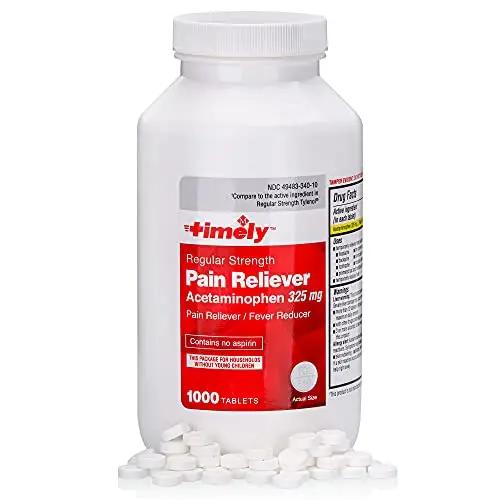
Acetaminophen is available in various forms, including powder, tablets, and liquid. It is important to follow the directions for dosage and usage as recommended by a healthcare provider, as overdose can lead to liver damage.
-
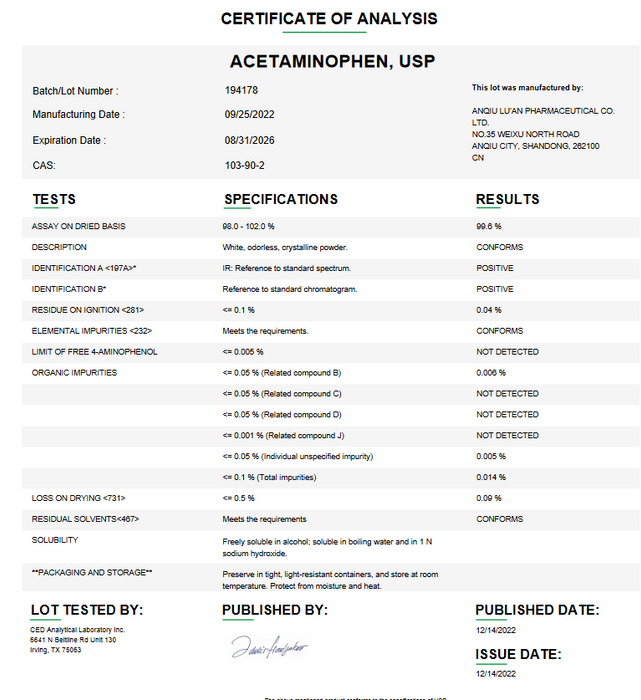
Names/Formula: Also called paracetamol (INN) or APAP (N-acetyl-p-aminophenol). The chemical formula is C₈H₉NO₂ (molecular weight ~151.16). It is a white, odorless crystalline powder (USP-grade powder meeting the USP/NF monograph).
-
Classification: A non-opioid analgesic and antipyretic agent. It relieves pain and reduces fever by likely inhibiting prostaglandin synthesis in the central nervous system (it lacks the peripheral anti-inflammatory activity of NSAIDs). It does not have significant anti-inflammatory effects.
-
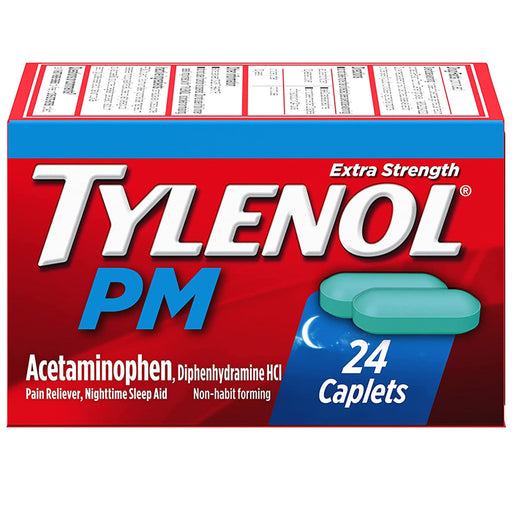
Indications: Used for mild-to-moderate pain (headaches, musculoskeletal aches, dysmenorrhea, osteoarthritis, etc.) and fever. It can be used alone for mild pain or added to opioid regimens for severe pain. It is found in numerous OTC products (e.g. Tylenol®, Excedrin™, many cold/flu medicines) often combined with other APIs (e.g. antihistamines, opioids).
-
Dosage: Typically dosed at 325–1000 mg every 4–6 hours as needed. The maximum single dose for adults should not exceed 1000 mg, and the daily total should generally not exceed the equivalent of 3–4 grams (depending on guidelines and patient factors). In children, the usual single dose is ~10–15 mg/kg (up to 75 mg/kg/day total, not exceeding ~3.75 g). (Note: Recent FDA guidance recommends re-evaluating high-dose use in large adults, but standard limit is ~4 g/day.) Acetaminophen comes in many forms – tablets, capsules, suspensions, suppositories, and IV – but all contain the same API.
-
Safety and Toxicity: Generally safe at recommended doses. Major toxicity: hepatotoxicity if overdosed. Exceeding the maximum dose (often >4 g/day in adults) can produce a toxic metabolite (NAPQI) that depletes glutathione, leading to acute liver injury or failure. Overdoses have caused liver transplants or fatalities. Early signs of overdose may include nausea, vomiting, and liver enzyme elevations. Antidote: N-acetylcysteine (NAC) promptly replenishes glutathione if given soon after overdose. ACOG and others consider acetaminophen safe in pregnancy (no proven risk at normal doses). No absolute contraindications in pregnancy or breastfeeding beyond normal precautions. (There is no Reye’s syndrome risk as with aspirin.)
-
Formulation Notes: As an API, USP-grade acetaminophen must meet pharmacopeial standards (purity 98.0–102.0% by assay). It is sparingly soluble in water and more soluble in alcohol/chloroform. It does not contain any addictive or opioid component. Manufacturers add excipients to make final tablets/syrups (binders, fillers, flavorings, etc.), but the API itself is pure acetaminophen powder.
-
Other: Common side effects of therapeutic dosing are minimal (occasional rash or GI upset). Unlike NSAIDs, acetaminophen does not increase bleeding risk or cause gastric ulcers. It’s a mainstay analgesic worldwide, on many essential medicines lists. Care should be taken to avoid unintentional overdose (multiple combination products can add up).
Summary: Acetaminophen (paracetamol) is a ubiquitous OTC analgesic/antipyretic (C₈H₉NO₂). Standard adult dosing is up to ~1000 mg per dose (max ~3–4 g/day). It is safe at therapeutic doses (including in pregnancy), but overdose (usually above 4 g/day) can cause serious liver injury. As a USP-grade API, it is supplied as a fine white powder (CAS 103-90-2) meeting USP purity specifications and is used to manufacture pain/fever medications.
Overall, compounding acetaminophen USP with other active ingredients allows pharmacists to customize a medication for a patient's unique needs, enhancing its effectiveness, reducing side effects, and improving patient compliance.