Atropine Eye Drops
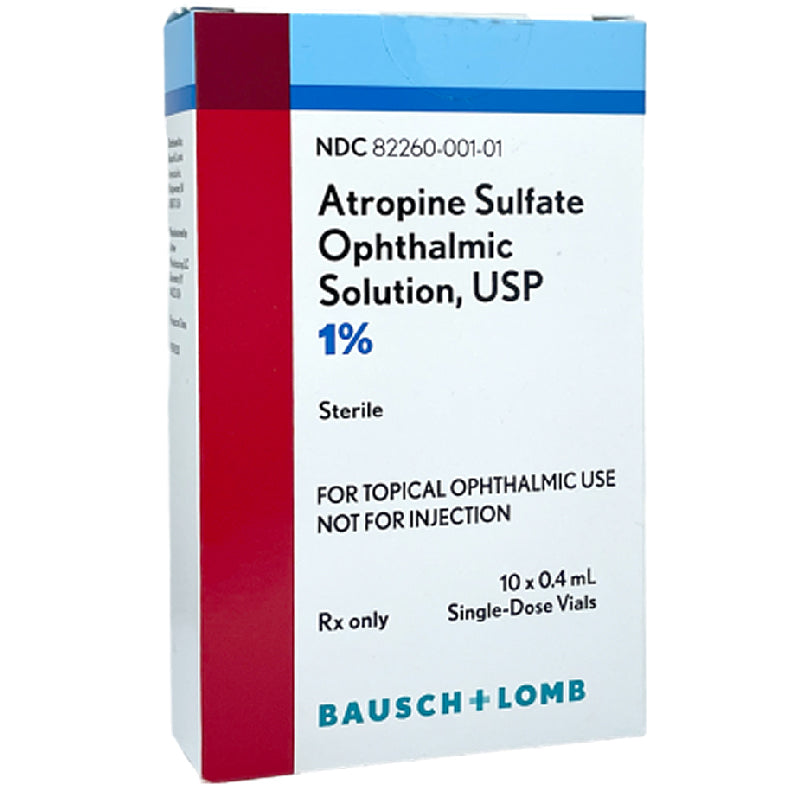
Atropine sulfate eye drops are an ophthalmic anticholinergic medication that relaxes the iris and ciliary muscle. By blocking muscarinic acetylcholine receptors, atropine causes the pupil to dilate (mydriasis) and the eye’s focusing muscle to paralyze (cycloplegia). In practice this means atropine eye drops blur near vision and enlarge the pupil for an extended period. It is a prescription drug used under a doctor’s guidance.
How It Works:
Atropine is a parasympatholytic (“parasympathetic blocker”) agent. When instilled in the eye, it inhibits the muscles that normally constrict the pupil and change the lens shape. The result is a wide-open pupil and fixed focus (cannot accommodate close objects). These effects can last for days and even up to two weeks, because atropine diffuses and binds tightly in the eye.
Uses
-
Pupil dilation (Mydriasis) for eye exams: Ophthalmologists often use atropine drops to dilate the pupil prior to detailed eye examinations or procedures. By fully dilating the pupil, the eye doctor can view the retina (back of the eye) and perform precise refractions. (One drop an hour or so before the exam typically produces maximal dilation.)
-
Cycloplegia for refraction: In children or others with very strong focusing (accommodation), atropine is used to temporarily paralyze the focusing muscle. This ensures an accurate measurement of refractive error (vision prescription) without the eye involuntarily squinting for near tasks. In effect, atropine “locks” the lens for distance vision during the exam.
-
Amblyopia (lazy eye) treatment: In treating amblyopia, atropine drops are sometimes applied to the better-seeing eye. This blurs its vision, encouraging the brain to use the weaker (“lazy”) eye. Over time this penalization can improve vision in the affected eye. The official label lists “penalization of the healthy eye in amblyopia” among its indications.
-
Uveitis and ocular pain (historical use): Although not on every label, atropine has long been used to relieve pain from eye muscle spasm in uveitis (inflammation of the iris/ciliary body). By dilating the pupil and relaxing spasm, it can reduce photophobia and prevent painful iris adhesions. (This use is common in practice even if not explicitly in all formularies.)
-
Myopia (nearsightedness) control: In recent years, low-dose atropine (usually 0.01%–0.05%) has been used off-label to slow progressive myopia in children. Clinical studies (the ATOM and LAMP trials) have shown that nightly low-dose atropine can significantly reduce the rate of myopia progression in many cases. For example, trials in Asia found that 0.01%–0.05% atropine reduced childhood myopia progression by about 50% on average. (One review reported that even 0.01% atropine slowed progression up to 60% compared to no treatment.) However, effects can vary by population: a recent U.S. trial found that 0.01% atropine did not significantly slow progression in American children. In practice, higher concentrations (0.025–0.05%) seem more effective for many patients. Low-dose atropine for myopia is usually given nightly at home and monitored closely by an eye specialist.
How to Use & Helpful Tips
Dosage:
Always follow your doctor’s instructions. For most indications (e.g. eye exam), a single drop of atropine 1% is instilled in the eye, typically 30–40 minutes before the procedure. For amblyopia, it may be used once or twice daily as prescribed. For myopia control, very low doses (0.01%–0.05%) are often used nightly. Do not use more drops than prescribed or use it in both eyes unless directed.
Administration Technique:
Wash your hands thoroughly first. Tilt your head back or lie down. Gently pull down the lower eyelid to form a small pocket. Instill one drop into the lower lid pocket, taking care not to touch the eye or eyelid with the dropper tip. Then close the eye for a moment. Tip: After instilling the drop, press gently on the inner corner of the eye (over the tear duct) for 1–2 minutes. This “punctal occlusion” helps prevent the medication from draining into the nasal passages and reduces systemic absorption (minimizing whole-body side effects). For convenience, you can wipe away any excess from the cheek with a clean tissue (discard the tissue afterward and wash hands again).
Aftercare:
Vision will become blurry for near tasks (reading, phones) while the drug is active, and the enlarged pupils make bright light very uncomfortable. Wear sunglasses or a hat with brim outdoors to protect the eyes from light sensitivity. Even indoor lighting may seem bright at first; you can adjust reading lamps or wear extra-power reading glasses if needed to see up close. Avoid driving or operating machinery until your vision clears, as driving with dilated pupils and blurred vision can be dangerous. Stay in a safe environment until effects diminish.
Storage & Handling:
Keep the dropper bottle tightly closed and store as recommended (often at room temperature away from light, or sometimes refrigerated if directed by your pharmacist). Do not freeze. Do not share this medication with others – it is prescribed for you personally. Keep out of reach of children and pets. If a drop falls on your skin, wash it off promptly to avoid unwanted dilation or dryness in the unadvised area.
Missed Dose:
If you are using atropine on a schedule (e.g. nightly for myopia control) and you forget a dose, skip the missed dose and resume the next scheduled dosing. Do not double up the next time.
Side Effects & Precautions
-
Vision Changes: The most immediate effect is blurred vision and light sensitivity. Because the pupils are dilated and the eye cannot focus close-up, objects appear blurry. This can last for several days to up to two weeks until the drug wears off. Photophobia (sensitivity to light) and a feeling of glare are common. Use sunglasses and bright-light precautions as mentioned.
-
Eye Discomfort: You may feel stinging or burning when the drop is instilled. Mild burning, redness, or irritation and dry eye symptoms are common. In most people these settle quickly. You may also notice draining or tearing as the eye adjusts.
-
Systemic Anticholinergic Effects: Although atropine is given in the eye, a small amount can be absorbed into the bloodstream. Even small amounts can cause anticholinergic symptoms. Watch for: dry mouth, reduced sweating, flushed skin or facial flushing, increased heart rate (palpitations), and sometimes fever. In extreme cases (rare with proper punctal occlusion), confusion, irritability or agitation can occur. Indeed, reported systemic side effects include dryness of mouth and mucous membranes, constipation, and rapid heart rate. If you experience severe systemic symptoms (e.g. fast heartbeat or high fever), seek medical attention.
-
Serious Ocular Warnings: If you develop severe eye pain, intense headache, or seeing halos/rainbows around lights, get urgent care. These may signal a dangerous rise in eye pressure (acute angle-closure glaucoma). Also promptly report any sudden vision loss or extreme eye redness. Do not ignore these warning signs.
-
Contraindications: Atropine drops should not be used if you are known to be hypersensitive/allergic to atropine or any component of the drops. Use is generally contraindicated in narrow-angle glaucoma (because dilation can precipitate an attack). If you have chronic closed-angle or open-angle glaucoma, inform your doctor. Likewise, inform the doctor of any neurological conditions (such as Down syndrome, brain injury, or spastic paralysis), thyroid problems, or prostate issues – these conditions can increase sensitivity to atropine’s effects.
-
Pediatric and Pregnancy Considerations: Use in infants under 3 months is not recommended and should be done only under strict supervision in older infants and children. Children with certain syndromes (e.g. Down syndrome) may be more sensitive to atropine and require extra caution. There is limited data on use during pregnancy or breastfeeding; atropine eye drops are generally avoided in pregnancy unless clearly needed, since systemic absorption can affect both mother and baby. Breastfeeding mothers should discuss with their physician; fortunately, punctal occlusion (closing the tear duct) minimizes systemic drug transfer to the bloodstream.
-
Interactions: Be aware that other anticholinergic drugs (e.g. certain allergy medications, some antidepressants or motion-sickness pills) can add to atropine’s effects. Also, avoid using other eye drops or ointments simultaneously without spacing them out. If you use contact lenses, remove them before instilling atropine (and wait at least 15 minutes before reinserting) because dilation and preservative irritation can harm lenses or worsen symptoms. In general, any concerns about drug interactions should be discussed with your doctor or pharmacist.
Key Takeaways and Tips
-
Follow Instructions Carefully: Use as directed by your eye doctor. One drop is usually enough; do not use more or more often than prescribed.
-
Pre-Instill Steps: Wash hands, avoid touching the eye or dropper tip, and use punctal occlusion (pressing on the inner corner of the eye) for a minute or two after instillation to reduce systemic exposure.
-
Protect Your Eyes: Your pupils will stay dilated and you will be very sensitive to light. Always have sunglasses handy and avoid bright environments. Indoor lights can be turned down. Wear tinted glasses if needed.
-
Expect Blurred Vision: You will likely have trouble reading or focusing on near objects. That is normal. Allow time before doing any visually demanding tasks like reading or screen work, or use regular reading glasses if necessary.
-
Don’t Drive or Operate Machinery: Until your vision returns to normal, avoid driving. The combination of dilated pupils and blurred vision makes driving unsafe. Also, be careful when walking on uneven ground or climbing stairs if depth perception is off.
-
Monitor for Side Effects: Mild eye redness and dryness are common. Cool compresses can ease discomfort. If you develop any worrying symptoms (see Serious Warnings above), contact your doctor right away.
-
Eye Check-ups: Since atropine can raise eye pressure in susceptible individuals, your doctor may check your intraocular pressure if treatment is prolonged or if you have glaucoma risk factors. Routine follow-up ensures safe use.
-
One Prescription per Person: Never let others use your atropine drops. The dropper bottle tip can contaminate or cause cross-infection. Label the bottle with your name.
Atropine eye drops are a powerful tool in ophthalmology. When used correctly, they are very effective for dilating pupils, measuring true refractive error, or helping a lazy eye. Always use them under medical guidance, and take the precautions above to stay safe and comfortable. If you have any questions or concerns while using atropine drops, talk to your eye doctor or pharmacist for personalized advice.