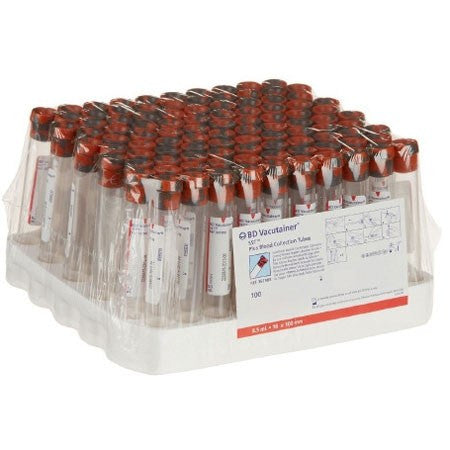
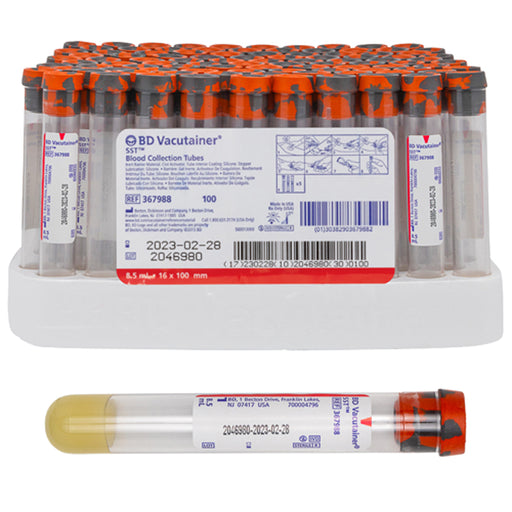
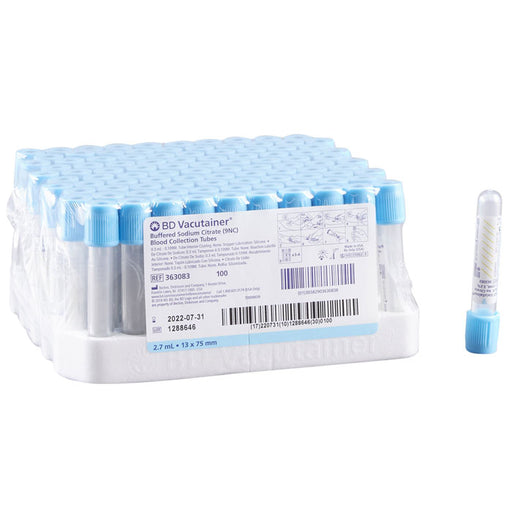
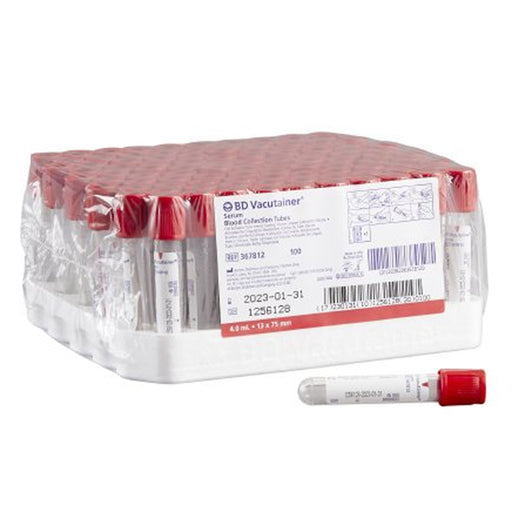
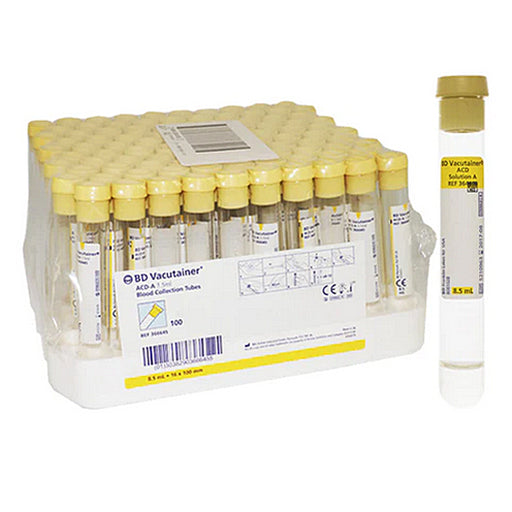
BD Vacutainer™ EDTA 6 mL Blood Collection Tubes (13 × 100 mm, Hemogard™ Closure)
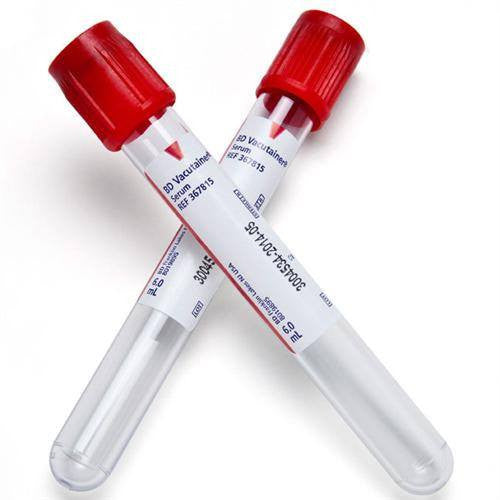
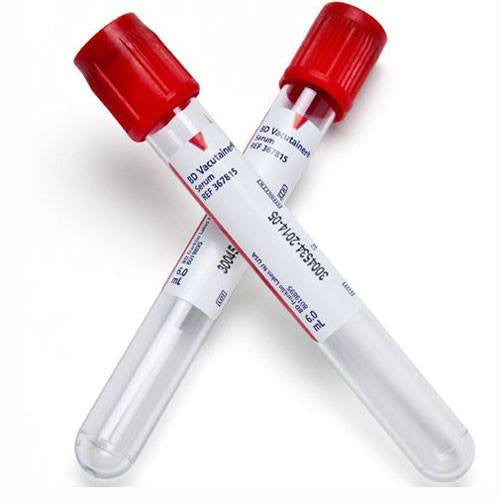
BD (Becton Dickinson) Vacutainer EDTA tubes are sterile, single-use evacuated blood collection tubes commonly used for hematology (complete blood count) and related tests. The 6 mL tube (13 mm diameter × 100 mm length) contains a pre-measured, spray-dried K₂EDTA anticoagulant (≈10.8 mg) to chelate calcium and prevent clotting. In BD’s specifications, these tubes are made of PET plastic (“P” for plastic), are break-resistant, and are furnished with a BD Hemogard™ safety closure. (Some EDTA tubes are labeled “pink top” or “lavender top” – pink Hemogard closures are typically used for blood bank crossmatch tubes, while standard hematology EDTA tubes have lavender/purple caps. Both use K₂EDTA additive.)
BD notes that its Vacutainer tubes use a special PET formulation that is “extremely strong, dimensionally stable, and resistant to chemicals and breakage.” This plastic construction greatly reduces the risk of tube shattering during handling or centrifugation, improving lab safety and reducing redraws. The Hemogard™ safety cap is a translucent plastic shield over the rubber stopper. This design “protects lab personnel from direct contact with blood on the stopper or around the outer rim of the tube, as well as from blood splattering upon opening”. In practice, after drawing blood into the tube and evacuating to the desired fill volume, the tube should be gently inverted 8–10 times to mix blood with the EDTA thoroughly.
Key Specifications (6 mL EDTA Hemogard Tube):
-
Additive: Spray-dried K₂EDTA anticoagulant (~10.8 mg). (EDTA prevents clotting and preserves cell morphology.)
-
Capacity and Volume: 6 mL draw volume.
-
Dimensions: Outer diameter 13 mm × 100 mm length.
-
Material: PET plastic tube (break-resistant).
-
Closure: BD Hemogard safety cap (plastic shield) typically color-coded pink or lavender. The rubber stopper is recessed inside the shield. Pink-labeled tubes are used for transfusion crossmatch (with a pink cap and “Cross-match” label), while routine EDTA tubes use lavender caps and standard labeling.
-
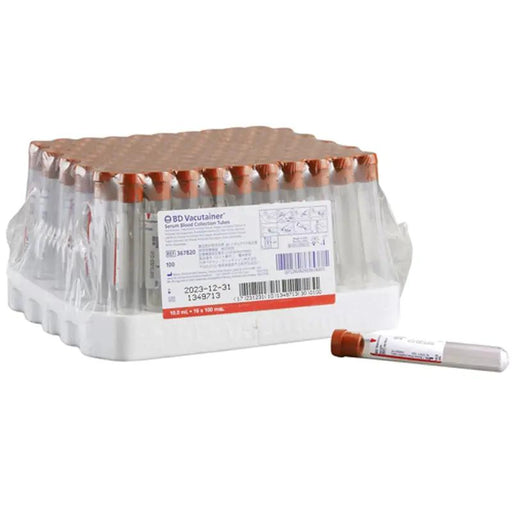
Labeling & Packaging: Usually supplied sterile in cases of 1000 (boxes of 100). For example, BD ships 6 mL EDTA Hemogard tubes 100 per box (10 boxes per case).
Typical Uses: K₂EDTA blood collection tubes are the standard for complete blood count (CBC) and other hematology assays because EDTA preserves cellular elements without affecting cell size or morphology. They are also required for blood bank studies (group & screen, cross-match), hemoglobin A₁c testing, certain viral or molecular assays, and any test requiring whole blood or plasma where clotting must be prevented. (For example, Queensland Health guidelines list EDTA tubes for “FBC, X match, Group and hold, various PCRs, CD34 counts, HbA1c,” etc.).
Operation: When drawing blood, these tubes form a vacuum pull of the sample once the needle penetrates the rubber stopper. After filling, invert gently about 8–10 times to mix (per manufacturer instructions). The Hemogard cap means that when the needle is withdrawn, the cap automatically locks, and when opening the tube, the shield prevents exposure to any residual blood on the stopper. This provides extra safety over conventional open-top tubes.
EDTA Blood Collection Tubes are used mainly for hematology tests. The EDTA acts as an anticoagulant by binding calcium ions, preventing blood from clotting. These tubes are essential for:
-
Complete Blood Count (CBC): Evaluating red and white blood cells, hemoglobin, hematocrit, and platelets.
-
Blood Smears: Analyzing cell morphology.
-
Hemoglobin A1c: Monitoring glucose control over time in diabetic patients.
-
Blood Typing and Crossmatching: Preparing for blood transfusions.
The anticoagulant properties of EDTA help maintain cellular integrity, leading to accurate hematological assessments.
Optimize your hematology testing with BD Vacutainer EDTA Blood Collection Tubes, designed for precision and safety. These 6 mL tubes, featuring a Hemogard Closure, are essential for accurate and contamination-free sample collection, ensuring reliable results in laboratory diagnostics.
Details and Features
-
Product Number: 367863
-
Size and Capacity: Each tube is 13mm x 100mm, with a 6 mL draw volume, ideal for a variety of laboratory tests.
-
K2 EDTA Additive: Contains dipotassium ethylenediaminetetraacetic acid (K2 EDTA) as an anticoagulant to preserve blood cell morphology.
-
Hemogard™ Closure: Provides a secure seal to prevent leakage and reduces the risk of sample contamination.
-
Packaging: Comes in boxes of 100, perfect for high-volume laboratory environments.
Mechanism of Action
The K2 EDTA additive chelates calcium ions in the blood, effectively preventing coagulation. This ensures the preservation of cellular components, making it ideal for hematology assessments such as complete blood count (CBC).
Directions for Use
-
Preparation: Gather all necessary equipment and ensure the patient is prepared for blood draw.
-
Collection: Perform venipuncture, allowing the tube to fill to the designated 6 mL volume to maintain correct blood-to-additive ratio.
-
Mixing: Immediately invert the tube 8-10 times to ensure proper mixing of blood with EDTA.
-
Processing: Transport to the laboratory promptly, adhering to standard handling and storage protocols.
Warnings
-
Proper Volume: Ensure the tube is filled to the correct volume to guarantee accurate test results.
-
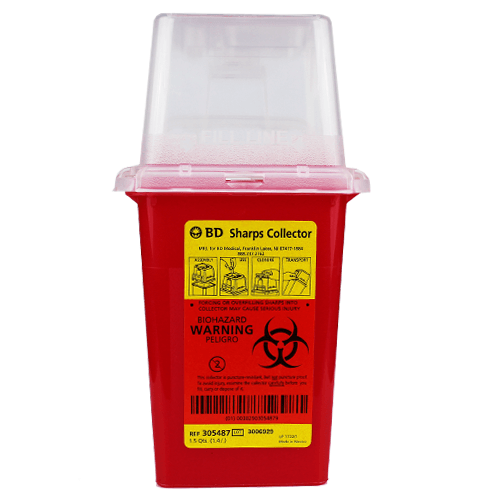
Handling and Disposal: Handle with care to avoid accidental needle sticks and dispose of sharps in appropriate containers.
-
Storage Conditions: Store at temperatures between 4°C and 25°C, protecting from direct sunlight.
-
Single Use: Intended for one-time use only. Do not attempt to reuse or sterilize.
-
Check Expiry: Use before the expiration date indicated on the packaging to ensure product effectiveness.
Choose BD Vacutainer EDTA Blood Collection Tubes for dependable and precise hematology testing. Renowned for their quality and safety, these tubes meet the demands of modern laboratories with excellence.
 Skip to content