BD Hypodermic Needles
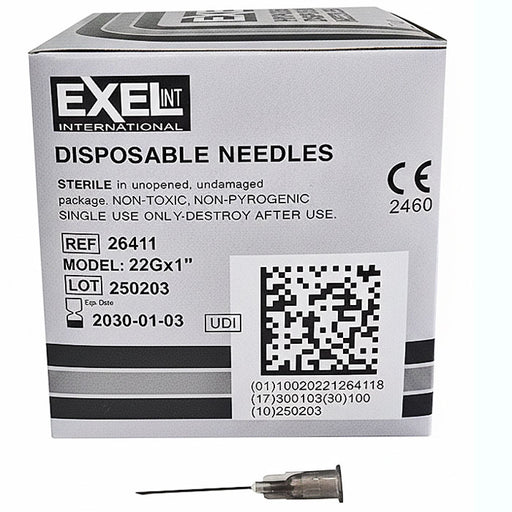
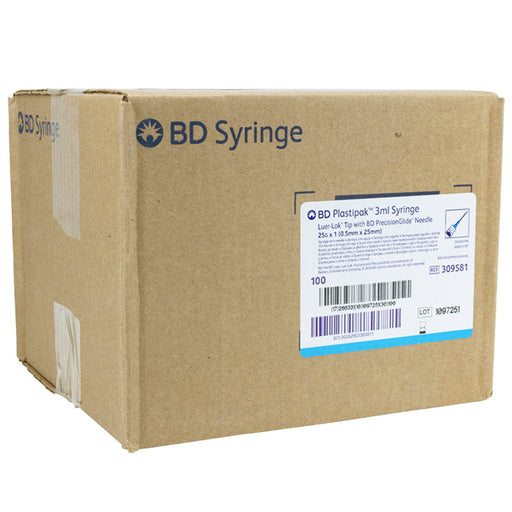
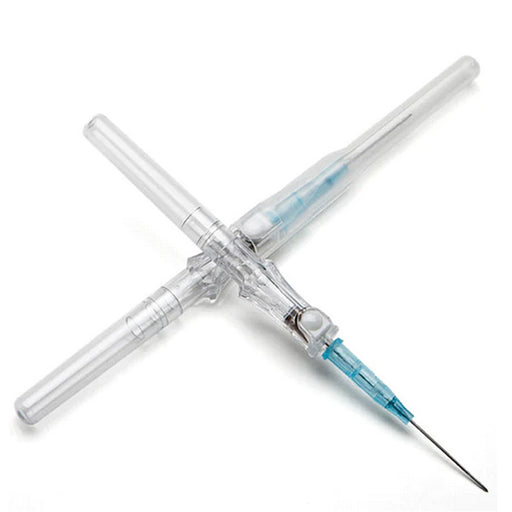
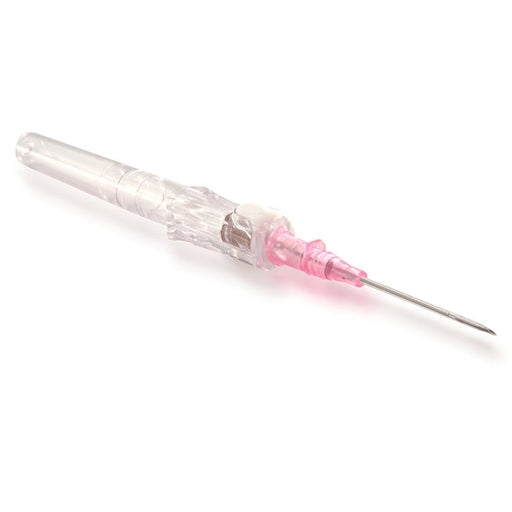
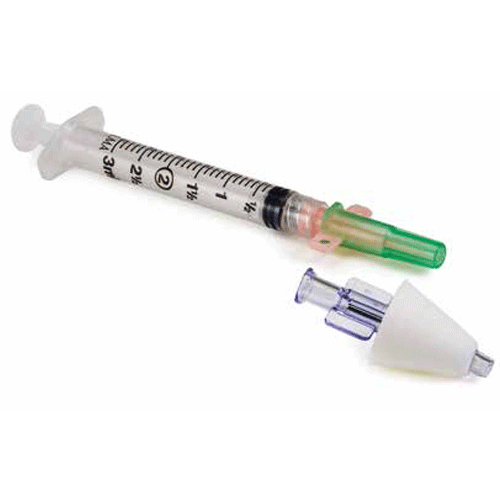
BD (Becton, Dickinson and Company) hypodermic needles are sterile, single-use needles designed to be attached to syringes for injection or fluid withdrawal. They come in a wide range of lengths and gauges (thicknesses) to suit different clinical needs. In practice, BD hypodermic needles serve as the standard tool for delivering injectable therapies or taking samples. For example, a typical hypodermic syringe and needle (as shown below) is used by healthcare workers to inject medications or draw blood into a syringe. Figure: A BD hypodermic needle attached to a syringe. Needles like these are used in medical settings to administer injections or withdraw fluids.
BD needles are used whenever a medication or diagnostic fluid must be delivered directly under the skin or into the body’s tissues, bypassing the digestive system. Their primary uses include:
-
Medication Delivery (Injections): Hypodermic needles allow precise injection of drugs and therapies. They can inject medication into various layers of the body depending on the treatment needed:
-
Intravenous (IV) injection: For life-saving or fast-acting drugs, a needle is inserted into a vein, delivering the drug directly into the bloodstream. IV injections are “one of the quickest and most controlled ways to deliver medications” when rapid effect is needed. This includes chemotherapy, antibiotics, pain medications, fluids, electrolytes or anesthetics in emergencies. After inserting the needle, a catheter often remains in the vein for continuous infusion.
-
Intramuscular (IM) injection: Many vaccines and medications (e.g. flu vaccine, antibiotics, vitamin B12) are given into muscle. The muscle’s good blood supply allows drugs to absorb steadily. In fact, “several drugs and almost all injectable vaccines” are administered via intramuscular injection. A BD needle is used to penetrate the muscle layer (common sites are the shoulder deltoid muscle or thigh) and deposit medication there. For example, routine childhood vaccines, steroid injections, or vitamin injections use IM techniques.
-
Subcutaneous (SC) injection: This is injection into the fatty tissue just under the skin. Insulin for diabetes is a classic example: insulin must be given by injection (it cannot be taken by mouth). Thin BD needles (often 29–31 gauge) are used to inject insulin under the skin. Other drugs that are given subcutaneously include certain hormones (e.g. IVF medications) and biologics (e.g. allergy shots, some pain medications). BD needles are also used for allergy testing or small-volume injections. The needle depth and gauge are chosen to deposit drug in the subcutaneous layer for slow, steady absorption.
-
Intradermal (ID) injection: For very superficial injections into the skin’s dermis (e.g. tuberculosis (PPD) skin tests or allergy tests), BD 26–29 gauge needles are used at a very shallow angle. This use is less common but is a specialized application of hypodermic needles.
-
Vaccination: Giving vaccines is a key use of hypodermic needles. Vaccines are usually injected into muscle or under the skin, so BD needles are used for immunizations. For example, flu shots, tetanus boosters, and many other routine immunizations are administered via hypodermic injection. The needle ensures the vaccine “reaches specific layers of tissue to stimulate the immune system effectively”. Vaccination programs rely on the precision of the needle to place each dose correctly – whether intramuscular for a muscle injection (common in adults) or subcutaneous for some pediatric vaccines.
-
Local Anesthesia: Doctors and dentists use hypodermic needles to inject local anesthetics (e.g. lidocaine) near nerves or into tissues before minor procedures. The needle allows the anesthetic to be delivered exactly where needed under the skin or into a nerve sheath. For example, a dentist pricking the top of your mouth before a filling, or a doctor injecting numbing medicine into your skin for stitches, both use a hypodermic needle. The fine gauge and sharp bevel minimize patient discomfort while achieving accurate deposition of anesthetic.
-
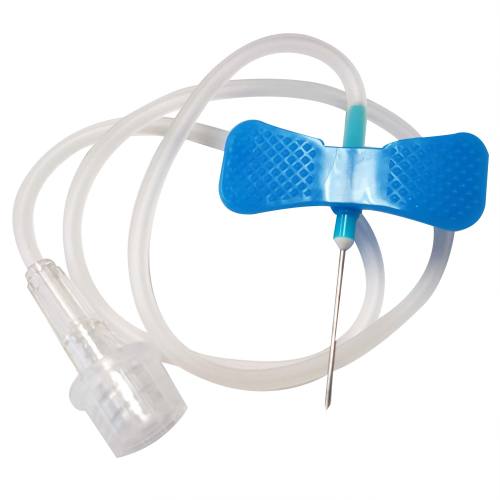
Blood Sampling (Phlebotomy): A very common use is drawing blood for tests. In many settings, a BD hypodermic needle attached to a syringe is used by nurses or phlebotomists to puncture a vein and withdraw blood. WHO guidelines note that “hypodermic single-use needle and syringe… can be used for blood drawing”, especially in infants or patients with small/difficult veins. The wide range of gauge and length makes BD needles adaptable for painless blood draws (e.g. a thinner 23-gauge for children, a larger 18-gauge for a quick sample in adults). After puncture, blood flows through the needle into the attached syringe. This method is simpler in some cases than vacuum-tube systems. (BD also makes specialized “butterfly” needles for pediatrics, but ordinary hypodermic needles suffice for routine venipuncture.)
-
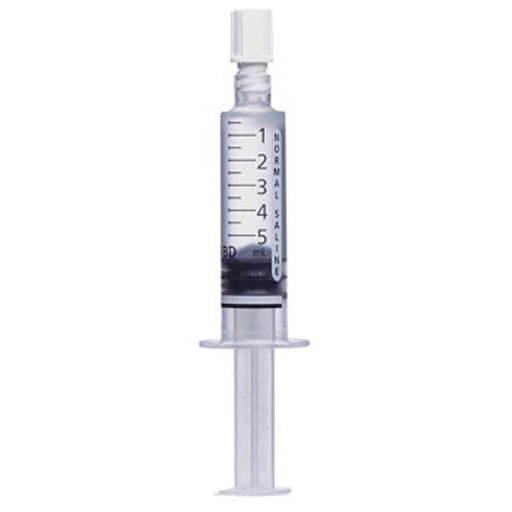
Other Uses: BD hypodermic needles are also used in various other procedures. For instance, they can be used to aspirate bodily fluids (e.g. withdrawing fluid from a clot or cyst with a syringe), inject contrast media into the bloodstream for imaging, or cultures (e.g. swabbing joint fluid). In emergency care, needles can be used to inject epinephrine (into muscle or vein) for severe allergic reactions. They are also used to taper off IV lines (by flushing saline) or to inject medications into IV tubing. In endocrinology, drugs like human growth hormone are given by SC injection with fine needles.
-
Insulin and Specialty Injections: BD produces special insulin syringes with very short, fine needles for diabetics to self-inject insulin daily. Insulin cannot be swallowed (it is digested in the gut), so it “must be injected into the body”. These tiny BD needles (often 30-gauge, 0.5–1.0 mL syringes) are designed for subcutaneous injection with minimal pain. Similarly, some auto-injectors and needle-based pens use BD needle technology to deliver medication doses in the home setting.
-
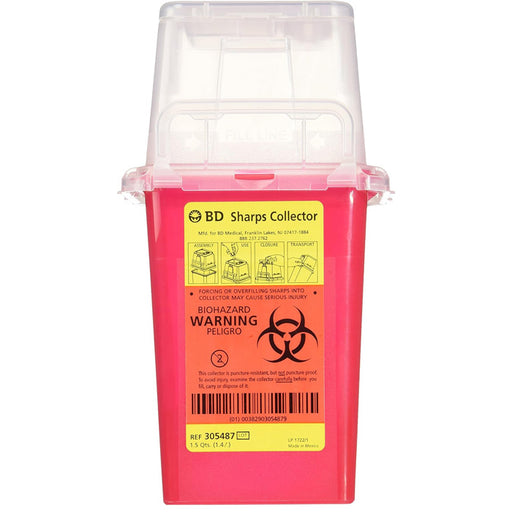
Safety and Usage: Because hypodermic needles can transmit infection if reused, BD needles are sterile, single-use only. Each injection uses a new needle and syringe. After use, the needle is discarded into a sharps container – a critical safety practice. (As one reference notes, single-use hypodermic needles are “widely available… [and] minimize cross-infection”.) BD also offers safety-engineered needles (with protective sheaths) to further reduce needle-stick injuries.
In summary, BD hypodermic needles are the basic tools for any procedure requiring fluid transfer across the skin barrier. Clinicians use them to inject medications and vaccines into muscles, fat, or veins, and to withdraw blood or other fluids for diagnosis. They are fundamental to medical care – from routine vaccinations and insulin shots to IV drug delivery and blood tests. Every situation that calls for a precise, sterile injection or aspiration will typically employ a BD hypodermic needle of the appropriate gauge and length.