Skip to content

Added to your cart:

Cart subtotal

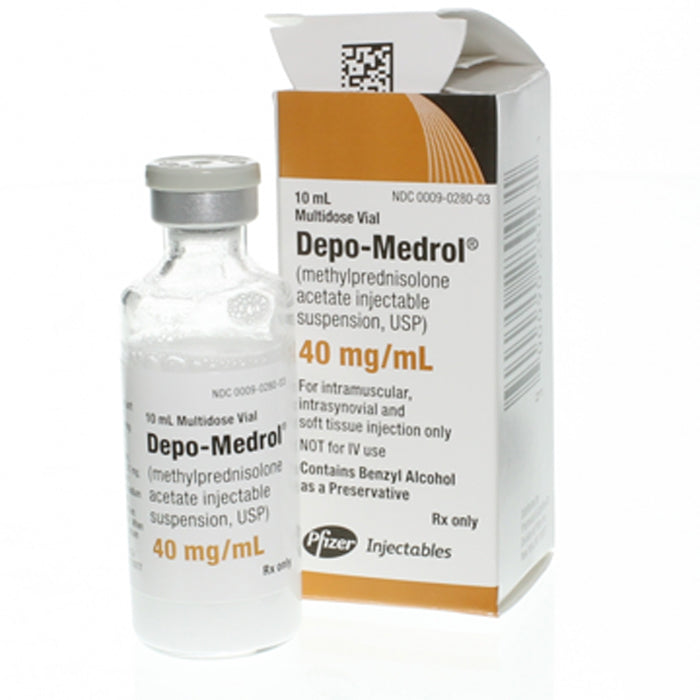
Depo-Medrol Injection 40 mg Vial 10 mL by Hospira Pfizer (Rx)

SKU 00009-0280-03
Sale 31%
Original price $ 229.95
Current price $ 159.00
Non-Returnable
*Mountainside Medical does not fill personal prescriptions Medical Professional License Required to Unlock Account

How to Order:

Send an email request to: sales@mountainside-medical.com

You will receive instructions on how to create an account along with Rx Ordering Details.

(Note: Acceptable licenses must have Prescriptive Authority in the license issuing state.)
Fast Delivery
Fast Delivery
24/7 Support
24/7 Support
No Returns
No Returns
Hospital Grade
Hospital Grade
Save 31% ($ 70.95)
Free Shipping on orders above $100
Payment Secure transaction
Packaging Ships in product packaging
Service-Disabled Veteran-Owned Small Business
Located in Adirondack Mountains in NY
Family Owned Business 2002
Sale 31%
Original price $ 229.95
Current price $ 159.00
Free Shipping on orders above $100
Payment Secure transaction
Packaging Ships in product packaging
Depo-Medrol Injection 40 mg Vial 10 mL by Hospira Pfizer (Rx)
$ 229.95 $ 159.00
🔒 Medical License Required
Description

Depo-Medrol 40 mg

Depo-Medrol is a brand name for methylprednisolone acetate, a long-acting corticosteroid. It is supplied as a white/oral suspension and given by injection (intramuscular (IM) or into a joint/tissue) by a healthcare professional. Depo-Medrol works as a potent anti-inflammatory steroid, suppressing immune and inflammatory responses. In the official prescribing information, it is described as “an anti-inflammatory glucocorticoid for intramuscular, intra-articular, soft tissue, or intralesional injection,” available in 40 mg/mL and 80 mg/mL strengths. In practice, the 40 mg/mL (1 mL vial) is often used for moderate doses.

Depo-Medrol Injection 40 mg is used to treat a variety of inflammatory and allergic conditions. It contains methylprednisolone acetate, a corticosteroid that helps reduce inflammation, swelling, and allergic responses in the body. This injection is often prescribed for conditions like arthritis, tendinitis, lupus, and severe allergic reactions. It can also be used to manage symptoms of skin disorders, gastrointestinal diseases, and certain respiratory illnesses. As a potent anti-inflammatory medication, Depo-Medrol provides relief by modulating the immune system's response to reduce discomfort.

Each 10 mL vial contains 40 mg of the active ingredient, methylprednisolone acetate, suspended in a sterile aqueous solution. Clinicians trust Depo-Medrol for its proven efficacy in treating conditions such as arthritis, bursitis, psoriasis, lupus, and various skin disorders, amongst other ailments. With its versatile administration methods, Depo-Medrol can be applied via intramuscular, intra-articular, soft tissue, or intralesional injection, making it an adaptable choice for healthcare providers.

Uses (Indications)

Depo-Medrol injection is used to temporarily control severe inflammation in various conditions, especially when rapid or localized steroid effect is needed and oral medications are impractical. It is not typically used for mild or routine symptoms. Common uses include:

  • Rheumatologic/musculoskeletal conditions: Acute flares of arthritis (e.g. rheumatoid arthritis, psoriatic arthritis), gouty arthritis, bursitis, tendonitis, tenosynovitis. For example, methylprednisolone acetate injections are indicated for short-term relief of acute gouty arthritis or acute and subacute bursitis/tenosynovitis.
  • Allergic and dermatologic conditions: Severe allergic reactions or skin diseases not controlled by other treatments (e.g. severe eczema/dermatitis, Stevens–Johnson syndrome). It’s also used for acute asthma or contact dermatitis when other treatments fail, since it suppresses immune reactions.
  • Autoimmune/inflammatory diseases: Flares of systemic lupus erythematosus (SLE), dermatomyositis, or other collagen-vascular diseases. It helps control inflammation in organs such as lungs, eyes, or skin when topical/oral steroids are insufficient.
  • Endocrine replacement (selected cases): In certain adrenal (endocrine) disorders (e.g. congenital adrenal hyperplasia or primary adrenal insufficiency) where oral steroids cannot be taken, Depo-Medrol may be used intramuscularly as temporary hormone replacement.
  • Ophthalmologic conditions: Inflammation of the eye (e.g. uveitis, sympathetic ophthalmia) when topicals aren’t enough.
  • Other uses: Severe ulcerative colitis flares, sarcoidosis, nephrotic syndrome (to reduce proteinuria), and various blood disorders (autoimmune hemolytic anemia, some thrombocytopenias).

The drug’s scope is broad – essentially any severe inflammatory or immune-mediated condition not controlled by standard treatments and deemed appropriate by a doctor. (The exact indications are detailed in official references and usually appear in patient leaflets.)

Administration and Dosage

Depo-Medrol is given only by or under supervision of a healthcare provider. It can be injected:

  • Intramuscularly (IM): into a large muscle (e.g. gluteal region) when a systemic effect is desired.
  • Intra-articularly: directly into a joint (knee, shoulder, etc.) for localized arthritis or bursitis.
  • Soft tissue/intralesional: into areas of inflammation or scar tissue (e.g. keloids, plaques).

According to product labeling, the strength is 40 mg per mL. Typical dosages vary widely by condition and severity. For many acute indications, one dose of 40–80 mg (1–2 mL) IM is common. In more severe cases (e.g. poison ivy dermatitis or severe asthma attack), a single 80–120 mg IM dose has been used and can produce relief within hours. For example, one source notes that intramuscular 80–120 mg given once can relieve acute severe dermatitis ("poison ivy") in 8–12 hours. In other cases, the dose might be repeated weekly (e.g. 40–120 mg IM once each week for 2–4 weeks) until improvement.

  • Injection technique: When injected into a joint or lesion, proper sterile technique is critical. The prescriber will aspirate (pull back on the syringe to check for blood/puncture) to ensure correct placement before injecting. Studies caution that improper injection can cause harm (e.g. injecting steroid into a blood vessel can lead to serious complications). (This is why only trained professionals should give it.)

  • Multiple injections: Because Depo-Medrol is a depot (long-acting) suspension, it’s generally administered as a single large injection at a time. Repeated injections are possible if needed, but providers take care not to exceed recommended single-dose limits and avoid injecting the same site too frequently. (Overuse in one joint can cause local atrophy or degeneration.) Indeed, the prescribing information warns of dermal/subdermal atrophy (skin depressions) at the injection site if doses are too large.

  • Tapering: If Depo-Medrol is given repeatedly (e.g. multiple weekly doses), doses are usually tapered rather than stopped abruptly, to allow the body’s own adrenal function to recover. This prevents adrenal insufficiency. Any long-term steroid regimen should never be stopped suddenly.

Common Side Effects

Like all corticosteroids, Depo-Medrol can cause a range of side effects. Not everyone will experience these, but it’s important to be aware. Common effects include:

  • Fluid retention/weight gain: Steroids often cause the body to retain sodium and water, leading to swelling, weight gain, or a “moon face.” Patients may notice puffiness in the face or abdomen.
  • Increased appetite: Many people feel hungrier, which contributes to weight gain.
  • Mood changes: Anxiety, restlessness, insomnia (trouble sleeping), irritability, or euphoria (“steroid high”) can occur. Some people have severe mood swings or depression.
  • Skin and hair: Skin may become thinner and bruise more easily; acne or increased sweating may develop. Slow wound healing is common. Hair loss can also happen.
  • Muscle weakness: Known as steroid myopathy, this causes muscle pain and weakness. Bones can weaken over time (osteoporosis) with repeated use.
  • GI upset: Stomach discomfort, bloating, and indigestion are reported. In rare cases, it can cause gastric ulcers or bleeding.
  • Sleep disturbance & headaches: Trouble sleeping and headaches are fairly common.
  • Hormonal effects: Steroids can disrupt the endocrine system. This may show up as irregular menstrual cycles or, in children, slowed growth. Blood sugar often rises; diabetic patients may need higher insulin doses. Long-term use can lead to Cushingoid features (buffalo hump, high blood pressure, cataracts, etc.).

The above list is not exhaustive. Many side effects depend on dose and duration of use. Depot (long-acting) injections typically produce similar side effects to systemic steroids, but some local effects are also possible (see below).

Serious Side Effects / Precautions

Serious complications from a single Depo-Medrol injection are uncommon but important to consider:

  • Allergic reactions: Although rare, immediate hypersensitivity (anaphylaxis) can occur. Signs include hives, difficulty breathing, or swelling of the face/throat. This requires emergency care.
  • Infection risk: Corticosteroids suppress the immune system. They can mask infections or allow latent infections to become active (e.g. tuberculosis). The injectable form inactivates local immunity at the site. For this reason, systemic fungal infections are a contraindication (it should not be used if you have uncontrolled systemic infection). However, local intra-articular use for a single joint is sometimes done even if there is localized infection (e.g. a joint infection that is being treated).
  • Local injection risks: Injection at the wrong site or technique can injure nerves or blood vessels. Rarely, injecting a steroid into a blood vessel in or around the spine has caused paralysis, so intrathecal or epidural injection of methylprednisolone is strictly not recommended. When injected into skin or muscle, it can cause local tissue atrophy or abscess if sterile technique is poor. Providers take care to avoid these.
  • Eye issues: High doses of steroids can increase intraocular pressure and cataract formation over time. Patients should report any vision changes (blurring, halos) immediately.
  • Metabolic and cardiovascular: Corticosteroids can raise blood pressure and cholesterol. They can also cause fluid retention (edema) and low potassium. Anyone with heart failure, hypertension, or kidney problems should be monitored closely.
  • Adrenal suppression: Repeated high doses of corticosteroids can shut down the adrenal glands’ hormone production. If a patient stops steroids suddenly, they can go into adrenal crisis (low blood pressure, severe fatigue). That’s why tapering is important for repeated courses. Even a few injections can temporarily suppress the adrenal axis.

Because of these risks, doctors use the lowest effective dose for the shortest duration needed, and they monitor for side effects. For instance, a typical strategy is a single 40–80 mg injection for one flare, rather than continuous steroid therapy. When Depo-Medrol must be repeated (e.g. monthly injections), patients are watched for cumulative effects like bone loss and blood sugar changes.

Administration and Monitoring Tips

  • Injection precautions: The medication should only be given by a professional in a clinical setting. The provider will clean the site and may use a local anesthetic. Proper placement (e.g. directly into a joint space) is confirmed by aspiration technique.
  • Tapering after multiple doses: If a series of injections is given (commonly 1–4 weekly injections), doses are usually tapered. For example, starting at 80 mg then 60 mg then 40 mg weekly, to allow the body to adjust.
  • Follow-up: After the injection, patients are usually asked to monitor symptoms (like pain or swelling reduction) and watch for adverse effects (signs of infection, changes in mood or blood sugar, etc.).
  • Not for self-use: Patients should never attempt to draw up or inject Depo-Medrol themselves. It comes in a suspension that must be shaken/filtered by the provider. It is dispensed only to clinics or doctors who then administer it to the patient.
  • Interactions and other drugs: Inform the doctor about all other medications. Certain antifungals or HIV drugs (CYP3A4 inhibitors) can increase steroid levels, requiring dose adjustments. NSAIDs taken together may increase gastrointestinal risk.

Summary

Depo-Medrol 40 mg injection (methylprednisolone acetate) is a powerful, long-acting corticosteroid used to tamp down severe inflammation. It is given by injection into muscle, joint, or soft tissue under medical supervision. Compared to traditional oral steroids, its effects last much longer (weeks to months) but it acts more slowly, so it is not suitable for immediate emergencies (for that, a fast-acting IV steroid like Solu-Medrol is used instead. This makes Depo-Medrol useful for acute flares of chronic conditions (e.g. arthritis attacks, allergic dermatoses) when short-term high-dose steroid is needed.

Patients receiving Depo-Medrol typically experience relief of inflammation and symptoms, but must also be aware of corticosteroid side effects. Common effects include weight gain, fluid retention, changes in mood and sleep, and increased blood sugar. Serious side effects (though rare) include severe allergic reaction, infection risk, and adrenal suppression.

Key takeaways: Depo-Medrol 40 mg provides potent anti-inflammatory action via injection. It is used for a variety of severe allergic, rheumatic, and autoimmune conditions. The injection must be given by a healthcare provider, and patients should be monitored for steroid-related side effects. Always follow the prescribing doctor’s instructions, and consult them (or the provided medication guide) for any questions about dosage or safety.

Product Details:

Active Ingredient: Methylprednisolone Acetate
Concentration: 40 mg/mL
Formulation: Injectable suspension
Vial Size: 10 mL

Description

Depo-Medrol 40 mg

Depo-Medrol is a brand name for methylprednisolone acetate, a long-acting corticosteroid. It is supplied as a white/oral suspension and given by injection (intramuscular (IM) or into a joint/tissue) by a healthcare professional. Depo-Medrol works as a potent anti-inflammatory steroid, suppressing immune and inflammatory responses. In the official prescribing information, it is described as “an anti-inflammatory glucocorticoid for intramuscular, intra-articular, soft tissue, or intralesional injection,” available in 40 mg/mL and 80 mg/mL strengths. In practice, the 40 mg/mL (1 mL vial) is often used for moderate doses.

Depo-Medrol Injection 40 mg is used to treat a variety of inflammatory and allergic conditions. It contains methylprednisolone acetate, a corticosteroid that helps reduce inflammation, swelling, and allergic responses in the body. This injection is often prescribed for conditions like arthritis, tendinitis, lupus, and severe allergic reactions. It can also be used to manage symptoms of skin disorders, gastrointestinal diseases, and certain respiratory illnesses. As a potent anti-inflammatory medication, Depo-Medrol provides relief by modulating the immune system's response to reduce discomfort.
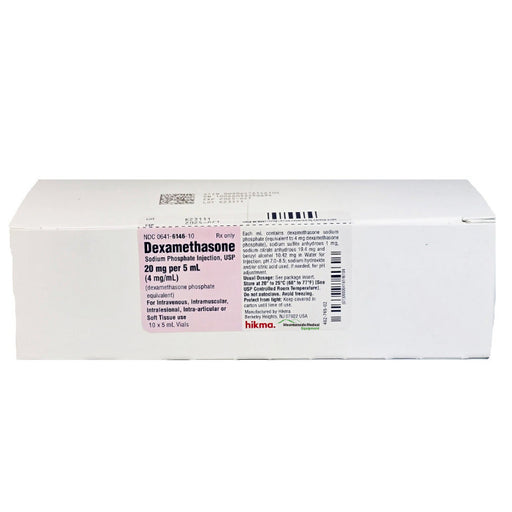
Each 10 mL vial contains 40 mg of the active ingredient, methylprednisolone acetate, suspended in a sterile aqueous solution. Clinicians trust Depo-Medrol for its proven efficacy in treating conditions such as arthritis, bursitis, psoriasis, lupus, and various skin disorders, amongst other ailments. With its versatile administration methods, Depo-Medrol can be applied via intramuscular, intra-articular, soft tissue, or intralesional injection, making it an adaptable choice for healthcare providers.

Uses (Indications)

Depo-Medrol injection is used to temporarily control severe inflammation in various conditions, especially when rapid or localized steroid effect is needed and oral medications are impractical. It is not typically used for mild or routine symptoms. Common uses include:

  • Rheumatologic/musculoskeletal conditions: Acute flares of arthritis (e.g. rheumatoid arthritis, psoriatic arthritis), gouty arthritis, bursitis, tendonitis, tenosynovitis. For example, methylprednisolone acetate injections are indicated for short-term relief of acute gouty arthritis or acute and subacute bursitis/tenosynovitis.
  • Allergic and dermatologic conditions: Severe allergic reactions or skin diseases not controlled by other treatments (e.g. severe eczema/dermatitis, Stevens–Johnson syndrome). It’s also used for acute asthma or contact dermatitis when other treatments fail, since it suppresses immune reactions.
  • Autoimmune/inflammatory diseases: Flares of systemic lupus erythematosus (SLE), dermatomyositis, or other collagen-vascular diseases. It helps control inflammation in organs such as lungs, eyes, or skin when topical/oral steroids are insufficient.
  • Endocrine replacement (selected cases): In certain adrenal (endocrine) disorders (e.g. congenital adrenal hyperplasia or primary adrenal insufficiency) where oral steroids cannot be taken, Depo-Medrol may be used intramuscularly as temporary hormone replacement.
  • Ophthalmologic conditions: Inflammation of the eye (e.g. uveitis, sympathetic ophthalmia) when topicals aren’t enough.
  • Other uses: Severe ulcerative colitis flares, sarcoidosis, nephrotic syndrome (to reduce proteinuria), and various blood disorders (autoimmune hemolytic anemia, some thrombocytopenias).

The drug’s scope is broad – essentially any severe inflammatory or immune-mediated condition not controlled by standard treatments and deemed appropriate by a doctor. (The exact indications are detailed in official references and usually appear in patient leaflets.)

Administration and Dosage

Depo-Medrol is given only by or under supervision of a healthcare provider. It can be injected:

  • Intramuscularly (IM): into a large muscle (e.g. gluteal region) when a systemic effect is desired.
  • Intra-articularly: directly into a joint (knee, shoulder, etc.) for localized arthritis or bursitis.
  • Soft tissue/intralesional: into areas of inflammation or scar tissue (e.g. keloids, plaques).

According to product labeling, the strength is 40 mg per mL. Typical dosages vary widely by condition and severity. For many acute indications, one dose of 40–80 mg (1–2 mL) IM is common. In more severe cases (e.g. poison ivy dermatitis or severe asthma attack), a single 80–120 mg IM dose has been used and can produce relief within hours. For example, one source notes that intramuscular 80–120 mg given once can relieve acute severe dermatitis ("poison ivy") in 8–12 hours. In other cases, the dose might be repeated weekly (e.g. 40–120 mg IM once each week for 2–4 weeks) until improvement.

  • Injection technique: When injected into a joint or lesion, proper sterile technique is critical. The prescriber will aspirate (pull back on the syringe to check for blood/puncture) to ensure correct placement before injecting. Studies caution that improper injection can cause harm (e.g. injecting steroid into a blood vessel can lead to serious complications). (This is why only trained professionals should give it.)

  • Multiple injections: Because Depo-Medrol is a depot (long-acting) suspension, it’s generally administered as a single large injection at a time. Repeated injections are possible if needed, but providers take care not to exceed recommended single-dose limits and avoid injecting the same site too frequently. (Overuse in one joint can cause local atrophy or degeneration.) Indeed, the prescribing information warns of dermal/subdermal atrophy (skin depressions) at the injection site if doses are too large.

  • Tapering: If Depo-Medrol is given repeatedly (e.g. multiple weekly doses), doses are usually tapered rather than stopped abruptly, to allow the body’s own adrenal function to recover. This prevents adrenal insufficiency. Any long-term steroid regimen should never be stopped suddenly.

Common Side Effects

Like all corticosteroids, Depo-Medrol can cause a range of side effects. Not everyone will experience these, but it’s important to be aware. Common effects include:

  • Fluid retention/weight gain: Steroids often cause the body to retain sodium and water, leading to swelling, weight gain, or a “moon face.” Patients may notice puffiness in the face or abdomen.
  • Increased appetite: Many people feel hungrier, which contributes to weight gain.
  • Mood changes: Anxiety, restlessness, insomnia (trouble sleeping), irritability, or euphoria (“steroid high”) can occur. Some people have severe mood swings or depression.
  • Skin and hair: Skin may become thinner and bruise more easily; acne or increased sweating may develop. Slow wound healing is common. Hair loss can also happen.
  • Muscle weakness: Known as steroid myopathy, this causes muscle pain and weakness. Bones can weaken over time (osteoporosis) with repeated use.
  • GI upset: Stomach discomfort, bloating, and indigestion are reported. In rare cases, it can cause gastric ulcers or bleeding.
  • Sleep disturbance & headaches: Trouble sleeping and headaches are fairly common.
  • Hormonal effects: Steroids can disrupt the endocrine system. This may show up as irregular menstrual cycles or, in children, slowed growth. Blood sugar often rises; diabetic patients may need higher insulin doses. Long-term use can lead to Cushingoid features (buffalo hump, high blood pressure, cataracts, etc.).

The above list is not exhaustive. Many side effects depend on dose and duration of use. Depot (long-acting) injections typically produce similar side effects to systemic steroids, but some local effects are also possible (see below).

Serious Side Effects / Precautions

Serious complications from a single Depo-Medrol injection are uncommon but important to consider:

  • Allergic reactions: Although rare, immediate hypersensitivity (anaphylaxis) can occur. Signs include hives, difficulty breathing, or swelling of the face/throat. This requires emergency care.
  • Infection risk: Corticosteroids suppress the immune system. They can mask infections or allow latent infections to become active (e.g. tuberculosis). The injectable form inactivates local immunity at the site. For this reason, systemic fungal infections are a contraindication (it should not be used if you have uncontrolled systemic infection). However, local intra-articular use for a single joint is sometimes done even if there is localized infection (e.g. a joint infection that is being treated).
  • Local injection risks: Injection at the wrong site or technique can injure nerves or blood vessels. Rarely, injecting a steroid into a blood vessel in or around the spine has caused paralysis, so intrathecal or epidural injection of methylprednisolone is strictly not recommended. When injected into skin or muscle, it can cause local tissue atrophy or abscess if sterile technique is poor. Providers take care to avoid these.
  • Eye issues: High doses of steroids can increase intraocular pressure and cataract formation over time. Patients should report any vision changes (blurring, halos) immediately.
  • Metabolic and cardiovascular: Corticosteroids can raise blood pressure and cholesterol. They can also cause fluid retention (edema) and low potassium. Anyone with heart failure, hypertension, or kidney problems should be monitored closely.
  • Adrenal suppression: Repeated high doses of corticosteroids can shut down the adrenal glands’ hormone production. If a patient stops steroids suddenly, they can go into adrenal crisis (low blood pressure, severe fatigue). That’s why tapering is important for repeated courses. Even a few injections can temporarily suppress the adrenal axis.

Because of these risks, doctors use the lowest effective dose for the shortest duration needed, and they monitor for side effects. For instance, a typical strategy is a single 40–80 mg injection for one flare, rather than continuous steroid therapy. When Depo-Medrol must be repeated (e.g. monthly injections), patients are watched for cumulative effects like bone loss and blood sugar changes.

Administration and Monitoring Tips

  • Injection precautions: The medication should only be given by a professional in a clinical setting. The provider will clean the site and may use a local anesthetic. Proper placement (e.g. directly into a joint space) is confirmed by aspiration technique.
  • Tapering after multiple doses: If a series of injections is given (commonly 1–4 weekly injections), doses are usually tapered. For example, starting at 80 mg then 60 mg then 40 mg weekly, to allow the body to adjust.
  • Follow-up: After the injection, patients are usually asked to monitor symptoms (like pain or swelling reduction) and watch for adverse effects (signs of infection, changes in mood or blood sugar, etc.).
  • Not for self-use: Patients should never attempt to draw up or inject Depo-Medrol themselves. It comes in a suspension that must be shaken/filtered by the provider. It is dispensed only to clinics or doctors who then administer it to the patient.
  • Interactions and other drugs: Inform the doctor about all other medications. Certain antifungals or HIV drugs (CYP3A4 inhibitors) can increase steroid levels, requiring dose adjustments. NSAIDs taken together may increase gastrointestinal risk.

Summary

Depo-Medrol 40 mg injection (methylprednisolone acetate) is a powerful, long-acting corticosteroid used to tamp down severe inflammation. It is given by injection into muscle, joint, or soft tissue under medical supervision. Compared to traditional oral steroids, its effects last much longer (weeks to months) but it acts more slowly, so it is not suitable for immediate emergencies (for that, a fast-acting IV steroid like Solu-Medrol is used instead. This makes Depo-Medrol useful for acute flares of chronic conditions (e.g. arthritis attacks, allergic dermatoses) when short-term high-dose steroid is needed.

Patients receiving Depo-Medrol typically experience relief of inflammation and symptoms, but must also be aware of corticosteroid side effects. Common effects include weight gain, fluid retention, changes in mood and sleep, and increased blood sugar. Serious side effects (though rare) include severe allergic reaction, infection risk, and adrenal suppression.

Key takeaways: Depo-Medrol 40 mg provides potent anti-inflammatory action via injection. It is used for a variety of severe allergic, rheumatic, and autoimmune conditions. The injection must be given by a healthcare provider, and patients should be monitored for steroid-related side effects. Always follow the prescribing doctor’s instructions, and consult them (or the provided medication guide) for any questions about dosage or safety.

Product Details:

Active Ingredient: Methylprednisolone Acetate
Concentration: 40 mg/mL
Formulation: Injectable suspension
Vial Size: 10 mL

Get Notified When Back in Stock