#1 Trusted Corticosteroid for Rapid Inflammation, Allergy, and Immune Control
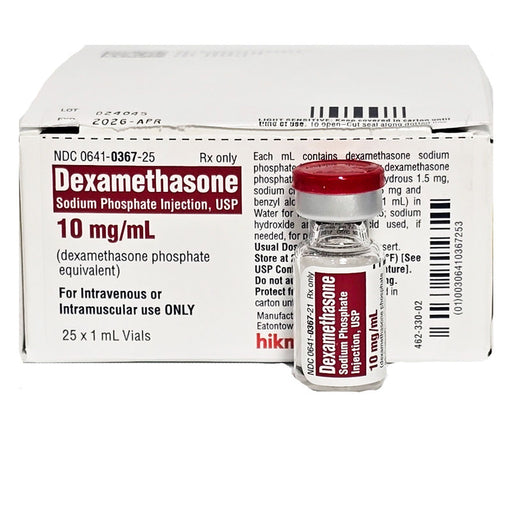
Dexamethasone Sodium Phosphate Injection 1 mL (Decadron Shot) from Hikma Pharmaceuticals is the top-rated, physician-preferred corticosteroid injection for emergency and acute care. Used worldwide to treat severe inflammation, allergic reactions, immune disorders, asthma, shock, and COVID-19 complications, this fast-acting injectable is hospital-grade and ready for urgent or routine use. Supplied in bulk packs (25 vials) for convenient access and clinical efficiency in ERs, urgent care, oncology, and specialty practices.
Dexamethasone Sodium Phosphate Injection is a sterile, injectable corticosteroid solution that delivers dexamethasone, a potent synthetic glucocorticoid (steroid) medication. It’s used to treat various conditions that respond to corticosteroids, including inflammation, allergies, immune disorders, and certain cancers.
Uses
- Severe allergies or asthma attacks
- Shock (from certain causes)
- Cerebral edema (swelling in the brain)
- Adrenal insufficiency (adrenal crisis)
- Rheumatoid arthritis and other autoimmune conditions
- Management of some cancers (as part of chemotherapy regimens)
- Prevention/treatment of nausea and vomiting from chemotherapy
Each pack contains 25 ready-to-use 1 mL ampoules, ensuring convenience and accuracy in dosage for both hospital and clinic settings.
Order Dexamethasone Sodium Phosphate Injection 1 mL (Decadron Shot) by Hikma Today!
NDC: 00641-0367-25 | UPC: 306410367253 Fast Shipping | 100% Authentic | Hospital-Grade | Bulk Pricing
Get ultimate clinical confidence, rapid symptom management, and optimal patient outcomes with this industry-leading injectable dexamethasone solution from Hikma.
acting corticosteroid solution.
Uses & Applications
Dexamethasone Sodium Phosphate Injection 1 mL (Decadron Shot) is indicated for:
- Severe Allergic Reactions/Anaphylaxis (after epinephrine use for continued symptom control)
- Acute and Chronic Inflammatory Diseases: Asthma/COPD exacerbation, rheumatoid arthritis, inflammatory bowel disease, dermatologic flare-ups, gout
- Cerebral Edema: For brain swelling from trauma, tumors, or CNS disease
- Shock Support in Emergency Medicine: Septic, anaphylactic, or adrenal crisis
- Cancer Therapies: Reduce chemo-induced nausea, manage inflammation, and control side effects of cancer
- COVID-19 and Critical Illness: For severe inflammatory lung disease and ARDS
- Adrenal Insufficiency Replacement
- Endocrine, Gastrointestinal, Hematologic, and Autoimmune Disorders: As indicated by your prescriber
Instructions on How to Use
- Inspect vial for clarity and expiration before use.
- Clean injection site with antiseptic.
- Withdraw 1 mL dose using a sterile syringe/needle for single use.
- Select administration route as prescribed:
- IM: For rapid systemic effect (e.g., severe allergy, asthma, inflammation)
- IV: For emergency, shock, or rapid onset control
- Intra-Articular: Directly into inflamed joints (performed by provider)
- Discard unused portion; do not re-use vials.
Administer only under direct supervision of a qualified healthcare professional. Always individualize dosing by indication and patient status.
Dosage and Administration
- Usual Adult Dose (Emergency, IM/IV): 4–10 mg as a single dose; may repeat or titrate per condition/severity
- Intra-Articular Administration: 0.4–6 mg injected into affected joint or soft tissue (provider-determined)
- Pediatric Use: Dose depends on body weight and clinical indication
- Frequency: Varies from a single dose (acute) to repeated doses over several days for ongoing inflammation
Maximum dosage, titration, and duration should be determined by your prescribing provider or according to institutional protocols.
Drug Interactions
- Live Vaccines: Avoid concurrent use; can diminish immune response/increase infection risk
- Other Immunosuppressants/Corticosteroids: Potentiation of adverse effects, increased infection risk
- Anticoagulants (e.g., warfarin): May alter anticoagulant activity—monitor INR closely
- NSAIDs/Aspirin: Increased risk of GI bleeding/ulcers
- Diabetes Medications: Steroids can raise blood sugar; dose adjustments may be necessary
- Antifungals/Antivirals (CYP3A4 inhibitors): May increase blood levels/toxicity of dexamethasone
Review and manage all drug interactions with your healthcare provider prior to initiating therapy.