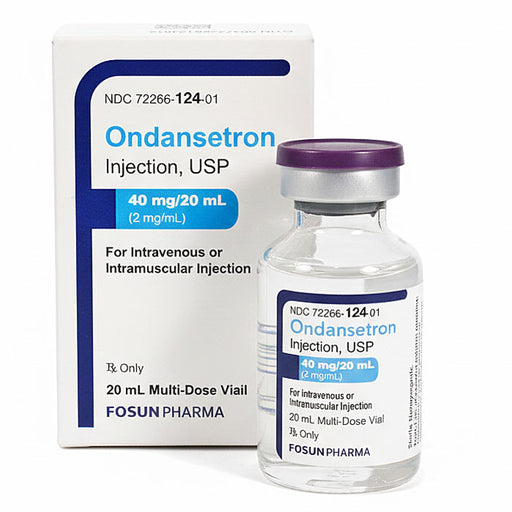
Dimenhydrinate Injection (50 mg/mL, 1 mL MDV) – Fast-Acting Anti-Nausea Therapy
Dimenhydrinate Injection is a potent prescription antiemetic supplied in a 1 mL multi-dose vial (MDV) at 50 mg per mL. It delivers rapid relief from severe nausea, vomiting, dizziness, and vertigo, especially related to motion sickness and other vestibular disorders. Each vial contains dimenhydrinate (an 8-chlorotheophylline salt of diphenhydramine) in a sterile solution with propylene glycol and a 5% benzyl alcohol preservative. Because it is an injection formulation (IM/IV), it acts faster than oral equivalents and is used when immediate effect or an alternative to oral therapy is needed. As with any powerful medication, Dimenhydrinate Injection is Rx-only and should be used under medical supervision (see Usage & Precautions below).
Key Features & Benefits
-
Fast antiemetic action: Delivers 50 mg dimenhydrinate per mL directly into the bloodstream, quickly blocking nausea/vomiting pathways.
-
Motion sickness & vertigo relief: Clinically indicated for prevention/treatment of nausea, vomiting, or vertigo of motion sickness. Also used for symptomatic relief in vestibular disorders (e.g. Meniere’s disease)
-
IM/IV administration: Usable by intramuscular or intravenous injection. Particularly useful in hospital/emergency settings when oral meds are not practical.
-
Multi-dose vial (MDV): Contains 25 × 1 mL vials with preservative. Benzyl alcohol (5%) allows multiple withdrawals – however, note that benzyl alcohol should not be used in newborns or very low-birth-weight infants (risk of “gasping syndrome”).
-
Proven antihistamine formula: Dimenhydrinate’s combination of an H1-antihistamine and stimulant (diphenhydramine + 8-chlorotheophylline) effectively dampens inner-ear (labyrinthine) signals that trigger emesis.
-
Physician-directed use: As a prescription product (Category: Abbreviated NDA, Rx-only), it must be prescribed by a qualified healthcare professional. Dose and frequency are adjusted per patient condition.
-
Safety notes: Contains benzyl alcohol preservative (5%)– caution in children. Pregnancy Category B. May cause sedation/drowsiness – advise patients not to drive or operate machinery after administration and to avoid alcohol or other CNS depressants.
Indications & Uses
Dimenhydrinate Injection is indicated for prevention and treatment of severe nausea, vomiting, and vertigo due to motion sickness. This includes “sea-sickness”, “car-sickness”, air travel nausea, or any travel-related labyrinth irritation. In practice, it is also used for vestibular disorders – for example, acute vertigo attacks in Meniere’s disease or inner-ear inflammation. By tranquilizing the vestibular nerve signals, it halts the emetic impulse at its source. It works more quickly than oral Dramamine, making it ideal for emergency rooms or pre-emptive dosing (e.g. prior to prolonged travel).
-
Preventive dosing: For motion sickness, clinicians often administer the first injection 30–60 minutes before travel to pre-empt nausea.
-
Treatment: If symptoms start, one injection (50–100 mg) can stop vomiting and allow comfort. Note that injectable dimenhydrinate typically works within minutes.
-
Note: Since this is a potent prescription drug, it should only be given under medical guidance. (It is an antihistamine on the WHO essential medicines list for antiemesis.)
Mechanism of Action
Dimenhydrinate is an antihistamine (H1-blocker) with anticholinergic properties. It specifically depresses “hyperstimulated labyrinthine function” in the inner ear, which is a key trigger for motion-induced vomiting. Although the exact antiemetic mechanism isn’t fully known, dimenhydrinate’s central action blocks histamine signals to the brain’s vomiting center. In short, it soothes the vestibular system and reduces dizziness by stabilizing neural firing in the balance pathways. The 8-chlorotheophylline part slightly counteracts sedation of diphenhydramine, but patients still typically feel drowsy.
Dosage & Administration
Adults – IM/IV: The usual adult dose is 50–100 mg (1–2 mL) by intramuscular (IM) or slow intravenous (IV) injection every 4–6 hours as needed. Do not exceed 400 mg/day.
-
Intramuscular: Inject 50–100 mg into a large muscle (e.g. hip or thigh). IM route is commonly used in ER settings.
-
Intravenous (IV): Dilute before use. Mix the dose (e.g. 50 mg) in at least 10 mL of 0.9% NaCl, then inject slowly (over ~2 minutes). Rapid IV push can cause hypotension or irritation.
-
Onset & Duration: IM injection typically acts within 15–30 minutes; IV onset is faster (minutes). Effects last about 4–6 hours per dose.
Pediatrics: Dimenhydrinate injection is contraindicated in neonates (due to benzyl alcohol and immature metabolism) and generally not recommended for infants. For children over ~2 years, pediatric dosing is weight-based: ~1.25 mg/kg (37.5 mg/m²) IM up to 4 times daily (max ~300 mg/day). Always dose a child under physician supervision.
Administration Tips:
- Use a new sterile syringe/needle for each injection.
- Check the vial's integrity and expiration.
- Swab vial top with alcohol before drawing up.
- IM injections should be given deep in the muscle.
- IV injections must be diluted and given slowly†.
- Monitor blood pressure and sedation level after injection.
Safety & Precautions
Dimenhydrinate has a well-established safety profile when used correctly, but warnings include:
-
Hypersensitivity: Do not give to anyone with known hypersensitivity to dimenhydrinate, diphenhydramine, or benzyl alcohol. Cases of allergic reaction (rash, itching, anaphylaxis) have been reported.
-
Neonates/Infants: Contraindicated in newborns and premature infants due to benzyl alcohol preservative risk (“gasping syndrome”). Use extreme caution in nursing mothers (small amounts pass into milk.
-
CNS Effects: Dimenhydrinate causes drowsiness in most patients. Patients should be warned not to drive, operate machinery, or consume alcohol while under its influence. Concurrent use with other CNS depressants (alcohol, sedatives) can greatly increase drowsiness.
-
Anticholinergic Risks: Avoid or use cautiously in patients with narrow-angle glaucoma, enlarged prostate (urinary retention), asthma, severe heart disease, or GI obstruction. These conditions can be worsened by anticholinergic side effects (e.g. increased eye pressure or bladder issues).
-
Cardiovascular: Overdose or rapid IV push may precipitate hypotension (especially in hypovolemic patients). Monitor vital signs if given IV.
-
Pregnancy: Category B. Animal studies show no fetal harm, but no controlled trials exist in pregnant women. Use only if clearly needed; consult obstetrician.
-
Breastfeeding: Dimenhydrinate passes into breast milk. If the injection is necessary, consider discontinuing nursing temporarily.
Always inform the patient’s healthcare team of all medications and conditions. Disclose any existing medical issues before administration. Follow hospital protocols for IV antiemetic administration.
Side Effects & Adverse Reactions
Like all drugs, Dimenhydrinate injection can cause side effects. The most common reaction is drowsiness/sedation. Dizziness often accompanies this. Other reported effects include:
-
CNS: headache, nervousness, restlessness or paradoxical excitement (especially in children), insomnia. Rarely, confusion or seizures in overdose.
-
Anticholinergic: dry mouth, nose and throat, blurred vision, urinary retention or difficulty urinating. (These stem from the antihistamine’s drying effects.)
-
Cardiac: tachycardia (fast heartbeat), palpitation. Rarely bradycardia or hypotension if quickly injected.
-
Respiratory: thickened bronchial secretions, respiratory depression (especially if overdosed).
-
GI: epigastric distress, heartburn.
-
Allergic: skin rash, itching.
If severe side effects occur (e.g. extreme drowsiness, confusion, rapid heart rate, breathing problems), seek medical attention immediately. Overdose can be life-threatening, particularly in children.
Consult a physician or poison control center for guidance if overdose is suspected.
Storage & Handling
-
Storage: Store Dimenhydrinate Injection at 20–25 °C (68–77 °F) – controlled room temperature. Do not freeze. Keep the vials in their original box away from light.
-
Stability: Use each opened vial within the manufacturer’s recommended time once punctured (the benzyl alcohol preservative provides some safety for multi-dose use – follow local policy, typically discard after 28 days).
-
Handling: Use aseptic technique when withdrawing from the vial. Do not use if the solution is discolored or contains particulate matter.
-
Disposal: Dispose of used syringes and any unused drug per biohazard regulations.
Composition (per 1 mL)
-
Active Ingredient: 50 mg Dimenhydrinate (8-chlorotheophylline salt of diphenhydramine).
-
Inactive Ingredients: Propylene glycol (50%), Benzyl alcohol (5%, preservative), Water for Injection, with pH adjusted by sodium hydroxide/hydrochloric acid.
-
Note: The presence of benzyl alcohol means this MDV is for multiple uses under proper precautions
Disclaimer: This description is for informational/educational purposes only and is not medical advice. Always administer dimenhydrinate injections according to a licensed healthcare provider’s instructions and institutional protocols. Patients should be counseled on the risks, benefits, and alternatives before use.