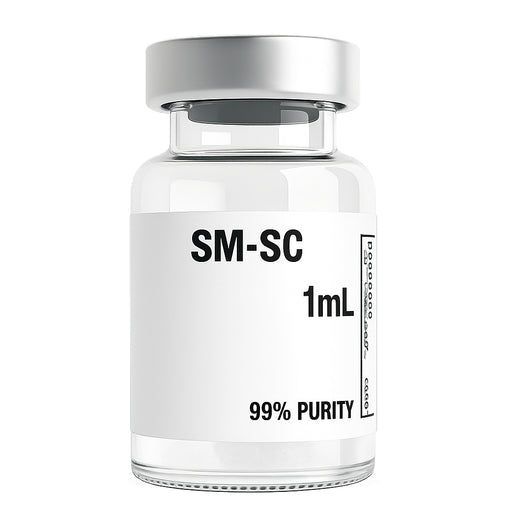

ECM Wharton's Jelly Extracellular Matrix Concentrate 2 mL refers to a biologic product derived from Wharton’s Jelly, which is the gelatinous connective tissue found within the umbilical cord. Here’s a breakdown of the terminology:
-
ECM: Stands for Extracellular Matrix, the non-cellular component present within all tissues and organs, providing essential physical scaffolding and biochemical signals for cellular functions.
-
Wharton’s Jelly: A rich source of ECM and growth factors; it is an abundant, gelatinous substance within the umbilical cord.
-
Concentrate: Indicates that the ECM has been processed and condensed into a higher concentration form.
-
2 mL: The volume of the concentrate in the vial or syringe.
What is it used for?
Wharton’s Jelly ECM concentrate is increasingly used in:
-
Regenerative medicine: To support tissue repair, wound healing, and reduce inflammation.
-
Orthopedics and sports medicine: As an injectable to promote joint, tendon, and ligament healing.
-
Aesthetics: Sometimes explored in skin rejuvenation therapies.
-
Research: For stem cell and tissue engineering applications.
Why Wharton’s Jelly?
Wharton’s Jelly is a rich source of extracellular matrix proteins like collagen, hyaluronic acid, and contains high concentrations of growth factors and cytokines. It is considered immune-privileged and ethically sourced—usually from donated, screened human umbilical cords.
How is it supplied and used?
A typical product like ECM Wharton’s Jelly Extracellular Matrix Concentrate 2 mL comes as a sterile injectable solution. It may be administered via injection to the site requiring regeneration, like a joint or soft tissue.
Key Points:
-
Not a stem cell product, but may contain stem cell signaling molecules.
-
Not FDA-approved for all uses. Many applications are considered investigational or off-label.
-
Preparation and administration must be by qualified healthcare professionals, observing all ethical and safety guidelines.
What is Acellular Matrix & Wharton’s Jelly?
1. Acellular Matrix (ECM — Extracellular Matrix):
- The extracellular matrix (ECM) is a network of proteins and molecules secreted by cells, providing structural and biochemical support to surrounding cells.
-
Acellular means that all living cells have been removed from the tissue, leaving behind just this matrix of proteins, signaling molecules, and scaffolding.
- It provides a framework that the patient’s own cells can use to repair and regenerate tissue.
2. Wharton’s Jelly:
- Wharton’s Jelly is a gelatinous substance in the umbilical cord, rich in extracellular matrix and key growth factors.
- It is abundant in structural proteins (like collagen), glycosaminoglycans (which attract water), and supportive molecules that help tissue repair and regeneration.
What is ECM/Wharton’s Jelly 2ML?
- This is a sterile 2 mL vial containing a processed concentrate of umbilical cord Wharton’s Jelly ECM.
-
It is acellular, meaning there are no living cells, but it retains key biologic factors: exosomes (tiny vesicles that carry signals and growth factors) and other regenerative proteins that promote healing.
- Because it’s “all-in-one acellular scaffold,” it provides both a structure for new tissue to grow and chemical signals to stimulate that growth.
What is it Used For?
Because it is rich in natural growth factors and regenerative molecules, this product is supplied for:
-
Joint injections (orthopedics): To support cartilage or joint tissue repair.
-
Hair applications: As a regenerative treatment in hair loss (may help stimulate hair follicle activity).
-
Facial (aesthetic) applications: To support skin healing, rejuvenation, or anti-aging effects.
Why Is this Useful?
-
Safe: Removed of living cells, so less risk of immune reaction.
-
Potent: Contains a powerful mix of natural growth factors and ECM proteins.
-
Versatile: Used in several fields — orthopedics, dermatology, aesthetics, and regenerative medicine.
-
Ready-to-use: Sterile, easy to apply with minimal preparation.
This vial contains a concentrated, cell-free extract from the ECM of Wharton’s Jelly in the human umbilical cord. It acts as a biologic scaffold with growth factors and exosomes, supplied for use in joint, hair, and facial regenerative therapies.