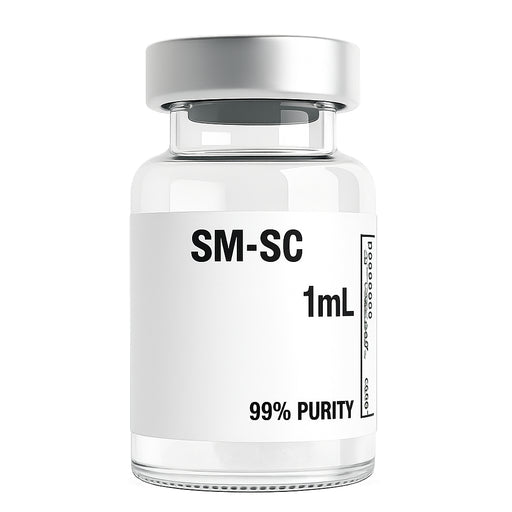
GLP-R (Retatrutide) is a synthetic peptide compound supplied in lyophilized powder form and documented through batch-specific analytical characterization. This material is prepared through controlled manufacturing processes and is accompanied by supporting documentation describing molecular identity and analytical measurement.
Retatrutide is an injectable peptide drug.
It is a novel triple agonist, meaning it targets and activates three different metabolic hormone receptors:
- GLP-1 (Glucagon-Like Peptide-1)
- GIP (Glucose-Dependent Insulinotropic Polypeptide)
- Glucagon receptor
You might see it called a “triple hormone receptor agonist” or “triple incretin.”
What is Retatrutide Used For?
Clinical Indications (Current and Investigational):
-
Obesity & Weight Loss (Main Use):
- Indicated for chronic weight management in people with overweight or obesity (with or without diabetes).
- In Phase 2 trials, Retatrutide produced average weight loss up to 24.2% of body weight at 48 weeks, with some patients losing over 25%—more than any other available medication to date.
-
Type 2 Diabetes:
- Improved blood sugar control due to its effects on insulin, glucagon, and appetite. Clinical trials are ongoing.
-
Potential Future Uses (under study):
- Nonalcoholic fatty liver disease (NAFLD)/NASH (due to fat reduction and metabolic benefits).
- General cardiometabolic syndrome (cholesterol, blood pressure, etc.).
Key Findings in Clinical Trials
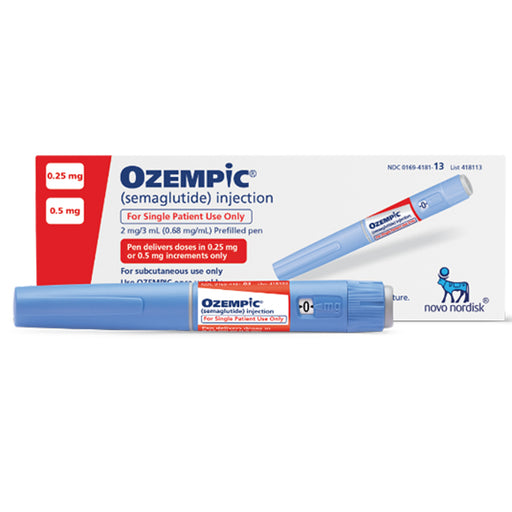
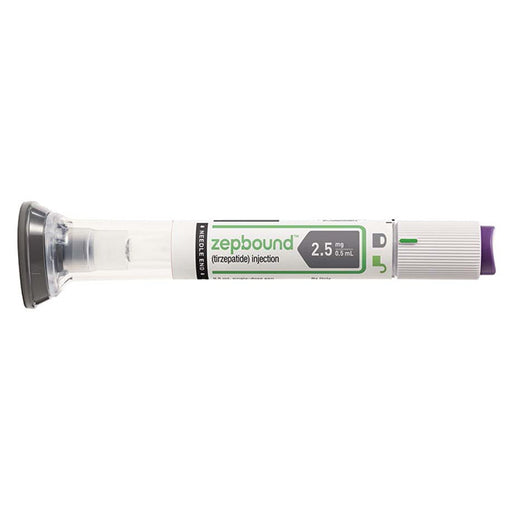
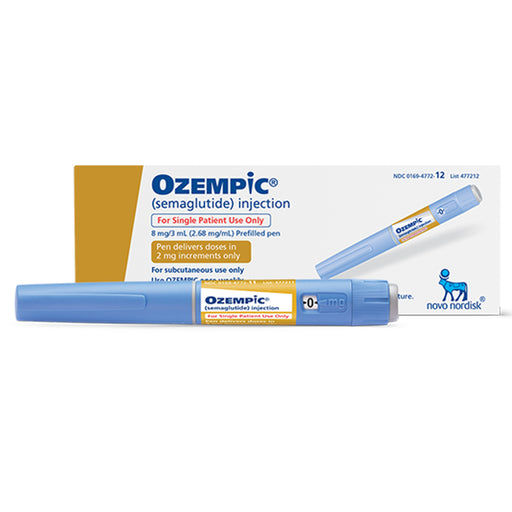
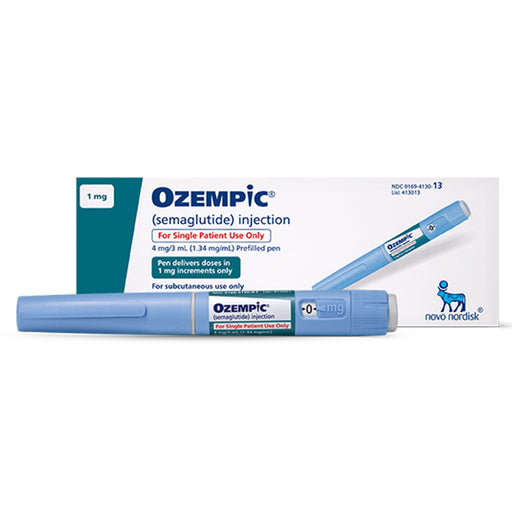
- Weight Loss: Retatrutide produced the highest weight loss observed in clinical studies for any obesity drug—greater on average than tirzepatide (Zepbound/Mounjaro) or semaglutide (Wegovy/Ozempic).
- Blood Sugar: Strong improvement in blood sugar levels in Type 2 diabetes patients.
- Safety: Side effects are similar to those of other GLP-1 drugs—mainly gastrointestinal symptoms (nausea, vomiting, diarrhea, constipation). Most are mild-moderate and lessen over time.
- Cardiovascular Outcomes: No evidence of increased adverse cardiovascular effects in short- to medium-term studies.
How is Retatrutide Given?
- Route: Subcutaneous (under-skin) injection
- Frequency: Once weekly
- Dosing: Titrated upward over weeks to reduce side effects
Who Should Consider Retatrutide?
- Adults with obesity (BMI ≥30) or overweight (BMI ≥27) with a weight-related co-morbidity
- People with Type 2 diabetes needing weight loss and improved glycemic control
- Not approved for: People with Type 1 diabetes; children (unless/when pediatric studies are completed)
Side Effects & Risks
Most common (GI-related):
- Nausea
- Vomiting
- Diarrhea/constipation
- Decreased appetite
Others:
- Possible risk of gallbladder problems, rare pancreatitis, temporary elevation of heart rate (similar to other incretin drugs)
Contraindications:
- Personal/family history of medullary thyroid carcinoma or multiple endocrine neoplasia syndrome type 2 (based on GLP-1 class warning)
- Hypersensitivity to ingredients
GLP-3 (Retatrutide) Injection is a ground-breaking, triple-action, weekly injectable drug for substantial weight loss and metabolic improvement. Its expected future use is for obesity, type 2 diabetes, and potentially related metabolic diseases, outperforming any currently available medication in clinical trials.
GLP-R (Retatrutide) is a synthetic peptide compound supplied in lyophilized powder form and documented through batch-specific analytical characterization. This material is prepared through controlled manufacturing processes and is accompanied by supporting documentation describing molecular identity and analytical measurement.
Retatrutide is an injectable peptide drug.
It is a novel triple agonist, meaning it targets and activates three different metabolic hormone receptors:
- GLP-1 (Glucagon-Like Peptide-1)
- GIP (Glucose-Dependent Insulinotropic Polypeptide)
- Glucagon receptor
You might see it called a “triple hormone receptor agonist” or “triple incretin.”
What is Retatrutide Used For?
Clinical Indications (Current and Investigational):
-
Obesity & Weight Loss (Main Use):
- Indicated for chronic weight management in people with overweight or obesity (with or without diabetes).
- In Phase 2 trials, Retatrutide produced average weight loss up to 24.2% of body weight at 48 weeks, with some patients losing over 25%—more than any other available medication to date.
-
Type 2 Diabetes:
- Improved blood sugar control due to its effects on insulin, glucagon, and appetite. Clinical trials are ongoing.
-
Potential Future Uses (under study):
- Nonalcoholic fatty liver disease (NAFLD)/NASH (due to fat reduction and metabolic benefits).
- General cardiometabolic syndrome (cholesterol, blood pressure, etc.).
Key Findings in Clinical Trials
- Weight Loss: Retatrutide produced the highest weight loss observed in clinical studies for any obesity drug—greater on average than tirzepatide (Zepbound/Mounjaro) or semaglutide (Wegovy/Ozempic).
- Blood Sugar: Strong improvement in blood sugar levels in Type 2 diabetes patients.
- Safety: Side effects are similar to those of other GLP-1 drugs—mainly gastrointestinal symptoms (nausea, vomiting, diarrhea, constipation). Most are mild-moderate and lessen over time.
- Cardiovascular Outcomes: No evidence of increased adverse cardiovascular effects in short- to medium-term studies.
How is Retatrutide Given?
- Route: Subcutaneous (under-skin) injection
- Frequency: Once weekly
- Dosing: Titrated upward over weeks to reduce side effects
Who Should Consider Retatrutide?
- Adults with obesity (BMI ≥30) or overweight (BMI ≥27) with a weight-related co-morbidity
- People with Type 2 diabetes needing weight loss and improved glycemic control
- Not approved for: People with Type 1 diabetes; children (unless/when pediatric studies are completed)
Side Effects & Risks
Most common (GI-related):
- Nausea
- Vomiting
- Diarrhea/constipation
- Decreased appetite
Others:
- Possible risk of gallbladder problems, rare pancreatitis, temporary elevation of heart rate (similar to other incretin drugs)
Contraindications:
- Personal/family history of medullary thyroid carcinoma or multiple endocrine neoplasia syndrome type 2 (based on GLP-1 class warning)
- Hypersensitivity to ingredients
GLP-3 (Retatrutide) Injection is a ground-breaking, triple-action, weekly injectable drug for substantial weight loss and metabolic improvement. Its expected future use is for obesity, type 2 diabetes, and potentially related metabolic diseases, outperforming any currently available medication in clinical trials.