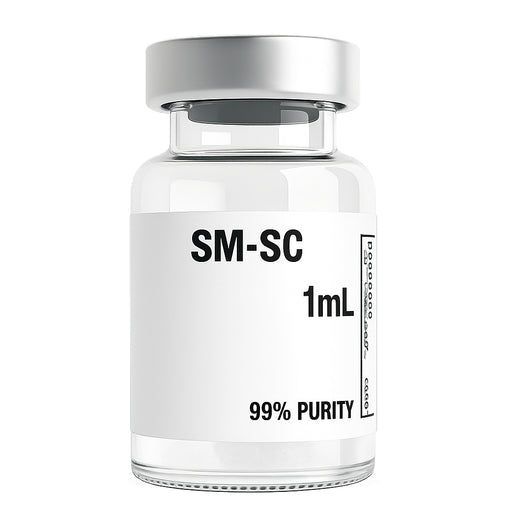



Exosomes Lyophilized Umbilical Cord-Derived – 1 mL, 150 Billion refers to a sophisticated, next-generation regenerative medicine product. Here’s a detailed explanation of its composition, significance, and applications:
What are Exosomes?
-
Exosomes are nano-sized extracellular vesicles (EVs) (typically 30–150 nanometers in diameter) released by almost all cell types.
-
Function: They act as communication vehicles between cells, carrying proteins, lipids, and genetic material (such as microRNAs and mRNAs). They are critical in regulating healing, immune modulation, and regeneration.
-
Not a cell therapy: Unlike stem cells, exosomes have no nucleus, do not divide, and cannot form tissues themselves. Their effects are mediated by the signals (cargo) they deliver.
Key Product Characteristics
| Feature |
Description |
| Source |
Umbilical cord-derived (usually mesenchymal stem cells from Wharton’s Jelly or cord lining) |
| Type/Form |
Lyophilized (freeze-dried) exosome/EV preparation |
| Concentration |
150 billion (150,000,000,000) exosomes per 1 mL (ultra-high concentration) |
| Volume |
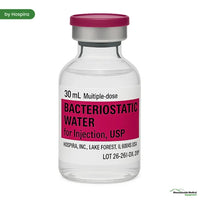
1 mL vial (to be reconstituted with sterile fluid before use) |
| Purity |
Pure, undiluted—no mixed cell debris or protein aggregates |
Lyophilization ensures long shelf life, temperature stability, and easy shipping. It must be reconstituted prior to use.
What Is the Significance of Ultra-High Concentration (150 Billion/ml)?
- Most clinical exosome research uses 1–10 billion exosomes/dose. This ultra-high concentration (150 Billion particles/mL) provides much more active biological cargo, making it suitable for advanced or large-area applications, research, or dilution for multiple doses.
-
More exosomes does not always mean better or safer results: optimal dosing is still under investigation.
Applications of Umbilical Cord-Derived Exosomes
Clinical Investigation/Regenerative Medicine
-
Skin Rejuvenation (aesthetic medicine)
- Hair Restoration
- Joint and tendon repair
- Anti-inflammatory and immune-modulating therapies
- Wound healing
- Neurologic, cardiovascular, and other research models
Mechanism
Exosomes deliver growth factors, cytokines, signaling RNAs, and anti-inflammatory molecules to target cells, stimulating repair and reducing inflammation, without the risks of living cell infusions (e.g., tumorigenicity).