Minocycline 50 mg (Oral Capsules, Tetracycline Antibiotic)
Minocycline is a broad-spectrum tetracycline antibiotic. It works by inhibiting bacterial protein synthesis. The 50 mg strength is provided as a prescription oral capsule (minocycline hydrochloride). Minocycline treats numerous infections caused by susceptible gram-positive and gram-negative organisms. For example, it’s used for certain respiratory and urinary infections, tick-borne diseases (e.g. Rocky Mountain spotted fever, typhus), sexually transmitted infections (chlamydia, gonorrhea, syphilis in penicillin-allergic patients), and as an adjunct therapy for severe acne. It also has indications for atypical pneumonia (Mycoplasma), plague, tularemia, anthrax, cholera, and other serious infections. (Minocycline is not effective against viruses, and should only be used when a bacterial infection is proven or strongly suspected.)
-
Formulation: Each capsule contains 50 mg of minocycline hydrochloride (equivalent to 50 mg minocycline). Capsules are gelatin-shelled (yellow cap, green body for 50 mg). Other available capsule strengths include 75 mg and 100 mg. Minocycline capsules are supplied in tight, light-resistant containers (e.g. bottles of 60) and are sterile, single-use oral medications. No injection is given with these capsules. Each capsule also contains inactive ingredients (magnesium stearate, starch).
-
How to Take: Minocycline capsules are taken by mouth, swallowed whole with a full glass of water. Adequate fluid intake is recommended to prevent esophageal irritation or ulceration. (Do not lie down immediately after taking the capsule.) Unlike some tetracyclines, food (even dairy) does not significantly affect minocycline absorption so it may be taken with or without food. However, absorption can be reduced if taken with antacids or calcium supplements (which bind tetracyclines), so it’s best to space them apart. The drug has a long half-life and may be dosed once or twice daily.
Uses & Applications:
-
Moderate to Severe Acne Vulgaris – First-choice oral antibiotic for persistent or cystic acne.
-
Bacterial Skin Infections – Treats cellulitis, folliculitis, and MRSA (Methicillin-resistant Staphylococcus aureus) infections.
-
Respiratory Tract Infections – Effective for bronchitis, pneumonia, and sinusitis.
-
Urinary Tract Infections – Fights complicated and recurrent UTIs.
-
Rosacea & Other Dermatologic Conditions – Reduces redness, inflammation, and outbreaks.
-
Sexually Transmitted Infections – Chlamydia, gonorrhea, and other susceptible bacterial infections.
-
Tick-Borne Diseases – Effective against Rocky Mountain spotted fever and other rickettsial infections (as prescribed).
-
Alternative Therapy – For penicillin-allergic patients requiring broad-spectrum coverage.
Uses (Indications)
Minocycline’s official indications include a wide range of infections by susceptible bacteria.. Common clinical uses are:
-
Rickettsial/Tick-Borne Illnesses: Rocky Mountain spotted fever, typhus fevers, Q fever, rickettsialpox and other tick or mite-transmitted diseases. (Minocycline is often the first choice for Colorado tick fever and related rickettsioses.)
-
Atypical Respiratory Infections: Mycoplasma pneumoniae (walking pneumonia) and other atypical pneumonias. It also covers certain bacterial bronchitis and pharyngitis (e.g. Haemophilus influenzae, Streptococcus pneumoniae when susceptible).
-
Sexually Transmitted Diseases: Chlamydia trachomatis infections (urethritis, cervicitis) and nongonococcal urethritis. It is an alternative therapy for gonorrhea (Neisseria gonorrhoeae) and syphilis (T. pallidum) when penicillin is contraindicated.
-
Other Gram-Negative Infections: Plague (Yersinia pestis), tularemia (Francisella tularensis), cholera (Vibrio cholerae), brucellosis (with streptomycin), and other unusual gram-negative infections.
-
Gram-Negative Enterics: Some susceptible strains of E. coli, Klebsiella, Enterobacter, Shigella, Acinetobacter, and Haemophilus influenzae (upper respiratory/urinary infections).
-
Gram-Positive Infections: In penicillin-allergic patients, minocycline can treat certain Streptococcus and Listeria infections, cutaneous Staphylococcus aureus (skin/soft-tissue infections), and as an adjunct for actinomycosis or anthrax. (However, note label: “Not the drug of choice in staphylococcal infections”.)
-
Skin Conditions: Minocycline is widely used for severe inflammatory acne vulgaris (it suppresses Propionibacterium acnes and reduces inflammation) It may also help in acneiform eruptions.
-
Other: Additional uses (per labeling) include relapsing fever, chancroid, chronic bronchitis, and off-label uses like rosacea or meningococcal prophylaxis in high-risk exposure
Key Product Features & Benefits:
-
High-Potency 50 mg Formula: Trusted for fighting a broad spectrum of Gram-positive and Gram-negative bacteria.
-
Dermatologist & Infectious Disease Specialist Recommended: Widely used in both outpatient and hospital settings.
-
Convenient Oral Capsule: Easy-to-swallow for home or travel use.
-
Ideal for Long-term Use: Safe for daily dosing as prescribed by your healthcare provider.
-
Superior Bioavailability: Ensures effective results in treating skin, respiratory, urinary, and soft tissue infections.
Dosage
-
Adults: The typical adult dosing for systemic bacterial infections is 200 mg initially followed by 100 mg every 12 hours. (This can be given as two 100 mg capsules initially, or four 50 mg capsules initially, followed by 100 mg per dose.) The maximum total daily dose is generally 200 mg. For less severe infections (or acne), physicians may use 50–100 mg once or twice daily. Always follow a healthcare provider’s specific regimen. Doses may be given intermittently in more frequent smaller doses (e.g. 50 mg four times daily) if needed.
-
Pediatrics: Minocycline is contraindicated in children under 8 years old (see Warnings below). In children over 8 (and adults), the pediatric dose is weight-based (usually 4 mg/kg initial followed by 2 mg/kg every 12 hours, not to exceed adult dosing). Adolescent acne is a common use in this age group.
-
Special Situations: Dosing must be adjusted if renal or hepatic impairment is significant. In renal dysfunction, minocycline clearance is reduced, so the total daily dose should not exceed 200 mg if kidney function is poor. (Serum drug levels and organ function may be monitored in prolonged therapy.) Minocycline’s long half-life (11–22 hours) permits twice-daily dosing for most adult regimens.
How to Use:
-
Take exactly as prescribed by your healthcare provider—usually once or twice daily.
-
Swallow capsule whole with a full glass of water.
- Take with or without food.
-
Avoid lying down immediately after taking (wait at least 30 minutes) to reduce risk of esophageal irritation.
-
Complete the full prescribed course, even if symptoms improve early, to prevent bacterial resistance.
-
Space doses evenly throughout the day for best results.
Health Category:
- Prescription Antibiotics
- Dermatology / Acne Medications
- Infectious Disease Treatment
- Respiratory Health
- Urology / Urinary Tract Health
Related Products:
-
Doxycycline Hyclate Capsules
- Tetracycline Capsules/Tablets
-
Clindamycin HCl Capsules
-
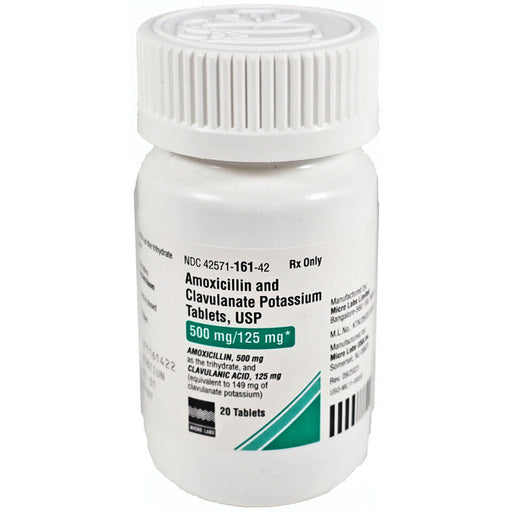
Amoxicillin-Clavulanate Tablets
- Erythromycin Tablets
- Bactrim DS (Trimethoprim-Sulfamethoxazole)
- Minocycline Extended Release Tablets
Possible Side Effects:
-
Common: Dizziness, nausea, vomiting, diarrhea, lightheadedness, headache, photosensitivity (sunburn risk), tooth discoloration (especially in children).
-
Less Common: Itchy skin, rash, changes in skin color, joint pain, sore throat.
-
Serious/Rare: Severe allergic reactions (swelling, hives, difficulty breathing), liver toxicity, lupus-like syndrome, intracranial hypertension (persistent headache, vision changes), Clostridioides difficile–associated diarrhea.
-
Precautions: Not for use in children under 8 or during pregnancy (may cause permanent tooth discoloration and bone issues in children).
Always tell your healthcare provider about any new symptoms or side effects. Avoid prolonged sun exposure and use sun protection.
Side Effects and Precautions
Common Adverse Effects: The most frequent side effects of minocycline resemble other tetracyclines. These include gastrointestinal upset (nausea, vomiting, diarrhea), dizziness or vertigo (more common with minocycline than other tetracyclines), lightheadedness, and skin reactions. Minocycline often causes photosensitivity – patients may sunburn easily even after brief sun exposure. Instruct patients to use sun protection or avoid intense sunlight while on therapy. Other possible effects are headache, fatigue, and vestibular symptoms (tinnitus, balance problems).
Serious Reactions: Though rare, minocycline can cause:
-
“Red Man” reactions: Rapid infusion (if IV) can cause histamine release (but for oral, this is not applicable). Sorry, that's vancomycin’s thing, skip. Wrong context.
More relevant:
-
Benign Intracranial Hypertension: Tetracyclines can rarely cause intracranial hypertension (pseudotumor cerebri) – symptoms like headache, blurred vision. If headache or vision changes occur, drug should be stopped.
-
Hepatotoxicity: Rare liver toxicity has been reported, especially in patients with kidney impairment or on high doses. Use cautiously if liver enzymes are elevated.
-
Permanent Tissue Discoloration: A hallmark tetracycline effect – tooth and bone discoloration. Minocycline deposits in teeth during development and can cause a gray-blue staining of permanent teeth. (This occurs if taken during the second half of pregnancy or by children under age 8.) It can also cause abnormal bone growth or enamel hypoplasia in children. For this reason, minocycline is contraindicated in pregnancy and in pediatric patients under 8 (unless absolutely necessary). The label classifies its use in pregnancy as category D (risk to fetus).
-
Others: Rarely, minocycline can cause lupus-like reactions (fever, rash, joint pain, autoantibodies), eosinophilia, or C. difficile–associated diarrhea (all antibiotics carry this risk). Hypersensitivity to tetracyclines contraindicates its use; patients with known tetracycline allergy should avoid it.
-
Drug Interactions:
-
Dairy/Antacids: Although minocycline’s absorption is relatively unimpaired by food, dairy/calcium can still bind tetracyclines. Do not take with calcium supplements, antacids, or iron preparations (separate by ~2 hours) to ensure optimal absorption.
-
Isotretinoin: Concurrent use of retinoids (like isotretinoin for acne) is contraindicated due to risk of pseudotumor cerebri.
-
Warfarin: Minocycline may potentiate anticoagulants (monitor INR).
-
Other Substances: It may interact with penicillin (reduced penicillin efficacy) and oral contraceptives (reduced efficacy of the pill).
Minocycline 50 mg capsules are a prescription tetracycline antibiotic used for a wide array of serious infections and as part of acne therapy. They are taken orally (absorbed well with or without food). The typical adult dose is initially 200 mg then 100 mg every 12 hours, but lower doses (50 mg daily or twice daily) may be used for milder conditions or maintenance. Key precautions: ensure adequate hydration when swallowing to avoid esophageal injury, warn about sun sensitivity, and absolutely avoid use in pregnancy or young children due to tooth/bone effects. Patients should be advised of possible side effects (nausea, dizziness, headache, photosensitivity) and to report any severe symptoms (severe headache or vision changes) promptly. As with all antibiotics, use minocycline only for confirmed bacterial infections to reduce resistance.
Order Minocycline HCl 50 mg Capsules by Zydus Pharmaceuticals (NDC 68382-0316-01) Now!
Take the first step toward clearer skin and a healthier you—choose the #1 prescription-strength minocycline trusted by doctors and dermatologists nationwide.