Skip to content





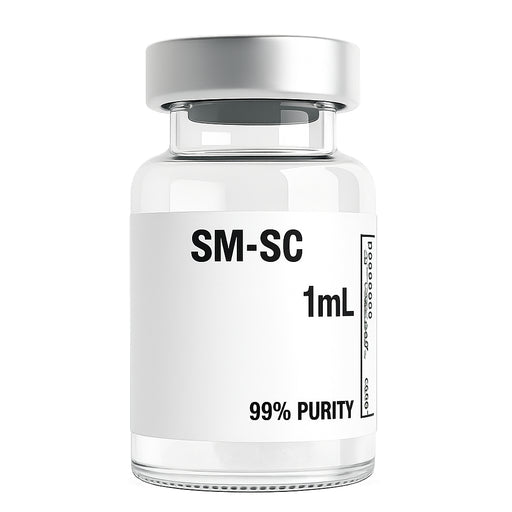
MOTS-c Injection 10 mg - Mitochondrial-Derived Peptide with 16 Amino Acid
SKU: MOTS-c
Sale 64%
Original price
$ 139.95
Current price
$ 50.00
Licensed providers only

Order this product on MedGrid
Regenerative medicine products are sold to verified medical practices through MedGrid, Mountainside Medical’s ordering partner. You’ll order at your account’s pricing once your NPI is verified.

Product
MOTS-c Injection 10 mg - Mitochondrial-Derived Peptide with 16 Amino Acid
- 1Open MedGridClick the button below, or scan the QR code with your phone.Tap “Continue to MedGrid” below.
- 2Join as a providerEnter your name, email and NPI. Your NPI is checked against the federal registry as you sign up.
- 3Order at your account’s pricesFind Mountainside Medical on MedGrid and place your order. Ships from Marcy, NY.
Scan to join MedGrid
Opens on your phone
Opens medgrid.com in a new tab. Have your NPI number ready.
Questions about this product?
Contact Mountainside Medical
Free Shipping on orders above $120


Payment
Secure transaction
Packaging
Ships in product packaging