BD Nexiva Closed IV Catheter System
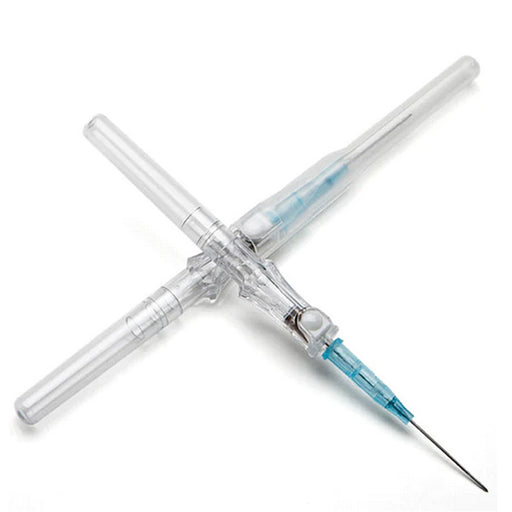
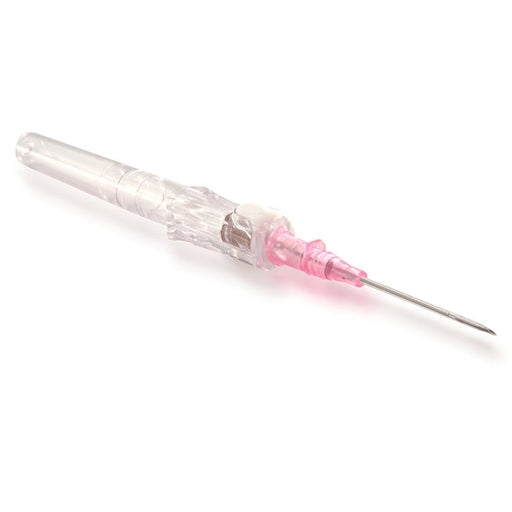
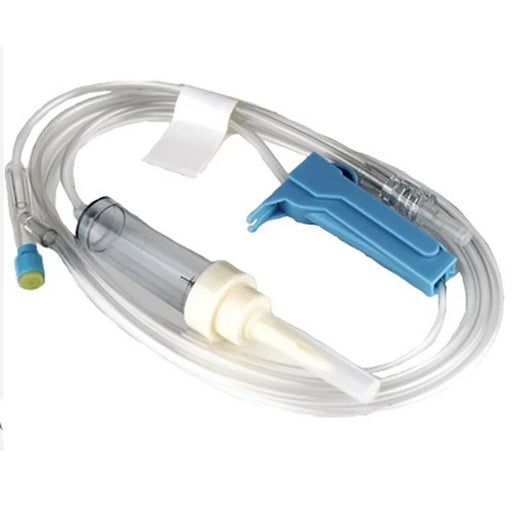
The BD Nexiva is a closed intravenous (IV) catheter system – essentially an all-in-one peripheral IV catheter (PIVC). Unlike a traditional IV setup where the catheter, extension tubing, needleless port and dressing are separate, Nexiva integrates them into a single unit. Becton Dickinson describes it as an “all-in-one PIVC” that combines the IV catheter, pre-attached extension set (tubing), stabilizing pad, and needle-free connector in one device. Because it’s pre-assembled, Nexiva greatly reduces clinician exposure to blood: BD reports about a 98% reduction in blood exposure during insertion versus open configurations. The system uses BD’s patented Instaflash™ needle, which has a notched tip so that blood immediately flashes back in a chamber when the vein is entered – providing instant visual confirmation of vessel entry.
Important: The Nexiva catheter system is a medical device intended for use by trained healthcare professionals under sterile technique. Always follow your facility’s IV insertion protocols and the manufacturer’s official instructions. The following outlines the general steps for inserting a peripheral IV catheter like Nexiva, but it is not a substitute for professional training. In practice, refer to the product’s Instructions for Use (IFU) and institutional guidelines.
Insertion (general steps)
-
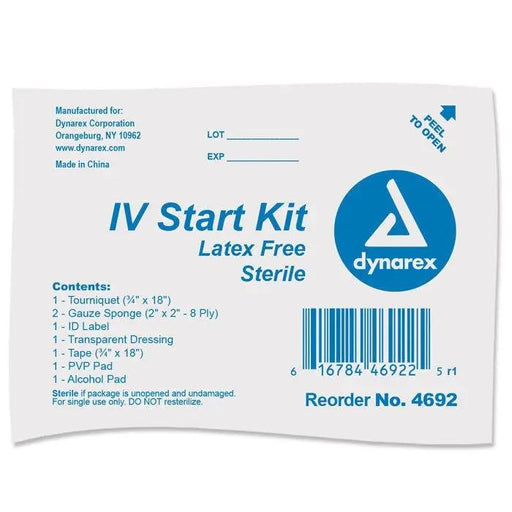
Prepare: Perform hand hygiene and don clean gloves. Select an appropriate vein (e.g. forearm or hand vein), apply a tourniquet, and inspect the site. Cleanse the skin well with antiseptic (e.g. 2% chlorhexidine in alcohol) and allow it to dry completely. (Proper skin prep is critical to prevent infection.) Ensure all necessary supplies are ready (Nexiva kit, normal saline flush syringe, tape/dressing).
-
Setup the Nexiva device: Open the sterile Nexiva package. The Nexiva catheter comes with the extension tubing and needleless port already attached and clamped. Verify the safety features (cover on the needle is intact). If not already done, you may prime (flush) the extension tubing with sterile saline to check patency (some protocols do this; otherwise you will flush after insertion). Keep the adhesive wings and tubing sterile until ready to insert.
-
Insertion: Remove the needle safety cap from the Nexiva device, holding its base/wings firmly. Anchoring the vein by pulling the skin taut, insert the catheter needle into the skin at a shallow angle (about 10–30°). Advance the needle until you see a flash of blood enter the Instaflash chamber – this confirms you are in the vein. Immediately reduce the angle and advance the plastic catheter a little further into the vein.
-
Advance the catheter, remove the needle: Once in the vessel (blood flash seen), advance the catheter until the hub is just above the skin. Then release the tourniquet. Hold the catheter hub securely with one hand and use the other to withdraw the metal introducer needle fully. The Nexiva system has an automatic safety: as you remove the needle, its safety sheath will slide over the sharp tip and lock it, greatly reducing needlestick risk. (BD notes the Nexiva’s closed design prevents almost all blood exposure to the operator.)
-
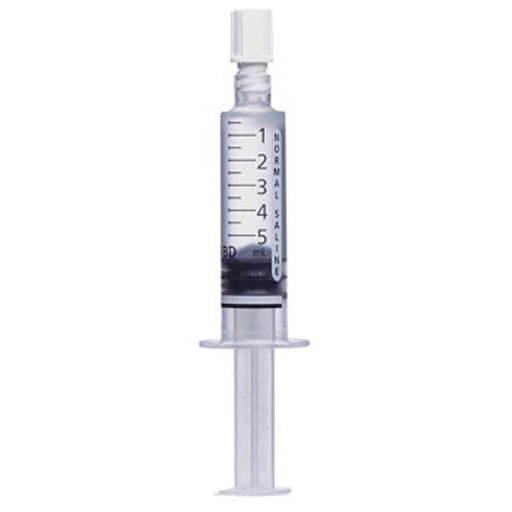
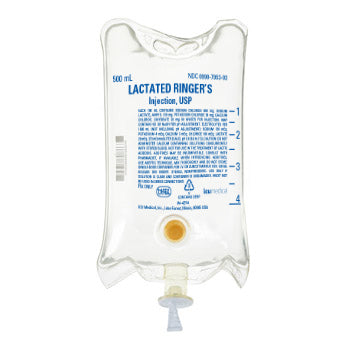
Flush and secure: Unclamp the attached extension tubing and attach a syringe of sterile saline to the needleless port. Gently flush the catheter to clear blood and confirm patency (you should see blood withdraw easily then flush smoothly). Then clamp the tubing if needed and remove the syringe. Carefully apply the transparent dressing over the catheter hub and stabilizer wings. Secure the catheter in place – for example, by sliding the built-in stabilization pad and adhering it to the skin. (CDC guidelines emphasize that stabilizing an IV catheter is key to reduce complications like phlebitis and dislodgement. Nexiva’s integrated stabilizer pad is designed for this purpose.) Finally, label the site with date/time.
Throughout insertion and securing, maintain aseptic technique – do not touch sterile parts of the device. After everything is fixed, remove remaining supplies (remove tourniquet if still on, remove gloves, and perform hand hygiene again).
Sizes (gauge and length)
BD Nexiva catheters are available in the standard gauges used for peripheral IVs. The gauge (needle size) is chosen based on patient size and therapy needs:
-
24 Gauge: Very fine (∼0.7 mm outer diameter). Used for neonates, infants, or very small veins. (Usually ~19–25 mm catheter length.)
-
22 Gauge: Small pediatric or geriatric veins (∼0.9 mm). (Catheter length ~25–32 mm.)
-
20 Gauge: Standard adult IV (∼1.1 mm, pink). Common for routine IV therapy and slower infusions. (Catheter length ~32 mm.)
-
18 Gauge: High-flow adult IV (∼1.2 mm, green). Used when faster infusions or transfusions are needed. (Catheter length ~32 mm.)
-
16 Gauge: Very large bore (∼1.7 mm, grey). For rapid fluid resuscitation (e.g. trauma). (Often 32–50 mm length.)
-
14 Gauge: Largest (∼2.0 mm, orange). Rarely used in Nexiva (more for emergency blood draw/cannulation).
Each gauge is color-coded per standard IV catheter conventions (e.g. 22G=blue, 20G=pink, 18G=green, 16G=grey, 14G=orange, etc.). The corresponding catheter lengths are typically matched to gauge (smaller gauge = shorter catheter, larger gauge = longer catheter) to ensure sufficient dwell in the vein.