Skip to content

Added to your cart:

Cart subtotal

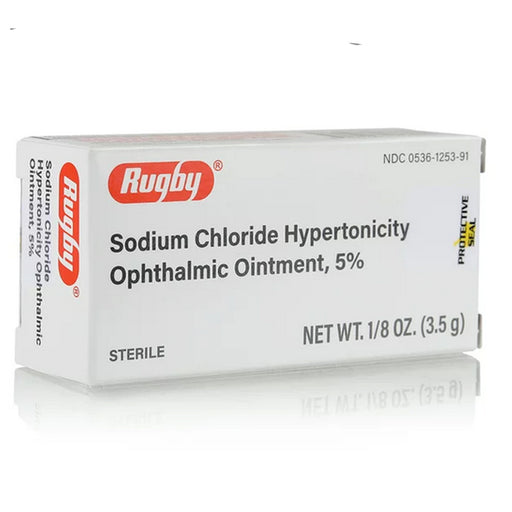
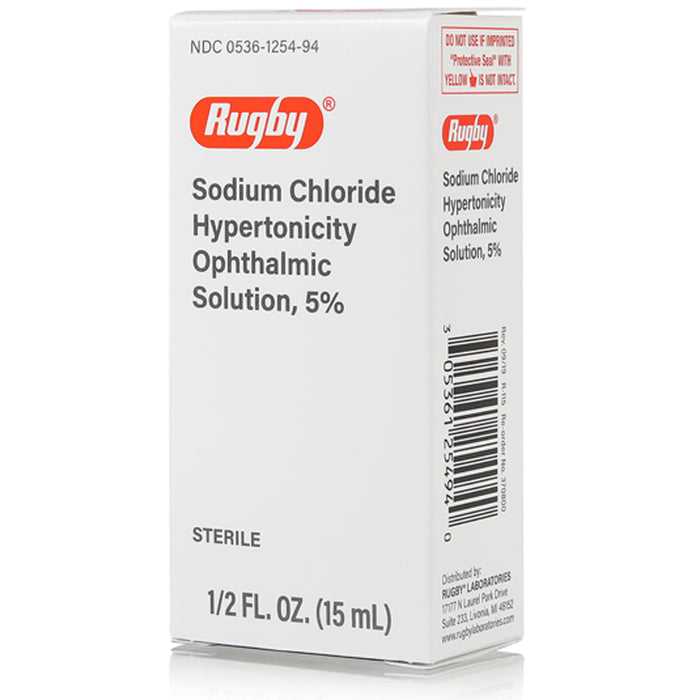
Sodium Chloride Eye Drops 5%, Saline Hypertonicity Ophthalmic Solution 15 mL

SKU 00536-1254-94
Sale 31%
Original price $ 11.59
Current price $ 7.99
In stock
Fast Delivery
Fast Delivery
24/7 Support
24/7 Support
Easy Returns
Easy Returns
Hospital Grade
Hospital Grade
Free Shipping on orders above $100
Returns 30-day return / replacement
Payment Secure transaction
Packaging Ships in product packaging
Service-Disabled Veteran-Owned Small Business
Located in Adirondack Mountains in NY
Family Owned Business 2002
Sale 31%
Original price $ 11.59
Current price $ 7.99
Free Shipping on orders above $100
Returns 30-day return / replacement
Payment Secure transaction
Packaging Ships in product packaging
Sodium Chloride Eye Drops 5%, Saline Hypertonicity Ophthalmic Solution 15 mL
$ 11.59 $ 7.99
Description

Sodium Chloride Eye Drops 5% Hypertonic Ophthalmic Solution

Sodium chloride 5% ophthalmic solution (a “hypertonic saline” eye drop) is a specially concentrated salt solution used to reduce corneal swelling (edema). It is indicated for conditions that cause fluid buildup in the cornea – for example, Fuchs’ endothelial dystrophy, bullous keratopathy, post‐surgical edema, acute keratoconus hydrops, or any situation with corneal clouding and vision blur due to fluid accumulation. The FDA-approved OTC label (e.g. Muro 128®) states its purpose as “temporary relief of corneal edema”. In practice, it is prescribed to draw fluid out of the cornea osmotically, thus clearing the cornea and improving vision temporarily.

How It Works

Being hypertonic (5% NaCl vs ~0.9% in normal tears), this solution increases the osmolarity of the tear film. In other words, the high salt concentration on the eye’s surface creates an osmotic gradient that pulls water from the corneal stroma into the tear film, reducing corneal thickness and edema. As one clinical review notes, hypertonic saline “acts by increasing tear film osmolarity” and forming “an osmotic gradient that extracts water out of the cornea”. The net effect is that excess fluid is drawn out of the swollen cornea, temporarily relieving the cloudy, hazy vision and discomfort caused by edema. (This treatment does not cure the underlying cause of the edema, but helps manage its symptoms.)

Indications

Per product information, sodium chloride 5% drops are used only for corneal edema – they do not treat dry eye, infections, allergies, or other ocular conditions. Typical scenarios include:

  • Fuchs’ endothelial dystrophy or bullous keratopathy: Chronic corneal swelling due to endothelial cell failure.
  • Postoperative corneal swelling: Often after cataract or glaucoma surgery, where the cornea remains hazy from fluid.
  • Acute trauma/hydrops: Such as in keratoconus patients (acute stromal edema from a Descemet’s rupture), where drops (and often ointment at night) are used to reduce edema while healing.
  • Contact lens overwear: Rarely, prolonged contact lens wear can cause epithelial edema; hypertonic drops may help though removal of contact lens is more important.

The main goal is temporary relief of symptoms: reducing corneal cloudiness, improving vision, and alleviating any pain or foreign-body sensation from epithelial bullae.

Administration and Dosage

Follow the label or prescriber’s directions. General guidelines:

  • Preparation: Wash your hands. Make sure the eye is clean and free of contacts (remove soft lenses before use).
  • Dosage: Instill 1 or 2 drops into the affected eye(s), 4 times daily (typically every 3–4 hours while awake). Use consistently at the prescribed times. Some patients use additional drops if edema worsens on awakening (corneal swelling often increases overnight). At night, a hypertonic ointment (also 5% NaCl) may be applied once at bedtime to prolong the effect, as tear evaporation is minimal with eyes closed.
  • Application: Tilt your head back, gently pull down the lower lid, and instill the drops into the eye without touching the eye or eyelids with the dropper. Close your eyes for a minute and apply gentle pressure at the inner corner (to limit drainage). If using oil/ointment at night, apply a thin ribbon along the inside of the lower eyelid.
  • Contact Lenses: Do not wear contact lenses while using the solution. The product contains preservatives (parabens) that can absorb in soft lenses. Wait at least 15–20 minutes after dropping the solution before reinserting lenses.
  • Duration: Use for as long as prescribed. It is usually intended for short‐term or periodic use during periods of edema. If no improvement occurs after a few days, or if symptoms worsen (e.g. increasing pain, marked vision loss, redness), seek medical advice.

Side Effects

Sodium Chloride eye drops are generally well tolerated, but because they are more concentrated than normal tears, they often cause temporary stinging or burning upon instillation. Other common local effects include mild eye irritation, etc. These sensations usually fade within a minute. Transient blurred vision or tearing may occur immediately after applying the drop.

Rarely, more severe reactions can happen. Discontinue use and contact your doctor if you experience sustained eye pain, marked redness, swelling, skin rash, or vision changes after using the drops. Allergic reactions to the solution’s preservatives (methylparaben/propylparaben) are uncommon but possible; signs include persistent itching, swelling of the eyelids, or hives. If any allergy is suspected, STOP the drops and seek medical attention immediately. (Because this is a topical OTC solution, systemic side effects are extremely unlikely.)

Precautions and Warnings

  • Not for other eye problems: Do not use sodium chloride 5% drops for dry eye, infections, or allergies – they are specific for corneal edema. If your symptoms are due to something else, see a doctor.
  • Eyes only: External ophthalmic use only. Avoid contact with open wounds; if you have a corneal ulcer, inform your doctor before use. Keep out of mouth and ears. If accidental contact occurs, rinse thoroughly with water.
  • Contamination: Keep the bottle tip clean. Do not touch it to any surface or the eye, to avoid contamination. Recap tightly after each use.
  • Storage: Store upright at room temperature (15–30 °C; 59–86 °F). Keep out of reach of children. Do not use if the solution changes color or after the expiration date.
  • Pregnancy/Lactation: Data on topical hypertonic sodium chloride in pregnancy is minimal. It is not absorbed systemically in significant amounts, so risk is likely low, but use only under doctor advice. Breastfeeding is not relevant for ophthalmics.
  • Children: Use in pediatric patients should be under medical supervision. (There is no specific pediatric dose; it may occasionally be used in infants with corneal edema, but only if ordered by an ophthalmologist.)

Sodium chloride eye drops (hypertonic saline) provides temporary relief of corneal edema by drawing fluid out of the cornea with an osmotic effect. It is used under medical direction for conditions like Fuchs’ dystrophy, postoperative swelling, bullous keratopathy, or acute keratoconus hydrops. Typical dosing is 1–2 drops up to 4 times daily (with a thicker ointment at bedtime for overnight relief). The drops can sting initially, but otherwise have few side effects. Always follow instructions: remove contact lenses, wash hands, and do not apply more often than directed. If pain or vision significantly worsen, or if the solution seems to make the eye more irritated, stop using it and see an eye doctor.

Description

Sodium Chloride Eye Drops 5% Hypertonic Ophthalmic Solution

Sodium chloride 5% ophthalmic solution (a “hypertonic saline” eye drop) is a specially concentrated salt solution used to reduce corneal swelling (edema). It is indicated for conditions that cause fluid buildup in the cornea – for example, Fuchs’ endothelial dystrophy, bullous keratopathy, post‐surgical edema, acute keratoconus hydrops, or any situation with corneal clouding and vision blur due to fluid accumulation. The FDA-approved OTC label (e.g. Muro 128®) states its purpose as “temporary relief of corneal edema”. In practice, it is prescribed to draw fluid out of the cornea osmotically, thus clearing the cornea and improving vision temporarily.

How It Works

Being hypertonic (5% NaCl vs ~0.9% in normal tears), this solution increases the osmolarity of the tear film. In other words, the high salt concentration on the eye’s surface creates an osmotic gradient that pulls water from the corneal stroma into the tear film, reducing corneal thickness and edema. As one clinical review notes, hypertonic saline “acts by increasing tear film osmolarity” and forming “an osmotic gradient that extracts water out of the cornea”. The net effect is that excess fluid is drawn out of the swollen cornea, temporarily relieving the cloudy, hazy vision and discomfort caused by edema. (This treatment does not cure the underlying cause of the edema, but helps manage its symptoms.)

Indications

Per product information, sodium chloride 5% drops are used only for corneal edema – they do not treat dry eye, infections, allergies, or other ocular conditions. Typical scenarios include:

  • Fuchs’ endothelial dystrophy or bullous keratopathy: Chronic corneal swelling due to endothelial cell failure.
  • Postoperative corneal swelling: Often after cataract or glaucoma surgery, where the cornea remains hazy from fluid.
  • Acute trauma/hydrops: Such as in keratoconus patients (acute stromal edema from a Descemet’s rupture), where drops (and often ointment at night) are used to reduce edema while healing.
  • Contact lens overwear: Rarely, prolonged contact lens wear can cause epithelial edema; hypertonic drops may help though removal of contact lens is more important.

The main goal is temporary relief of symptoms: reducing corneal cloudiness, improving vision, and alleviating any pain or foreign-body sensation from epithelial bullae.

Administration and Dosage

Follow the label or prescriber’s directions. General guidelines:

  • Preparation: Wash your hands. Make sure the eye is clean and free of contacts (remove soft lenses before use).
  • Dosage: Instill 1 or 2 drops into the affected eye(s), 4 times daily (typically every 3–4 hours while awake). Use consistently at the prescribed times. Some patients use additional drops if edema worsens on awakening (corneal swelling often increases overnight). At night, a hypertonic ointment (also 5% NaCl) may be applied once at bedtime to prolong the effect, as tear evaporation is minimal with eyes closed.
  • Application: Tilt your head back, gently pull down the lower lid, and instill the drops into the eye without touching the eye or eyelids with the dropper. Close your eyes for a minute and apply gentle pressure at the inner corner (to limit drainage). If using oil/ointment at night, apply a thin ribbon along the inside of the lower eyelid.
  • Contact Lenses: Do not wear contact lenses while using the solution. The product contains preservatives (parabens) that can absorb in soft lenses. Wait at least 15–20 minutes after dropping the solution before reinserting lenses.
  • Duration: Use for as long as prescribed. It is usually intended for short‐term or periodic use during periods of edema. If no improvement occurs after a few days, or if symptoms worsen (e.g. increasing pain, marked vision loss, redness), seek medical advice.

Side Effects

Sodium Chloride eye drops are generally well tolerated, but because they are more concentrated than normal tears, they often cause temporary stinging or burning upon instillation. Other common local effects include mild eye irritation, etc. These sensations usually fade within a minute. Transient blurred vision or tearing may occur immediately after applying the drop.

Rarely, more severe reactions can happen. Discontinue use and contact your doctor if you experience sustained eye pain, marked redness, swelling, skin rash, or vision changes after using the drops. Allergic reactions to the solution’s preservatives (methylparaben/propylparaben) are uncommon but possible; signs include persistent itching, swelling of the eyelids, or hives. If any allergy is suspected, STOP the drops and seek medical attention immediately. (Because this is a topical OTC solution, systemic side effects are extremely unlikely.)

Precautions and Warnings

  • Not for other eye problems: Do not use sodium chloride 5% drops for dry eye, infections, or allergies – they are specific for corneal edema. If your symptoms are due to something else, see a doctor.
  • Eyes only: External ophthalmic use only. Avoid contact with open wounds; if you have a corneal ulcer, inform your doctor before use. Keep out of mouth and ears. If accidental contact occurs, rinse thoroughly with water.
  • Contamination: Keep the bottle tip clean. Do not touch it to any surface or the eye, to avoid contamination. Recap tightly after each use.
  • Storage: Store upright at room temperature (15–30 °C; 59–86 °F). Keep out of reach of children. Do not use if the solution changes color or after the expiration date.
  • Pregnancy/Lactation: Data on topical hypertonic sodium chloride in pregnancy is minimal. It is not absorbed systemically in significant amounts, so risk is likely low, but use only under doctor advice. Breastfeeding is not relevant for ophthalmics.
  • Children: Use in pediatric patients should be under medical supervision. (There is no specific pediatric dose; it may occasionally be used in infants with corneal edema, but only if ordered by an ophthalmologist.)

Sodium chloride eye drops (hypertonic saline) provides temporary relief of corneal edema by drawing fluid out of the cornea with an osmotic effect. It is used under medical direction for conditions like Fuchs’ dystrophy, postoperative swelling, bullous keratopathy, or acute keratoconus hydrops. Typical dosing is 1–2 drops up to 4 times daily (with a thicker ointment at bedtime for overnight relief). The drops can sting initially, but otherwise have few side effects. Always follow instructions: remove contact lenses, wash hands, and do not apply more often than directed. If pain or vision significantly worsen, or if the solution seems to make the eye more irritated, stop using it and see an eye doctor.
Get Notified When Back in Stock