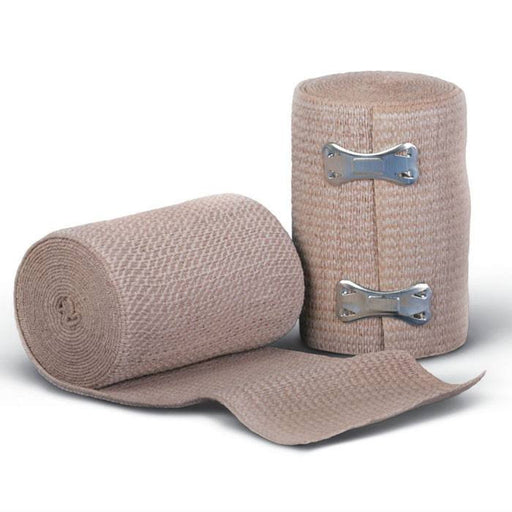
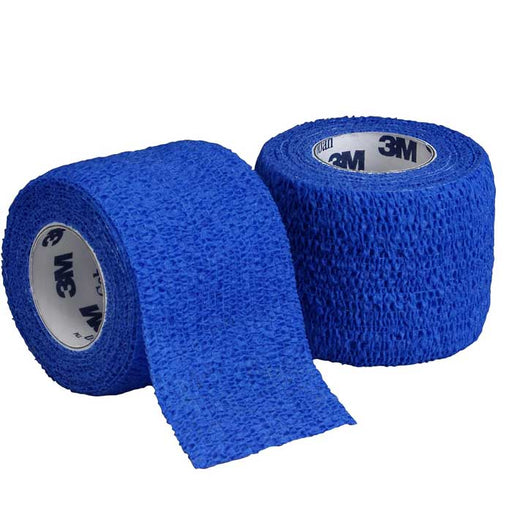
Self-Adhesive (Cohesive) Wrap Bandage – 2″×5 Yards (Tan)
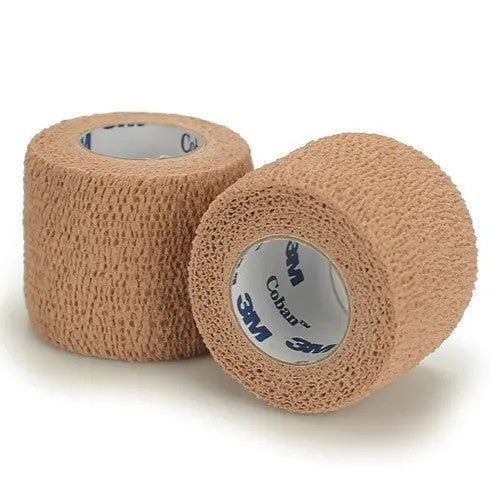
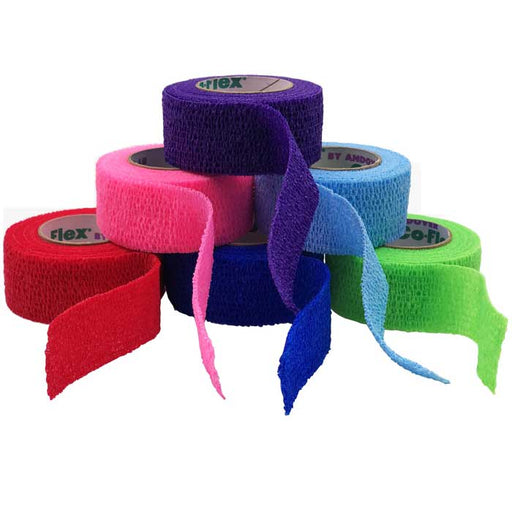
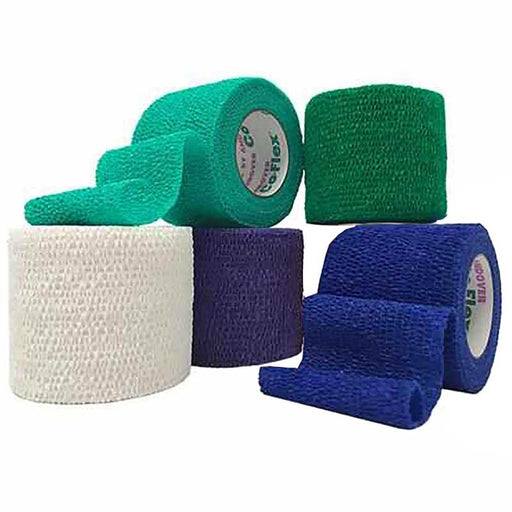
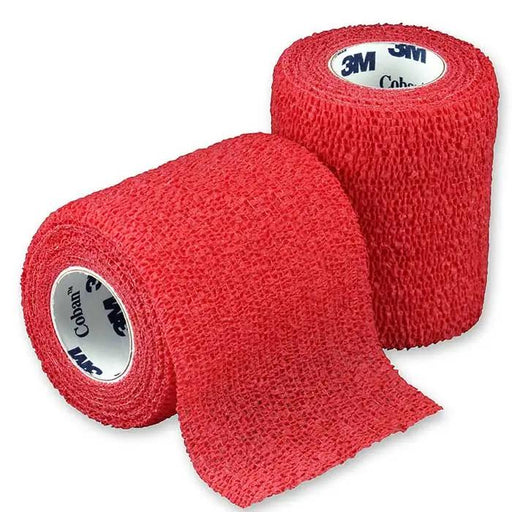
A self-adhesive wrap (also called a cohesive bandage or elastic self-adhesive bandage) is an elastic, non-woven bandage that clings only to itself and not to skin or hair. In other words, when you wrap it around an arm, leg or joint, the layers stick together without any pins, clips or adhesive tape. According to the manufacturer (3M), this 2″-wide Coban®-style wrap “sticks to itself without need for adhesive, pins or clips”. Because of this cohesive coating, the bandage stays firmly in place under movement or moisture, but can be removed painlessly (since it does not adhere to the skin). The material is lightweight and porous (breathable), so it feels comfortable during wear and allows air circulation under the wrapper.
Key Features: The tan 2″×5 yd bandage has these properties:
-
Self-adheres/cohesive: Bonds only to itself, not to skin or hair (no glue needed). Once applied, the wrap “stays in place” without slipping, yet peels off cleanly.
-
Elastic and stretchy: Made of elastic fibers (typically viscose/polyester blend), it can stretch to conform tightly around limbs. The material is hand-tearable for quick use (no scissors needed), and because it’s soft and breathable, it adapts smoothly to body contours.
-
Compression support: Provides firm compression. As 3M notes, Coban wraps are used “to secure dressings and other devices; compress or protect wound sites; immobilize injuries”. In practice, the bandage helps control swelling, hold pads or ice packs in place, and support injured joints.
-
Easy tear & reuse: The open-weave fabric is designed to tear by hand, allowing easy customization of length. (Many wraps can be re-used on the same patient as long as they remain cohesive.)
-
Latex-free option: Most modern cohesive wraps use a synthetic cohesive (acrylic or polyisoprene) rather than natural latex, making them safe for latex-sensitive patients.
-
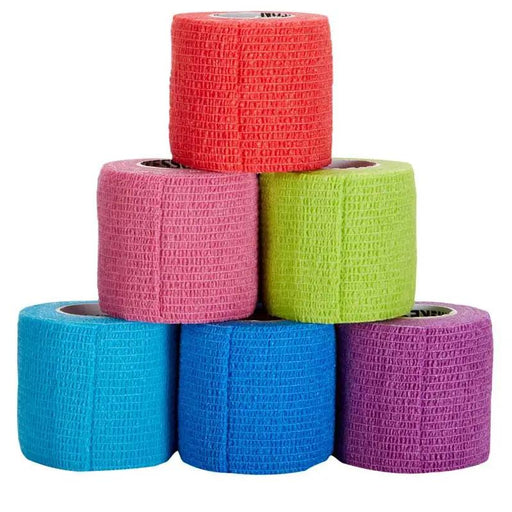
Tan (skin-tone) color: The tan (beige) color blends with many skin tones. Cohesive wraps commonly come in tan/brown and white; tan is often chosen for everyday use (white is frequently reserved for surgical settings).
-
Dimensions: 2 inches (≈5 cm) wide and 5 yards (≈4.6 m) long. This standard size is suitable for wrapping ankles, wrists, thumbs, lower legs and similar areas. (Cohesive wraps often come in widths from 1″ to 4″; this 2″ bandage is versatile for many body parts.)
-
Non-sterile, external-use: Like most compression wraps, this bandage is non-sterile (intended for external support) – it should be applied over a dressing or padding if covering a wound.
Uses and Applications:
Self-adhesive wraps are very versatile. They are used both in medical care and in sports:
-
Securing dressings: Wrap over gauze or cotton to hold a primary dressing in place without sticking tape to skin. For example, after a blood draw or small cut, a cohesive wrap can compress the site (via a cotton ball or gauze pad) to stop bleeding, but will not pull off delicate skin when changed.
-
Compression and swelling: Provide even compression on ankles, forearms, calves etc., to reduce swelling from sprains, strains or chronic edema. The elastic support can moderately restrict motion of a weak joint (like a sprained wrist or knee) to aid healing.
-
Sports support: Widely used by athletes for joint support (ankle, wrist) and to hold padding in place. For example, soccer players use wide cohesive wrap under shin guards, and rugby players secure ear guards or protect fingers. The bandage’s stretch and stickiness allow it to stay on during intense activity.
-
Post-procedural care: In hospitals, cohesive wraps secure IV or catheter sites (over tape/dressings) without causing tape skin injury. They are also applied over warm or cold packs to keep them in contact.
-
Veterinary use: The same concept applies to animals. (In horses, “Vetrap” is a well-known cohesive leg wrap that doesn’t stick to hair.) The tan/wheat color even matches many equine bandages.
-
General first aid: Any situation where you need a quick, adjustable wrap – in first aid kits for sprains, bites, or bruises – benefit from this bandage type.
How to Apply (Usage Instructions):
Follow these general steps to use a 2″ cohesive wrap effectively:
-
Prepare the area: Make sure the skin is clean and dry. If there is a wound, cover it first with a sterile gauze pad and secure lightly (e.g. with paper tape). Remove any tight clothing or jewelry from the area to be wrapped.
-
Anchor the bandage: Unroll the end of the wrap and place it on one side of the limb/joint. Wrap once around the limb to anchor the bandage. For example, loop around an ankle or wrist to fix the starting point.
-
Wrap with overlap: Continue wrapping in the same direction, overlapping each previous layer by about 50% of the bandage width. For a 2″ bandage, overlap by about 1″ on each turn. Maintain moderate tension on the bandage – firm enough to compress, but not so tight that it cuts off circulation. Check distal circulation (e.g. toe/finger color and warmth) periodically.
-
Cover desired area: Work the wrap evenly over the entire area you want to support (for compression, cover the region of swelling or injury). If the bandage runs out, you can start another piece by overlapping ends. The wrap is easily torn by hand if you need to end mid-way – simply pinch and tear the fabric.
-
Secure the end: When you reach the end of coverage, press the loose end of the bandage onto the wrapped area; the cohesive coating will bond to the underlying layer and hold itself. No clips or tape are needed. If needed, you can cut the bandage with scissors, but usually you just tear and press to secure.
-
Adjust as needed: After application, move the limb gently and ensure the wrap does not slip. If it feels too loose, add another turn overlapped. If too tight (numbness, tingling, or color change), remove and re-wrap with less tension.
-
Removal: To remove, simply peel the wrap off (it will not stick to skin or hair). Because it is cohesive, removal is painless – there’s no sticky residue. You can either discard or reuse the bandage (for the same patient) as long as it still clings.
Precautions:
Do not apply cohesive wrap directly on open wounds, mucous membranes or sensitive skin (always have a dressing/barrier under it if covering a wound). Because cohesive wraps are elastic, avoid wrapping so tightly that blood flow is cut off – leave a finger’s width of space. If the wrap causes any numbness or color change, rewrap more loosely. Keep the wrap clean; it can be removed, washed gently (mild soap), and reused for the same person while it still sticks. Store the bandage in a dry, clean place. If latex allergies are a concern, ensure the product is labeled latex-free (most modern wraps like this one are synthetic).