Solu-Medrol 125 mg Injection
(Methylprednisolone Sodium Succinate)
Solu-Medrol is a water-soluble corticosteroid injection (methylprednisolone sodium succinate) used for rapid, high-dose steroid therapy. It works like cortisol (a glucocorticoid), altering gene expression to suppress inflammation and immune responses. Because it is very soluble in water, Solu-Medrol can be given intravenously or intramuscularly to achieve high blood levels quick.
Uses
Solu-Medrol is indicated when immediate steroid effect is needed in serious conditions (often in hospitalized patients). Typical uses include:
-
Severe allergic reactions: Anaphylaxis, severe asthma attacks, drug or transfusion reactions (when other treatments fail).
-
Dermatologic flare-ups: Stevens–Johnson syndrome, pemphigus, severe contact dermatitis, exfoliative dermatitis, etc.
-
Endocrine disorders: Acute adrenal insufficiency (added as cortisol replacement), congenital adrenal hyperplasia crisis.
-
Gastrointestinal disease: To “tide over” acute flares of inflammatory bowel disease (e.g. ulcerative colitis, Crohn’s) during critical periods.
-
Hematologic disorders: Autoimmune hemolytic anemia, idiopathic thrombocytopenic purpura (IV use), pure red cell aplasia, or other severe blood issues.
-
Neoplastic diseases: Adjunctive therapy for leukemias or lymphomas (palliative symptom control).
-
Neurologic/Respiratory: Cerebral edema (from brain tumors or trauma), acute MS exacerbations, transverse myelitis, severe pulmonary diseases (sarcoidosis, acute eosinophilic pneumonia), etc.
-
Rheumatic disorders: Acute gouty arthritis, severe rheumatoid arthritis flares, systemic lupus erythematosus, polymyalgia rheumatica, temporal arteritis, etc.
-
Miscellaneous: Trichinosis with neurologic involvement, tuberculous meningitis (with appropriate anti-TB drugs), etc.
(In practice, Solu-Medrol is reserved for life-threatening or disabling flares of inflammation. In less acute situations, oral steroids would be preferred. The above examples come from the official FDA labeling.
Administration and Dosage
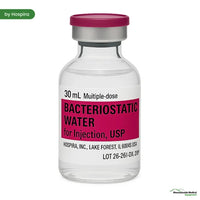
Solu-Medrol 125 mg comes as a sterile freeze-dried powder in a single-use vial (Act-O-Vial). After reconstitution with the supplied diluent, the final solution is 40 mg/mL (total 3.125 mL for 125 mg). The vial is intended for single use; do not mix with other medications. Use the accompanying diluent (or sterile water/bacteriostatic saline) and inject solution into the vial to reconstitute; shake gently until dissolved.
-
Route: Intravenous (IV) injection or infusion is preferred for emergencies. Intramuscular (IM) injection is an alternative if IV access is not available, but IV gives faster, more controllable dosing. Never administer Solu-Medrol epidurally or into the spine, as this has caused serious neurologic injury and death.
-
Typical dosing: The dose of Solu-Medrol varies by condition and severity. For moderate acute flares, IV boluses of 10–40 mg are common. For severe, life-threatening situations, very high doses may be used: for example, the label recommends 30 mg/kg IV over 30 minutes (up to multi-gram doses) every 4–6 hours for 48 hours in critical acute conditions. (In practice, this might translate to 1–2 g IV in a large adult.) In asthma exacerbations, some protocols use 125 mg IV every 6 hours; others now use 40–80 mg every 6–8 hours. After initial control, therapy is usually switched to an oral steroid taper.
-
Duration: High-dose IV therapy is generally limited to a few days (often 2–5 days); after that, either taper steroids or convert to oral therapy. Do not stop abruptly after prolonged high-dose use; taper gradually to allow the adrenal glands to recover.
(Always follow a physician’s dosing regimen. The examples above are typical regimens; actual doses should be tailored to the patient and monitored.)
Side Effects
Solu-Medrol has the same side effects as other systemic corticosteroids. In general, a single 125 mg injection (or a short course) may cause transient symptoms like insomnia, mood changes, or elevated blood sugar. With repeated or long-term use, the effects become more pronounced. Common and important adverse effects include:
-
Metabolic/endocrine: Fluid retention and weight gain; hypertension; hyperglycemia (steroid-induced high blood sugar) – diabetics need close monitoring. Cushingoid features (fat redistribution, “moon face”) can develop with ongoing therapy. Prolonged use causes adrenal insufficiency (the body’s cortisol production shuts down), so doses must be tapered gradually.
-
Cardiovascular: Corticosteroids can cause hypokalemia (low potassium) and, when given rapidly at high dose, can precipitate arrhythmias or cardiac arrest. (Notably, very fast IV injection of >0.5 g led to bradycardia and arrest in some cases.) Monitor blood pressure and electrolytes in at-risk patients.
-
Immune suppression: Increased susceptibility to infection – latent infections (e.g. TB, herpes) can worsen, and new infections (bacteria, fungi, viruses) may be more severe. Avoid exposure to chickenpox or measles in susceptible individuals. Vaccines (especially live attenuated) should generally be avoided during high-dose steroid therapy.
-
Gastrointestinal: Increased appetite and potential for gastric irritation. Risk of peptic ulcer or GI bleeding is increased, particularly if used with NSAIDs.
-
CNS/Psychiatric: Insomnia, nervousness, headache, or euphoria can occur. Some patients experience mood swings, anxiety, or depression. Very high doses can rarely trigger “steroid psychosis” (manic or psychotic symptoms).
-
Musculoskeletal: Long-term use causes bone loss (osteoporosis) with fracture risk. Avascular necrosis (osteonecrosis) of femoral head is a serious risk after high-dose therapy. Myopathy (muscle weakness) can develop.
-
Skin: Easy bruising, skin thinning, acne, and delayed wound healing. Injection-site reactions (pain or burning) are common. IV Solu-Medrol can cause a transient burning or tingling sensation (especially in the perineal area) after injection.
-
Endocrine: Menstrual irregularities in women; suppressed growth in children with chronic use.
-
Ocular: Prolonged therapy may lead to cataracts (posterior subcapsular) and increased intraocular pressure (glaucoma). Eye exams are advised if used repeatedly.
-
Other: Cushingoid appearance (“moon face”), hirsutism (excess hair), sodium retention, and potassium loss. Rarely, severe allergic reaction (anaphylaxis) to injected drug components can occur.
Injection-specific: After an IV bolus, some patients describe a warm flushing or perineal burning (short-lived). A “post-injection flare” of local joint inflammation can happen if discontinuing multiple joint injections, but that’s more with joint use.
(The list above is not exhaustive. See medication guides for full details. The cited sources list many known steroid effects.
Precautions and Warnings
-
Contraindications: Do not use Solu-Medrol in patients with systemic fungal infections or known hypersensitivity to methylprednisolone or any component (including lactose in some vials). Also contraindicated for intrathecal (spinal) administration.
-
Injection safety: Only administer Solu-Medrol via approved routes (IV or IM). Do not inject into the spine (epidural/intrathecal) – this has led to strokes, paralysis, and death. If injecting into a joint or muscle, use aseptic technique.
-
Benzyl alcohol: Some formulations contain benzyl alcohol as a preservative. Do not use benzyl alcohol–preserved Solu-Medrol in neonates or pregnant women, due to “gasping syndrome” (a potentially fatal neonatal metabolic acidosis). (Use preservative-free vials for infants/children.)
-
Infection risk: Avoid use in patients with untreated systemic infections (viral, bacterial, fungal, or parasitic). Be cautious if there is recent live vaccination or exposure to infectious diseases.
-
Glucose monitoring: Steroids raise blood sugar; monitor diabetics closely and adjust insulin/oral agents.
-
Hypertension/Heart disease: Watch for fluid retention, hypertension, or worsening heart failure. High doses can exacerbate these conditions.
-
Bone and Mineral: Consider calcium/vitamin D supplementation if long-term therapy is needed, and monitor bone density, since osteoporosis is a risk.
-
Adrenal suppression: Prolonged or high-dose therapy suppresses the body’s cortisol production. If therapy exceeds a few weeks, taper gradually. In times of stress (illness, surgery), an “extra” stress dose of steroids may be required.
-
Eye health: Monitor for glaucoma or cataracts with repeated use.
-
Pregnancy and breastfeeding: Corticosteroids can cause birth defects (cleft palate) in animals. Use in pregnancy only if the benefit justifies the risk. Infants born to mothers on steroids should be monitored for adrenal insufficiency. Methylprednisolone is excreted in breast milk; caution if nursing.
-
Pediatrics: Growth retardation can occur. Use lowest effective dose and monitor growth in children.
-
Elderly: Use with caution; older patients may be more susceptible to side effects (osteoporosis, hypertension, diabetes complications).
-
Drug interactions: Steroids interact with many drugs (e.g. warfarin, NSAIDs, diuretics, vaccines). Review all medications to avoid adverse interactions.
(In summary, Solu-Medrol should be used under close medical supervision, with dosing individualized to the patient. Monitor vital signs, blood glucose, electrolytes, and for signs of infection or other steroid-related effects.)
Summary
Solu-Medrol 125 mg is a potent injectable corticosteroid used for acute, severe inflammatory or allergic conditions. It acts quickly (within 1 hour) when given IV. Clinicians use it in settings like acute asthma exacerbations, anaphylaxis, severe rheumatic flares, and other emergencies. Side effects are those of systemic steroids (weight gain, hypertension, hyperglycemia, infection risk, etc.), and it must be administered by medical professionals. All use should follow prescription guidelines and official dosing recommendations.
 Skip to content