Medical Paper Tape
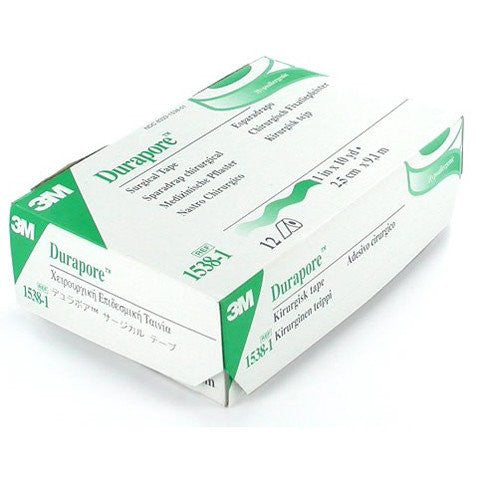
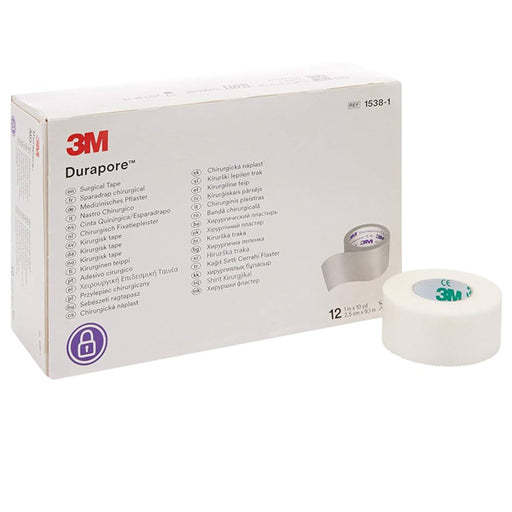
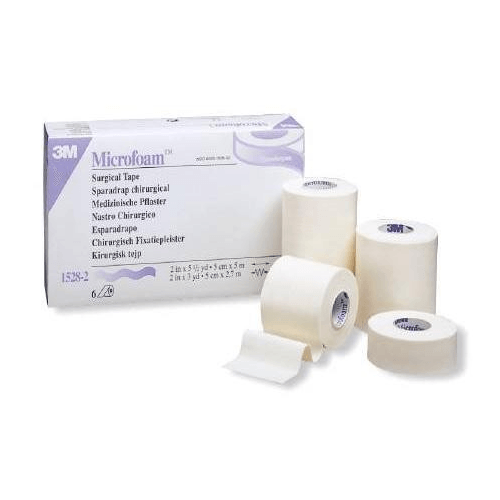
Medical paper tape is a lightweight, breathable surgical tape used to secure dressings and medical devices to the skin. It is often called micropore tape, surgical tape, or simply paper surgical tape. The backing is non-woven paper and the adhesive is a gentle, acrylic pressure-sensitive glue. This design makes the tape thin and conformable, allowing it to wrap easily around fingers, elbows, or other contours.. Because the backing is porous paper, the tape is highly breathable – air and moisture can pass through to help keep the skin dry. Manufacturers describe medical paper tape as hypoallergenic and latex-free, so it adheres with gentle adhesion even on fragile or sensitive skin. In practice, paper tape can be torn by hand (no scissors needed) and removed with minimal skin trauma, making it ideal for frequent dressing changes.
Composition and Features
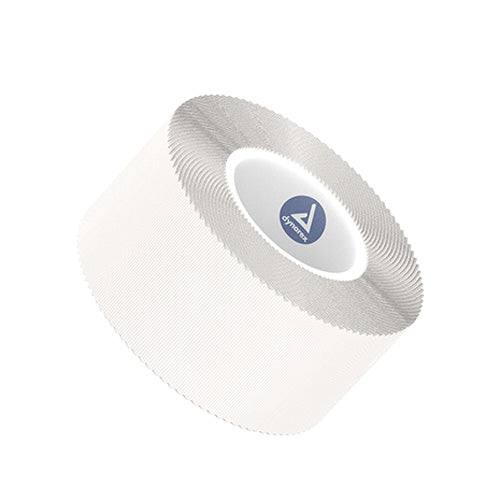
Medical paper tape has a non-woven paper backing coated with a mild, medical-grade adhesive. The non-woven paper is normally white or flesh-colored. It often has tiny perforations or micropores that make it “(micro)porous” – i.e. permeable to air. The adhesive is usually an acrylic resin that provides enough stickiness to hold dressings in place but is formulated to be hypoallergenic. Together, these materials give the tape a number of useful properties:
-
Gentle adhesion on skin. The glue is designed to stick without hurting: it adheres well but can be pulled off without undue pain or skin stripping. It is latex-free and low-allergy, so it is suitable for patients with sensitive skin.
-
Breathable and moisture-friendly. The paper backing allows air circulation, which helps keep the wound area from getting too moist. This helps maintain skin integrity under the tape.
-
Easy to tear/cut. Paper tape can be torn by hand across the width or cut to size, making it convenient to apply in the required length.
-
Conformable. The tape is thin and flexible, so it easily wraps around body parts (fingers, wrists, knee bends, etc.) without bunching or discomfort.
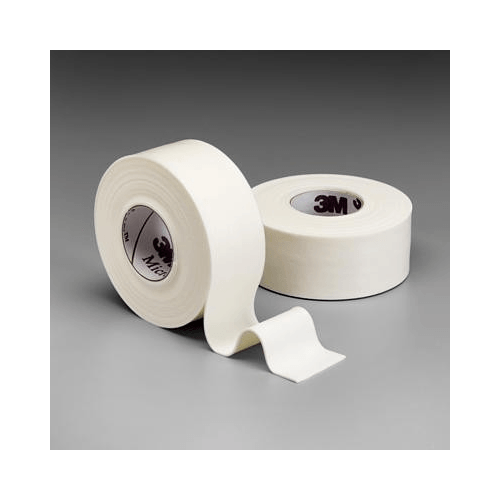
Because of these features, medical paper tape is often preferred when frequent dressing changes are needed or the skin is fragile. For example, 3M’s “Micropore” tape (a common hospital brand) advertises that it is “gentle adhesive that can be easily removed for minimal discomfort” and is “ideal for securing bandages or dressings that must be changed frequently and on sensitive skin.”.
Sizes and Packaging
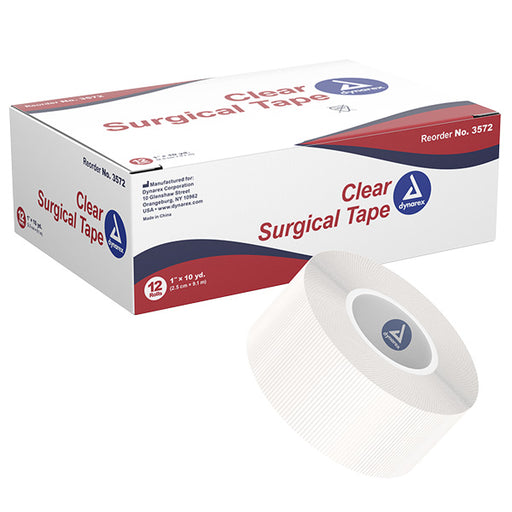
Medical paper tape is sold in fixed-width rolls. Common widths include roughly 1/2 inch, 1 inch, 2 inches, and 3 inches (about 1.25 cm, 2.5 cm, 5 cm, and 7.5 cm). The query’s sizes (1″, 2″, 3″) correspond to approximately 2.5 cm, 5 cm, and 7.6 cm widths. Lengths are typically given in yards or meters; for example, many rolls are about 9.1 meters (10 yards) long. One manufacturer’s data table explicitly lists rolls of 1.25cm, 2.5cm, 5cm, and 7.5cm width on 9.1m (10 yd) lengths. In practice, you might see these tapes sold in individual rolls or in bulk boxes (e.g. 12 or 24 rolls per box). Some come on dispensers, but often the tape is simply on a cardboard core.
Uses and Applications
Medical paper tape is universally used in healthcare to secure dressings, bandages, and lines. Typical applications include:
-
Wound and dressing fixation. Used to hold gauze pads or sterile dressings in place over cuts, surgical wounds, IV sites, or other injuries.
-
Securing devices. Fixation of intravenous (IV) catheters, infusion tubing, monitoring electrodes, oxygen tubing, ostomy pouches, splints, cast padding, and other medical devices or splints to the skin.
-
Frequent changes and sensitive skin. In pediatrics, geriatrics, or dermatology, where bandages must be changed often or the skin is delicate, paper tape is favored because it holds without strong glue and can be removed readily. (For example, 3M’s Nexcare™ Gentle Paper Tape advertises itself as “lightweight, breathable, [and] ideal for securing bandages or dressings that must be changed frequently”.)
-
General use in hospitals and clinics. It is one of the most common tapes in hospitals – nurses and doctors use it in nearly every department because of its versatility.
In use, the procedure is straightforward: clean and dry the skin around the wound, place the dressing, then unroll and tear off the needed length of tape and apply it over the edges of the dressing. Because it is easy-tear, a new strip can be applied quickly without scissors. The tape’s gentle adhesive secures the dressing but can be peeled off without damaging the skin. Its conformability means it can go around joints or contours (e.g. wrap nicely around a finger or knee).
Advantages
Medical paper tape combines several advantages that make it a versatile product:
-
Hypoallergenic and latex-free. Safe for patients with adhesive allergies or latex sensitivity.
-
Breathability. The microporous backing helps the skin “breathe” and can reduce maceration under the tape.
-
Gentle removal. The adhesive is formulated so that multiple changes (e.g. during wound care) do not overly irritate the skin.
-
Adequate adhesion. It provides secure fixation for dressings on most areas (especially on relatively immobile sites or small children). It even holds well on slightly damp skin when needed.
-
Conformability. Because it is thin, it molds to body contours (e.g. around fingers, elbows, or stoma bags) and is comfortable for patients.
-
Convenience and cost. Paper tape is easy to use, inexpensive, and disposable. It’s ideal for informal or emergency use (survival first-aid kits often include it).
Precautions and Considerations
While medical paper tape is very safe and widely used, a few cautions apply:
-
Not for internal or mucosal use. Only use on external skin. Do not use paper tape in the mouth, eyes, or on sensitive mucous membranes.
-
Skin sensitivity. Although hypoallergenic, some patients may still experience mild irritation or allergic contact dermatitis if the tape is left on too long or changed too aggressively. If irritation develops, discontinue or switch to a different tape type.
-
Avoid excessively hairy areas. Using paper tape on very hairy skin can be painful to remove. Shave or use a different tape for heavily hairy areas if possible.
-
Water exposure. Paper tape is moisture-permeable but not fully waterproof. Extended soaking (e.g. in a bath) will weaken the tape. For a waterproof seal, a different tape (e.g. plastic film tape) would be needed.
-
Appropriate use. It is intended for securing dressings and devices, not for mechanical support or compression. Do not use paper tape as a substitute for cohesive bandages or elastic tape when stronger support is required.
In general, medical paper tape is for single-patient, short-term use: apply it to clean, intact skin, and remove it when changing the underlying dressing. To remove tape gently, peel it back over itself at a low angle; if needed, loosen it first with water or adhesive remover to minimize pulling on the skin.
Comparison with Other Tapes
-
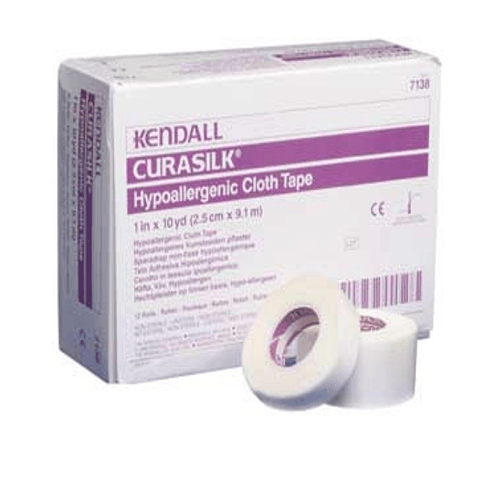
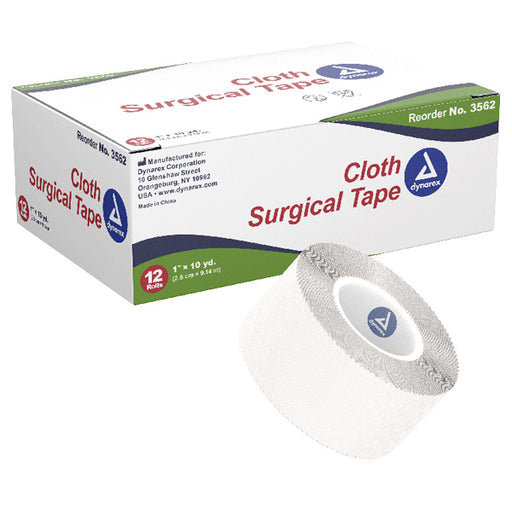
Cloth/Fabric Tape: Generally stronger and more durable than paper tape, but cloth tape can be less breathable and may irritate very sensitive skin. Paper tape is preferred for delicate situations, whereas cloth tape is used when more strength is needed (e.g. securing heavier dressings or tubing).
-
Transparent (Plastic) Tape: Plastic surgical tapes are waterproof and have excellent adhesion, but they are not breathable and can macerate skin if left on too long. By contrast, paper tape is breathable and gentler, though less water-resistant.
-
Kinesiology/Elastic Tape: These stretchy tapes (e.g. for muscle support) are a different category – they are meant for securing joints/muscles in athletic or therapeutic settings. Medical paper tape has no stretch and is purely for fixation of dressings.
Summary
Medical paper tape (often sold as Micropore™ tape) is a thin, breathable adhesive paper tape used to secure wound dressings and medical devices. It is available in widths around 1″, 2″, and 3″ (among others) on typically 10-yard (9.1m) rolls. Because of its hypoallergenic, breathable, and easy-to-tear nature, it is widely used in hospitals and clinics for light-duty fixation – for example, holding gauze, bandages, IV lines, catheters, or removable splints in place. It won’t provide support the way elastic or fabric tape does, but its gentle adhesion causes minimal skin trauma when changed. For routine wound care and dressing changes on sensitive skin, medical paper tape is a standard choice.
 Skip to content