 Skip to content


Filters
Filters
Allergic Reaction Medications for Epinephrine for Injection
-

 Sale 19%
Epinephrine for Injection 1 mL Ampules (1:1000), 10/Box (Rx)
Original price $ 215.95Current price $ 175.002 reviews🔒 Medical License Required -

 Sale
Sale
Epinephrine Injection 10 mg/10 mL Multiple-dose Vial 10 mL by BPI Labs (RX)
$ 129.95🔒 Medical License Required -

 Sale 33%
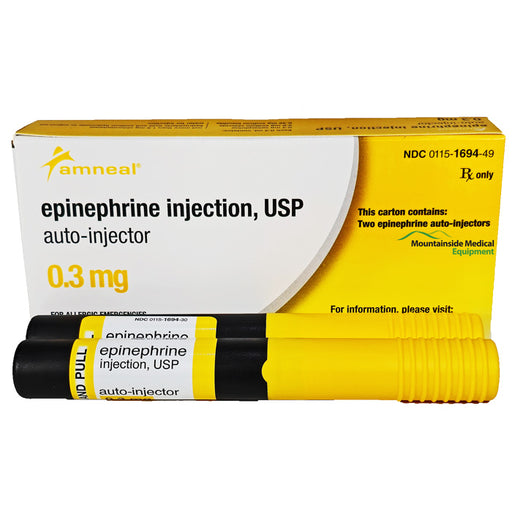
Epinephrine Auto-Injector 0.3 mg Adult Epinephrine Pen (2-Pack) (Rx)
Original price $ 499.00Current price $ 335.001 review🔒 Medical License Required -
 Sale 13%
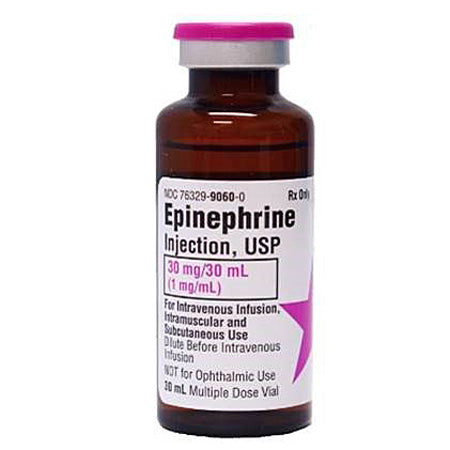
Epinephrine Injection 1 mg/mL Multiple-Dose Vial 30 mL (RX)
Original price $ 429.00Current price $ 375.00🔒 Medical License Required -
 Sale 20%
IV Bags, Adrenalin (Epinephrine in 0.9% Sodium Chloride Injection) IV Solution 4 mg Per 250 mL x 10/Case (RX)
Original price $ 1,495.00Current price $ 1,199.00🔒 Medical License Required -
 Sale 23%
Epinephrine Convenience Kit with Syringe, Prep Pads (Rx)
Original price $ 38.95Current price $ 29.951 review🔒 Medical License Required


People Also Searched For
Allergic Reaction Medications
Medications for allergic reactions work by blocking histamine or other inflammatory mediators or by reducing immune responses. Common categories include:
-
Antihistamines (H₁ blockers): These prevent histamine from causing allergy symptoms. Examples include diphenhydramine (Benadryl) and chlorpheniramine (older, sedating antihistamines) as well as newer, non-drowsy agents like cetirizine (Zyrtec), loratadine (Claritin) and fexofenadine (Allegra). (Antihistamines are available as pills, liquids, nasal sprays or eye drops.)
-
Decongestants: These shrink swollen nasal tissues and ease congestion. For example, pseudoephedrine (Sudafed) or phenylephrine are oral decongestants, and oxymetazoline (Afrin) is a topical nasal spray. (Combo products also exist, e.g. Claritin®-D which contains loratadine + pseudoephedrine.)
-
Corticosteroids: These steroid medications suppress allergic inflammation. Intranasal corticosteroids like fluticasone (Flonase) or mometasone (Nasonex) are first-line for hay fever obstacles. Inhaled steroids (budesonide, fluticasone inhalers) treat allergic asthma, and powerful oral steroids (e.g. prednisone, methylprednisolone) are used for severe or systemic allergies.
-
Leukotriene inhibitors: These block another allergy mediator (leukotrienes). The main example is montelukast (Singulair), a daily pill used for allergic rhinitis and asthma).
-
Mast cell stabilizers: These prevent mast cells from releasing histamine. For instance, cromolyn sodium (available as a nasal spray or eye drops) is used prophylactically to reduce allergy symptoms when exposed to triggers.
-
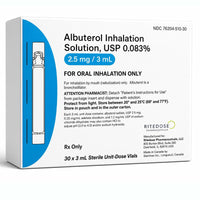
Bronchodilators (beta-agonists): While not direct “anti-allergy” drugs, these inhalers relieve bronchospasm from allergic asthma. Short-acting inhaled beta-agonists like albuterol (ProAir, Ventolin) relax the airways when wheezing or tightness occurs.
-
Epinephrine (adrenaline): For life-threatening allergic reactions (anaphylaxis), injectable epinephrine is the drug of choice. Auto-injectors (e.g. EpiPen, Auvi-Q, Adrenaclick) deliver a fixed dose of epinephrine that rapidly opens airways and raises blood pressure. Patients with severe food, insect or drug allergies carry an epinephrine pen at all times.
Each of these medication types targets a different aspect of the allergic response. For example, antihistamines block histamine’s effects to reduce itching, sneezing and hives, whereas steroids reduce overall inflammation. In practice, mild to moderate allergy symptoms are managed with antihistamines, decongestants and nasal steroids, whereas epinephrine is reserved for anaphylaxis. Leukotriene modifiers and mast-cell stabilizers are additional options for chronic allergy control or asthma.