
Filters
- 0.9% benzyl alcohol (1)
- Aesthetic Supplies MedSpa Supplies & Cosmetic Surgery Supplies (1)
- Bac (1)
- bac water (1)
- Bacterio (1)
- bacteriostatic (1)
- bacteriostatic water (1)
- Diluent (4)
- dilution (1)
- doctor-only (10)
- Hospira Pfizer (4)
- Multiple dose Sterile water (1)
- Multiple Dose Vial (1)
- reconstitution (1)
- Sale (1)
- Static water (1)
- sterile water (1)
- Sterile Water For Injection (8)
- sterile water injection (2)
- water for diluting (2)
- water for injection (6)
- Hospira Vials (2)
- Injectable (1)
- Injection Vials (2)
- Sterile water 20 ml (1)
- Sterile water Injection (3)
- 50 ml (1)
- Intramuscular (1)
- Intravenous (3)
- Single-use (1)
- Sterle Water for Injection (1)
- Glass Vials (1)
- Single Dose (2)
- Sterile Vials (1)
- Sterile Water 100 ml (1)
- 10 ml (1)
- 10 ml Sterile water (1)
- Sterile Water 10 ml (1)
- Sterile Water Injection (1)
- Sterile Water 5 mL (1)
- Bag (1)
- bags (1)
- Dehydration (1)
- Hydration (1)
- IV (1)
- IV Bag (2)
- Iv Bags (1)
- Iv Solution (1)
- IV Sterile Water (1)
- IV Water (1)
- Rehydration (1)
- Severe Dehydration (1)
- Water IV (1)
- flush syringes (1)
- prefilled syringe (1)
- prefilled syringes (1)
- Syringes (1)
- Diluentant (1)
- Single Dose Vial (1)
- Infusion Therapy (1)
Bacteriostatic Water and Sterile Water for Injection
Bacteriostatic Water
Bacteriostatic Water for Injection is sterile, non-pyrogenic water that contains 0.9% benzyl alcohol as a preservative. It is intended only for injection use – specifically as a diluent or solvent to dissolve or dilute injectable medications. The benzyl alcohol acts as a bacteriostatic agent, meaning it inhibits (but does not kill) bacterial growth in the solution. This preservative property allows a single vial to be used for multiple withdrawals (i.e. multi-dose) under sterile technique. (By contrast, plain sterile water for injection contains no preservative and is meant for single-use only.)
Key Features
- Composition: Bacteriostatic water contains 0.9% (9 mg/mL) benzyl alcohol in USP-grade sterile water. This matches official guidelines (for example, Hospira’s package insert).
- Purpose: It is used to reconstitute dry (lyophilized) drugs or dilute concentrated injectable drugs according to the drug manufacturer’s instructions. For example, many powdered antibiotics, hormones (like peptides), or vaccines require a diluent to prepare a dose. Healthcare providers draw the needed amount of bacteriostatic water to dissolve the medication before injecting it intravenously (IV), intramuscularly (IM), or subcutaneously (SC).
- Multi-dose Vial: Because of the benzyl alcohol preservative, bacteriostatic water typically comes in larger vials (commonly 30 mL plastic vials) that remain sterile for multiple uses. Each time a dose is withdrawn with a sterile needle, the benzyl alcohol prevents microbial contamination from multiplying in the vial. (If opened and stored properly, the vial can often be used for days or weeks – usually up to 28 days – until the expiration date, as long as sterility is maintained.)
- Not a Medication By Itself: Bacteriostatic water has no pharmacological effect other than serving as a vehicle. It does not contain electrolytes or other drugs, and it will not treat any condition on its own.
Uses and Applications
- Drug Reconstitution: Commonly, bacteriostatic water is used to prepare injections of medications that come as dry powders or highly concentrated solutions. The amount used depends on the drug’s guidelines. For instance, a vial of peptide or vaccine may instruct “add 2 mL of sterile water” – in such cases bacteriostatic water can be used if suitable.
- Dilution for Injection: It can also dilute liquid concentrates (such as certain hormone or fertility drugs) to the correct dose before injection. Once mixed, the final solution should be approximately isotonic if given IV (meaning it should contain appropriate solute concentration for safety).
- Multi-route: After reconstitution, the resulting mixture can be administered IV, IM, or SC per the drug’s instructions. (However, note that when injecting intramuscularly or subcutaneously, any trace preservative is generally well tolerated; the main caution is with IV use, as below.)
- Not for Drinking or Large-volume IV: Bacteriostatic water is only for injectable pharmaceuticals, not for hydration or oral use. It should never be administered intravenously by itself, because it contains no salts and is hypotonic. IV injection of plain water – even with a little benzyl alcohol – can cause red blood cells to swell and burst (hemolysis). Similarly, it’s not meant for large-volume IV infusion.
Safety and Precautions
- Aseptic Technique: Always use sterile gloves and needles when withdrawing from the vial. Bacteriostatic vials allow multiple entries, but each entry must be done with a new sterile syringe/needle to avoid introducing pathogens. Discard the vial when its expiration or recommended in-use period is reached.
- Not for Neonates: Because benzyl alcohol can be toxic to very young infants (it has been linked to “gasping syndrome” and other serious effects), bacteriostatic water must never be used for neonates or newborn medications. In those cases, preservative-free sterile water for injection (without benzyl alcohol) is required.
- Allergies: Patients with a known allergy to benzyl alcohol or similar preservatives should not receive medications reconstituted with bacteriostatic water.
- Label Warnings: The official product label explicitly warns not to inject bacteriostatic water by itself into the bloodstream. It also notes that it is for diluting or dissolving drugs per their instructions – meaning you should only use it if the medication specifically allows it. Some medications (especially certain biologicals or vaccines) require saline or preservative-free water, so always follow the drug manufacturer’s guidance.
- Environmental Conditions: Store unopened vials at controlled room temperature (typically 20–25 °C) as directed. Do not freeze. After opening, keep the rubber stopper clean and recap it. If you see any cloudiness, discoloration, or particulates in the water, do not use it.
In summary: Bacteriostatic water is essentially sterile water for injection with 0.9% benzyl alcohol added. It is used as a diluent to reconstitute or dilute injectable medications, allowing multi-dose use thanks to its preservative. It is not a drug by itself and must be used exactly as instructed (with sterile technique and appropriate medications). Because it contains benzyl alcohol, it is contraindicated in newborns and should not be injected into the bloodstream alone
-
 Sale 25%
Original price $ 415.00Current price $ 313.00
Sale 25%
Original price $ 415.00Current price $ 313.00Bacteriostatic Water Injection by Hospira, Multiple Dose Vials 30 mL 25/Pack (Rx)
1115 reviewsBacteriostatic Water for Injection is a pharmaceutical-grade sterile diluent formulated with 0.9% benzyl alcohol as a preservative, enabling safe m...
View full details🔒 Medical License Required -
 Sale 20%
Original price $ 275.00Current price $ 219.00
Sale 20%
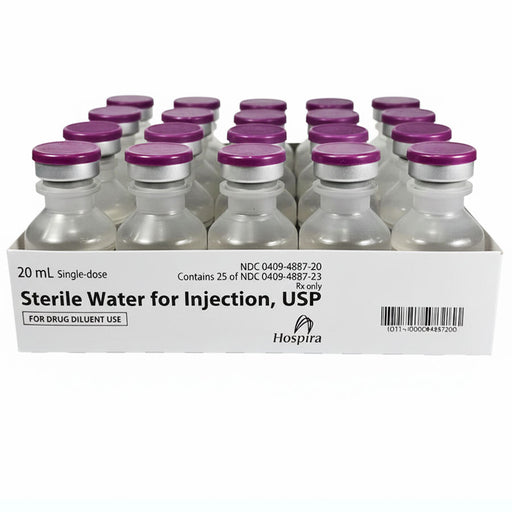
Original price $ 275.00Current price $ 219.00Sterile Water Injection 20 mL Single-Dose Vials by Hospira 25/Tray (Rx)
54 reviewsSterile Water for Injection 20 mL by Pfizer is a pharmaceutical-grade solvent used to dilute or dissolve medications for injection. It is employed ...
View full details🔒 Medical License Required -
 Sale 8%
Original price $ 399.00Current price $ 369.00
Sale 8%
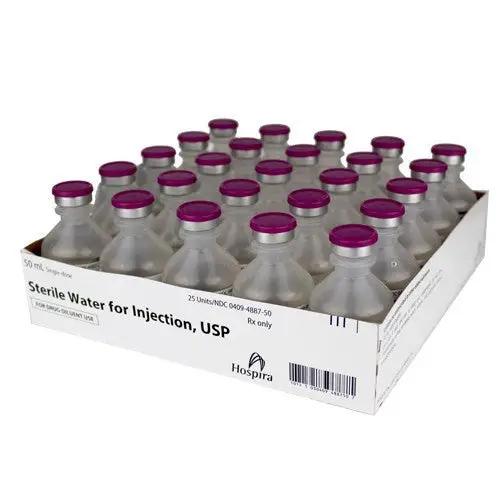
Original price $ 399.00Current price $ 369.00Sterile Water for Injection 50 mL Single-Use Vials, 25/Tray (Rx)
30 reviewsSterile Water for Injection 50 mL Single-Use Vials are used as a solvent or diluent for the preparation of medications for injection. These vials p...
View full details🔒 Medical License Required -
 Sale 15%
Original price $ 445.00Current price $ 379.00
Sale 15%
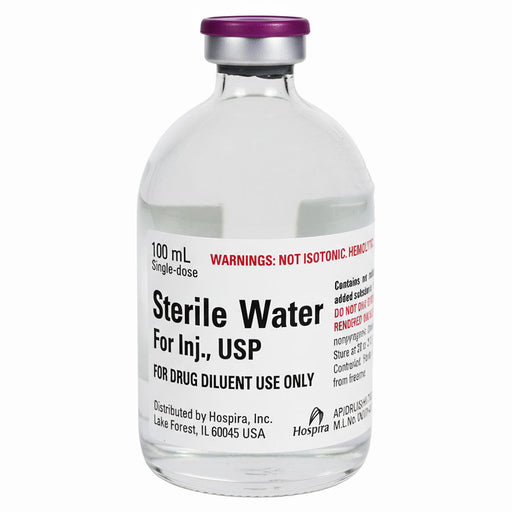
Original price $ 445.00Current price $ 379.00Sterile Water for Injection 100 mL Glass Vials, 25/Tray (Rx)
1 reviewSterile Water for Injection 100 mL Glass Vials are used as a solvent or diluent for the preparation of medications intended for injection. This ste...
View full details🔒 Medical License Required -
 Sale 25%
Original price $ 219.95Current price $ 165.00
Sale 25%
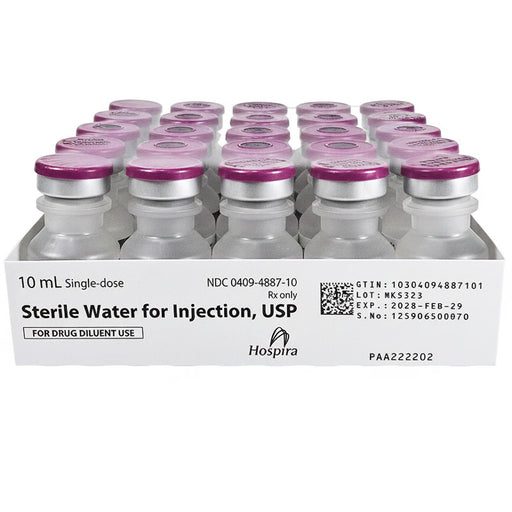
Original price $ 219.95Current price $ 165.00Sterile Water for Injection 10 ml Single-Dose Vials 25/Tray by Hospira (Rx)
3 reviewsHospira Sterile Water for Injection is a pharmaceutical-grade, non-pyrogenic sterile water intended for use as a solvent or diluent for the prepara...
View full details🔒 Medical License Required -
 Sale 5%
Original price $ 169.00Current price $ 159.99
Sale 5%
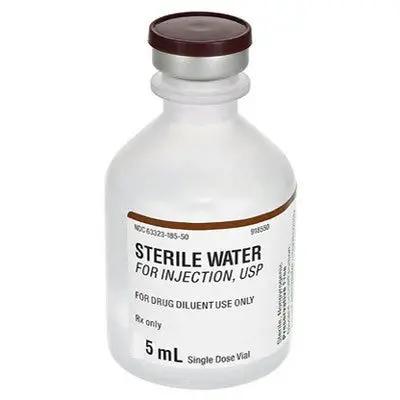
Original price $ 169.00Current price $ 159.99Sterile Water for Injection 5 mL Single Dose Vials, 25/Pack (Rx)
1 reviewSterile Water for Injection 5 mL is a sterile, single-use solution that is used to dilute and reconstitute medications for injection. It is water t...
View full details🔒 Medical License Required -
 Sale 35%
Original price $ 199.99Current price $ 129.00
Sale 35%
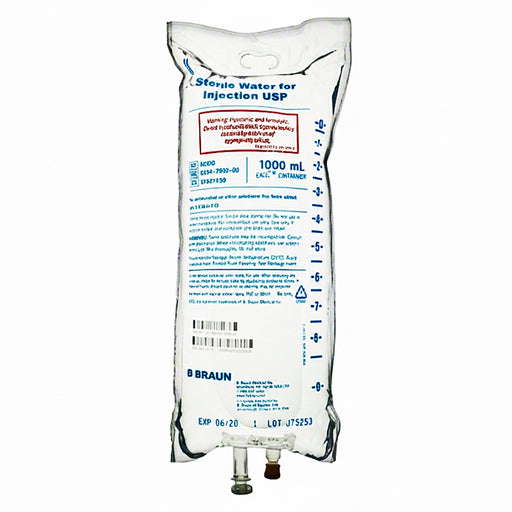
Original price $ 199.99Current price $ 129.00IV Bags, Sterile Water for Injection 1000 mL by B Braun (12/Case) (Rx)
2 reviewsSterile Water for Injection IV Bags 1000 mL by B. Braun is a pharmaceutical-grade, nonpyrogenic water meant for intravenous use, primarily as a sol...
View full details🔒 Medical License Required -
 Sale 36%
Original price $ 54.95Current price $ 35.00
Sale 36%
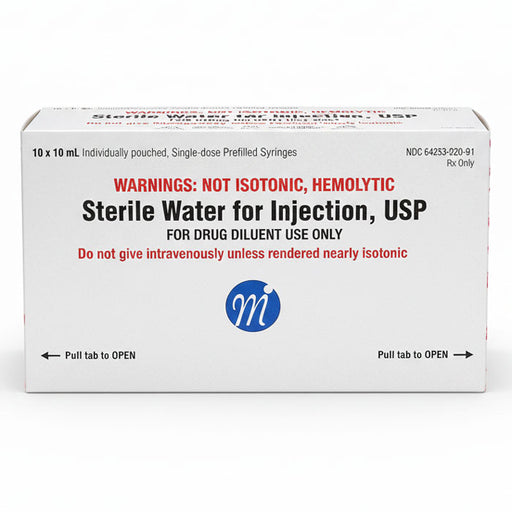
Original price $ 54.95Current price $ 35.00Sterile Water for Injection Prefilled Syringes 10 mL Single-Dose, 10/Box Medefil (Rx)
No reviewsMedefil Prefilled Sterile Water for Injection Syringes 10 mL. Medefil prefilled sterile water for injection syringes are designed for single use on...
View full details🔒 Medical License Required -
 Sale 16%
Original price $ 94.00Current price $ 78.60
Sale 16%
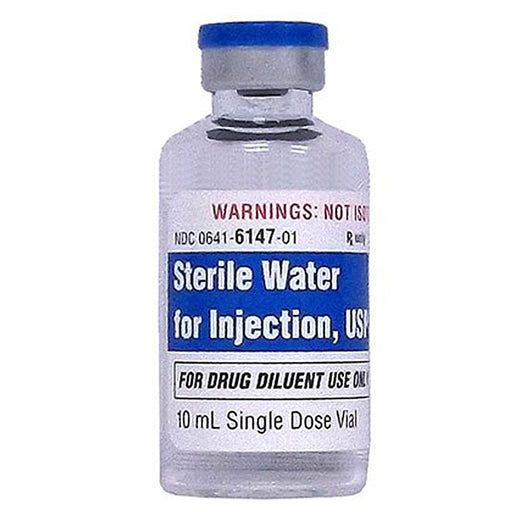
Original price $ 94.00Current price $ 78.60Sterile Water for Injection 10 mL Vials, 10/Pack (Rx)
No reviewsSterile Water for Injection is a clear, colorless, and sterile liquid used for medical purposes. It is made by purifying and sterilizing water, and...
View full details🔒 Medical License Required -
 Sale 24%
Original price $ 235.00Current price $ 179.00
Sale 24%
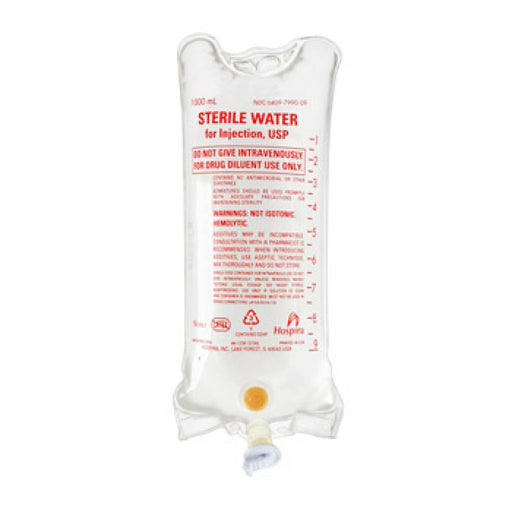
Original price $ 235.00Current price $ 179.00IV Bag Sterile Water for Injection Solution 1000ml, 12/Case (Rx)
11 reviewsSterile Water 1000mg IV bag used for intravenous use. Sterile water iv solution is a sterile, nonpyrogenie solution. Single-use container. Note: Th...
View full details🔒 Medical License Required

People Also Searched For
Bacteriostatic Water
Bacteriostatic Water for Injection is sterile, non-pyrogenic water that contains 0.9% benzyl alcohol as a preservative. It is intended only for injection use – specifically as a diluent or solvent to dissolve or dilute injectable medications. The benzyl alcohol acts as a bacteriostatic agent, meaning it inhibits (but does not kill) bacterial growth in the solution. This preservative property allows a single vial to be used for multiple withdrawals (i.e. multi-dose) under sterile technique. (By contrast, plain sterile water for injection contains no preservative and is meant for single-use only.)
Key Features
- Composition: Bacteriostatic water contains 0.9% (9 mg/mL) benzyl alcohol in USP-grade sterile water. This matches official guidelines (for example, Hospira’s package insert).
- Purpose: It is used to reconstitute dry (lyophilized) drugs or dilute concentrated injectable drugs according to the drug manufacturer’s instructions. For example, many powdered antibiotics, hormones (like peptides), or vaccines require a diluent to prepare a dose. Healthcare providers draw the needed amount of bacteriostatic water to dissolve the medication before injecting it intravenously (IV), intramuscularly (IM), or subcutaneously (SC).
- Multi-dose Vial: Because of the benzyl alcohol preservative, bacteriostatic water typically comes in larger vials (commonly 30 mL plastic vials) that remain sterile for multiple uses. Each time a dose is withdrawn with a sterile needle, the benzyl alcohol prevents microbial contamination from multiplying in the vial. (If opened and stored properly, the vial can often be used for days or weeks – usually up to 28 days – until the expiration date, as long as sterility is maintained.)
- Not a Medication By Itself: Bacteriostatic water has no pharmacological effect other than serving as a vehicle. It does not contain electrolytes or other drugs, and it will not treat any condition on its own.
Uses and Applications
- Drug Reconstitution: Commonly, bacteriostatic water is used to prepare injections of medications that come as dry powders or highly concentrated solutions. The amount used depends on the drug’s guidelines. For instance, a vial of peptide or vaccine may instruct “add 2 mL of sterile water” – in such cases bacteriostatic water can be used if suitable.
- Dilution for Injection: It can also dilute liquid concentrates (such as certain hormone or fertility drugs) to the correct dose before injection. Once mixed, the final solution should be approximately isotonic if given IV (meaning it should contain appropriate solute concentration for safety).
- Multi-route: After reconstitution, the resulting mixture can be administered IV, IM, or SC per the drug’s instructions. (However, note that when injecting intramuscularly or subcutaneously, any trace preservative is generally well tolerated; the main caution is with IV use, as below.)
- Not for Drinking or Large-volume IV: Bacteriostatic water is only for injectable pharmaceuticals, not for hydration or oral use. It should never be administered intravenously by itself, because it contains no salts and is hypotonic. IV injection of plain water – even with a little benzyl alcohol – can cause red blood cells to swell and burst (hemolysis). Similarly, it’s not meant for large-volume IV infusion.
Safety and Precautions
- Aseptic Technique: Always use sterile gloves and needles when withdrawing from the vial. Bacteriostatic vials allow multiple entries, but each entry must be done with a new sterile syringe/needle to avoid introducing pathogens. Discard the vial when its expiration or recommended in-use period is reached.
- Not for Neonates: Because benzyl alcohol can be toxic to very young infants (it has been linked to “gasping syndrome” and other serious effects), bacteriostatic water must never be used for neonates or newborn medications. In those cases, preservative-free sterile water for injection (without benzyl alcohol) is required.
- Allergies: Patients with a known allergy to benzyl alcohol or similar preservatives should not receive medications reconstituted with bacteriostatic water.
- Label Warnings: The official product label explicitly warns not to inject bacteriostatic water by itself into the bloodstream. It also notes that it is for diluting or dissolving drugs per their instructions – meaning you should only use it if the medication specifically allows it. Some medications (especially certain biologicals or vaccines) require saline or preservative-free water, so always follow the drug manufacturer’s guidance.
- Environmental Conditions: Store unopened vials at controlled room temperature (typically 20–25 °C) as directed. Do not freeze. After opening, keep the rubber stopper clean and recap it. If you see any cloudiness, discoloration, or particulates in the water, do not use it.
In summary: Bacteriostatic water is essentially sterile water for injection with 0.9% benzyl alcohol added. It is used as a diluent to reconstitute or dilute injectable medications, allowing multi-dose use thanks to its preservative. It is not a drug by itself and must be used exactly as instructed (with sterile technique and appropriate medications). Because it contains benzyl alcohol, it is contraindicated in newborns and should not be injected into the bloodstream alone
Bacteriostatic Water Uses
Bacteriostatic Water for Injection is sterile water containing 0.9% benzyl alcohol preservative (some vials use 1.1%). Its sole intended use is as a diluent/solvent for injectable medications. In other words, it is used only to dissolve or dilute drugs for IV, IM or subcutaneous injection. Clinicians draw out the required volume to reconstitute powdered drugs or dilute concentrated injectables per the drug’s instructions. Common examples include reconstituting lyophilized antibiotics, peptide or hormone therapies (e.g. growth hormone, insulin analogs), vaccines, and other parenteral drugs before administering them.
-
Multi-dose vials and bacteriostatic preservative: Bacteriostatic water is supplied in multi-use vials (typically 30 mL). Because of the 0.9% benzyl alcohol, bacterial growth is inhibited, so the opened vial remains sterile for multiple transfers (usually up to ~28 days if kept sealed and refrigerated). This lets healthcare providers withdraw several doses from one container. (By contrast, plain Sterile Water for Injection has no preservative and must be used as a single dose.) The product label explicitly notes that the vial “may be made to dilute or dissolve drugs for injection” and is designed for repeated withdrawals.
-
Primary use – Reconstituting injectable drugs: In practice, bacteriostatic water is used whenever a medication’s manufacturer directs to reconstitute or dilute an injectable drug. For example, a powdered antibiotic or peptide vial instructions may say “add X mL sterile water for injection.” In many cases, practitioners use bacteriostatic water (when allowed) so that one vial can serve multiple doses. After adding the prescribed volume, the medication is drawn into a syringe and injected IV, IM or SC as directed. The final reconstituted solution must be roughly isotonic – that is, it should have appropriate salt content – because bacteriostatic water alone is hypotonic. Indeed, the label warns that injecting bacteriostatic water intravenously by itself may cause red blood cell lysis. In other words, it should only be used as a vehicle for other drugs, not as fluid replacement. The prescribing information explicitly states it must be made approximately isotonic prior to use.
-
IV flushes and analgesic effect: Besides drug mixing, bacteriostatic water (and saline with benzyl alcohol) is often used as an IV flush solution to keep catheters or infusion lines patent. The benzyl alcohol preservative helps maintain sterility of the line between uses. Anecdotally, benzyl alcohol also has a mild local anesthetic effect. For example, one clinical study found that pre-injecting 0.9% benzyl alcohol solution (bacteriostatic saline) greatly reduced propofol injection pain compared to placebo. This reflects the benzyl alcohol in the solution, but such use is incidental – the main intended role of bacteriostatic water is diluting drugs.
-
Important precautions: Bacteriostatic water is not for use in certain situations. It should never be given to neonates or infants, because benzyl alcohol can cause serious toxicity (the “gasping syndrome” in preterm babies). For neonatal medications, preservative-free sterile water must be used instead. Likewise, it should not be used for epidural or spinal (neuraxial) injections, or as a general IV fluid; the label specifically warns against epidural/spinal anesthesia and fluid replacement with benzyl-alcohol-containing solutions. In short, only dilute with bacteriostatic water if the drug’s instructions explicitly allow it.
-
Summary: Bacteriostatic Water for Injection is essentially a reusable sterile water diluent due to its benzyl alcohol preservative. It’s used to prepare injectable medications safely for administration (IV/IM/SC). Its key advantages are prolonged sterility (multi-dose use) and slight anesthetic effect, but it must be used correctly: always dilute drugs per guidelines, ensure the final solution is isotonic, and heed contraindications (no neonates, no intrathecal use).
Bacteriostatic Water Dosage
Bacteriostatic Water for Injection is simply sterile water containing 0.9% benzyl alcohol as a preservative. It comes in a multi‐dose 30 mL vial (plastic, flip‐top) from which you can withdraw multiple aliquots. Because of the benzyl alcohol, it suppresses bacterial growth so opens wells can be reused. The water has no other active drug; it is intended only as a diluent for injectable medications.
“Dosage” (volume) use: There is no fixed “dose” of bacteriostatic water in the usual sense. Instead, the amount of water used depends entirely on the drug or peptide being reconstituted. In practice, this means you use the volume specified by the medication’s instructions. For example, if a vial of powder says “add 2 mL bacteriostatic water to reconstitute,” then the “dose” is 2 mL. Different drugs will require different volumes (often 0.5–3 mL for small-volume injections, or more for larger doses). In all cases you should follow the manufacturer’s directions – as one medical reference notes, “the volume of the preparation to be used for diluting or dissolving any drug for injection is dependent on the vehicle concentration, dose and route… as recommended by the manufacturer” .
Safety and precautions: Because pure bacteriostatic water is hypotonic, it should not be injected alone intravenously (doing so can cause red cell hemolysis). It is normally withdrawn, mixed with the drug, and then that mixture is injected (usually intramuscularly or subcutaneously, as indicated for the drug). Always use aseptic technique and inspect the solution for particulates as with any parenteral product.
Importantly, neonates and infants: The benzyl alcohol preservative is toxic to newborns. Bacteriostatic water “is not used for neonatal medications because of possible blood pressure changes and toxicity of benzyl alcohol”. In fact, studies show that even ~9 mL in a 6 kg infant can cause hypotension. Therefore only preservative‐free sterile water should be used for neonates. In adults and older children, the total volume used should also stay within safe limits – animal studies suggest up to about 30 mL (the full vial) can be given to an adult without benzyl-alcohol toxicity, but one should still use only the amount needed and discard the rest if sterility is lost.
Summary: In short, bacteriostatic water itself has no dosage beyond the volume you need to mix your drug. It is a diluent, not a medication. Use exactly the volume specified for your medication (consult the drug’s label or prescribing information). Keep in mind it comes as a 30 mL multi-use vial, should not be used in newborns, and should not be injected intravenously by itself due to its hypotonicity. Always adhere to the guidelines above and the drug manufacturer’s instructions when preparing injections with bacteriostatic water.
Bacteriostatic Water Side Effects
Bacteriostatic water (sterile water + 0.9% benzyl alcohol) is not a drug itself, so it generally causes no intrinsic systemic effects in adults. In practice, any “side effects” are usually due to injection technique, contamination, or the medication it’s mixed with. Reported issues include:
- Injection‐site reactions: Pain, tenderness, redness or swelling at the injection site. In rare cases, improper technique or contamination can lead to a sterile abscess, tissue necrosis, or phlebitis (inflamed vein). A febrile response (transient fever) may occur if aseptic technique isn’t followed.
- Infection risk: Though the benzyl alcohol preservative inhibits bacterial growth in the vial, any lapse in sterility (dirty needle, etc.) can introduce pathogens. If contaminated, bacteriostatic water can transmit infection or cause an abscess. (These effects are really due to contamination, not the water itself.)
- Allergic/hypersensitivity reactions: True allergy to benzyl alcohol is uncommon, but possible. Patients sensitive to preservatives may develop a skin rash, itching or, very rarely, a systemic reaction. (These events are not well-reported for bacteriostatic water specifically, but benzyl alcohol hypersensitivity can occur.)
- Hemolysis (red blood cell destruction): Important: Bacteriostatic water is a hypotonic solution. If injected intravenously by itself (no drug dissolved), it can cause red blood cells to swell and lyse (burst) due to osmotic imbalance. Therefore it should never be used as a plain IV fluid – only used to reconstitute or dilute medications, which typically make the final mixture isotonic.
- Neonatal toxicity (“Gasping Syndrome”): Contraindication in newborns. The benzyl alcohol preservative can accumulate in infants, causing severe toxicity. Newborns (especially preterm) lack the ability to metabolize benzyl alcohol, leading to metabolic acidosis, respiratory distress, hypotension and (in reported cases) the often-fatal “gasping syndrome.” For this reason, only preservative-free sterile water (no benzyl alcohol) is used in pediatric or neonatal care.
- Other systemic effects (rare): Adults typically clear small amounts of benzyl alcohol without issue. If very large volumes were mistakenly injected, theoretical effects could include CNS depression, low blood pressure or breathing changes, but such overdoses are not reported at normal doses.
In summary, bacteriostatic water itself has essentially no pharmacologic side effects in adults when used properly. The main concerns are local injection reactions, infection risk if sterility is breached, and mis‐use (e.g. IV bolus without dilution causing hemolysis). The benzyl alcohol preservative is generally safe at the tiny doses used for diluting medications in adults, but it poses severe risk to neonates. Always use aseptic technique and follow drug guidelines when reconstituting injectables with bacteriostatic water.
- Bacteriostatic Water for Injection: USP-grade sterile water containing 0.9% benzyl alcohol preservative for multi-dose use
- Trusted Brands: Hospira (Pfizer) bacteriostatic water meeting pharmaceutical quality standards
- Vial Sizes Available: 3ml, 10ml, and 30ml bacteriostatic water vials for varied clinical needs
- Multi-Dose Capability: Benzyl alcohol preservative allows repeated sterile withdrawals up to 28 days after opening
- Wholesale Pricing: Bulk bacteriostatic water available in 25-packs and case quantities for healthcare facilities
- Licensed Professional Use: Intended for qualified healthcare providers, clinics, hospitals, EMS, medspas, and institutional buyers
- Free Shipping: Orders over $100 qualify for complimentary US shipping
- Hospira Bacteriostatic Water 3ml: Compact vial size for reconstituting smaller medication volumes
- Hospira Bacteriostatic Water 10ml: Standard vial size commonly specified in drug reconstitution protocols
- Hospira Bacteriostatic Water 30ml: Larger multi-dose vial for high-volume clinical applications
- Bacteriostatic Water 25-Packs: Hospira bac water multi-vial packs for clinic and facility stock
- Bulk Bacteriostatic Water Cases: Wholesale case quantities for hospitals and institutional purchasing
| Product Type | Composition | Preservative | Multi-Dose Use | Neonatal Use |
|---|---|---|---|---|
| Bacteriostatic Water | Sterile water + 0.9% benzyl alcohol | Yes | Yes (up to 28 days) | Contraindicated |
| Sterile Water for Injection | Sterile water only | No | Single-use only | Safe for neonates |
| Sodium Chloride 0.9% | Sterile water + sodium chloride | Varies (check label) | Depends on formulation | Safe when preservative-free |
- Medication Reconstitution: Dissolving lyophilized antibiotics, corticosteroids, peptides, and other injectable drugs
- Injectable Dilution: Diluting concentrated liquid medications to appropriate dosing volumes
- Emergency Medical Services: Preparing epinephrine, lidocaine, and other EMS injectables in pre-hospital settings
- Aesthetic Medicine: Reconstituting peptide therapies and compounds used in medspa and anti-aging protocols
- Compounding Pharmacy: Preparing customized injectable formulations and sterile compounds
- Veterinary Medicine: Reconstituting animal medications for intramuscular, subcutaneous, and intravenous administration
- Hospital Pharmacy: Standard diluent for routine drug preparation and medication compounding
This product is intended for use by qualified healthcare professionals or under the guidance of a licensed medical provider. It is not a substitute for professional medical advice, diagnosis, or treatment.
- Check Drug Instructions: Always verify the medication's package insert specifies bacteriostatic water as an acceptable diluent
- Neonatal Contraindication: Never use bacteriostatic water for newborns or premature infants; select preservative-free sterile water instead
- Volume Requirements: Choose 3ml vials for small reconstitution volumes, 10ml for standard protocols, 30ml for high-volume clinical use
- Multi-Dose vs. Single-Use: Select bacteriostatic water when multiple withdrawals are needed; use plain sterile water for immediate single-use applications
- Bulk Purchasing: Order 25-packs or cases for facilities with routine bacteriostatic water requirements to reduce per-unit cost
- Preservative Sensitivity: Confirm the patient has no benzyl alcohol allergy before using medications reconstituted with bacteriostatic water
- Route of Administration: Verify the drug's approved administration routes. Some intrathecal, epidural, or intracisternal medications require preservative-free diluents
- Wholesale Bacteriostatic Water Supplier: Mountainside Medical Equipment provides bulk pricing for healthcare facilities and institutional buyers
- Licensing Requirement: Purchase restricted to licensed healthcare professionals and registered medical facilities. License verification required
- Free Shipping: Orders over $100 qualify for complimentary standard shipping within the United States
- Bulk Configurations: Hospira bac water available in individual vials, 25-packs, and case quantities for volume purchasing
- Order Methods: Call +1 (888) 687-4334 or email sales@mountainside-medical.com for quotes and wholesale bacteriostatic water pricing
- Stock Availability: Maintained inventory of 3ml, 10ml, and 30ml Hospira bacteriostatic water for immediate fulfillment
- Delivery Timeframe: Fast US shipping with tracking. Contact our team for expedited delivery options on bulk bacteriostatic water orders
For Healthcare Professional Use Only
Bacteriostatic water for injection is intended for use by qualified healthcare professionals or under the guidance of a licensed medical provider. It is not a substitute for professional medical advice, diagnosis, or treatment. Always follow the specific drug manufacturer's instructions for reconstitution and administration when using bacteriostatic water as a diluent.
Safety Information
Bacteriostatic water contains benzyl alcohol as a preservative. It is contraindicated for use in neonates and premature infants due to the risk of serious adverse reactions, including gasping syndrome. Never administer bacteriostatic water intravenously by itself; it is intended only as a diluent for medications that are subsequently administered per their approved routes and dosing. Some medications require preservative-free diluents; consult the drug's package insert to verify compatibility before use.
Licensing Requirement
Purchase of bacteriostatic water for injection requires a valid medical license or institutional healthcare credential. Mountainside Medical Equipment verifies licensure to ensure compliance with applicable regulations and to support safe, appropriate use of medical products.
Product Information
The information provided on this page is for educational purposes and is based on the manufacturer's specifications and United States Pharmacopeia standards for bacteriostatic water for injection. For complete prescribing information, storage requirements, and safety data, refer to the official Hospira bacteriostatic water package insert or contact our medical affairs team.
-
What is bacteriostatic water used for?
Bacteriostatic water for injection is used to reconstitute lyophilized (freeze-dried) medications or dilute concentrated injectable drugs according to the drug manufacturer's instructions. Healthcare professionals use bacteriostatic water to prepare antibiotics, peptides, corticosteroids, vaccines, and other injectable medications for intravenous, intramuscular, or subcutaneous administration. The benzyl alcohol preservative allows multi-dose use, meaning a single vial can be accessed multiple times over several weeks using sterile technique.
-
Can bacteriostatic water be used for babies or neonates?
No. Bacteriostatic water must never be used for neonates, newborns, or premature infants. The benzyl alcohol preservative in bacteriostatic water has been linked to serious adverse effects including "gasping syndrome," metabolic acidosis, and neurological complications in this age group. For medications intended for neonatal use, healthcare professionals must use preservative-free sterile water for injection instead.
-
How long does bacteriostatic water last after opening?
When stored properly and accessed using aseptic technique, bacteriostatic water typically remains usable for up to 28 days after the first withdrawal. Each access must be performed with a new, sterile needle and syringe to prevent microbial contamination. Always inspect the solution before use—discard any vial showing cloudiness, discoloration, particulate matter, or damage to the container. Never use bacteriostatic water past its labeled expiration date.
-
What is the difference between bacteriostatic water and sterile water?
Bacteriostatic water contains 0.9% benzyl alcohol as a preservative, which inhibits bacterial growth and allows multi-dose use over several weeks. Sterile water for injection contains no preservative and is intended for single-use only—any remaining solution must be discarded after the vial is opened and accessed. Additionally, bacteriostatic water is contraindicated for neonates due to benzyl alcohol toxicity, while preservative-free sterile water is safe for this population.
-
Where can I buy bacteriostatic water for peptides?
Licensed healthcare professionals can purchase bacteriostatic water for peptide reconstitution from Mountainside Medical Equipment. We supply Hospira bacteriostatic water in 3ml, 10ml, and 30ml vials, as well as bulk quantities including 25-packs and cases. Orders over $100 qualify for free shipping. Contact our sales team at +1 (888) 687-4334 or email sales@mountainside-medical.com. Purchase requires valid medical licensure or institutional healthcare credential verification.
-
Can bacteriostatic water be injected intravenously by itself?
No. Bacteriostatic water must never be injected intravenously by itself. It lacks electrolytes and is hypotonic, which can cause red blood cells to swell and rupture (hemolysis) if administered directly into the bloodstream. Bacteriostatic water is intended only as a diluent to reconstitute or dilute medications, which are then administered per the specific drug's approved route and dosing instructions.
-
Do I need a prescription to buy bacteriostatic water?
Purchase of bacteriostatic water for injection requires a valid medical license or institutional healthcare credential. Mountainside Medical Equipment verifies licensure to ensure compliance with applicable regulations. Individual consumers cannot purchase bacteriostatic water without appropriate professional credentials. Healthcare facilities, clinics, hospitals, EMS teams, medspas, dental practices, veterinary facilities, and other licensed providers are eligible to order.
-
What size vials of Hospira bacteriostatic water are available?
Mountainside Medical Equipment stocks Hospira bacteriostatic water in three vial sizes: 3ml for reconstituting smaller medication volumes, 10ml as the standard size commonly specified in drug protocols, and 30ml for high-volume clinical applications. We also offer bulk purchasing options including 25-packs and case quantities for healthcare facilities with routine bacteriostatic water requirements.
-
Is bacteriostatic water the same as sodium chloride 0.9%?
No. Bacteriostatic water contains only sterile water and 0.9% benzyl alcohol preservative. Sodium chloride 0.9% (normal saline) contains sterile water and sodium chloride (salt) to create an isotonic solution. Some formulations of sodium chloride 0.9% may also contain preservatives for multi-dose use, while others are preservative-free single-use vials. The choice between bacteriostatic water and sodium chloride depends on the specific medication's reconstitution requirements—always follow the drug manufacturer's instructions.
-
How should bacteriostatic water be stored?
Store unopened bacteriostatic water vials at controlled room temperature (20–25°C or 68–77°F). Do not freeze. Keep vials in their original packaging until use to protect from light and contamination. Once opened, store the vial at room temperature and access only with sterile needles using aseptic technique. Discard any vial showing signs of contamination, damage, or after 28 days of first use, whichever comes first.
Bacteriostatic Water Uses
Bacteriostatic Water for Injection is sterile water containing 0.9% benzyl alcohol preservative (some vials use 1.1%). Its sole intended use is as a diluent/solvent for injectable medications. In other words, it is used only to dissolve or dilute drugs for IV, IM or subcutaneous injection. Clinicians draw out the required volume to reconstitute powdered drugs or dilute concentrated injectables per the drug’s instructions. Common examples include reconstituting lyophilized antibiotics, peptide or hormone therapies (e.g. growth hormone, insulin analogs), vaccines, and other parenteral drugs before administering them.
-
Multi-dose vials and bacteriostatic preservative: Bacteriostatic water is supplied in multi-use vials (typically 30 mL). Because of the 0.9% benzyl alcohol, bacterial growth is inhibited, so the opened vial remains sterile for multiple transfers (usually up to ~28 days if kept sealed and refrigerated). This lets healthcare providers withdraw several doses from one container. (By contrast, plain Sterile Water for Injection has no preservative and must be used as a single dose.) The product label explicitly notes that the vial “may be made to dilute or dissolve drugs for injection” and is designed for repeated withdrawals.
-
Primary use – Reconstituting injectable drugs: In practice, bacteriostatic water is used whenever a medication’s manufacturer directs to reconstitute or dilute an injectable drug. For example, a powdered antibiotic or peptide vial instructions may say “add X mL sterile water for injection.” In many cases, practitioners use bacteriostatic water (when allowed) so that one vial can serve multiple doses. After adding the prescribed volume, the medication is drawn into a syringe and injected IV, IM or SC as directed. The final reconstituted solution must be roughly isotonic – that is, it should have appropriate salt content – because bacteriostatic water alone is hypotonic. Indeed, the label warns that injecting bacteriostatic water intravenously by itself may cause red blood cell lysis. In other words, it should only be used as a vehicle for other drugs, not as fluid replacement. The prescribing information explicitly states it must be made approximately isotonic prior to use.
-
IV flushes and analgesic effect: Besides drug mixing, bacteriostatic water (and saline with benzyl alcohol) is often used as an IV flush solution to keep catheters or infusion lines patent. The benzyl alcohol preservative helps maintain sterility of the line between uses. Anecdotally, benzyl alcohol also has a mild local anesthetic effect. For example, one clinical study found that pre-injecting 0.9% benzyl alcohol solution (bacteriostatic saline) greatly reduced propofol injection pain compared to placebo. This reflects the benzyl alcohol in the solution, but such use is incidental – the main intended role of bacteriostatic water is diluting drugs.
-
Important precautions: Bacteriostatic water is not for use in certain situations. It should never be given to neonates or infants, because benzyl alcohol can cause serious toxicity (the “gasping syndrome” in preterm babies). For neonatal medications, preservative-free sterile water must be used instead. Likewise, it should not be used for epidural or spinal (neuraxial) injections, or as a general IV fluid; the label specifically warns against epidural/spinal anesthesia and fluid replacement with benzyl-alcohol-containing solutions. In short, only dilute with bacteriostatic water if the drug’s instructions explicitly allow it.
-
Summary: Bacteriostatic Water for Injection is essentially a reusable sterile water diluent due to its benzyl alcohol preservative. It’s used to prepare injectable medications safely for administration (IV/IM/SC). Its key advantages are prolonged sterility (multi-dose use) and slight anesthetic effect, but it must be used correctly: always dilute drugs per guidelines, ensure the final solution is isotonic, and heed contraindications (no neonates, no intrathecal use).
Bacteriostatic Water Dosage
Bacteriostatic Water for Injection is simply sterile water containing 0.9% benzyl alcohol as a preservative. It comes in a multi‐dose 30 mL vial (plastic, flip‐top) from which you can withdraw multiple aliquots. Because of the benzyl alcohol, it suppresses bacterial growth so opens wells can be reused. The water has no other active drug; it is intended only as a diluent for injectable medications.
“Dosage” (volume) use: There is no fixed “dose” of bacteriostatic water in the usual sense. Instead, the amount of water used depends entirely on the drug or peptide being reconstituted. In practice, this means you use the volume specified by the medication’s instructions. For example, if a vial of powder says “add 2 mL bacteriostatic water to reconstitute,” then the “dose” is 2 mL. Different drugs will require different volumes (often 0.5–3 mL for small-volume injections, or more for larger doses). In all cases you should follow the manufacturer’s directions – as one medical reference notes, “the volume of the preparation to be used for diluting or dissolving any drug for injection is dependent on the vehicle concentration, dose and route… as recommended by the manufacturer” .
Safety and precautions: Because pure bacteriostatic water is hypotonic, it should not be injected alone intravenously (doing so can cause red cell hemolysis). It is normally withdrawn, mixed with the drug, and then that mixture is injected (usually intramuscularly or subcutaneously, as indicated for the drug). Always use aseptic technique and inspect the solution for particulates as with any parenteral product.
Importantly, neonates and infants: The benzyl alcohol preservative is toxic to newborns. Bacteriostatic water “is not used for neonatal medications because of possible blood pressure changes and toxicity of benzyl alcohol”. In fact, studies show that even ~9 mL in a 6 kg infant can cause hypotension. Therefore only preservative‐free sterile water should be used for neonates. In adults and older children, the total volume used should also stay within safe limits – animal studies suggest up to about 30 mL (the full vial) can be given to an adult without benzyl-alcohol toxicity, but one should still use only the amount needed and discard the rest if sterility is lost.
Summary: In short, bacteriostatic water itself has no dosage beyond the volume you need to mix your drug. It is a diluent, not a medication. Use exactly the volume specified for your medication (consult the drug’s label or prescribing information). Keep in mind it comes as a 30 mL multi-use vial, should not be used in newborns, and should not be injected intravenously by itself due to its hypotonicity. Always adhere to the guidelines above and the drug manufacturer’s instructions when preparing injections with bacteriostatic water.
Bacteriostatic Water Side Effects
Bacteriostatic water (sterile water + 0.9% benzyl alcohol) is not a drug itself, so it generally causes no intrinsic systemic effects in adults. In practice, any “side effects” are usually due to injection technique, contamination, or the medication it’s mixed with. Reported issues include:
- Injection‐site reactions: Pain, tenderness, redness or swelling at the injection site. In rare cases, improper technique or contamination can lead to a sterile abscess, tissue necrosis, or phlebitis (inflamed vein). A febrile response (transient fever) may occur if aseptic technique isn’t followed.
- Infection risk: Though the benzyl alcohol preservative inhibits bacterial growth in the vial, any lapse in sterility (dirty needle, etc.) can introduce pathogens. If contaminated, bacteriostatic water can transmit infection or cause an abscess. (These effects are really due to contamination, not the water itself.)
- Allergic/hypersensitivity reactions: True allergy to benzyl alcohol is uncommon, but possible. Patients sensitive to preservatives may develop a skin rash, itching or, very rarely, a systemic reaction. (These events are not well-reported for bacteriostatic water specifically, but benzyl alcohol hypersensitivity can occur.)
- Hemolysis (red blood cell destruction): Important: Bacteriostatic water is a hypotonic solution. If injected intravenously by itself (no drug dissolved), it can cause red blood cells to swell and lyse (burst) due to osmotic imbalance. Therefore it should never be used as a plain IV fluid – only used to reconstitute or dilute medications, which typically make the final mixture isotonic.
- Neonatal toxicity (“Gasping Syndrome”): Contraindication in newborns. The benzyl alcohol preservative can accumulate in infants, causing severe toxicity. Newborns (especially preterm) lack the ability to metabolize benzyl alcohol, leading to metabolic acidosis, respiratory distress, hypotension and (in reported cases) the often-fatal “gasping syndrome.” For this reason, only preservative-free sterile water (no benzyl alcohol) is used in pediatric or neonatal care.
- Other systemic effects (rare): Adults typically clear small amounts of benzyl alcohol without issue. If very large volumes were mistakenly injected, theoretical effects could include CNS depression, low blood pressure or breathing changes, but such overdoses are not reported at normal doses.
In summary, bacteriostatic water itself has essentially no pharmacologic side effects in adults when used properly. The main concerns are local injection reactions, infection risk if sterility is breached, and mis‐use (e.g. IV bolus without dilution causing hemolysis). The benzyl alcohol preservative is generally safe at the tiny doses used for diluting medications in adults, but it poses severe risk to neonates. Always use aseptic technique and follow drug guidelines when reconstituting injectables with bacteriostatic water.
- Bacteriostatic Water for Injection: USP-grade sterile water containing 0.9% benzyl alcohol preservative for multi-dose use
- Trusted Brands: Hospira (Pfizer) bacteriostatic water meeting pharmaceutical quality standards
- Vial Sizes Available: 3ml, 10ml, and 30ml bacteriostatic water vials for varied clinical needs
- Multi-Dose Capability: Benzyl alcohol preservative allows repeated sterile withdrawals up to 28 days after opening
- Wholesale Pricing: Bulk bacteriostatic water available in 25-packs and case quantities for healthcare facilities
- Licensed Professional Use: Intended for qualified healthcare providers, clinics, hospitals, EMS, medspas, and institutional buyers
- Free Shipping: Orders over $100 qualify for complimentary US shipping
- Hospira Bacteriostatic Water 3ml: Compact vial size for reconstituting smaller medication volumes
- Hospira Bacteriostatic Water 10ml: Standard vial size commonly specified in drug reconstitution protocols
- Hospira Bacteriostatic Water 30ml: Larger multi-dose vial for high-volume clinical applications
- Bacteriostatic Water 25-Packs: Hospira bac water multi-vial packs for clinic and facility stock
- Bulk Bacteriostatic Water Cases: Wholesale case quantities for hospitals and institutional purchasing
| Product Type | Composition | Preservative | Multi-Dose Use | Neonatal Use |
|---|---|---|---|---|
| Bacteriostatic Water | Sterile water + 0.9% benzyl alcohol | Yes | Yes (up to 28 days) | Contraindicated |
| Sterile Water for Injection | Sterile water only | No | Single-use only | Safe for neonates |
| Sodium Chloride 0.9% | Sterile water + sodium chloride | Varies (check label) | Depends on formulation | Safe when preservative-free |
- Medication Reconstitution: Dissolving lyophilized antibiotics, corticosteroids, peptides, and other injectable drugs
- Injectable Dilution: Diluting concentrated liquid medications to appropriate dosing volumes
- Emergency Medical Services: Preparing epinephrine, lidocaine, and other EMS injectables in pre-hospital settings
- Aesthetic Medicine: Reconstituting peptide therapies and compounds used in medspa and anti-aging protocols
- Compounding Pharmacy: Preparing customized injectable formulations and sterile compounds
- Veterinary Medicine: Reconstituting animal medications for intramuscular, subcutaneous, and intravenous administration
- Hospital Pharmacy: Standard diluent for routine drug preparation and medication compounding
This product is intended for use by qualified healthcare professionals or under the guidance of a licensed medical provider. It is not a substitute for professional medical advice, diagnosis, or treatment.
- Check Drug Instructions: Always verify the medication's package insert specifies bacteriostatic water as an acceptable diluent
- Neonatal Contraindication: Never use bacteriostatic water for newborns or premature infants; select preservative-free sterile water instead
- Volume Requirements: Choose 3ml vials for small reconstitution volumes, 10ml for standard protocols, 30ml for high-volume clinical use
- Multi-Dose vs. Single-Use: Select bacteriostatic water when multiple withdrawals are needed; use plain sterile water for immediate single-use applications
- Bulk Purchasing: Order 25-packs or cases for facilities with routine bacteriostatic water requirements to reduce per-unit cost
- Preservative Sensitivity: Confirm the patient has no benzyl alcohol allergy before using medications reconstituted with bacteriostatic water
- Route of Administration: Verify the drug's approved administration routes. Some intrathecal, epidural, or intracisternal medications require preservative-free diluents
- Wholesale Bacteriostatic Water Supplier: Mountainside Medical Equipment provides bulk pricing for healthcare facilities and institutional buyers
- Licensing Requirement: Purchase restricted to licensed healthcare professionals and registered medical facilities. License verification required
- Free Shipping: Orders over $100 qualify for complimentary standard shipping within the United States
- Bulk Configurations: Hospira bac water available in individual vials, 25-packs, and case quantities for volume purchasing
- Order Methods: Call +1 (888) 687-4334 or email sales@mountainside-medical.com for quotes and wholesale bacteriostatic water pricing
- Stock Availability: Maintained inventory of 3ml, 10ml, and 30ml Hospira bacteriostatic water for immediate fulfillment
- Delivery Timeframe: Fast US shipping with tracking. Contact our team for expedited delivery options on bulk bacteriostatic water orders
For Healthcare Professional Use Only
Bacteriostatic water for injection is intended for use by qualified healthcare professionals or under the guidance of a licensed medical provider. It is not a substitute for professional medical advice, diagnosis, or treatment. Always follow the specific drug manufacturer's instructions for reconstitution and administration when using bacteriostatic water as a diluent.
Safety Information
Bacteriostatic water contains benzyl alcohol as a preservative. It is contraindicated for use in neonates and premature infants due to the risk of serious adverse reactions, including gasping syndrome. Never administer bacteriostatic water intravenously by itself; it is intended only as a diluent for medications that are subsequently administered per their approved routes and dosing. Some medications require preservative-free diluents; consult the drug's package insert to verify compatibility before use.
Licensing Requirement
Purchase of bacteriostatic water for injection requires a valid medical license or institutional healthcare credential. Mountainside Medical Equipment verifies licensure to ensure compliance with applicable regulations and to support safe, appropriate use of medical products.
Product Information
The information provided on this page is for educational purposes and is based on the manufacturer's specifications and United States Pharmacopeia standards for bacteriostatic water for injection. For complete prescribing information, storage requirements, and safety data, refer to the official Hospira bacteriostatic water package insert or contact our medical affairs team.
-
What is bacteriostatic water used for?
Bacteriostatic water for injection is used to reconstitute lyophilized (freeze-dried) medications or dilute concentrated injectable drugs according to the drug manufacturer's instructions. Healthcare professionals use bacteriostatic water to prepare antibiotics, peptides, corticosteroids, vaccines, and other injectable medications for intravenous, intramuscular, or subcutaneous administration. The benzyl alcohol preservative allows multi-dose use, meaning a single vial can be accessed multiple times over several weeks using sterile technique.
-
Can bacteriostatic water be used for babies or neonates?
No. Bacteriostatic water must never be used for neonates, newborns, or premature infants. The benzyl alcohol preservative in bacteriostatic water has been linked to serious adverse effects including "gasping syndrome," metabolic acidosis, and neurological complications in this age group. For medications intended for neonatal use, healthcare professionals must use preservative-free sterile water for injection instead.
-
How long does bacteriostatic water last after opening?
When stored properly and accessed using aseptic technique, bacteriostatic water typically remains usable for up to 28 days after the first withdrawal. Each access must be performed with a new, sterile needle and syringe to prevent microbial contamination. Always inspect the solution before use—discard any vial showing cloudiness, discoloration, particulate matter, or damage to the container. Never use bacteriostatic water past its labeled expiration date.
-
What is the difference between bacteriostatic water and sterile water?
Bacteriostatic water contains 0.9% benzyl alcohol as a preservative, which inhibits bacterial growth and allows multi-dose use over several weeks. Sterile water for injection contains no preservative and is intended for single-use only—any remaining solution must be discarded after the vial is opened and accessed. Additionally, bacteriostatic water is contraindicated for neonates due to benzyl alcohol toxicity, while preservative-free sterile water is safe for this population.
-
Where can I buy bacteriostatic water for peptides?
Licensed healthcare professionals can purchase bacteriostatic water for peptide reconstitution from Mountainside Medical Equipment. We supply Hospira bacteriostatic water in 3ml, 10ml, and 30ml vials, as well as bulk quantities including 25-packs and cases. Orders over $100 qualify for free shipping. Contact our sales team at +1 (888) 687-4334 or email sales@mountainside-medical.com. Purchase requires valid medical licensure or institutional healthcare credential verification.
-
Can bacteriostatic water be injected intravenously by itself?
No. Bacteriostatic water must never be injected intravenously by itself. It lacks electrolytes and is hypotonic, which can cause red blood cells to swell and rupture (hemolysis) if administered directly into the bloodstream. Bacteriostatic water is intended only as a diluent to reconstitute or dilute medications, which are then administered per the specific drug's approved route and dosing instructions.
-
Do I need a prescription to buy bacteriostatic water?
Purchase of bacteriostatic water for injection requires a valid medical license or institutional healthcare credential. Mountainside Medical Equipment verifies licensure to ensure compliance with applicable regulations. Individual consumers cannot purchase bacteriostatic water without appropriate professional credentials. Healthcare facilities, clinics, hospitals, EMS teams, medspas, dental practices, veterinary facilities, and other licensed providers are eligible to order.
-
What size vials of Hospira bacteriostatic water are available?
Mountainside Medical Equipment stocks Hospira bacteriostatic water in three vial sizes: 3ml for reconstituting smaller medication volumes, 10ml as the standard size commonly specified in drug protocols, and 30ml for high-volume clinical applications. We also offer bulk purchasing options including 25-packs and case quantities for healthcare facilities with routine bacteriostatic water requirements.
-
Is bacteriostatic water the same as sodium chloride 0.9%?
No. Bacteriostatic water contains only sterile water and 0.9% benzyl alcohol preservative. Sodium chloride 0.9% (normal saline) contains sterile water and sodium chloride (salt) to create an isotonic solution. Some formulations of sodium chloride 0.9% may also contain preservatives for multi-dose use, while others are preservative-free single-use vials. The choice between bacteriostatic water and sodium chloride depends on the specific medication's reconstitution requirements—always follow the drug manufacturer's instructions.
-
How should bacteriostatic water be stored?
Store unopened bacteriostatic water vials at controlled room temperature (20–25°C or 68–77°F). Do not freeze. Keep vials in their original packaging until use to protect from light and contamination. Once opened, store the vial at room temperature and access only with sterile needles using aseptic technique. Discard any vial showing signs of contamination, damage, or after 28 days of first use, whichever comes first.