
Filters
Availability
Price
$
-
$
$0
$43
Vendor
Collection
Tags
- Barrier Mouth Shiled (1)
- Breathe (1)
- Bulk (1)
- CPR Barrier Mask (4)
- CPR Face Shield (1)
- CPR Mask (10)
- CPR Resuscitation (9)
- Mouth to Mouth (1)
- Mouthpiece (1)
- Quicksaver (1)
- Resuscitate (1)
- Revive (1)
- cardiopulmonary resuscitation (5)
- Manual Resuscitation (7)
- Narcan (1)
- Pocket Mask (1)
- Resuscitation Mask (2)
- cpr (3)
- cpr face mask (5)
- CPR face shield (3)
- cpr face shield (1)
- Keychain (1)
- CPR Maks (1)
- HUD5372 (2)
- Resuscitation Bag (4)
- Ambu Bag (1)
- Lifesaver (1)
- Manual Resuscitation Bag (1)
- Manual Resuscitator (1)
- Live Saving Mask (1)
- Clasp (1)
- CPR face shields (1)
- Key Chain (1)
- Adult Mask (1)
- Resuscitator Mask (1)
- 4055-10 (1)
- barrier (1)
- CPR Shield (1)
- mouth barrier (1)
- mouth to mouth (1)
- Emergency Medical Supplies (1)
- first responder (1)
- Cpr Rescue (1)
- Emergency CPR (1)
- first aid (1)
- first aid supplies (1)
- Rescue Mask (1)
- CPR Poster (1)
- Education (1)
- How to perform CPR (1)
- Instructional Poster (1)
- Kid CPR Maks (1)
- Pediatric Resuscitator Mask (1)
- airway device (3)
- Airway obstruction (3)
- Airways (3)
- Anaesthetic (2)
- Curved Laryngeal Mask (2)
- Airway Management (1)
- Airway Tool (1)
- Airway Tube (1)
- Berman (1)
- Berman Airways (1)
- Clear airways (1)
- Open Airways (1)
- Oropharyngeal (1)
- Oropharyngeal Airway (1)
- Remove secrections from Airways (1)
CPR Masks, CPR Shields, Bag Valve Masks
A CPR mask (also known as a pocket mask or rescue mask) is a small, portable, and reusable medical device designed to provide a barrier between the rescuer and the patient during cardiopulmonary resuscitation (CPR), specifically during rescue breaths (mouth-to-mouth ventilation). It is a key part of basic and advanced first aid and is widely used by lay rescuers, first responders, and medical professionals.
What Does a CPR Mask Do?
- Protects Both Parties: The mask prevents direct contact with the patient’s mouth, nose, and face, reducing the risk of transmission of infectious diseases (such as HIV, hepatitis, and other pathogens) between rescuer and victim.
- Delivers Effective Ventilation: Designed to fit over the victim's mouth and nose, it directs air (blown in by the rescuer) into the patient’s lungs more efficiently than mouth-to-mouth, especially when the victim is not breathing adequately.
Features of a CPR Mask
- One-Way Valve: Most CPR masks have a built-in one-way valve that allows breath to enter the victim while preventing their breath, saliva, blood, or vomit from reaching the rescuer.
- Flexible, Clear Dome: The mask is usually made of clear plastic so you can see the patient's lips and mouth; it easily conforms to the victim’s face.
- Oxygen Inlet Port: Some models have a port for supplemental oxygen from a tank or bag, increasing the concentration of oxygen delivered.
- Compact Design: Folds into a hard plastic carrying case—small enough for a keychain, first aid kit, or pocket.
How to Use a CPR Mask
- Position the Patient: Lay the patient on their back, open the airway (head tilt-chin lift).
- Attach the Mask: Place the mask over the patient’s nose and mouth, ensuring a good seal.
- Kneel Beside the Patient: Tilt the patient’s head back and lift their chin to open the airway.
-
Deliver Breaths: Breathe into the mask’s one-way valve. Watch for chest rise to ensure effective ventilation.
- Adult: Give one breath every 5-6 seconds (10-12 per minute).
- Child/Infant: One breath every 3-5 seconds (12-20 per minute).
- Continue CPR: Follow the standard cycle of chest compressions and rescue breaths as recommended by CPR guidelines.
Advantages of Using a CPR Mask
- Safety: Reduces risk of disease transmission.
- Efficiency: Provides better seal and more effective breaths than mouth-to-mouth.
- Comfort: More pleasant for both the rescuer and the victim.
- Versatility: Can be used on adults, children, and infants (many masks come with an infant/child adaptor).
A CPR mask is a life-saving, barrier device providing safe and effective mouth-to-mask ventilation during CPR, protecting both rescuer and patient from infections. It’s an essential tool for anyone trained in first aid or CPR, and highly recommended for inclusion in emergency kits.
-
 Sale 26%
Original price $ 1.29Current price $ 0.96
Sale 26%
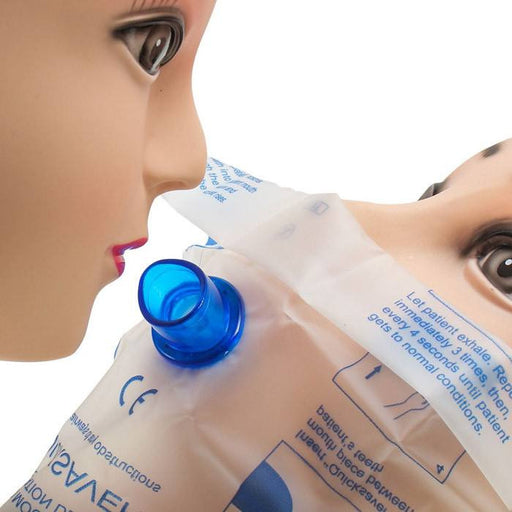
Original price $ 1.29Current price $ 0.96QuickSaver CPR Face Shield Barrier
Mountainside Medical Equipment18 reviewsCPR Mask - QuickSaver CPR Face Shields bulk barrier for mouth to mouth resuscitation and saves you from coming in direct contact with the individua...
View full details -
 Sale 35%
Original price $ 11.95Current price $ 7.80
Sale 35%
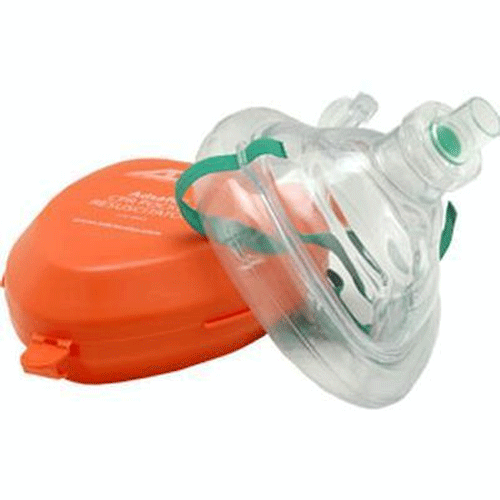
Original price $ 11.95Current price $ 7.80CPR Mask with 1 Way Valve, Orange Case (Fits Adult & Pediatric Patents)
American Diagnostic Corporation10 reviewsCPR Mask with Hard Case is pocket-sized resuscitator mask made with a high-efficiency and low resistance one-way valve to help minimize the possibi...
View full details -
 Sale 46%
Original price $ 8.59Current price $ 4.60
Sale 46%
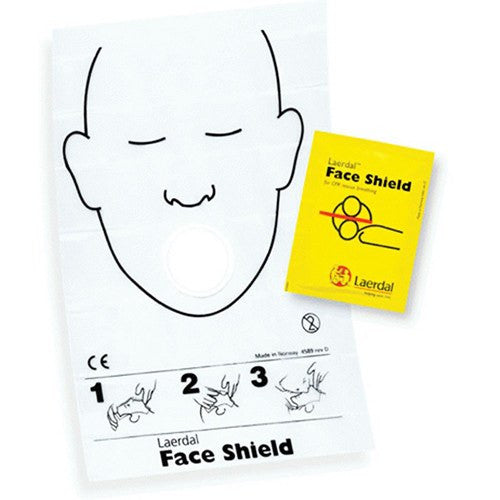
Original price $ 8.59Current price $ 4.60Laerdal Disposable CPR Face Shield Barriers EACH
Laerdal1 reviewThe Patient Face Shield offers large protection, in a small and affordable package. The shield is made with 3M Filtrete hydrophobic filter that giv...
View full details -
 Sale 30%
Original price $ 1.85Current price $ 1.29
Sale 30%
Original price $ 1.85Current price $ 1.29CPR Face shield with One Way Valve
Dynarex4 reviewsA CPR Face Shield with a One Way Valve is designed to protect both the rescuer and the victim during mouth-to-mouth resuscitation. The one-way valv...
View full details -
 Sale 30%
Original price $ 4.99Current price $ 3.50
Sale 30%
Original price $ 4.99Current price $ 3.50CPR Face Shield with Airway Shield Keychain
American Diagnostic Corporation3 reviewsCPR Face Shield with Airway Shield Keychain is a latex free, disposable CPR face shield used to perform emergency cardiopulmonary resuscitation. In...
View full details -
 Sale 30%
Original price $ 21.50Current price $ 14.95
Sale 30%
Original price $ 21.50Current price $ 14.95Adult Resuscitation Bag, BVM Mask & Manual Pump Bag For Emergency Resuscitation
Dynarex1 reviewEmergency Manual Resuscitator for Hospitals, EMS, and First Responders Ensure lifesaving, immediate respiratory support with the Dynarex Adult Resu...
View full details -
 Sale
$ 43.00
Sale
$ 43.00LifeSaver Bag Valve Mask Adult Resuscitation Bag
Teleflex15 reviewsManual Resuscitation Bags are an essential tool in first aid and emergency response. They are devices which allow for manual ventilation and oxygen...
View full details -
 Sale 21%
Original price $ 18.95Current price $ 14.90
Sale 21%
Original price $ 18.95Current price $ 14.90Resuscitation Bag, Pediatric with CPR Mask 2500 cc Manual Pump Bag
DynarexNo reviewsA Pediatric Manual Resuscitation Bag with an attached CPR Mask is a vital medical device for providing respiratory assistance to infants and childr...
View full details -
 Sale
from $ 2.75
Sale
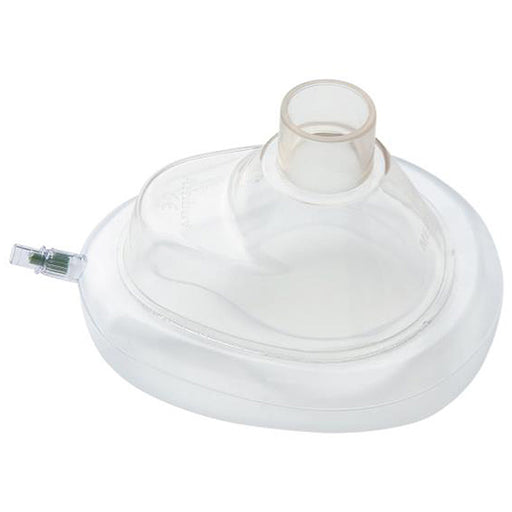
from $ 2.75Ambu Duraclear Resuscitation Mask with Hook Ring
AmbuNo reviewsThe Ambu Duraclear Resuscitation Mask with Hook Ring is an essential piece of medical equipment used in emergency oxygen therapy, helping to boost ...
View full details -
 Sale 50%
Original price $ 6.95Current price $ 3.50
Sale 50%
Original price $ 6.95Current price $ 3.50Adsafe CPR Face Shield with Key Chain Clasp
ADC3 reviewsAdsafe CPR Face Shield is a convenient, one-time use face shield that is utilized while giving CPR. This CPR face shield allows the user the chance...
View full details -
 Sale 31%
Original price $ 34.95Current price $ 24.00
Sale 31%
Original price $ 34.95Current price $ 24.00Resuscitator Mask, Adult Size
McKessonNo reviewsResuscitator Mask is an adult CPR mask used to revive a patient that has stopped breathing and require total or intermittent pulmonary support. Dua...
View full details -
 Sale 48%
Original price $ 22.95Current price $ 11.95
Sale 48%
Original price $ 22.95Current price $ 11.95Adsafe CPR Face Shield with 3M Filter (10-Pack)
American Diagnostic CorporationNo reviewsCPR face shields are a disposable plastic barriers are used to perform cardiopulmonary resuscitation. This face shield has a unique, anti-reflux on...
View full details -
 Sale 32%
Original price $ 21.95Current price $ 14.90
Sale 32%
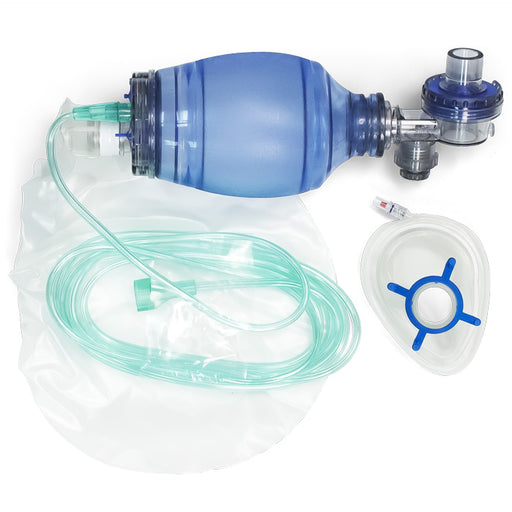
Original price $ 21.95Current price $ 14.90Pediatric Manual Pump Resuscitation Bag with CPR Mask
DynarexNo reviewsDynarex Manual Pump Resuscitation Bag with 2500 cc/ml Bag and CPR Mask included. The Pediatric Resuscitation Bags are designed to initiate resuscit...
View full details -
 Sale 29%
Original price $ 9.98Current price $ 7.10
Sale 29%
Original price $ 9.98Current price $ 7.10CPR Pocket Mask with Oxygen Port
MedSource InternationalNo reviewsA CPR pocket mask with O2 port is a device used during cardiopulmonary resuscitation (CPR) to provide a barrier between the rescuer and the person ...
View full details -
 Sold out
Original price $ 34.95Current price $ 24.95
Sold out
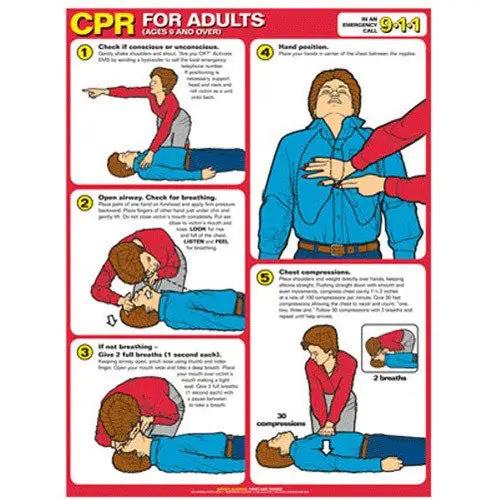
Original price $ 34.95Current price $ 24.95CPR Instructional Poster Laminated 18 X 24
LWWNo reviewsThe CPR Instructional Poster illustrates proper execution of the practice of CPR on adults. An excellent tool to have on hand, this CPR chart also ...
View full details -
 Sale 23%
Original price $ 29.99Current price $ 23.00
Sale 23%
Original price $ 29.99Current price $ 23.00Resuscitator Mask, Pediatric Size
McKessonNo reviewsA resuscitator mask, pediatric size refers to a specialized pediatric version of a resuscitator mask. A resuscitator mask, also known as a bag valv...
View full details -
 Sale 30%
Original price $ 19.95Current price $ 14.00
Sale 30%
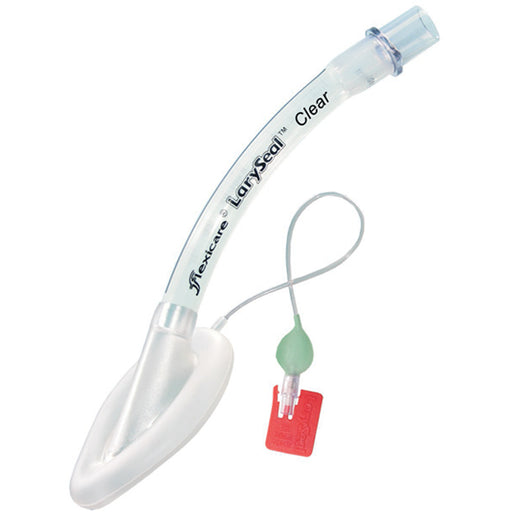
Original price $ 19.95Current price $ 14.00LarySeal Curved Laryngeal Mask Airways, Adult Single Patient Use
FlexicareNo reviewsLarySeal Curved Laryngeal Masks are specially curved to provide a better anatomical fit and seal within the airway. They are designed for use in ad...
View full details -
 Sale 29%
Original price $ 13.95Current price $ 9.95
Sale 29%
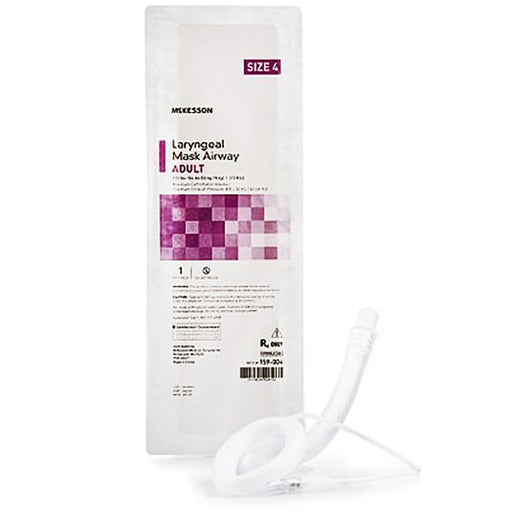
Original price $ 13.95Current price $ 9.95Laryngeal Mask Airways, Curved Adult Single Patient Use
McKessonNo reviewsCurved Laryngeal Mask Airways, Adult are specially curved to provide a better anatomical fit and seal within the airway. They are designed for use ...
View full details -
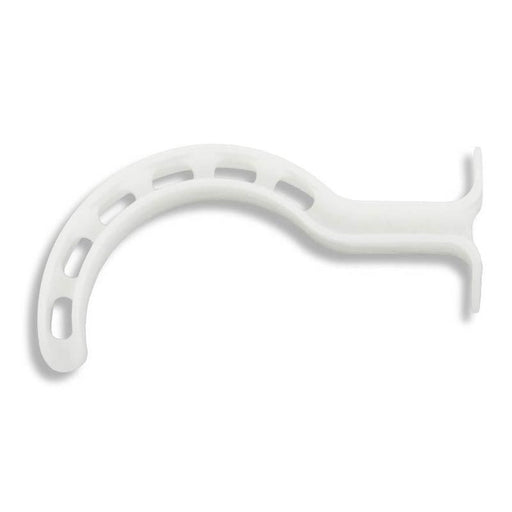 Sale
from $ 0.49
Sale
from $ 0.49Berman Airways, Disposable (Each)
McKessonNo reviewsBerman Disposable Airways are designed for easy sizing identification and enhanced access to the respiratory tract. Each Berman airway is color cod...
View full details -
 Sale 23%
Original price $ 8.99Current price $ 6.95
Sale 23%
Original price $ 8.99Current price $ 6.95Oral Seizure Bite Sticks (10-Pack)
ADC1 reviewSeizure Oral Patient Bite Sticks are designed to help prevent the patient from biting their tongue when having a seizure. This Bite stick is placed...
View full details


People Also Searched For
CPR Masks, CPR Shields, Bag Valve Masks to CPR Mask
CPR Masks, CPR Shields, Bag Valve Masks to CPR Resuscitation
CPR Masks, CPR Shields, Bag Valve Masks to Manual Resuscitation
CPR Masks, CPR Shields, Bag Valve Masks to CPR Face Shield
CPR Masks, CPR Shields, Bag Valve Masks to cardiopulmonary resuscitation
CPR Masks, CPR Shields, Bag Valve Masks to cpr face mask
Emergency Medical Supplies (EMS Supplies)
BVM (Bag Valve Masks), Ambu Bags, CPR Masks
Fire Department Medical Supplies
Respiratory Supplies
A CPR mask (also known as a pocket mask or rescue mask) is a small, portable, and reusable medical device designed to provide a barrier between the rescuer and the patient during cardiopulmonary resuscitation (CPR), specifically during rescue breaths (mouth-to-mouth ventilation). It is a key part of basic and advanced first aid and is widely used by lay rescuers, first responders, and medical professionals.
What Does a CPR Mask Do?
- Protects Both Parties: The mask prevents direct contact with the patient’s mouth, nose, and face, reducing the risk of transmission of infectious diseases (such as HIV, hepatitis, and other pathogens) between rescuer and victim.
- Delivers Effective Ventilation: Designed to fit over the victim's mouth and nose, it directs air (blown in by the rescuer) into the patient’s lungs more efficiently than mouth-to-mouth, especially when the victim is not breathing adequately.
Features of a CPR Mask
- One-Way Valve: Most CPR masks have a built-in one-way valve that allows breath to enter the victim while preventing their breath, saliva, blood, or vomit from reaching the rescuer.
- Flexible, Clear Dome: The mask is usually made of clear plastic so you can see the patient's lips and mouth; it easily conforms to the victim’s face.
- Oxygen Inlet Port: Some models have a port for supplemental oxygen from a tank or bag, increasing the concentration of oxygen delivered.
- Compact Design: Folds into a hard plastic carrying case—small enough for a keychain, first aid kit, or pocket.
How to Use a CPR Mask
- Position the Patient: Lay the patient on their back, open the airway (head tilt-chin lift).
- Attach the Mask: Place the mask over the patient’s nose and mouth, ensuring a good seal.
- Kneel Beside the Patient: Tilt the patient’s head back and lift their chin to open the airway.
-
Deliver Breaths: Breathe into the mask’s one-way valve. Watch for chest rise to ensure effective ventilation.
- Adult: Give one breath every 5-6 seconds (10-12 per minute).
- Child/Infant: One breath every 3-5 seconds (12-20 per minute).
- Continue CPR: Follow the standard cycle of chest compressions and rescue breaths as recommended by CPR guidelines.
Advantages of Using a CPR Mask
- Safety: Reduces risk of disease transmission.
- Efficiency: Provides better seal and more effective breaths than mouth-to-mouth.
- Comfort: More pleasant for both the rescuer and the victim.
- Versatility: Can be used on adults, children, and infants (many masks come with an infant/child adaptor).
A CPR mask is a life-saving, barrier device providing safe and effective mouth-to-mask ventilation during CPR, protecting both rescuer and patient from infections. It’s an essential tool for anyone trained in first aid or CPR, and highly recommended for inclusion in emergency kits.