Skip to content

Added to your cart:

Cart subtotal

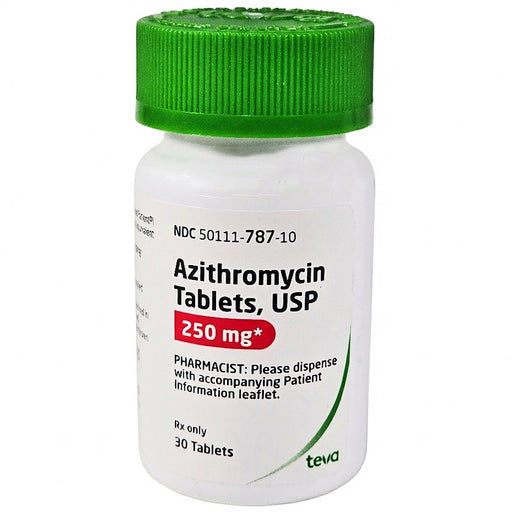
Azithromycin 250 mg Tablets (Generic Z Pack) Antibiotic for Infections, 30 Count (Rx)

by Sandoz
SKU 65862-0641-30
Sale 53%
Original price $ 49.95
Current price $ 23.50
In stock
Non-Returnable
*Mountainside Medical does not fill personal prescriptions Medical Professional License Required to Unlock Account

How to Order:

Send an email request to: sales@mountainside-medical.com

You will receive instructions on how to create an account along with Rx Ordering Details.

(Note: Acceptable licenses must have Prescriptive Authority in the license issuing state.)
Fast Delivery
Fast Delivery
24/7 Support
24/7 Support
No Returns
No Returns
Hospital Grade
Hospital Grade
Free Shipping on orders above $100
Payment Secure transaction
Packaging Ships in product packaging
Service-Disabled Veteran-Owned Small Business
Located in Adirondack Mountains in NY
Family Owned Business 2002
Sale 53%
Original price $ 49.95
Current price $ 23.50
Free Shipping on orders above $100
Payment Secure transaction
Packaging Ships in product packaging
Azithromycin 250 mg Tablets (Generic Z Pack) Antibiotic for Infections, 30 Count (Rx)
$ 49.95 $ 23.50
🔒 Medical License Required
Description

Azithromycin 250 mg

Azithromycin (often known by the brand name Zithromax) is a prescription antibiotic of the macrolide class (an azalide subclass). It is used to treat bacterial infections; it will not work for viral illnesses like the common cold or flu. Azithromycin works by inhibiting bacterial protein synthesis (binding to the 50S ribosomal subunit in bacteria), which stops bacteria from growing and multiplying. Typical formulations include 250 mg and 500 mg tablets and oral suspensions (e.g. 100 mg or 200 mg per teaspoon). The 250 mg strength is a common dose, especially in multi-day courses or in pediatric suspensions.

Uses (Indications)

Azithromycin is prescribed for a wide variety of bacterial infections. Common uses include infections of the upper and lower respiratory tract, ears, nose, throat, skin, and some sexually-transmitted infections. For example, sources list indications such as:

  • Middle ear infections (acute otitis media)
  • Throat and tonsil infections (pharyngitis, tonsillitis) and laryngitis
  • Sinus infections (sinusitis)
  • Bronchitis and certain pneumonias (lung infections)
  • Skin and soft tissue infections (e.g. some forms of cellulitis)
  • Sexually transmitted infections such as non-gonococcal urethritis and cervicitis (often due to Chlamydia trachomatis).

Medicines information notes that azithromycin treats a “wide variety of bacterial infections” by “stopping the growth of bacteria”. In practice, doctors choose azithromycin for susceptible pathogens (including many Gram-positive and some Gram-negative or atypical bacteria) and for patients who may not tolerate penicillins. (For example, it is a common alternative in patients allergic to penicillin.) Azithromycin is often favored for respiratory infections because of its convenient once-daily dosing and shorter course.

Note: Azithromycin is ineffective against viruses. It should not be used for colds, flu, or other viral infections. Unnecessary use of antibiotics can promote drug resistance. Always use this drug only under a doctor’s prescription.

Dosage and Administration

Azithromycin dosing depends on the type and severity of infection and patient characteristics (age, weight, kidney function). A common adult regimen is a short course of 5 days. For example: one standard approach (the “Z-Pak”) is 500 mg on day 1 (often as two 250 mg tablets at once), followed by 250 mg once daily on days 2–5. Other regimens include 250 mg daily for 3–5 days (or longer for some conditions). Pediatric dosing (for children) is typically calculated by weight, often using a suspension; the 250 mg tablet or 200 mg/5 mL suspension may be used for older children. Your doctor or pharmacist will tell you exactly how many tablets or milliliters to take and for how long.

  • How to take: Azithromycin is usually taken once daily, with or without food. Some sources suggest taking it on an empty stomach for best absorption, but you may take it with food or milk to reduce stomach upset if needed. Drink plenty of water when taking the tablet.
  • Scheduling: For best effect, take it at the same time every day. Swallow tablets whole with water; do not crush unless advised (some tablets are scored for splitting).
  • Finish the course: Even if you feel better after a few days, continue taking azithromycin until the full prescribed course is finished. Medical guidelines emphasize completing the entire course, because stopping early “may allow bacteria to continue to grow,” risking relapse of the infection.

Side Effects

Like all medications, azithromycin can cause side effects. Most people tolerate it well, but common and serious effects include:

  • Common (mild) side effects: Nausea, vomiting, stomach pain, diarrhea or loose stools, headache, and fatigue are among the more frequent side effects. These are usually temporary. Taking the medicine with food may help stomach discomfort.
  • Uncommon/Serious side effects: In rare cases, more serious reactions can occur. Patients should be alert for:
    • Allergic reaction: Rash, itching, swelling (especially of face/tongue/throat), dizziness, or trouble breathing. (Seek medical help right away for any signs of severe allergy.)
    • Heart rhythm effects: Azithromycin has a rare risk of prolonging the QT interval, which can cause fast or irregular heartbeat and fainting. People with existing heart disease, electrolyte imbalances, or who are taking other QT-prolonging drugs should use caution. In one medical summary, rare but serious symptoms listed include “fast/irregular heartbeat, severe dizziness, [and] fainting”.
    • Hearing or vision changes: Some people report tinnitus (ringing in the ears), hearing loss, or eye muscle issues (eyelid drooping, blurred vision). These are uncommon but reversible if the drug is stopped promptly.
    • Liver effects: Signs of liver injury (like jaundice yellowing of eyes/skin, severe tiredness, dark urine) are very rare but require immediate attention.
    • Clostridioides difficile colitis: As with many antibiotics, there is a small risk of Clostridium difficile-associated diarrhea – a potentially severe intestinal condition caused by overgrowth of resistant bacteria. Watch for persistent diarrhea or stomach cramps during or after treatment.

If you experience any unusual or severe symptoms while taking azithromycin, contact your doctor. Always tell your doctor about new or worsening symptoms.

Precautions and Interactions

  • Allergies: Do not take azithromycin if you have a known allergy to it or to other macrolides (e.g. erythromycin, clarithromycin). People with a history of cholestatic jaundice or severe liver problems from prior azithromycin use should avoid it.
  • Cardiac conditions: Mention any history of heart rhythm problems. Caution is advised if you have congenital long QT syndrome or are on medications that affect heart rhythm, because azithromycin can add to that risk.
  • Drug interactions: Tell your doctor or pharmacist about all medications and supplements you take. Azithromycin can interact with various drugs. For example, antacids containing aluminum or magnesium (often used for heartburn) can interfere with how much azithromycin is absorbed. If you take such an antacid, wait at least 2 hours before or after your azithromycin dose. Azithromycin may also affect blood thinners (like warfarin), digoxin, and some diabetes or asthma medications; your doctor will advise if your specific medications require adjustment.
  • Other conditions: People with severe kidney or liver impairment should use caution – dosing may need adjustment. Notify your doctor if you have myasthenia gravis (may worsen muscle weakness) or other neuromuscular disorders, severe dehydration, or electrolyte abnormalities, as these can increase risk of side effects.
  • Alcohol: A little alcohol generally isn’t a direct problem with azithromycin, but since both alcohol and azithromycin can cause stomach upset or dizziness, it’s wise to avoid excess alcohol while on the medication.

Pregnancy and Breastfeeding

Azithromycin is classified as Pregnancy Category B in the U.S. (no proven risk in humans). However, it should be used in pregnancy only if clearly needed. Discuss with your doctor if you are pregnant or plan to become pregnant. Azithromycin does pass into breast milk; mothers taking azithromycin are advised to consult their pediatrician or doctor before nursing. The doctor will weigh the benefits of treatment against any possible risks to the baby.

Important Advice

  • Not for viral infections: Again, azithromycin will not treat colds, flu, or other viral illnesses. Using antibiotics when not needed contributes to resistance.
  • Finish the course: It is crucial to take the medication exactly as prescribed. Do not stop early even if you feel better. According to drug guidance, you should “take this medication until the full prescribed amount is finished, even if symptoms disappear”. Stopping early can allow the infection to return or worsen.
  • Missed dose: If you forget a dose and remember within a few hours, take it. If it’s almost time for the next dose, skip the missed one—do not double up doses.
  • Storage: Store the tablets at room temperature away from moisture and heat. Keep out of reach of children. If an oral suspension is used, shake well and follow any special storage instructions on the label.
  • Follow-up: If your symptoms do not improve or worsen after a few days of treatment, contact your doctor. Also report any severe side effect immediately.

Disclaimer: This information is provided for general understanding and does not replace professional medical advice. Always consult a qualified healthcare provider (doctor or pharmacist) before starting or stopping any medication.

Description

Azithromycin 250 mg

Azithromycin (often known by the brand name Zithromax) is a prescription antibiotic of the macrolide class (an azalide subclass). It is used to treat bacterial infections; it will not work for viral illnesses like the common cold or flu. Azithromycin works by inhibiting bacterial protein synthesis (binding to the 50S ribosomal subunit in bacteria), which stops bacteria from growing and multiplying. Typical formulations include 250 mg and 500 mg tablets and oral suspensions (e.g. 100 mg or 200 mg per teaspoon). The 250 mg strength is a common dose, especially in multi-day courses or in pediatric suspensions.

Uses (Indications)

Azithromycin is prescribed for a wide variety of bacterial infections. Common uses include infections of the upper and lower respiratory tract, ears, nose, throat, skin, and some sexually-transmitted infections. For example, sources list indications such as:

  • Middle ear infections (acute otitis media)
  • Throat and tonsil infections (pharyngitis, tonsillitis) and laryngitis
  • Sinus infections (sinusitis)
  • Bronchitis and certain pneumonias (lung infections)
  • Skin and soft tissue infections (e.g. some forms of cellulitis)
  • Sexually transmitted infections such as non-gonococcal urethritis and cervicitis (often due to Chlamydia trachomatis).

Medicines information notes that azithromycin treats a “wide variety of bacterial infections” by “stopping the growth of bacteria”. In practice, doctors choose azithromycin for susceptible pathogens (including many Gram-positive and some Gram-negative or atypical bacteria) and for patients who may not tolerate penicillins. (For example, it is a common alternative in patients allergic to penicillin.) Azithromycin is often favored for respiratory infections because of its convenient once-daily dosing and shorter course.

Note: Azithromycin is ineffective against viruses. It should not be used for colds, flu, or other viral infections. Unnecessary use of antibiotics can promote drug resistance. Always use this drug only under a doctor’s prescription.

Dosage and Administration

Azithromycin dosing depends on the type and severity of infection and patient characteristics (age, weight, kidney function). A common adult regimen is a short course of 5 days. For example: one standard approach (the “Z-Pak”) is 500 mg on day 1 (often as two 250 mg tablets at once), followed by 250 mg once daily on days 2–5. Other regimens include 250 mg daily for 3–5 days (or longer for some conditions). Pediatric dosing (for children) is typically calculated by weight, often using a suspension; the 250 mg tablet or 200 mg/5 mL suspension may be used for older children. Your doctor or pharmacist will tell you exactly how many tablets or milliliters to take and for how long.

  • How to take: Azithromycin is usually taken once daily, with or without food. Some sources suggest taking it on an empty stomach for best absorption, but you may take it with food or milk to reduce stomach upset if needed. Drink plenty of water when taking the tablet.
  • Scheduling: For best effect, take it at the same time every day. Swallow tablets whole with water; do not crush unless advised (some tablets are scored for splitting).
  • Finish the course: Even if you feel better after a few days, continue taking azithromycin until the full prescribed course is finished. Medical guidelines emphasize completing the entire course, because stopping early “may allow bacteria to continue to grow,” risking relapse of the infection.

Side Effects

Like all medications, azithromycin can cause side effects. Most people tolerate it well, but common and serious effects include:

  • Common (mild) side effects: Nausea, vomiting, stomach pain, diarrhea or loose stools, headache, and fatigue are among the more frequent side effects. These are usually temporary. Taking the medicine with food may help stomach discomfort.
  • Uncommon/Serious side effects: In rare cases, more serious reactions can occur. Patients should be alert for:
    • Allergic reaction: Rash, itching, swelling (especially of face/tongue/throat), dizziness, or trouble breathing. (Seek medical help right away for any signs of severe allergy.)
    • Heart rhythm effects: Azithromycin has a rare risk of prolonging the QT interval, which can cause fast or irregular heartbeat and fainting. People with existing heart disease, electrolyte imbalances, or who are taking other QT-prolonging drugs should use caution. In one medical summary, rare but serious symptoms listed include “fast/irregular heartbeat, severe dizziness, [and] fainting”.
    • Hearing or vision changes: Some people report tinnitus (ringing in the ears), hearing loss, or eye muscle issues (eyelid drooping, blurred vision). These are uncommon but reversible if the drug is stopped promptly.
    • Liver effects: Signs of liver injury (like jaundice yellowing of eyes/skin, severe tiredness, dark urine) are very rare but require immediate attention.
    • Clostridioides difficile colitis: As with many antibiotics, there is a small risk of Clostridium difficile-associated diarrhea – a potentially severe intestinal condition caused by overgrowth of resistant bacteria. Watch for persistent diarrhea or stomach cramps during or after treatment.

If you experience any unusual or severe symptoms while taking azithromycin, contact your doctor. Always tell your doctor about new or worsening symptoms.

Precautions and Interactions

  • Allergies: Do not take azithromycin if you have a known allergy to it or to other macrolides (e.g. erythromycin, clarithromycin). People with a history of cholestatic jaundice or severe liver problems from prior azithromycin use should avoid it.
  • Cardiac conditions: Mention any history of heart rhythm problems. Caution is advised if you have congenital long QT syndrome or are on medications that affect heart rhythm, because azithromycin can add to that risk.
  • Drug interactions: Tell your doctor or pharmacist about all medications and supplements you take. Azithromycin can interact with various drugs. For example, antacids containing aluminum or magnesium (often used for heartburn) can interfere with how much azithromycin is absorbed. If you take such an antacid, wait at least 2 hours before or after your azithromycin dose. Azithromycin may also affect blood thinners (like warfarin), digoxin, and some diabetes or asthma medications; your doctor will advise if your specific medications require adjustment.
  • Other conditions: People with severe kidney or liver impairment should use caution – dosing may need adjustment. Notify your doctor if you have myasthenia gravis (may worsen muscle weakness) or other neuromuscular disorders, severe dehydration, or electrolyte abnormalities, as these can increase risk of side effects.
  • Alcohol: A little alcohol generally isn’t a direct problem with azithromycin, but since both alcohol and azithromycin can cause stomach upset or dizziness, it’s wise to avoid excess alcohol while on the medication.

Pregnancy and Breastfeeding

Azithromycin is classified as Pregnancy Category B in the U.S. (no proven risk in humans). However, it should be used in pregnancy only if clearly needed. Discuss with your doctor if you are pregnant or plan to become pregnant. Azithromycin does pass into breast milk; mothers taking azithromycin are advised to consult their pediatrician or doctor before nursing. The doctor will weigh the benefits of treatment against any possible risks to the baby.

Important Advice

  • Not for viral infections: Again, azithromycin will not treat colds, flu, or other viral illnesses. Using antibiotics when not needed contributes to resistance.
  • Finish the course: It is crucial to take the medication exactly as prescribed. Do not stop early even if you feel better. According to drug guidance, you should “take this medication until the full prescribed amount is finished, even if symptoms disappear”. Stopping early can allow the infection to return or worsen.
  • Missed dose: If you forget a dose and remember within a few hours, take it. If it’s almost time for the next dose, skip the missed one—do not double up doses.
  • Storage: Store the tablets at room temperature away from moisture and heat. Keep out of reach of children. If an oral suspension is used, shake well and follow any special storage instructions on the label.
  • Follow-up: If your symptoms do not improve or worsen after a few days of treatment, contact your doctor. Also report any severe side effect immediately.

Disclaimer: This information is provided for general understanding and does not replace professional medical advice. Always consult a qualified healthcare provider (doctor or pharmacist) before starting or stopping any medication.

Get Notified When Back in Stock