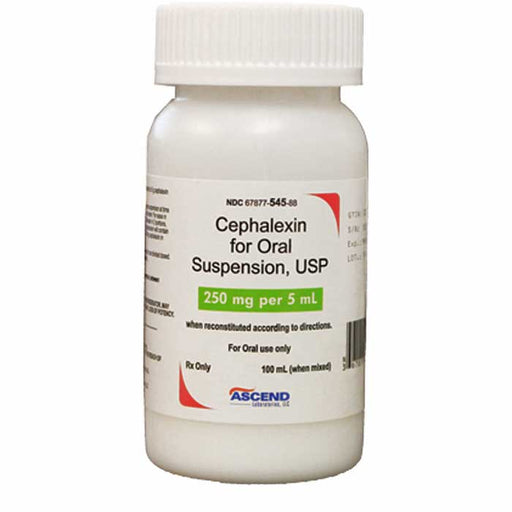
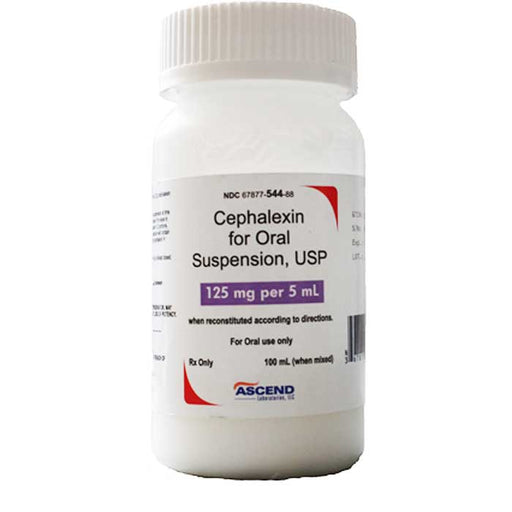
Cephalexin 500mg Capsules are a prescription oral antibiotic medication used to treat a wide range of bacterial infections. Cephalexin belongs to the cephalosporin class of antibiotics, which work by stopping the growth and multiplication of bacteria. Each capsule contains 500 mg of the active ingredient cephalexin, making it an effective, doctor-recommended choice for fighting infections in both adults and children.
Uses and Indications
Cephalexin 500mg Capsules are used to treat infections caused by susceptible bacteria, including:
-
Respiratory Tract Infections: Such as bronchitis, tonsillitis, throat infections (pharyngitis), and sinusitis.
-
Ear Infections (Otitis Media): Bacterial ear infections.
-
Skin and Soft Tissue Infections: Including cellulitis, wound infections, and impetigo.
-
Bone Infections (Osteomyelitis): Treatment of bacterial bone infections.
-
Genitourinary Tract Infections: Such as urinary tract infections (UTIs, cystitis) and kidney infections (pyelonephritis).
-
Dental Infections: Prescribed for some dental abscesses or gum infections.
How Does Cephalexin Work?
Cephalexin fights bacteria by targeting their cell walls, causing the walls to break down and the bacteria to die. It is not effective against viral infections such as colds or the flu.
Dosage and Administration
-
Standard Adult Dose: 250 mg to 1000 mg every 6 to 12 hours, as prescribed by your doctor. For most infections, 500 mg every 12 hours is typical.
-
Children: Dosing is based on weight and infection severity—your doctor will provide appropriate instructions.
-
Directions: Take capsules with or without food. Swallow whole with a glass of water. Complete the full course, even if you feel better, to prevent antibiotic resistance.
Warnings, Precautions, and Side Effects
-
Do Not Use If: You are allergic to cephalexin, other cephalosporins, or penicillin antibiotics.
-
Common Side Effects: Diarrhea, nausea, vomiting, abdominal pain, headache, or rash.
-
Serious Side Effects (Rare): Severe allergic reactions (anaphylaxis), severe diarrhea (C. difficile), and liver or kidney problems. Seek medical help for signs of allergy (hives, trouble breathing, swelling).
-
Pregnancy and Breastfeeding: Use only if prescribed and your doctor is aware. Cephalexin is generally considered safe, but consult your healthcare provider.
-
Drug Interactions: Let your doctor know about all medications and supplements you’re taking.
Cephalexin 500mg Capsules are a reliable, effective antibiotic for treating many types of bacterial infections—including respiratory, urinary, skin, and bone infections. Safe when used as directed, Cephalexin 500mg helps you recover quickly and prevent complications. Always follow your healthcare provider's instructions on antibiotic use.
Uses and Applications
Cephalexin 500mg is highly effective for:
- Strep throat (pharyngitis, tonsillitis)
- Skin and soft tissue infections (cellulitis, abscesses, impetigo)
- Urinary tract infections (UTIs)
- Respiratory tract infections (bronchitis, pneumonia)
- Bone and joint infections (osteomyelitis)
- Ear infections (otitis media)
- Prostatitis and dental infections (as prescribed)
Drug Interactions
To prevent adverse effects, inform your doctor if you are taking:
- Metformin (risk of hypoglycemia)
- Probenecid (may increase cephalexin levels)
- Live vaccines (antibiotics can reduce effectiveness)
- Blood thinners (warfarin, coumadin) (may increase bleeding risk)
- Other antibiotics or supplements (calcium/magnesium-containing antacids). Always provide your healthcare provider with a complete list of your medications and supplements.
Possible Side Effects of Cephalexin
Common Side Effects:
- Gastrointestinal upset (nausea, vomiting, diarrhea, abdominal pain)
- Headache
- Rash
- Dizziness
Serious Side Effects:
- Allergic reactions (hives, difficulty breathing, swelling of face/lips/tongue/throat)
- Severe diarrhea (Clostridioides difficile-associated diarrhea)
- Jaundice, liver dysfunction
- Seizures (rare)
Seek immediate medical advice if you experience any severe side effects or signs of allergic reaction.
 Skip to content