Ciclopirox Topical Solution 8% (Nail Lacquer) Overview
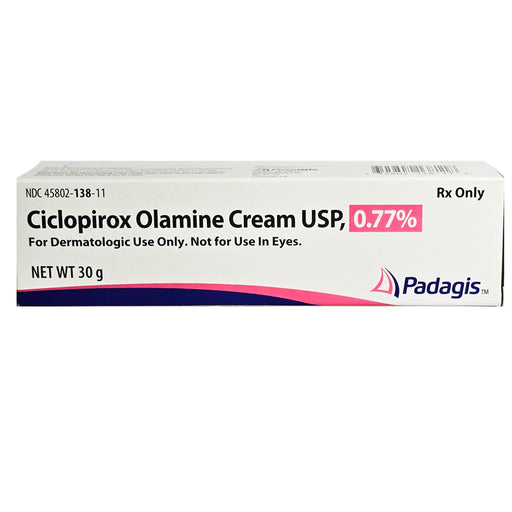
Ciclopirox topical solution 8%, also known as ciclopirox nail lacquer (brand names include Penlac® among others), is a prescription antifungal medication used to treat fungal infections of the nails (medically called onychomycosis). It comes in the form of a clear nail polish-like liquid that is applied directly to affected fingernails or toenails (and the immediate surrounding skin). Once applied, it forms a film or lacquer on the nail surface, delivering the antifungal drug into the nail over time. This targeted topical therapy is intended to kill or inhibit the growth of the fungi causing the nail infection, helping clear the infection and improve the nail’s appearance.
How It Works and When It’s Used
Ciclopirox is a broad-spectrum antifungal agent. It works by interfering with vital processes in fungal cells – for example, it disrupts the production of the fungal cell membrane and other metabolic functions, which ultimately stops the fungi from growing and reproducing. By reducing the fungal population in the nail, the body can gradually grow out a healthier nail. Ciclopirox is effective against the most common organisms that cause toenail and fingernail fungus, such as Trichophyton rubrum (a dermatophyte fungus).
This nail lacquer is typically prescribed for mild to moderate nail fungus infections, especially when the infection is limited to the upper half of the nail and not deeply affecting the nail root (matrix). In fact, the FDA-approved indication is for onychomycosis “without lunula involvement”. The lunula is the crescent-shaped white area at the base of the nail – if the fungus has reached that area, it means the matrix (growth zone) is infected, and topical treatments like ciclopirox are less likely to be sufficient on their own. Ciclopirox 8% lacquer is often used in patients who are not good candidates for oral antifungal pills (such as those who might have liver issues or cannot take systemic medications), or it may be used in combination with other measures as part of a comprehensive treatment plan. The prescription status of ciclopirox means a healthcare provider should evaluate the nail condition to determine if this therapy is appropriate.
Ciclopirox Topical Solution Application & Treatment Regimen
Using ciclopirox nail lacquer requires commitment and proper technique. The medication is applied once daily to the affected nail(s), usually in the evening or at bedtime so it can form a film and work overnight. Here are key points about the application regimen:
- Preparation: Before applying ciclopirox, you should wash and dry the affected nails and, if advised, gently file the nail surface to enhance penetration (often your healthcare provider will show you how to do this or provide a special nail file). The medication comes with a brush (similar to a nail polish brush) to paint the solution over the entire nail, the skin immediately next to the nail, and under the nail tip if possible. You apply a thin, even coat over the nail. It will dry to form a clear film.
- Daily Use: You paint the solution on every day. Each new day’s application can be applied over the previous day’s layer. The lacquer is designed to stay on the nail, delivering medicine continuously. It’s important to apply it consistently at the same time each day and not skip doses, as missing applications can give the fungus a chance to regroup. If you do forget a day, you apply it as soon as you remember, or just resume the next day on schedule (don’t double up applications).
- Weekly Removal: After 7 days of daily applications, the accumulated layers of ciclopirox need to be removed. Typically, the patient uses alcohol or the cleansing solution provided (some kits include alcohol pads) to wipe off the built-up lacquer from the nail. This is usually done on a day like the end of the week. Once the layers are removed, you should trim and file the nail to remove as much of the damaged, detached nail material as possible. This debridement helps because it reduces the fungal load and allows the medicine to reach deeper parts of the nail. In many treatment plans, a healthcare provider will perform a more thorough trimming or debridement of the nail about once a month as part of the “comprehensive management program” – this means at monthly visits, the doctor or podiatrist might cut away dead nail and debris that you can’t easily do at home, further helping the medication penetrate. After cleaning the nail and trimming each week, you then start the cycle again: apply fresh ciclopirox that day and continue daily.
- No Nail Polish or Cosmetic Nail Products: While using ciclopirox lacquer, you should not use regular nail polish, artificial nails, or other nail cosmetics on the treated nails.. They can interfere with the medication’s effectiveness by blocking it from penetrating the nail, and the lacquer itself provides a clear shine if appearance is a concern. Additionally, the ciclopirox solution has a slightly alcohol-based vehicle which can be dissolved or undermined by other polish chemicals. It’s best to keep the nails clean and unadorned for the duration of treatment. (Also, avoid using the ciclopirox on top of other products — it should go directly on the clean nail.)
- Duration of Treatment: Treating nail fungus with ciclopirox is a long process. Nails grow slowly – especially toenails, which may only grow 1 mm per month – so clearing an infection requires patience. Generally, up to 48 weeks (approximately 11 months) of daily applications are recommended for a full course of therapy on toes, and somewhat less for fingernails (fingernails grow faster). In studies, patients used ciclopirox daily for 6 to 12 months. You should not stop using it early without consulting your doctor, even if the nail looks improved, because stopping too soon might allow the fungus to regrow . Conversely, if there is no improvement at all after, say, 6 months, your doctor might reassess the treatment plan.
It’s worth highlighting that ciclopirox nail lacquer is most effective when combined with regular nail care (trimming, debridement) and when the infection is not too severe. The medication only penetrates a certain depth into the nail – if the fungus is deeply seated or the nail is very thick/crumbling, a topical solution has difficulty reaching all the fungus. That’s why in more advanced cases, oral antifungal medications (like terbinafine/Lamisil or itraconazole/Sporanox) might be prescribed instead of or in addition to the lacquer.
Ciclopirox Effectiveness and Expectations
Patients using ciclopirox nail lacquer should have realistic expectations. Clinical trials of ciclopirox 8% lacquer showed that complete cure (clear nail and no fungus on culture) is achieved in only a minority of patients. In two pivotal studies, after 48 weeks of treatment, about 5% to 8% of patients achieved completely clear nails, compared to 0%–1% who used a placebo lacquer. This means that while ciclopirox can cure some nail infections, many patients will not get a 100% normal-looking nail from this treatment alone.
However, a larger proportion of patients do experience partial improvement or “almost clear” nails (defined in studies as ≥90% of the nail clear) and/or at least a negative fungal culture (meaning the fungus was eradicated even if the nail still looked abnormal). In practical terms, many patients see reduced nail discoloration, less thickness, and growth of new healthy nail from the base while on ciclopirox – even if the entire nail isn’t perfect, the condition often improves. It’s also possible to have fungus eradicated but some residual nail damage remains until the nail fully grows out.
Why aren’t the cure rates higher? Nail fungus can be very stubborn because nails are hard and relatively impermeable, and toes in particular have less blood flow and slower growth. Ciclopirox works on the surface and the outer part of the nail, but it may not reach fungus hiding in the nail bed or matrix. For this reason, ciclopirox is best suited for mild infections (where perhaps only the tip or sides of the nail are affected). In more severe onychomycosis, doctors might recommend oral antifungal pills or newer topical solutions like efinaconazole (Jublia®) or tavaborole (Kerydin®), which have somewhat higher efficacy. Sometimes ciclopirox is even used along with oral medication or after oral therapy (as maintenance) to help prevent recurrence, though formal studies on combination use are limited.
Importantly, the benefits of ciclopirox also include that it’s a localized treatment with minimal systemic absorption, meaning it doesn’t carry the systemic side effects that oral antifungals do (like liver enzyme elevations or drug interactions). This safety profile is a big advantage for patients who cannot take oral meds. So even if it’s not a guaranteed cure, it may be worth trying for patients who have a low-grade infection or who prefer to avoid systemic therapy. And even the few who do get a full cure will certainly appreciate not having to take pills.
Ciclopirox Side Effects and Precautions
One of the convenient aspects of ciclopirox nail lacquer is that side effects tend to be localized and generally mild. Because the drug is applied to the nail and very little is absorbed into the bloodstream, it doesn’t cause systemic side effects like some oral medications might. There are a few things to be mindful of:
- Local Irritation: Some users may experience redness, slight swelling, burning sensation, or itching in the skin around the treated nail. This can happen if the skin is sensitive or if some solution gets on the skin. Usually, this irritation is mild. If it’s more than mild (for example, the skin becomes very red or scaly), you should inform your doctor. In most cases, you can manage minor irritation by being careful to apply the lacquer only on the nail and adjacent cuticle, and cleaning any excess from the skin. If severe irritation occurs, the doctor might advise taking a break or stopping the treatment.
- Nail Changes: Sometimes the treatment itself or the process of clearing the fungus can cause changes in the nail’s appearance – you might see the nail become slightly discolored (for instance, white or yellow patches as the film builds up, or as dead fungus is cleared), or the nail might develop an unusual shape or texture as it grows out. It can be hard to distinguish what’s due to the medication vs. what’s due to the fungus and the nail regrowth process. Generally, any changes should be discussed at follow-up appointments. The goal is that over time the new nail growing in will look healthier.
- Allergic Reaction: True allergic reactions to ciclopirox are uncommon. The ingredient has been used in various forms (including creams for skin fungus) with a relatively low incidence of allergy. That said, it’s possible to have a severe allergic response such as rash, hives, or swelling (for example, some people could be allergic to one of the lacquer’s components like the resin or solvent). If after applying, you notice a rash away from the application site, hives, or swelling of the lips/tongue, or difficulty breathing, that could indicate an allergic reaction and you should seek medical attention immediately. This scenario is rare with a topical product, but it’s worth being aware of.
- Precautions:
- External Use Only: Ciclopirox solution is meant for external application on nails and surrounding skin only. It must not be ingested or used in eyes, nose, mouth, or on open wounds. If it accidentally gets in your eyes, rinse them with water right away.
- Flammability: The solution contains solvents like alcohol and ethyl acetate, which are flammable when wet. So, avoid using it near open flames or heat sources until it has fully dried on your nails. This usually isn’t a big issue in practice (since you’re typically at home applying it), but, for example, don’t smoke or light a candle while painting the nails with ciclopirox.
- Nail Care: During treatment, continue to practice good hygiene and nail care. Keep your feet clean and dry, change socks regularly, and use antifungal spray or powder in your shoes if recommended, to avoid re-infection. Also, because the medication is fighting an infection, do not apply regular nail polish or artificial nails on treated nails (as mentioned earlier) – this is both to ensure the medication can work and to avoid sealing in moisture or organisms. Wait until treatment is completed and the doctor confirms the infection is gone before you consider cosmetic nail products again.
- Who Should Avoid It: The clinical trials for ciclopirox lacquer did not include certain groups, so we have limited data on safety in those populations. For instance, it’s generally not used in pregnant women unless clearly needed (out of caution, since there’s no extensive research on it in pregnancy). It’s also not extensively studied in people with immune system issues or diabetes complications in the context of nail infection. That doesn’t mean it can’t be used, but those patients should be closely guided by a physician, because severe nail infections in immunosuppressed individuals usually require more aggressive therapy. Additionally, if you have diabetes, you should be under podiatric care when treating a nail infection, as diabetics need to be careful with foot care in general. Always tell your healthcare provider about all your health conditions so they can decide if ciclopirox is suitable for you.