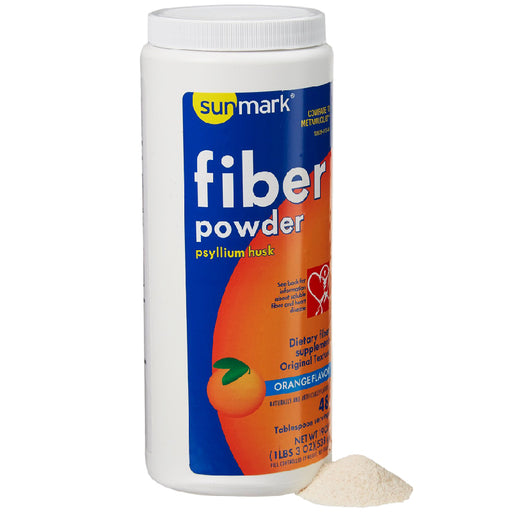
Daily Psyllium Husk Fiber Supplement Capsules
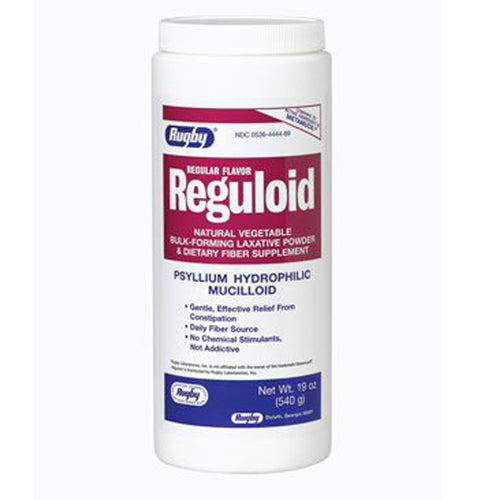
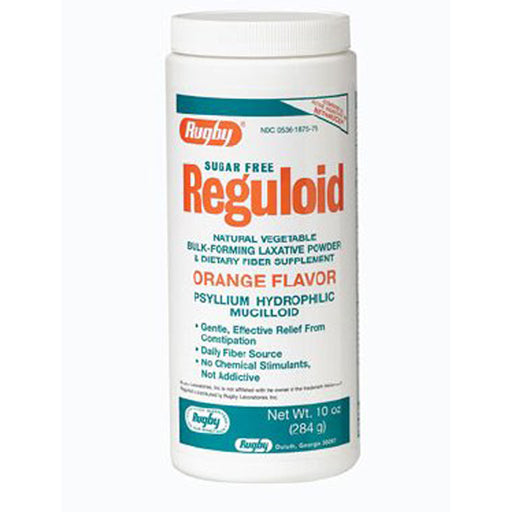
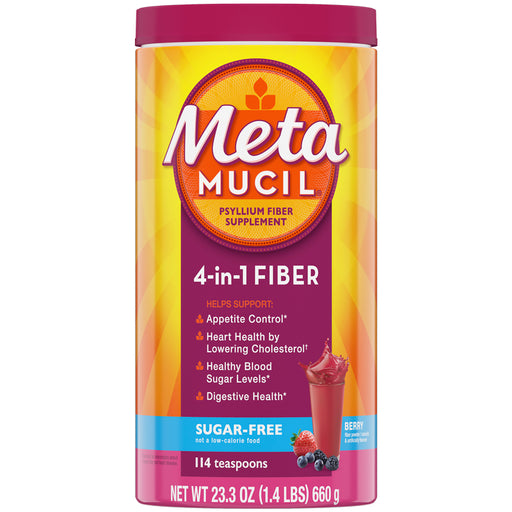
This product is a dietary supplement containing psyllium husk powder in capsule form (100 capsules per bottle). Psyllium husk is a plant-based soluble fiber (from the seeds of Plantago ovata) widely used to add bulk to stool and support digestive health. As a “3-in-1” fiber supplement, it is marketed to aid digestive regularity, heart health, and blood-sugar control – similar in function to products like Metamucil. Because it’s sugar-free, no sugars or sweeteners are added, making it suitable for people monitoring their sugar intake (e.g. diabetics). Each capsule typically contributes a small amount of fiber (roughly 0.5 g per capsule based on similar products.
Dietary fiber overall (soluble + insoluble) is known to promote health: it helps prevent constipation, supports weight management, and can lower the risk of chronic diseases. (For context, U.S. dietary guidelines recommend ~25–34 grams of fiber per day for adults, but most people consume far less.) Soluble fiber – the kind found in psyllium – forms a gel in the gut that slows digestion and aids several processes. For example, soluble fiber can help lower blood cholesterol and moderate blood sugars. Psyllium is nearly all fiber (about 80–85% soluble fiber content) and no sugar.
Key Benefits: Scientific sources highlight several benefits of psyllium (soluble fiber) intake:
-
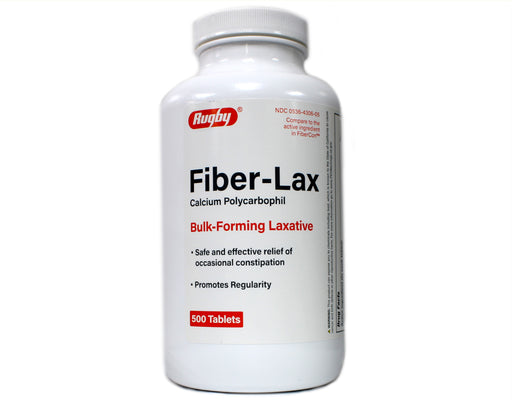
Constipation Relief: Psyllium adds bulk and holds water in stool, making bowel movements softer and easier to pass. Soluble fibers like psyllium are well established as bulk-forming laxatives. Research shows it effectively relieves constipation without major side effects.
-
Diarrhea/IBS Help: Because it gels in the gut, psyllium can also normalize stool looseness. It binds excess fluid in diarrhea and, as some studies suggest, may reduce inflammation in conditions like IBS.
-
Blood Sugar Control: Psyllium slows glucose absorption. Regular intake before meals can blunt blood sugar spikes and help in diabetes management. In general, fiber-rich diets slow sugar entry into the bloodstream, which improves glycemic control over time.
-
Cholesterol Lowering: Psyllium binds bile acids (which contain cholesterol) in the intestine, helping to remove them from the body. This process can lead to a reduction in LDL (“bad”) cholesterol levels. In fact, soluble fibers like psyllium are clinically shown to modestly reduce LDL cholesterol in people with high cholesterol.
-
General Digestive Health: By increasing stool bulk and feeding beneficial gut bacteria, psyllium helps maintain healthy colon function. Adequate fiber intake in general is linked to a lower risk of hemorrhoids, diverticulosis, and colorectal problems.
Taking a fiber supplement like this should be part of a balanced diet with plenty of fluids. Fiber is not digested by the body – it “moves through the digestive system, adding bulk to stool”. As Mayo Clinic notes, soluble fiber (like psyllium) “forms a gel-like material in the stomach that slows down digestion”, which is why it can lower blood sugar and cholesterol In sum, this psyllium capsule is intended to give you a convenient boost of soluble fiber each day, helping you reach the recommended fiber intake and enjoying the above benefits.
Usage and Dosage:
The manufacturer’s directions (similar to Metamucil’s 3-in-1 fiber capsules) generally advise adults to take multiple capsules daily, with meals, and plenty of water. For example, Metamucil’s 3-in-1 capsule directions (160-count) recommend “2 to 6 capsules per serving for increasing daily fiber intake”, and specifically 6 capsules per serving for cholesterol-lowering use, taken with at least 8 ounces (about 240 mL) of liquid, up to three times per day. In practice, many people start at the lower end and gradually increase. Cleveland Clinic experts advise “starting at a small dose (e.g. ~1 teaspoon of psyllium, roughly equivalent to a few capsules), and increase slowly,” always followed by at least one full glass of water. Drinking enough water is critical: psyllium swells when wet, so adequate fluid prevents choking or intestinal blockage.
A suggested routine might be taking the supplement with breakfast (and/or lunch or dinner) and always drinking a full glass of water immediately afterward. Because dietary guidelines call for ~25–34 g fiber daily, a fiber supplement like this can help fill the gap if you’re not getting enough from food. (For context, six psyllium capsules contain about 3 g of dietary fiber. The average adult would need multiple servings to meet the full daily recommendation, ideally in combination with fiber-rich foods.)
Precautions: Psyllium fiber is generally safe, but certain precautions apply. Always drink the recommended fluid size (≥8 oz) with the capsules. Without enough water, psyllium can expand and cause choking or blockage – especially in people with swallowing difficulties. Do not take psyllium dry; swallow each dose fully with liquid. If you have known swallowing or intestinal motility issues (such as strictures or ulcerative colitis), consult a healthcare provider first.
Common side effects (usually mild) can include bloating, gas, or a sense of fullness. In rare cases, people sensitive to increased fiber can experience initial bloating or mild cramping. If side effects occur, you can reduce the dose and increase it more gradually. According to experts, possible side effects include gas, bloating, nausea, stomach cramps, diarrhea or constipation; these usually resolve as the body adjusts.
Also note that fiber can affect the absorption of certain medications. It’s wise to take medications or other supplements at least 1–2 hours apart from psyllium. People on medication for diabetes or blood thinners (like warfarin) should monitor blood levels and talk to their doctor, since psyllium’s effect on nutrient absorption could potentially interact.
Finally, remember that dietary supplements are not FDA-regulated in the same way as prescription drugs. A healthcare professional can advise whether adding a fiber supplement is appropriate for your health conditions and medications. In general, psyllium supplements like this one can be a helpful part of a healthy diet for adults needing more fiber, but they’re most effective when combined with whole food sources and adequate hydration.
Summary of Actions: In short, these psyllium husk capsules provide a portable way to add bulk-forming soluble fiber to your diet (without sugar). Take the recommended number of capsules with meals and follow each dose with plenty of water. Over time, you should notice more regular bowel movements and potentially improvements in cholesterol and blood sugar levels (especially if your diet is otherwise low in fiber). Always store as directed, and keep out of reach of children. If you have any ongoing digestive issues or take other medications, discuss your plan with a doctor or pharmacist.