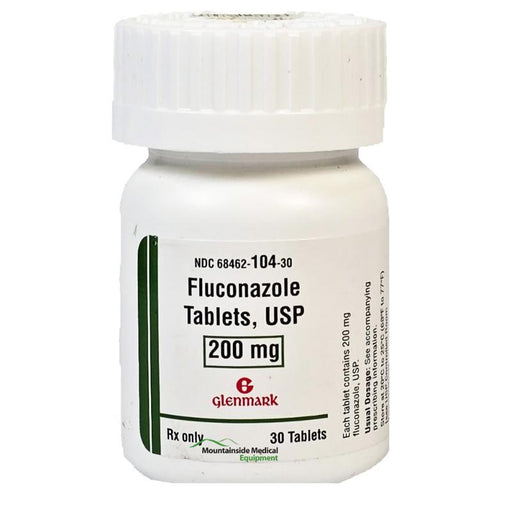
Get Powerful, Broad-Spectrum Antifungal Relief with Fluconazole 200 mg – The Doctor-Recommended Solution for Systemic and Severe Fungal Infections
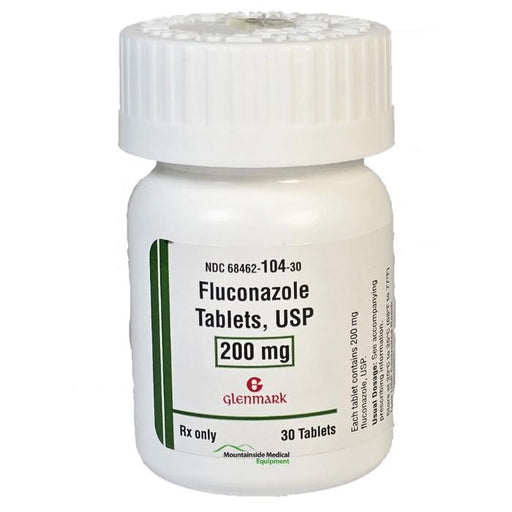
Fluconazole Tablets 200 mg by Rising Pharmaceuticals provide fast, effective relief and treatment for a wide range of serious and persistent fungal infections. Engineered for precision, potency, and long-lasting success, these prescription antifungal tablets are the first choice for healthcare professionals managing systemic candidiasis, cryptococcal meningitis, and resistant oral or esophageal infections. Trust the treatment backed by medical experts and relied on in top hospitals and clinics for broad-spectrum antifungal action with every dose.
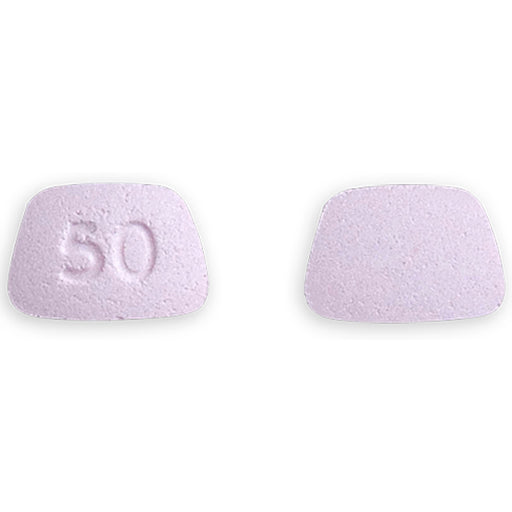
Take control of fungal and yeast infections with the clinically proven power of Fluconazole 200 mg Tablets from Rising Pharmaceuticals. Each bottle contains 30 potent, prescription-strength tablets engineered to deliver rapid relief and complete eradication of tough fungal infections, even those resistant to other antifungal medications. Fluconazole is recommended worldwide by doctors and pharmacists for its broad-spectrum antifungal activity, high oral bioavailability, and excellent safety profile.
Fluconazole is a triazole antifungal agent that works by inhibiting ergosterol synthesis, an essential component of fungal cell membranes. Its potent, selective action makes it the go-to therapy for a variety of fungal infections in adults and children. Fluconazole is especially effective for:
- Vaginal yeast infections (vaginal candidiasis)
- Oral and esophageal thrush
- Systemic candidiasis
- Urinary tract yeast infections
-
Cryptococcal meningitis (especially in immunocompromised patients, including those with HIV/AIDS)
- Fungal nail infections (onychomycosis)
- Fungal infections in immunocompromised or transplant patients
Buy Fluconazole 200 mg Tablets 30/Bottle Today for Complete, Powerful Antifungal Protection!
Experience powerful relief from severe fungal and yeast infections. Choose Fluconazole 200 mg by Rising Pharmaceuticals – the definitive oral antifungal tablet for trusted, pharmacy-grade, prescription-strength protection.
NDC: 57237-0006-30 UPC: 357237006306
Uses and Applications
Fluconazole 200 mg is indicated for:
- Systemic candidiasis: including candidemia, disseminated, and peritoneal infections
- Oropharyngeal and esophageal candidiasis: especially in immunocompromised patients (HIV/AIDS, cancer/chemotherapy)
- Cryptococcal meningitis: initial and maintenance therapy in adults and children
- Prophylaxis of fungal infections: in bone marrow transplant patients or those receiving immunosuppressive therapy
- Chronic mucocutaneous candidiasis
- Urinary tract and peritonitis due to candida species
- Off-label for certain dermatophytosis and other rare mycotic infections (per physician direction)
- Suitable for adult and select pediatric patients under physician supervision
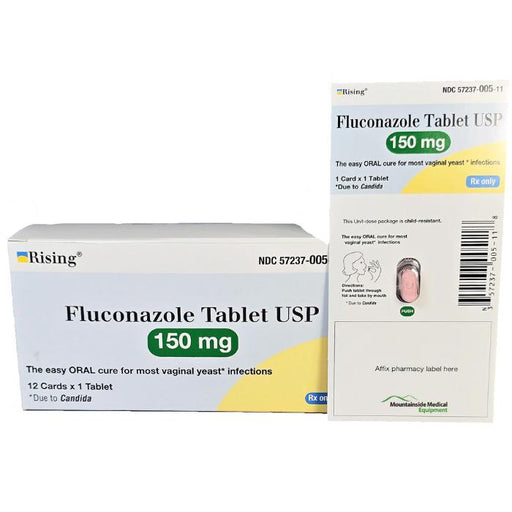
Note: 200 mg strength is intended primarily for severe, systemic, or persistent fungal infections, not for typical vaginal yeast infection which usually uses 150 mg single dose.
Dosage and Administration
Dosage varies by indication, patient age, and clinical condition. Common adult dosing includes:
- Oropharyngeal candidiasis: 200 mg on the first day, followed by 100 mg once daily for at least 2 weeks
- Esophageal candidiasis: 200 mg on first day, then 100 mg-200 mg daily for at least 3 weeks and for 2 weeks after symptoms resolve
- Systemic candidiasis: 400 mg on first day, then 200 mg-400 mg once daily
- Cryptococcal meningitis: 400 mg on first day, then 200 mg-400 mg once daily for 6-8 weeks or as directed
- Prophylaxis (e.g., bone marrow transplant): 400 mg once daily
Pediatric dosing is weight-based—consult physician. Kidney impairment may require dose adjustment.
ALWAYS CONSULT your physician or healthcare provider for exact regimen and follow your prescription instructions.
Drug Interactions
Fluconazole is a potent CYP2C9, CYP2C19, and moderate CYP3A4 inhibitor. Key interactions may include:
- Warfarin & anticoagulants: Increased bleeding risk
- Statins: Elevated risk of muscle toxicity (rhabdomyolysis)
- Oral hypoglycemics (e.g., sulfonylureas): Risk of low blood sugar
- Anti-arrhythmics (e.g., amiodarone): QT prolongation
- Benzodiazepines, SSRIs: Increased sedation
- Immunosuppressants (e.g., cyclosporine, tacrolimus): Risk of toxicity
- Theophylline, rifampin, phenytoin, certain antihistamines, and more
Always tell your doctor or pharmacist all medications, supplements, or herbs you are taking to avoid dangerous reactions.
Side Effects
Most common:
- Headache
- Nausea, upset stomach, vomiting
- Abdominal pain
- Diarrhea
- Rash
Serious or rare:
- Liver enzyme elevations, hepatitis, jaundice
- Severe skin reactions: Stevens-Johnson syndrome, toxic epidermal necrolysis
- Anaphylaxis (severe allergic reaction)
- QT interval prolongation, arrhythmias (heart rhythm changes)
- Seizures (rare)
Seek immediate medical attention for skin blistering, yellowing of eyes/skin, dark urine, severe rash, or signs of liver or allergic reactions.