Fluorouracil Cream 5% (Topical)
Fluorouracil (5-FU) cream is a prescription topical antineoplastic medication used in dermatology. The “5%” means it contains 5 g of fluorouracil per 100 g of cream (i.e. 50 mg per gram). Chemically, fluorouracil is a fluorinated pyrimidine (5-fluoro-2′-deoxyuridine) that acts as an antimetabolite. In its cream form, 5-FU is mixed into a “vanishing cream” base (white petrolatum, cetyl/stearyl alcohol, propylene glycol, parabens, etc.). It is not a simple antibiotic or steroid – it is a chemotherapy agent applied to the skin. Blood levels from topical use are generally very low, but it can still cause profound local effect.
The Leading Topical Treatment for Actinic Keratosis, Basal Cell Carcinoma, and Pre-Cancerous Skin Lesions
Mechanism of Action
Fluorouracil inhibits DNA (and to a lesser extent RNA) synthesis in rapidly dividing cells. Once absorbed by cells, 5-FU is converted to active metabolites that block thymidylate synthase – the enzyme needed to make thymine nucleotides. This “thymine deficiency” prevents DNA replication, leading to cell death Because cancerous and precancerous skin cells divide more rapidly than normal cells, they take up more 5-FU and are selectively destroyed. (Cells with a genetic deficiency in dihydropyrimidine dehydrogenase [DPD] – the enzyme that normally breaks down fluorouracil – can have excessive drug accumulation and severe toxicity.
Uses
Fluorouracil 5% cream is FDA-approved for:
-
Actinic (solar) keratoses: Treating multiple precancerous sun-damaged skin lesions on face, forearms, scalp, or other areas. It clears the patchy precancerous cells to reduce progression to skin cancer.
-
Superficial basal cell carcinoma: For thin, low-risk basal cell skin cancers (e.g. on the face) when surgery or other treatments are impractical. (5% strength is required for this use; lower strengths are generally for actinic keratosis.)
In practice, doctors often prescribe 5% 5-FU cream for widespread AKs or superficial BCCs on visible areas. (It is applied to all affected spots, not just a single lesion.) Some dermatologists also use it off-label for other skin conditions involving abnormal cell growth (e.g. superficial squamous cell carcinoma in situ or large warts), but these are less common and beyond the official label. The official prescribing information emphasizes that the diagnosis should be confirmed before treatment, since 5-FU is only proven for those conditions.
Indications
-
Actinic Keratosis Treatment: Significantly reduces rough, scaly patches and lesions caused by chronic sun exposure.
-
Basal Cell Carcinoma Therapy: Treats superficial basal cell carcinoma (when surgery is contraindicated or not preferred).
-
Prevention of Skin Cancer: Stops the progression of pre-cancerous lesions into malignant skin cancer.
-
Reduces Sun Damage: Improves overall skin appearance by eliminating abnormal cells and promoting the growth of healthy skin.
-
Topical Chemotherapy: Minimizes damage to healthy surrounding tissue compared to invasive procedures.
Why Choose Fluorouracil Cream 5% by Taro Pharmaceuticals?
-
Clinically Proven Effectiveness: Successfully treats and removes actinic keratosis, superficial basal cell carcinoma, and rough, scaly sun spots before they progress into skin cancer.
-
Dermatologist Recommended: Gold standard in topical skin cancer therapy for decades; safe and effective with targeted action.
-
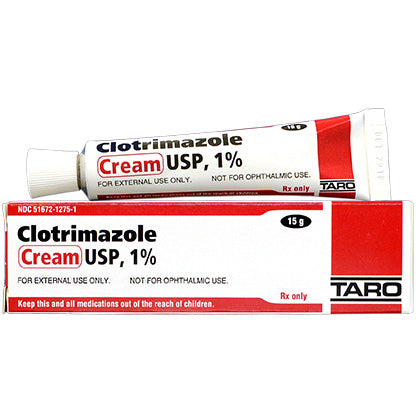
Easy At-Home Use: Convenient 40g tube allows straightforward self-application with clear instructions.
-
Non-Invasive & Prescription-Strength: No surgery required; powerful topical formulation penetrates the skin surface to destroy abnormal and cancerous cells.
-
Prevents Future Skin Cancer: Essential for high-risk patients, those with extensive sun damage, or a history of recurring skin lesions.
How to Use (Application)
Topical application only: Fluorouracil cream is for skin use only. Do not ingest it, get it in the eyes, nose, mouth, or vagina. Follow your doctor’s instructions exactly. Typical directions (which may vary) include applying a thin layer once or twice daily to the entire affected area (not just isolated spots) until a strong inflammatory reaction develops.
Key application steps:
- Wash and thoroughly dry the skin before application. Caregivers or patients should wash hands and wear gloves while applying.
- Apply a thin film of cream over all the visible lesions and a margin of surrounding skin (only enough to cover, not a thick paste).
-
Do not cover the treated area with airtight bandages or plastic. Occlusive dressings are not needed and can increase absorption and irritation – only non-occlusive gauze (for cosmetic reasons) if instructed.
-
Avoid applying to open wounds, inflamed or infected skin. Do not use on eyes, eyelids, lips, nose or inside the mouth – if contact occurs, immediately rinse with water or saline.
- After application, wash your hands again (unless your hands are the treated area) to remove any residual cream
Treatment courses are usually several weeks long. For actinic keratoses, therapy often lasts 2–6 weeks; for superficial BCC, 3–12 weeks. Your doctor will tell you when to stop, which is typically when the inflamed skin has eroded (ulcerated) and new skin is forming.
Expected Effects During Treatment
Fluorouracil cream causes a strong local skin reaction as it works. Initially, treated skin becomes red, swollen, and extremely irritated, often with burning or stinging pain and itch. As therapy continues (usually 1–3 weeks), the lesions often blister, scab over and then ulcerate into raw, oozing patches. Gradually the dead surface skin flakes off, revealing new pink skin beneath. This “chemical burn” appearance is normal and expected – it means the medication is destroying the abnormal cells.
Common side effects include local pain, burning, itching, dryness, scaling, peeling, crusting, and changes in skin pigment or scarring. Small broken blood vessels (telangiectasias) may appear. The treated area may feel tender for some time. Patients should be forewarned that the skin will look much worse before it gets better. If the reaction is extremely severe, or if you develop fever, ulceration beyond the treated area, or signs of infection (pus, severe swelling), contact your healthcare provider immediately.
Important Precautions and Warnings
-
Eye/Nose/Mouth: Avoid all contact with mucous membranes. Even Minimal contact can cause ulcers or scarring. Wear gloves and be careful not to smear cream onto normal skin or into eyes.
-
Pregnancy/Lactation: Contraindicated. Fluorouracil cream can cause serious birth defects or miscarriage. Women must avoid becoming pregnant during treatment. Nursing mothers should not use or handle the cream.
-
DPD Enzyme Deficiency: Patients with a rare genetic deficiency in dihydropyrimidine dehydrogenase (DPD) may develop life-threatening toxicity even from topical 5-FU. Tell your doctor if you have had unusual reactions to 5-FU or related drugs.
-
Sun Exposure: Treated skin is extremely photosensitive. While on therapy (and for about 4 weeks after), avoid direct sunlight or tanning beds. Sunburn can be severe. Wear broad-spectrum sunscreen (SPF 30+) and protective clothing outdoors.
-
Allergies: Do not use if you have a known hypersensitivity to fluorouracil or any cream component (e.g. parabens, cetyl alcohol, etc.).
-
Age/Other Use: Not approved for children. Use with caution in elderly or immunocompromised patients (they may react more strongly).
Handling and Storage
Store fluorouracil cream at room temperature (about 20–25 °C), away from moisture and heat. Do not refrigerate or freeze. Keep the tube tightly closed when not in use and out of reach of children and pets. (Accidental ingestion by pets can be fatal.) Dispose of any unused cream or applicators according to local regulations – do not pour large amounts down the drain.
Brand Names and Formulations
In the U.S., fluorouracil cream is marketed under names like Efudex, Carac, Fluoroplex, Tolak, and others. The 5% cream is the standard strength; there are also formulations at 0.5%, 1%, or 4% for different uses (e.g. very thin or sensitive areas). The product is prescription-only.
Summary: Fluorouracil 5% cream is a potent topical chemotherapy used for treating precancerous and certain superficial cancerous skin lesions. It works by blocking DNA production in rapidly dividing cells). Proper use produces a strong inflammatory reaction on the skin, which is the intended effect (the “bad reaction” indicates the drug is working). Patients must follow exact application instructions, expect intense local irritation, and observe all safety precautions (wear gloves, avoid pregnancy and sun, etc.) during treatment. With careful use under medical supervision, fluorouracil cream effectively clears many actinic keratoses and superficial skin cancers, but it must be handled as a serious medication.
Product Details
-
Active Ingredient: Fluorouracil 5% (50mg/g)
-
Size: 40 gram tube
-
Manufacturer: Taro Pharmaceuticals
-
Usage: Topical, prescription only
-
Indications: Treatment of actinic keratosis, superficial basal cell carcinoma, and sun-damaged skin lesions
Achieve dermatologist-recommended results with Fluorouracil Cream 5% from Taro Pharmaceuticals, the gold standard in topical chemotherapy for actinic keratosis (AK), superficial basal cell carcinoma, and other pre-cancerous and cancerous skin conditions. Trusted by skin care professionals and oncologists, this FDA-approved topical treatment helps prevent the progression of sun-damaged skin cells by targeting abnormal growths at the source.