Lidocaine Topical Ointment 5%, 35 gram Tube (Rx)
How to Order:
You will receive instructions on how to create an account along with Rx Ordering Details.
(Note: Acceptable licenses must have Prescriptive Authority in the license issuing state.)
Cart subtotal
Sale 20%
Hylenex is the brand name for a recombinant human hyaluronidase enzyme given by injection. Hyaluronidase is sometimes nicknamed a “spreading factor...
View full details
Sale
EasyTouch insulin syringes are simply a branded line of standard “U-100” insulin syringes made by MHC Medical (sold under the EasyTouch name). In o...
View full details
Sold out
Transform your skin with powerful, dermatologist-recommended Tretinoin Cream 0.025%! Tretinoin Cream 0.025% by Padagis US is an advanced, prescript...
View full details
Sale
Pink Nitrile Gloves Microtouch by Ansell are made of nitrile and are free of sulfur-based chemical accelerators. This non-sterile glove protects a...
View full details
Sale 30%
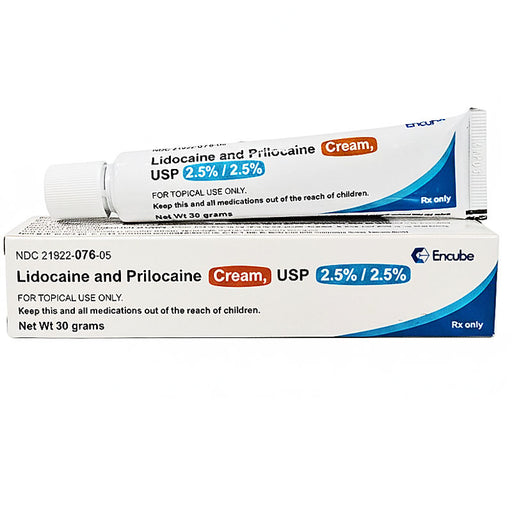
Premium topical numbing cream for pain relief, dermatological procedures, and cosmetic treatments Lidocaine 2.5% and Prilocaine 2.5% Numbing Cream ...
View full details
Sale 39%
Clearer, Smoother, Younger-Looking Skin—Clinically Proven Tretinoin Therapy. Retin-A Gel 0.025% (Tretinoin), 15g by Bausch Health US, is the gold-s...
View full details
Sale 34%
Relieve Angina Symptoms Fast with Doctor-Trusted Nitroglycerin Ointment – Effective Heart Chest Pain Relief & Vasodilator Therapy Get effective...
View full details
Sale
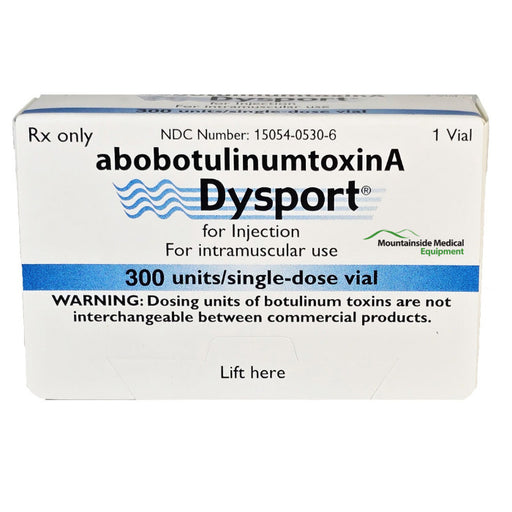
Dysport is an FDA-approved prescription medication containing botulinum toxin, designed to temporarily improve the appearance of moderate to severe...
View full details
Sale
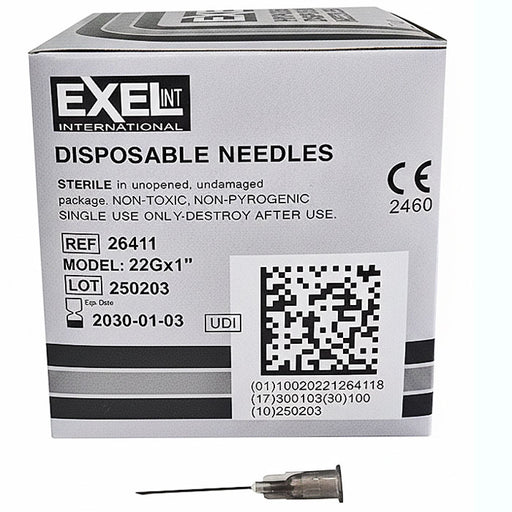
Hypodermic Needles– 18G, 21G, 22G, 25G, 26G, 27G Hypodermic Needles set the global standard for quality, performance, and safety in medication deli...
View full details
Sale 21%
Bacteriostatic Water for Injection is a pharmaceutical-grade sterile diluent formulated with 0.9% benzyl alcohol as a preservative, enabling safe m...
View full details
Sale 43%
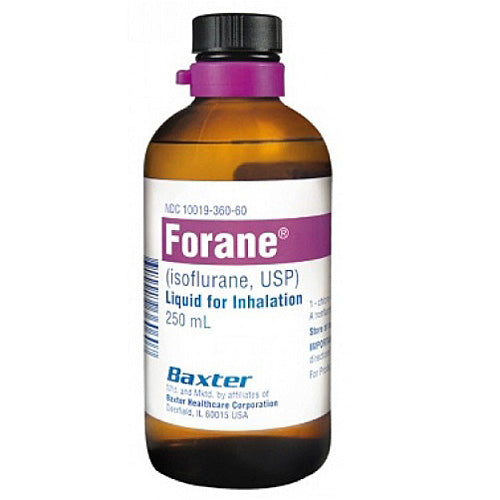
Forane Isoflurane Anesthesia Liquid for Inhalation is a medical product used to induce and maintain general anesthesia during surgical procedures. ...
View full details
Sale 38%
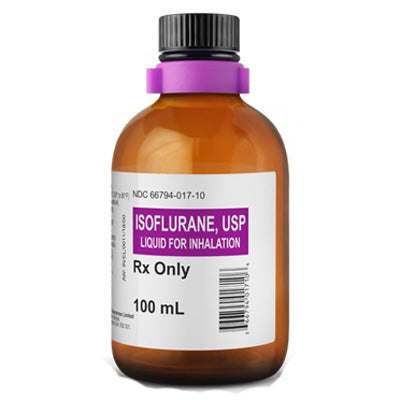
Piramal Critical Care Isoflurane USP Anesthesia Liquid for Inhalation is a pharmaceutical product used for general anesthesia during surgery or med...
View full details
Sale 25%
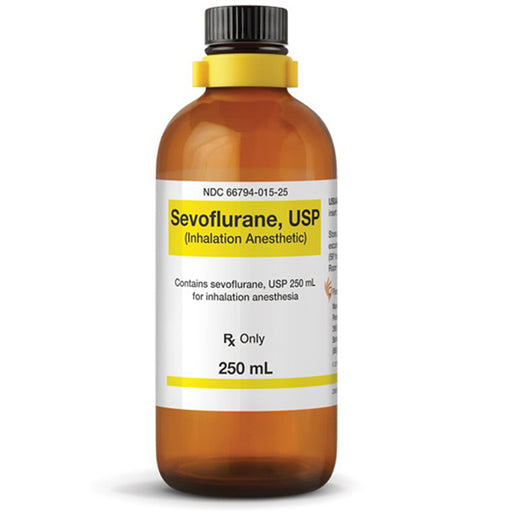
Sevoflurane Inhalation Anesthetic is an effective anesthesia option for patients needing a certain level of sedation during medical or surgical pro...
View full details
Sold out
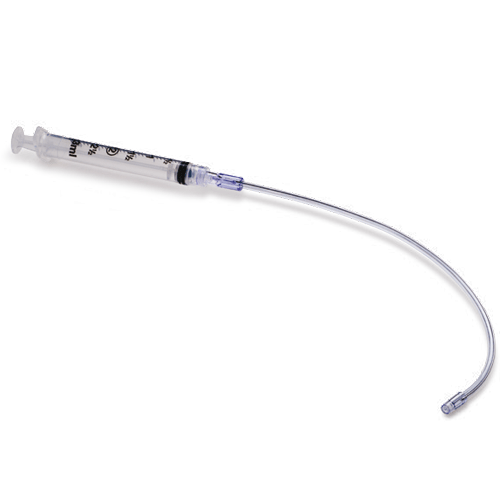
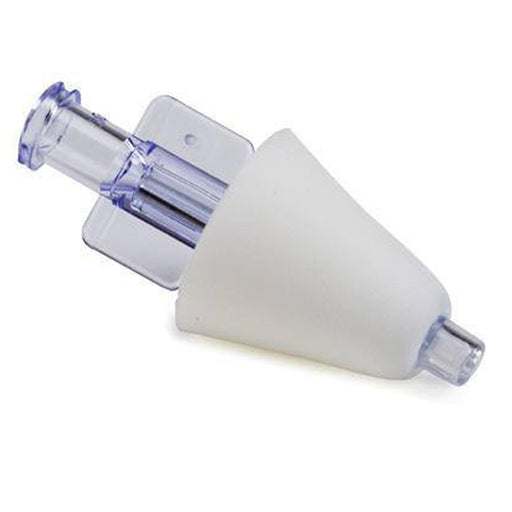
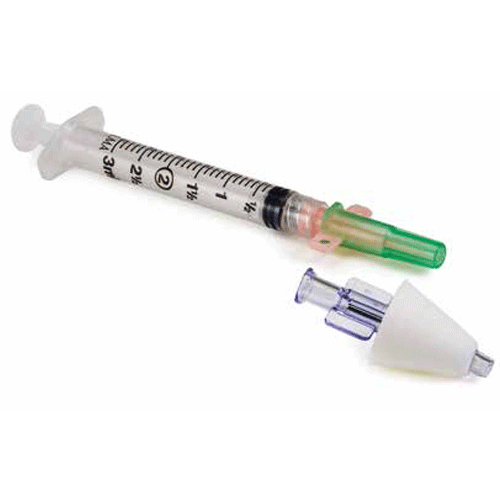
LMA MADgic Laryngo-Tracheal Mucosal Atomization Device features an innovative design that enables clinicians to deliver a fine mist of atomized med...
View full details
Sale 16%
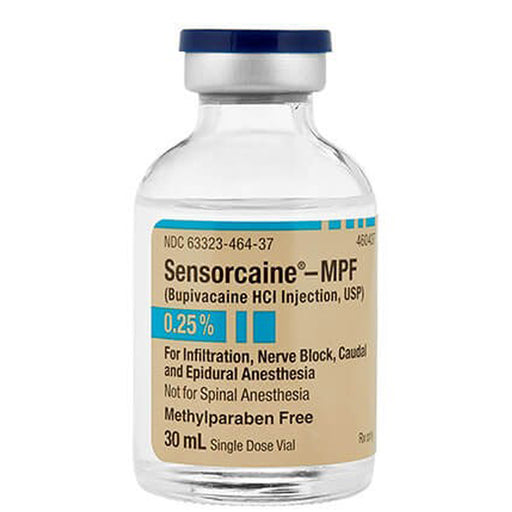
Sensorcaine MPF (Bupivacaine HCL Injection) 0.25% 30 mL Single-dose Vials - 25 Pack. Sensorcaine (bupivacaine HCL) is indicated for the production ...
View full details
Sale 26%
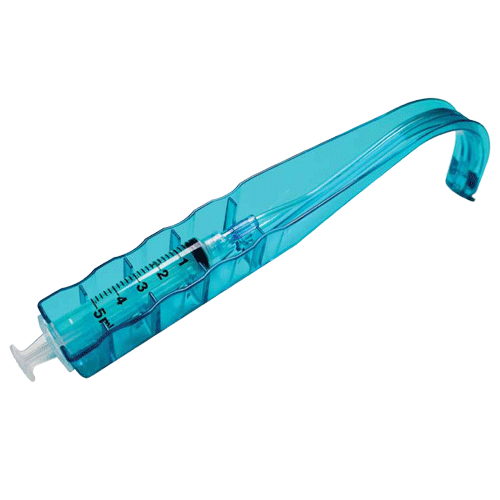
LMA MADgicWand Mucosal Atomizer Device with 5 mL Syringe is the ideal choice for precisely administering to the hard-to-reach glottic opening, with...
View full details
Sale 31%
#1 Intranasal Atomizer for Rapid, Needle-Free Drug Delivery Trusted by emergency medicine professionals and first responders for fast, effective, p...
View full details
Sold out
Teleflex MAD140 Mucosal Atomization Device provides a great alternative to intravenously administering medications with a very minimal utilization ...
View full details
Sale 47%
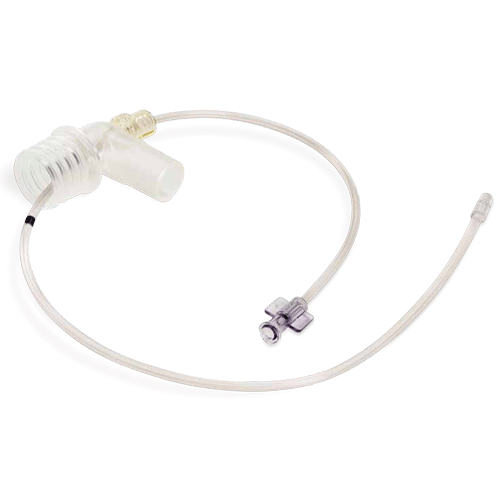
LMA MADett Endotracheal Tube Mucosal Atomization Device enables clinicians to spray directly into the lungs of intubated patients. Administering ex...
View full details
Sale 24%
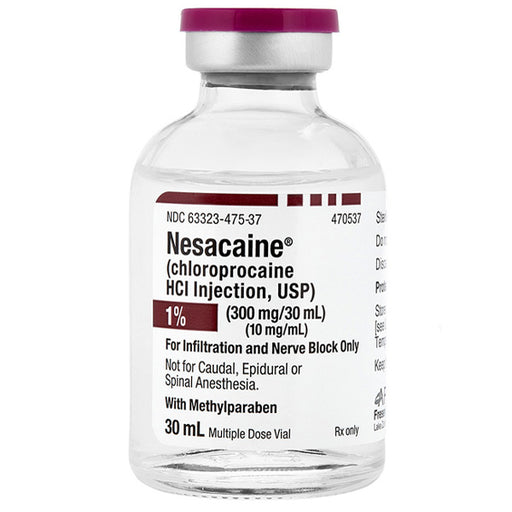
Nesacaine Chloroprocaine HCL 1% Injection 30 mL Multiple-Dose Vials 25-Pack is a medication used for local anesthesia in various medical procedures...
View full details
Sale 50%
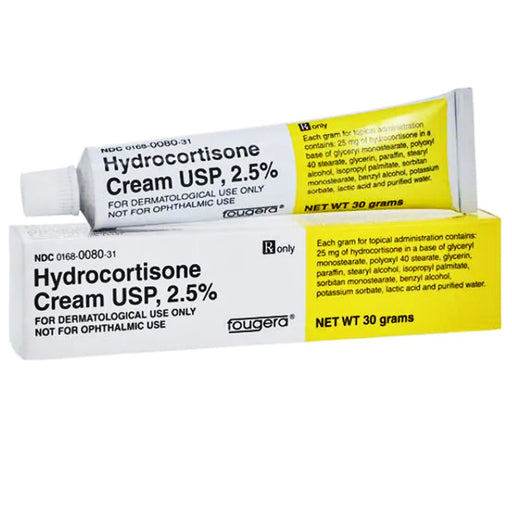
Fougera Hydrocortisone Cream 2.5% is a topical corticosteroids used to reduces the actions of chemicals in the body that cause inflammation, rednes...
View full details
Sale 25%
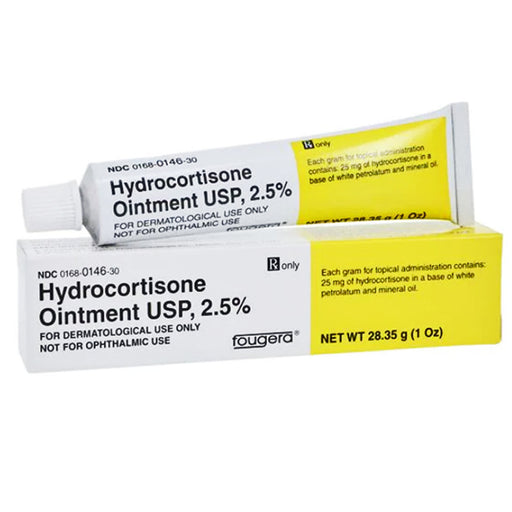
Hydrocortisone is a corticosteroid hormone that is produced in the adrenal cortex. It is released in response to stress and has a wide range of eff...
View full details
Sale 21%
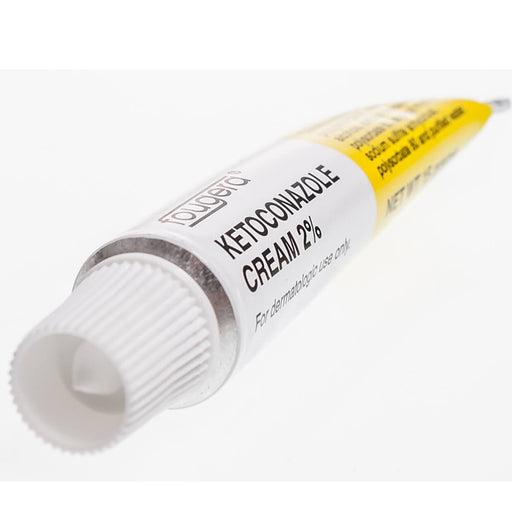
Ketoconazole topical antifungal cream 2% is a medication used to treat fungal infections of the skin, including ringworm, athlete's foot, jock itch...
View full details
Sale 23%
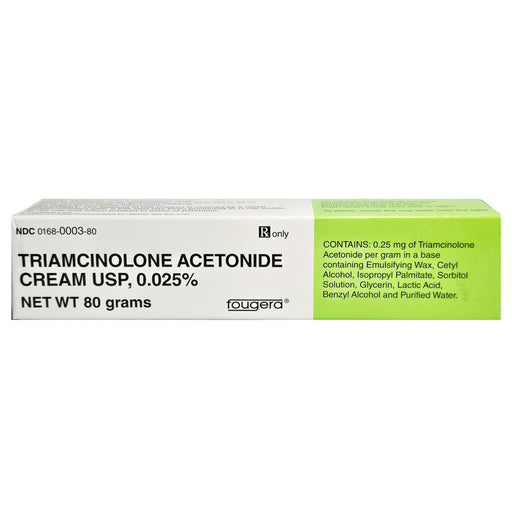
Triamcinolone Acetonide 0.025% Cream 80 Grams is used to treat the inflammation caused by a number of conditions such as allergic reactions, eczema...
View full details
Sale 33%
Fougera Hydrocortisone 1% anti-Itch cream with aloe vera is used to temporarily relieve itching associated with minor skin irritations, inflammatio...
View full details
Sale 23%
Betamethasone Dipropionate Lotion is a topical corticosteroid that is used to treat a variety of skin conditions, including eczema, psoriasis, and ...
View full details
Sale 32%
Lidocaine 2.5% and Prilocaine 2.5% Cream (EMLA® Cream) is used to numb the skin before minor painful procedures, most often needle sticks and minor...
View full details
Sale 34%
Dibucaine Topical Anesthetic Hemorrhoidal Ointment 1% is a topical medication used to temporarily relieve pain, itching, and discomfort caused by h...
View full details
Sale 24%
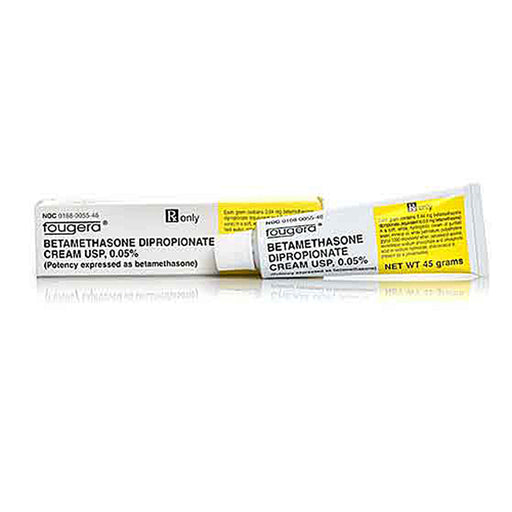
Betamethasone Dipropionate Cream 0.5% is used to help relieve redness, itching, swelling, or other discomforts caused by certain skin conditions. B...
View full details
Sale 30%
Surgilube Lubricating Jelly Foil Packets are individual packets of lubricant that contain 3 grams (approximately 1 teaspoon) of Surgilube jelly. Su...
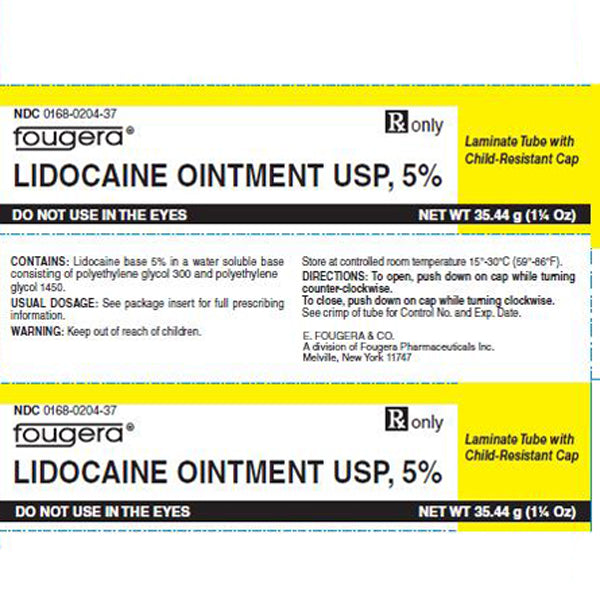
View full detailsFougera Lidocaine Ointment 5%, 35 gram Tube is a topical ointment used as an local anesthetic that temporary relief of pain associated with minor burns, including sunburn, abrasions of the skin, and insect bites.
Mechanism of action:
Lidocaine stabilizes the neuronal membrane by inhibiting the ionic fluxes required for the initiation and conduction of impulses, thereby effecting local anesthetic action.
Onset of anesthesia:
Lidocaine Ointment 5% effects local, topical anesthesia. The onset of action is 3-5 minutes. It is ineffective when applied to intact skin.
Hemodynamics:
Excessive blood levels may cause changes in cardiac output, total peripheral resistance, and mean arterial pressure. These changes may be attributable to a direct depressant effect of the local anesthetic agent on various components of the cardiovascular system.
Pharmacokinetics and metabolism:
Lidocaine may be absorbed following topical administration to mucous membranes, its rate and extent of absorption depending upon the specific site of application, duration of exposure, concentration, and total dosage. In general, the rate of absorption of local anesthetic agents following topical application occurs most rapidly after intratracheal administration. Lidocaine is also well-absorbed from the gastrointestinal tract, but little intact drug appears in the circulation because of biotransformation in the liver.
Lidocaine is metabolized rapidly by the liver, and metabolites and unchanged drug are excreted by the kidneys. Biotransformation includes oxidative N-dealkylation, ring hydroxylation, cleavage of the amide linkage, and conjugation. N-dealkylation, a major pathway of biotransformation, yields the metabolites monoethylglycinexylidide and glycinexylidide. The pharmacological/toxicological actions of these metabolites are similar to, but less potent than, those of lidocaine. Approximately 90% of lidocaine administered is excreted in the form of various metabolites, and less than 10% is excreted unchanged. The primary metabolite in urine is a conjugate of 4-hydroxy-2,6-dimethylaniline.
The plasma binding of lidocaine is dependent on drug concentration, and the fraction bound decreases with increasing concentration. At concentrations of 1 to 4 μg of free base per mL, 60 to 80 percent of lidocaine is protein bound. Binding is also dependent on the plasma concentration of the alpha-l-acid glycoprotein.
Lidocaine crosses the blood-brain and placental barriers, presumably by passive diffusion.
Studies of lidocaine metabolism following intravenous bolus injections have shown that the elimination half-life of this agent is typically 1.5 to 2.0 hours. Because of the rapid rate at which lidocaine is metabolized, any condition that affects liver function may alter lidocaine kinetics. The half-life may be prolonged two-fold or more in patients with liver dysfunction. Renal dysfunction does not affect lidocaine kinetics but may increase the accumulation of metabolites.
Factors such as acidosis and the use of CNS stimulants and depressants affect the CNS levels of lidocaine required to produce overt systemic effects. Objective adverse manifestations become increasingly apparent with increasing venous plasma levels above 6.0 μg free base per mL. In the rhesus monkey arterial blood levels of 18-21 μg/mL have been shown to be threshold for convulsive activity.
Brand: Fougera Pharmaceuticals
Size: 35.44 gram tube
NDC: 00168-0204-37
UPC: 301680204376
Buy Fougera Lidocaine Ointment 5%, 35 gram Tube online at Mountainside Medical Equipment.
Fougera Lidocaine Ointment 5%, 35 gram Tube is a topical ointment used as an local anesthetic that temporary relief of pain associated with minor burns, including sunburn, abrasions of the skin, and insect bites.
Mechanism of action:
Lidocaine stabilizes the neuronal membrane by inhibiting the ionic fluxes required for the initiation and conduction of impulses, thereby effecting local anesthetic action.
Onset of anesthesia:
Lidocaine Ointment 5% effects local, topical anesthesia. The onset of action is 3-5 minutes. It is ineffective when applied to intact skin.
Hemodynamics:
Excessive blood levels may cause changes in cardiac output, total peripheral resistance, and mean arterial pressure. These changes may be attributable to a direct depressant effect of the local anesthetic agent on various components of the cardiovascular system.
Pharmacokinetics and metabolism:
Lidocaine may be absorbed following topical administration to mucous membranes, its rate and extent of absorption depending upon the specific site of application, duration of exposure, concentration, and total dosage. In general, the rate of absorption of local anesthetic agents following topical application occurs most rapidly after intratracheal administration. Lidocaine is also well-absorbed from the gastrointestinal tract, but little intact drug appears in the circulation because of biotransformation in the liver.
Lidocaine is metabolized rapidly by the liver, and metabolites and unchanged drug are excreted by the kidneys. Biotransformation includes oxidative N-dealkylation, ring hydroxylation, cleavage of the amide linkage, and conjugation. N-dealkylation, a major pathway of biotransformation, yields the metabolites monoethylglycinexylidide and glycinexylidide. The pharmacological/toxicological actions of these metabolites are similar to, but less potent than, those of lidocaine. Approximately 90% of lidocaine administered is excreted in the form of various metabolites, and less than 10% is excreted unchanged. The primary metabolite in urine is a conjugate of 4-hydroxy-2,6-dimethylaniline.
The plasma binding of lidocaine is dependent on drug concentration, and the fraction bound decreases with increasing concentration. At concentrations of 1 to 4 μg of free base per mL, 60 to 80 percent of lidocaine is protein bound. Binding is also dependent on the plasma concentration of the alpha-l-acid glycoprotein.
Lidocaine crosses the blood-brain and placental barriers, presumably by passive diffusion.
Studies of lidocaine metabolism following intravenous bolus injections have shown that the elimination half-life of this agent is typically 1.5 to 2.0 hours. Because of the rapid rate at which lidocaine is metabolized, any condition that affects liver function may alter lidocaine kinetics. The half-life may be prolonged two-fold or more in patients with liver dysfunction. Renal dysfunction does not affect lidocaine kinetics but may increase the accumulation of metabolites.
Factors such as acidosis and the use of CNS stimulants and depressants affect the CNS levels of lidocaine required to produce overt systemic effects. Objective adverse manifestations become increasingly apparent with increasing venous plasma levels above 6.0 μg free base per mL. In the rhesus monkey arterial blood levels of 18-21 μg/mL have been shown to be threshold for convulsive activity.
Brand: Fougera Pharmaceuticals
Size: 35.44 gram tube
NDC: 00168-0204-37
UPC: 301680204376
Buy Fougera Lidocaine Ointment 5%, 35 gram Tube online at Mountainside Medical Equipment.
customer service answered emails quickly. Thank you
Something went wrong. Please try again.
Check your email for exclusive offers and updates from Mountainside Medical.