Ethyl Chloride Spray (Topical Vapocoolant Anesthetic)
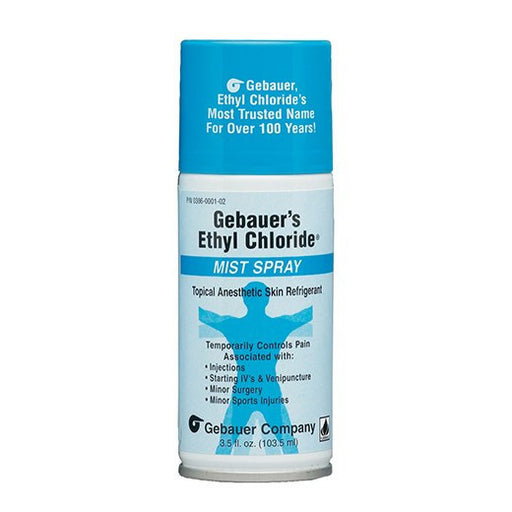
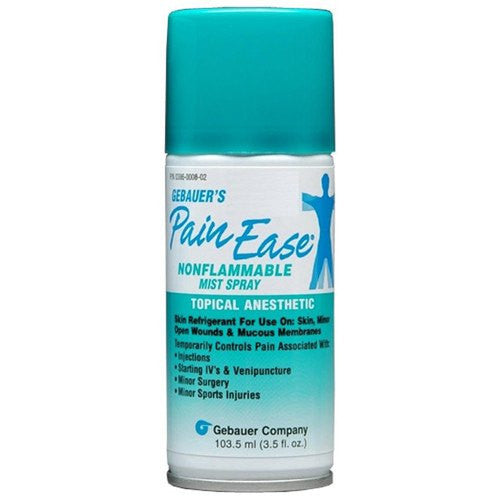
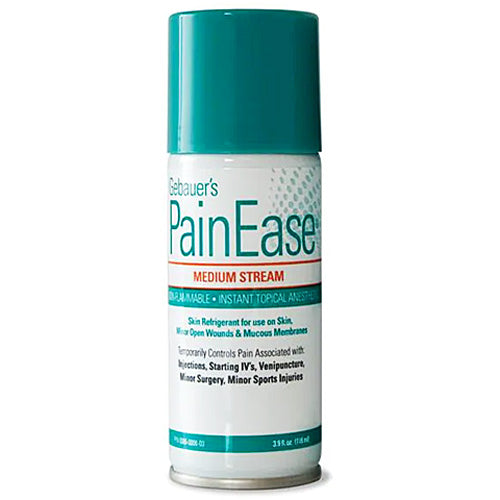
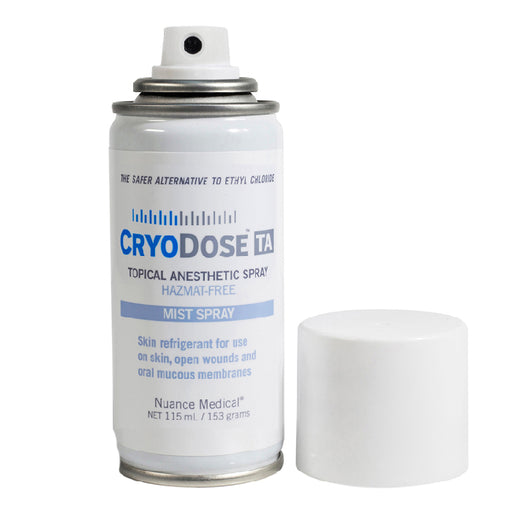
Ethyl chloride (chloroethane) spray is a Vapocoolant used by healthcare personnel to provide quick, temporary numbing (anesthesia) of the skin. It works by rapidly evaporating on the skin, dropping the skin temperature to around –4 °F (–20 °C) for a few seconds. This ultra‐cold effect momentarily blocks pain signals from the area sprayed, allowing brief pain relief and anesthesia. Ethyl chloride is thus classified as a local topical anesthetic (skin refrigerant), and is available by prescription or professional use only.
Uses and Indications
Ethyl chloride spray is used to relieve acute pain from minor procedures or injuries. Typical indications include:
-
Minor surgical procedures: Numbing the skin briefly for injections, IV catheter insertion, ear piercing, removal of small skin lesions (warts, splinters), or minor skin incisions. A 3–7 second spray can anesthetize the area for cutting or suturing. Because the anesthetic effect is very short-lived (typically 30–60 seconds), any procedure must be done promptly after application.
-
Blood draw or intravenous access: To reduce needle pain. Spraying the skin immediately before venipuncture can lessen the needle‐stick sensation. Clinical trials confirm ethyl chloride spray reduces pain of needle insertions compared to no spray.
-
Sports injuries and musculoskeletal pain: As an analgesic spray for bruises, sprains, strains or muscle trigger points. The “spray‐and‐stretch” technique for tense muscles uses a sweeping spray plus gentle stretching to relieve pain. It provides temporary relief by cooling superficial tissues (used, for example, on a sore knee or muscle bruise after an injury).
-
Burns, insect stings, itching: Briefly numb the pain of minor burns, bug bites, stings or skin irritations. (Mildly irritated skin can be soothed by the cooling effect.)
-
Counterirritant: In some physical therapy or sports medicine settings, ethyl chloride spray is used as a “counterirritant” to relieve deep muscle or joint pain by cooling the overlying skin.
These uses are noted in medical references. For instance, Drugs.com notes ethyl chloride’s use for local anesthesia in “minor operative procedures” and for pain from “burns, insect stings… bruises, contusions, abrasions, swelling, and minor sprains”. Likewise, Poison Control explains it’s used for intravenous catheter insertion, minor surgical procedures, and some sports injuries.
Important: Ethyl chloride spray should only be used on intact skin by or under supervision of trained personnel. It is not for open wounds, and it is not a general analgesic for large-area pain.
How It Works
When sprayed on skin, liquid ethyl chloride rapidly vaporizes, absorbing heat from the skin surface. This intense cooling freezes the upper skin layers (to about –20 °C). In doing so, it numbs the nerve endings in the skin and thus blocks the pain sensation. (After evaporation, the skin quickly rewarms and sensation returns.) The anesthetic effect sets in within a few seconds and lasts under a minute, so the intended procedure should follow right away.
Because ethyl chloride only numbs superficially and briefly, it is mainly used for very short procedures (like needle sticks or incisions) or as a quick “first aid” pain reliever for injuries. It is not a substitute for longer-lasting local anesthetics (like lidocaine) when more time is needed.
Application and Dosage
-
Formulation: Ethyl chloride is supplied as a liquid in special spray canisters (often metal aerosol bottles) that produce a fine mist.
-
Technique for anesthesia: Hold the spray about 3–9 inches (≈8–23 cm) from the target skin. Spray downward onto the skin in a sweeping motion for 3–7 seconds, until the skin just begins to blanch (whiten) but before actual frost forms. The area will feel intensely cold. The small dose used is enough to freeze only the surface. After spraying, immediately perform the procedure (e.g. needle insertion).
-
“Spray and Stretch” for muscles: For muscle trigger points, hold the spray farther back (12–18 inches) and sweep rapidly in strips over the tight muscle while passively stretching that muscle. Do not over-freeze (the skin should not become white or frost over). This numbs the muscle reflex momentarily, allowing effective stretching to relieve spasms. After spraying, the muscle can be gently stretched; then allow the area to warm and repeat if needed.
-
Number of sprays: Only the minimum needed should be used. Often a single spray is enough; do not spray continuously. The Drugs.com monograph advises using the smallest dose that provides effect.
-
Duration of relief: Typically, a 5–10 second spray yields about 20–60 seconds of numbness. If pain returns or procedure isn’t finished, the spray can be repeated after a short wait.
-
Other notes: Use in a well-ventilated area (avoid inhaling fumes). If treating a child, direct the spray carefully and keep them still (rapid cooling can be startling).
Side Effects and Warnings
Common effects: Ethyl chloride spray often causes an immediate stinging or burning sensation when the vapor hits the skin. This usually subsides in seconds as the area goes numb. Transient redness or blanching of the skin is normal after freezing; this fades as the skin rewarms. Some patients may tear up or cough if any spray mist reaches eyes or throat.
Freezing injury (frostbite): Prolonged or excessive spraying can freeze the skin too deeply. Frostbite is the most serious risk of abuse or misuse. Over-spraying can cause purple discoloration, blisters or skin necrosis (as seen in ear-piercing mishaps. Always limit spray time: once the skin blanches, stop spraying. If any area remains painful or turns dark after a spray, seek medical attention – it may be frostbite.
Allergic reaction: Rarely, someone can have an allergic skin reaction (rash, itching) to ethyl chloride or its propellant. If you notice a rash, hives, or severe itching, discontinue use. In very rare cases, inhaling over-sprayed fumes can cause dizziness or respiratory irritation – ensure good ventilation to avoid this.
Flammability: Ethyl chloride is extremely flammable. Keep away from flames, sparks, hot surfaces or electrical arcs. Do not smoke while using it. One report describes a flash burn if electrocautery was used too soon after spraying. Therefore, never use ethyl chloride spray near an open flame or heat source.
Not for open wounds or eyes: Do not apply to broken or inflamed skin (cuts, open wounds, eczema). Also avoid spraying near eyes, nose or mouth. If accidental contact occurs, flush with water immediately. (For eye procedures, other topical anesthetics should be used instead.)
Inhalation risk: Ethyl chloride vapors can be intoxicating if inhaled deeply (“huffing”). This can cause drowsiness, headache, and even serious heart or nervous system effects. Use only the directed short skin spray and avoid breathing it in. It is a prescription-only drug; misuse can be dangerous.
Duration of effect: The numbing effect is very short. Plan to perform any invasive step (needle, cut, etc.) within 30 seconds after spraying. Because anesthesia wears off quickly, ensure not to spray again if the patient is still experiencing pain after the first effect ends – instead consider other anesthesia methods if longer numbness is needed.
Other Precautions
-
Medical supervision: Ethyl chloride spray should only be used by or under professional supervision (e.g. doctors, nurses, paramedics) because of the proper technique required.
-
Storage: Store can upright at room temperature. Do not puncture or burn the can even if empty.
-
Pregnancy/Lactation: Limited data exist, but because absorption is minimal and systemic levels negligible with brief topical use, risk is likely low. Still, use only if necessary and under doctor’s advice.
-
Children: Use caution with young children – keep them still and ensure sprayed area is appropriate. Many practitioners avoid breathing anesthetics on infants.
Summary
Ethyl chloride spray is a fast-acting, short‐duration anesthetic vapor. By freezing the skin, it can reduce pain for a few seconds, which is useful for needle sticks, minor procedures, or quick injury relief. It must be sprayed on intact skin only and never for too long, to avoid frostbite. Its effects are immediate but very brief (often <1 minute). Common side effects are stinging on application, possible skin blanching, and the main hazards are frostbite and flammability. Because of these cautions, ethyl chloride spray is normally used only under medical or trained supervision.