Skip to content

Added to your cart:

Cart subtotal

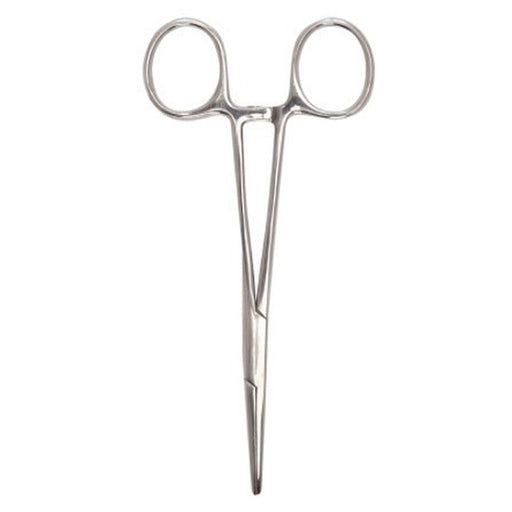
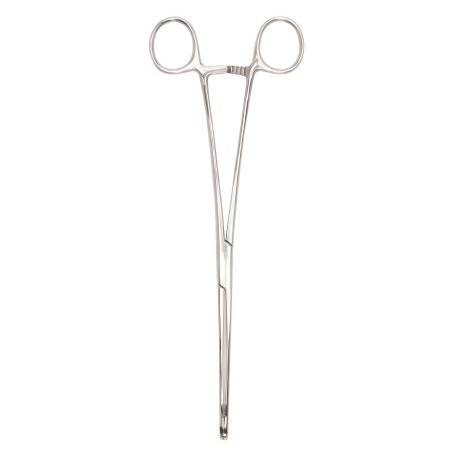
Kelly Hemostatic Forceps 5.5 inch Stainless Steel with Locking Finger Ring Handle Curved Serrated Tips

SKU 43-2-442
Sale 37%
Original price $ 18.95
Current price $ 11.95
In stock
Fast Delivery
Fast Delivery
24/7 Support
24/7 Support
Easy Returns
Easy Returns
Hospital Grade
Hospital Grade
Free Shipping on orders above $100
Returns 30-day return / replacement
Payment Secure transaction
Packaging Ships in product packaging
Service-Disabled Veteran-Owned Small Business
Located in Adirondack Mountains in NY
Family Owned Business 2002
Sale 37%
Original price $ 18.95
Current price $ 11.95
Free Shipping on orders above $100
Returns 30-day return / replacement
Payment Secure transaction
Packaging Ships in product packaging
Kelly Hemostatic Forceps 5.5 inch Stainless Steel with Locking Finger Ring Handle Curved Serrated Tips
$ 18.95 $ 11.95
Description

Hemostatic Kelly Forceps (5.5″ Office-Grade, Curved Serrated)

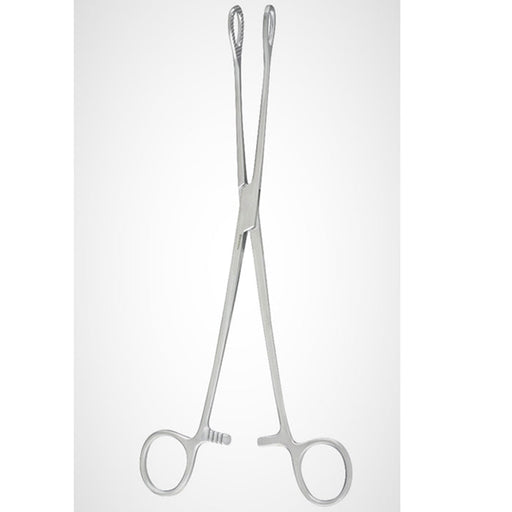
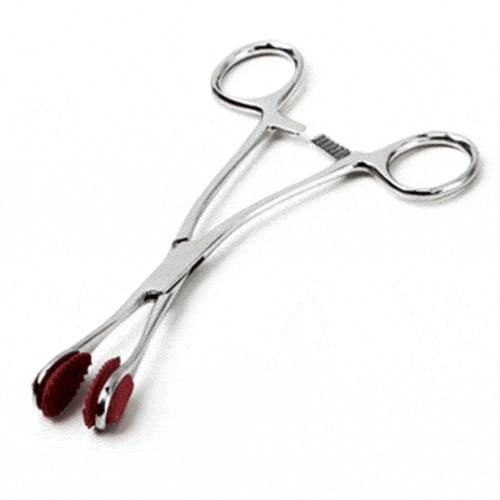
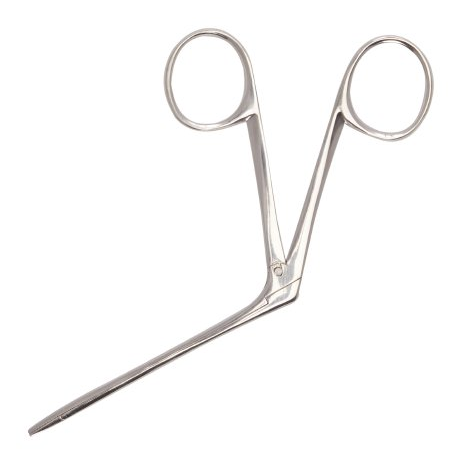
Hemostatic forceps (or hemostats) are clamp-like surgical instruments used to grasp and compress blood vessels or tissues to control bleeding. A Kelly forceps is a common type of hemostat named after Dr. Howard A. Kelly. Like other hemostats, it has two crossed metal shanks joined at a pivot, scissor-like finger rings at one end, and a ratchet lock that holds the jaws closed without continuous pressure. When clamped on a vessel, the ratcheted jaws squeeze the vessel shut to stop blood flow.

Key Features

  • Length: About 5.5 inches (≈14 cm) long. This relatively compact size makes it convenient for minor procedures or office use.
  • Material: Surgical-grade stainless steel (typically types 304 or 316L). Stainless steel is durable, corrosion-resistant and can be sterilized repeatedly.
  • Handle: Finger-ring handles (like scissors) with an integrated ratchet lock. The ratchet has several teeth (“clicks”) so the jaws can be locked at different tensions. This lets the hemostat grip tissue or a vessel securely without squeezing.
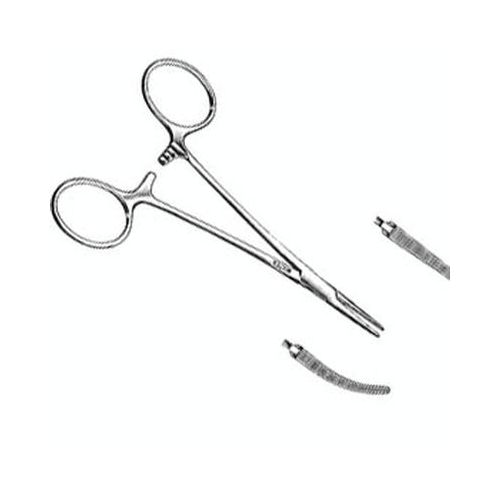
  • Tip design: Curved jaw with serrated tip. The curved profile helps reach around structures or work at an angle, which is useful in abdominal, gynecological and other procedures where depth and approach angle matter. The serrations (tiny transverse teeth) on each jaw provide a firm grip on tissue. In Kelly forceps specifically, the distal half of the jaws is serrated while the half near the pivot is smooth, giving a balance between a secure grip and gentle handling of tissue.

Function and Use

As a hemostat, this Kelly forceps is primarily used to clamp blood vessels or tissue to achieve hemostasis (prevent bleeding). When the serrated jaws are closed, they compress a vessel or bundle of tissue, obstructing blood flow through that vessel. One source explains that “Kelly hemostats can be used to clamp larger vessels or grasp tissue”, indicating that this instrument is suitable for moderate-size vessels or tissue bundles (larger than what very fine mosquito forceps would handle). In general surgical trays, Kelly clamps are often paired with other hemostats: for example, mosquito forceps clamp very small vessels, Kelly forceps handle medium-sized vessels, and larger Crile or Rochester clamps hold bigger vessels or tissues.

In practice, a clinician might use a 5.5″ curved Kelly forcep in outpatient or minor-surgery settings to control bleeding from a cut vessel, to hold tissue while suturing, or to remove small debris. The curved tip allows the surgeon to work around corners of anatomy (for instance, in gynecologic or abdominal procedures). According to Alira Medical’s instrument guide, Kelly forceps were originally developed for gynecologic surgery and are now “one of the most widely used hemostatic instruments across all general surgical disciplines”.

Office Grade vs. Surgical (OR) Grade

The term “office grade” (also called “floor grade”) indicates a more economical, general-purpose instrument as opposed to a premium surgical-grade tool. For example, Medline’s product listing for a 5.5″ Kelly hemostat notes it is “Great for daily floor use, instead of using OR grade instruments”, and even labels it “Sterile – Single use”. In other words, these office-grade forceps are suitable for routine clinic or ward procedures but are not the polished, high-precision instruments reserved for major operating-room surgery. They are still made of stainless steel and perform the same function, but they may cost less and tolerate fewer sterilization cycles.

In summary, a 5.5″ office-grade Kelly hemostatic forceps is a stainless-steel locking clamp with finger-ring handles and curved, serrated jaws. It is designed to grasp and occlude blood vessels or tissue (achieving hemostasis) during minor surgeries or emergency procedures. The finger-lock ratchet holds tissue securely so the user’s hands are free, and the curved serrated tip provides good access and grip on vessels deep in the surgical field. The “office grade” designation simply denotes that it is an economical model intended for general clinical use, as one might find stocked in a doctor’s office or on the hospital floor.

Description

Hemostatic Kelly Forceps (5.5″ Office-Grade, Curved Serrated)

Hemostatic forceps (or hemostats) are clamp-like surgical instruments used to grasp and compress blood vessels or tissues to control bleeding. A Kelly forceps is a common type of hemostat named after Dr. Howard A. Kelly. Like other hemostats, it has two crossed metal shanks joined at a pivot, scissor-like finger rings at one end, and a ratchet lock that holds the jaws closed without continuous pressure. When clamped on a vessel, the ratcheted jaws squeeze the vessel shut to stop blood flow.

Key Features

  • Length: About 5.5 inches (≈14 cm) long. This relatively compact size makes it convenient for minor procedures or office use.
  • Material: Surgical-grade stainless steel (typically types 304 or 316L). Stainless steel is durable, corrosion-resistant and can be sterilized repeatedly.
  • Handle: Finger-ring handles (like scissors) with an integrated ratchet lock. The ratchet has several teeth (“clicks”) so the jaws can be locked at different tensions. This lets the hemostat grip tissue or a vessel securely without squeezing.
  • Tip design: Curved jaw with serrated tip. The curved profile helps reach around structures or work at an angle, which is useful in abdominal, gynecological and other procedures where depth and approach angle matter. The serrations (tiny transverse teeth) on each jaw provide a firm grip on tissue. In Kelly forceps specifically, the distal half of the jaws is serrated while the half near the pivot is smooth, giving a balance between a secure grip and gentle handling of tissue.

Function and Use

As a hemostat, this Kelly forceps is primarily used to clamp blood vessels or tissue to achieve hemostasis (prevent bleeding). When the serrated jaws are closed, they compress a vessel or bundle of tissue, obstructing blood flow through that vessel. One source explains that “Kelly hemostats can be used to clamp larger vessels or grasp tissue”, indicating that this instrument is suitable for moderate-size vessels or tissue bundles (larger than what very fine mosquito forceps would handle). In general surgical trays, Kelly clamps are often paired with other hemostats: for example, mosquito forceps clamp very small vessels, Kelly forceps handle medium-sized vessels, and larger Crile or Rochester clamps hold bigger vessels or tissues.

In practice, a clinician might use a 5.5″ curved Kelly forcep in outpatient or minor-surgery settings to control bleeding from a cut vessel, to hold tissue while suturing, or to remove small debris. The curved tip allows the surgeon to work around corners of anatomy (for instance, in gynecologic or abdominal procedures). According to Alira Medical’s instrument guide, Kelly forceps were originally developed for gynecologic surgery and are now “one of the most widely used hemostatic instruments across all general surgical disciplines”.

Office Grade vs. Surgical (OR) Grade

The term “office grade” (also called “floor grade”) indicates a more economical, general-purpose instrument as opposed to a premium surgical-grade tool. For example, Medline’s product listing for a 5.5″ Kelly hemostat notes it is “Great for daily floor use, instead of using OR grade instruments”, and even labels it “Sterile – Single use”. In other words, these office-grade forceps are suitable for routine clinic or ward procedures but are not the polished, high-precision instruments reserved for major operating-room surgery. They are still made of stainless steel and perform the same function, but they may cost less and tolerate fewer sterilization cycles.

In summary, a 5.5″ office-grade Kelly hemostatic forceps is a stainless-steel locking clamp with finger-ring handles and curved, serrated jaws. It is designed to grasp and occlude blood vessels or tissue (achieving hemostasis) during minor surgeries or emergency procedures. The finger-lock ratchet holds tissue securely so the user’s hands are free, and the curved serrated tip provides good access and grip on vessels deep in the surgical field. The “office grade” designation simply denotes that it is an economical model intended for general clinical use, as one might find stocked in a doctor’s office or on the hospital floor.

Get Notified When Back in Stock