Skip to content

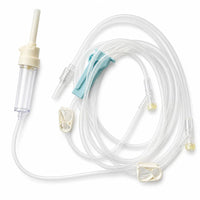
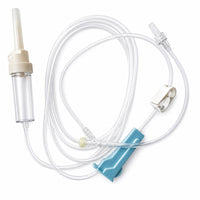
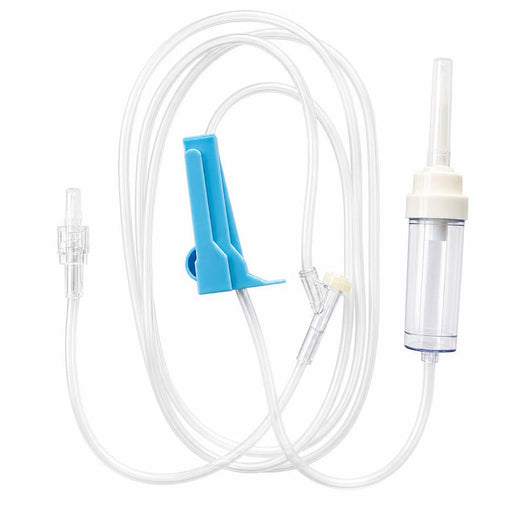
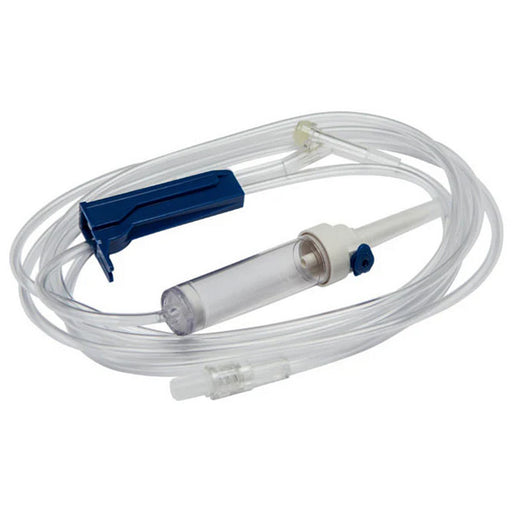
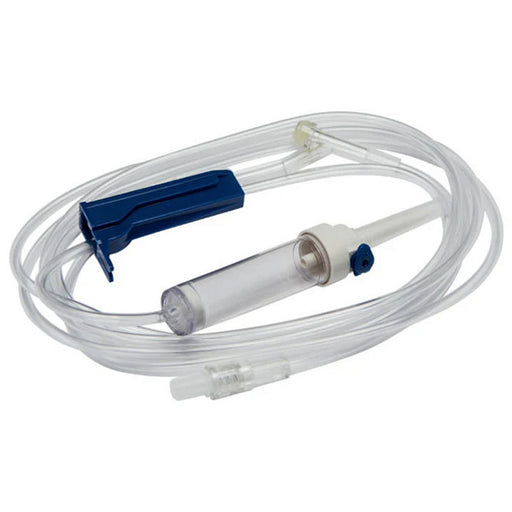
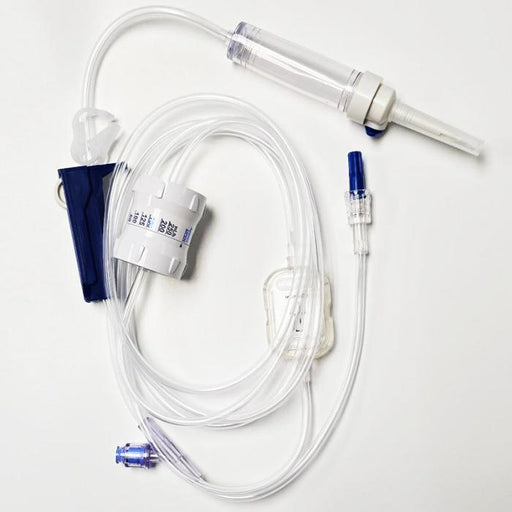
IV Set 15 Drop, Lock/Slip, 2 Injection Site, Roller Clamp, 2 Occlusion Clamps 105 inch

SKU: 7033
Sale 31%
Original price $ 2.29
Current price $ 1.59
Free Shipping on orders above $100
Fast Delivery
Fast Delivery
24/7 Support
24/7 Support
Easy Returns
Easy Returns
Hospital Grade
Hospital Grade
Returns 30-day return / replacement
Payment Secure transaction
Packaging Ships in product packaging
Service-Disabled Veteran-Owned Small Business
Located in Adirondack Mountains in NY
Family Owned Business 2002
Sale 31%
Original price $ 2.29
Current price $ 1.59
Free Shipping on orders above $100
Fast Delivery
Fast Delivery
24/7 Support
24/7 Support
Easy Returns
Easy Returns
Hospital Grade
Hospital Grade
Returns 30-day return / replacement
Payment Secure transaction
Packaging Ships in product packaging
IV Set 15 Drop, Lock/Slip, 2 Injection Site, Roller Clamp, 2 Occlusion Clamps 105 inch
$ 2.29 $ 1.59
Description

IV sets are apparatuses connecting IV fluid bags to a patient’s vein via tubing, allowing healthcare providers to precisely regulate the volume and rate of fluid administered.
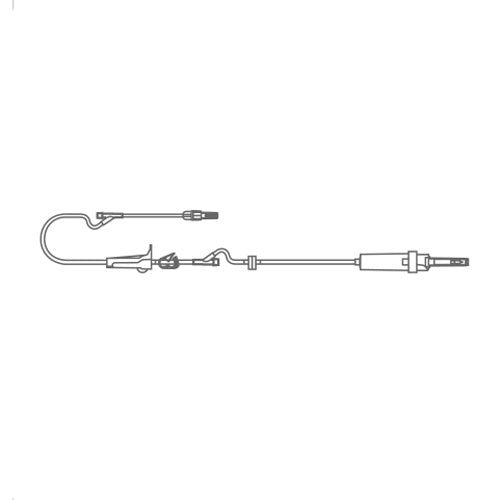
Drop factor (drip factor): Defined as the number of drops required to make up 1 mL of IV fluid. It is usually printed on the IV set packaging.

Common drip factors include:

  • Microdrip: 60 gtts/mL
  • Macrodrip: 10, 15, or 20 gtts/mL

What are 15 Drop IV Sets Used For?

15 drop sets are classified as macrodrip sets. Their most common applications include:

A. General Fluid Administration

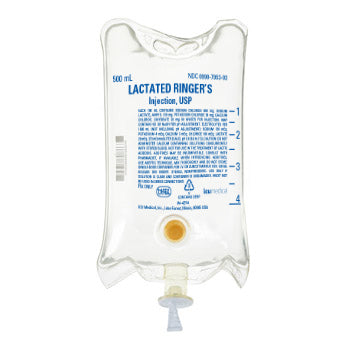
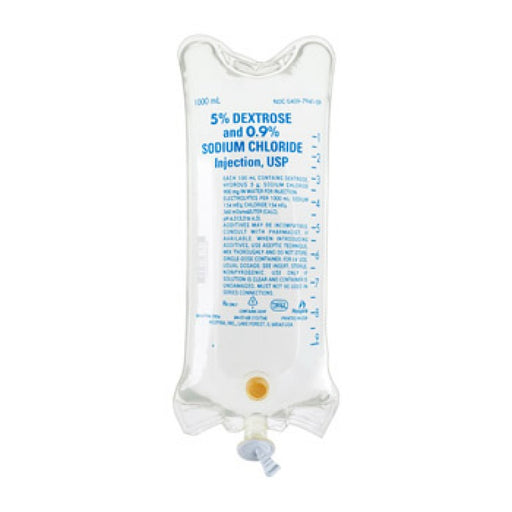
  • Hydration: For patients needing moderate-to-large volumes of fluids (e.g., saline, ringers lactate).
  • Electrolyte/Medication Delivery: Suitable for giving IV drugs mixed in larger fluid volumes.

B. Moderate Flow Rates

  • Adult patients who need fluids at moderate rates—not too slow (as with a microdrip set), not too fast (as with a 10 drop set).

C. Emergency/Perioperative/Acute Settings

  • Rapid volume replacement: Useful in surgery, trauma, burns, or shock for moderately rapid fluid administration when 10 gtts/mL is too fast/large, 20 gtts/mL is too slow/small, and precision of 60 gtts/mL is unnecessary.
  • Blood transfusions: Often chosen for blood or blood product infusions (though some manufacturers specify their sets for blood use).

D. Medication Infusion

  • To deliver certain IV medications that require a moderate infusion rate.

Advantages of the 15 Drop IV Set

  • Balance between speed and control: Faster than microdrip, slower than 10 drop set.
  • Ideal for adult maintenance fluid requirements.
  • Makes manual calculation of drip rate (drops/min) manageable for nursing staff.

How to Use/Calculate Infusion Rate with a 15 Drop Set

Formula: [ \text{Flow rate (gtts/min)} = \frac{\text{Volume (mL/hr)} \times \text{Drop factor (gtts/mL)}}{60} ]

Example: To give 1000 mL over 8 hours using a 15 set:

  • 1000 mL ÷ 8 hr = 125 mL/hr
  • 125 mL/hr × 15 / 60 = 31.25 drops/min (set at ~31–32 drops/min)

15 drop IV sets are a "middle" macrodrip IV infusion set, ideal for most adult IV fluid and blood administrations requiring moderate rates of infusion.

Description

IV sets are apparatuses connecting IV fluid bags to a patient’s vein via tubing, allowing healthcare providers to precisely regulate the volume and rate of fluid administered.

Drop factor (drip factor): Defined as the number of drops required to make up 1 mL of IV fluid. It is usually printed on the IV set packaging.

Common drip factors include:

  • Microdrip: 60 gtts/mL
  • Macrodrip: 10, 15, or 20 gtts/mL

What are 15 Drop IV Sets Used For?

15 drop sets are classified as macrodrip sets. Their most common applications include:

A. General Fluid Administration

  • Hydration: For patients needing moderate-to-large volumes of fluids (e.g., saline, ringers lactate).
  • Electrolyte/Medication Delivery: Suitable for giving IV drugs mixed in larger fluid volumes.

B. Moderate Flow Rates

  • Adult patients who need fluids at moderate rates—not too slow (as with a microdrip set), not too fast (as with a 10 drop set).

C. Emergency/Perioperative/Acute Settings

  • Rapid volume replacement: Useful in surgery, trauma, burns, or shock for moderately rapid fluid administration when 10 gtts/mL is too fast/large, 20 gtts/mL is too slow/small, and precision of 60 gtts/mL is unnecessary.
  • Blood transfusions: Often chosen for blood or blood product infusions (though some manufacturers specify their sets for blood use).

D. Medication Infusion

  • To deliver certain IV medications that require a moderate infusion rate.

Advantages of the 15 Drop IV Set

  • Balance between speed and control: Faster than microdrip, slower than 10 drop set.
  • Ideal for adult maintenance fluid requirements.
  • Makes manual calculation of drip rate (drops/min) manageable for nursing staff.

How to Use/Calculate Infusion Rate with a 15 Drop Set

Formula: [ \text{Flow rate (gtts/min)} = \frac{\text{Volume (mL/hr)} \times \text{Drop factor (gtts/mL)}}{60} ]

Example: To give 1000 mL over 8 hours using a 15 set:

  • 1000 mL ÷ 8 hr = 125 mL/hr
  • 125 mL/hr × 15 / 60 = 31.25 drops/min (set at ~31–32 drops/min)

15 drop IV sets are a "middle" macrodrip IV infusion set, ideal for most adult IV fluid and blood administrations requiring moderate rates of infusion.

Get Notified When Back in Stock