Magnesium Citrate Saline Laxative with Lemon Flavor

Bacteriostatic Water Injection by Hospira, Multiple Dose Vials 30 mL 25/Pack (Rx)
$ 539.00
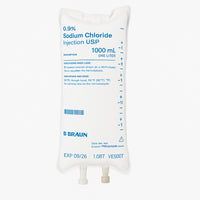
IV Bags, IV Fluid Solution for Intravenous & Infusion IV Therapy (Rx)
$ 10.95
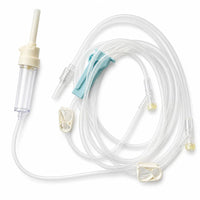
Exel IV Administration Set, Y-Injection Site, 78" Tube, Roller Clamp
$ 1.95
Bacteriostatic Sodium Chloride 0.9% Saline Injection Multiple Dose 30 ml x 25/Pack (Rx)
$ 125.00
MI Paste with Mint Flavor Remineralizing Toothpaste by GC America
$ 24.00
Mi Paste One Anti-Cavity Toothpaste, Fresh Mint by GC America
$ 24.00
Alcohol Prep Pads Sterile by Dynarex 200/Box
$ 2.49
Nitrile Powder Free Examination Gloves Blue Color, 100/Box
$ 7.95
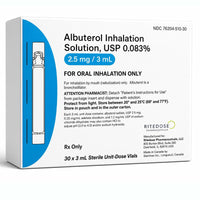
Albuterol Sulfate 0.083% Inhalation Nebulizer Solution 2.5 mg/3 ml 25/Box (Rx)
$ 18.50
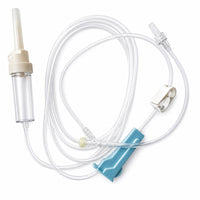
IV Set 15 Drop Luer Lock with 78" Tubing, Roller Clamp, and Y-Injection Site Ports
$ 1.99
Sale 8%
Sale 56%
Sale 35%
Sale 24%
Sale 45%
Sale
Sale 36%
Sale 40%
Sale 30%
Low Stock
Sale 35%
Sale 35%
Sale 45%
Sale 24%
Sale 37%
Sale 36%
Sale 35%
Sale
Sale 40%
Sale 30%
Low Stock
Sale 56%
Magnesium citrate saline laxative with lemon flavor is a type of over-the-counter medication used to treat occasional constipation. It contains magnesium citrate, a type of osmotic laxative that works by drawing water into the intestines to soften stool and stimulate bowel movements. This laxative is also flavored with lemon to make it more palatable. It comes in liquid form and is typically taken by mouth. It is an effective and fast-acting option for relieving constipation.
Magnesium citrate is commonly used for its laxative effect to relieve constipation. It is also used as a dietary supplement to increase magnesium intake and may have some benefits for conditions such as high blood pressure, diabetes, and migraines. It may also be used to help with symptoms of magnesium deficiency such as muscle cramps and weakness.
MeMechanism of Action for Magnesium Citrate:
Magnesium citrate works by increasing the amount of magnesium in the body. Magnesium is an essential mineral that plays a role in more than 300 biochemical reactions in the body, including muscle and nerve function, protein synthesis, blood pressure regulation, and energy production.
When taken orally, magnesium citrate dissociates in the stomach and releases magnesium ions. These ions are then absorbed into the bloodstream through the small intestine and transported to different tissues and organs in the body.
Magnesium Citrate is believed to work through several mechanisms:
1. Involvement in Enzyme Reactions: Magnesium ions are essential for the activation and regulation of many enzymes in the body, including those involved in energy production, protein synthesis, and muscle contraction.
2. Role in Nerve and Muscle Function: Magnesium ions play a crucial role in the transmission of nerve impulses and the contraction and relaxation of muscles.
3. Calcium Channel Blockade: Magnesium can block the entry of calcium into cells, preventing excessive calcium influx and maintaining proper muscle contraction and nerve signal transmission.
4. Stabilization of Cell Membranes: Magnesium ions help maintain the integrity and stability of cell membranes by interacting with phospholipids and other molecules.
5. Modulation of Hormone Levels: Magnesium has been shown to modulate the release and activity of various hormones, such as insulin and parathyroid hormone, which are involved in the regulation of blood sugar levels and calcium balance in the body.
In summary, the mechanism of action for magnesium citrate involves the transport and delivery of magnesium ions to various tissues and organs in the body, where they participate in numerous biological processes that are essential for overall health and well-being.
Magnesium citrate saline laxative with lemon flavor is a type of over-the-counter medication used to treat occasional constipation. It contains magnesium citrate, a type of osmotic laxative that works by drawing water into the intestines to soften stool and stimulate bowel movements. This laxative is also flavored with lemon to make it more palatable. It comes in liquid form and is typically taken by mouth. It is an effective and fast-acting option for relieving constipation.
Magnesium citrate is commonly used for its laxative effect to relieve constipation. It is also used as a dietary supplement to increase magnesium intake and may have some benefits for conditions such as high blood pressure, diabetes, and migraines. It may also be used to help with symptoms of magnesium deficiency such as muscle cramps and weakness.
MeMechanism of Action for Magnesium Citrate:
Magnesium citrate works by increasing the amount of magnesium in the body. Magnesium is an essential mineral that plays a role in more than 300 biochemical reactions in the body, including muscle and nerve function, protein synthesis, blood pressure regulation, and energy production.
When taken orally, magnesium citrate dissociates in the stomach and releases magnesium ions. These ions are then absorbed into the bloodstream through the small intestine and transported to different tissues and organs in the body.
Magnesium Citrate is believed to work through several mechanisms:
1. Involvement in Enzyme Reactions: Magnesium ions are essential for the activation and regulation of many enzymes in the body, including those involved in energy production, protein synthesis, and muscle contraction.
2. Role in Nerve and Muscle Function: Magnesium ions play a crucial role in the transmission of nerve impulses and the contraction and relaxation of muscles.
3. Calcium Channel Blockade: Magnesium can block the entry of calcium into cells, preventing excessive calcium influx and maintaining proper muscle contraction and nerve signal transmission.
4. Stabilization of Cell Membranes: Magnesium ions help maintain the integrity and stability of cell membranes by interacting with phospholipids and other molecules.
5. Modulation of Hormone Levels: Magnesium has been shown to modulate the release and activity of various hormones, such as insulin and parathyroid hormone, which are involved in the regulation of blood sugar levels and calcium balance in the body.
In summary, the mechanism of action for magnesium citrate involves the transport and delivery of magnesium ions to various tissues and organs in the body, where they participate in numerous biological processes that are essential for overall health and well-being.
Something went wrong. Please try again.
Check your email for exclusive offers and updates from Mountainside Medical.
Are you sure you want to cancel your payment? Your cart is still saved.
You need an account to add products to your wishlist. Log in or create an account to start saving your favorites.