Skip to content

Added to your cart:

Cart subtotal

Naltrexone Hydrochloride API Powder Bulk For Custom Compounding (Rx)

SKU 3296-06
Sale 38%
Original price $ 159.95
Current price $ 99.00
In stock
Non-Returnable Ships in 2 to 3 Business Days
*Mountainside Medical does not fill personal prescriptions Medical Professional License Required to Unlock Account

How to Order:

Send an email request to: sales@mountainside-medical.com

You will receive instructions on how to create an account along with Rx Ordering Details.

(Note: Acceptable licenses must have Prescriptive Authority in the license issuing state.)
Fast Delivery
Fast Delivery
24/7 Support
24/7 Support
No Returns
No Returns
Hospital Grade
Hospital Grade
Free Shipping on orders above $100
Payment Secure transaction
Packaging Ships in product packaging
Service-Disabled Veteran-Owned Small Business
Located in Adirondack Mountains in NY
Family Owned Business 2002
Sale 38%
Original price $ 159.95
Current price $ 99.00
Free Shipping on orders above $100
Payment Secure transaction
Packaging Ships in product packaging
Naltrexone Hydrochloride API Powder Bulk For Custom Compounding (Rx)
$ 159.95 $ 99.00
🔒 Medical License Required
Description

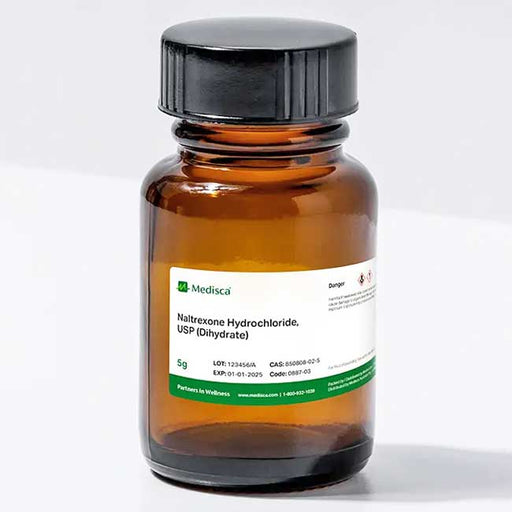
Naltrexone Hydrochloride (API Powder)

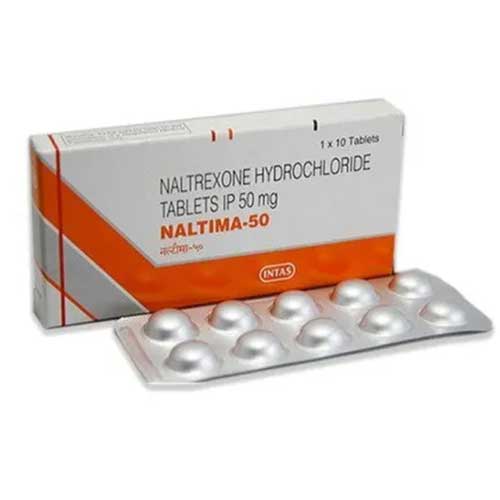
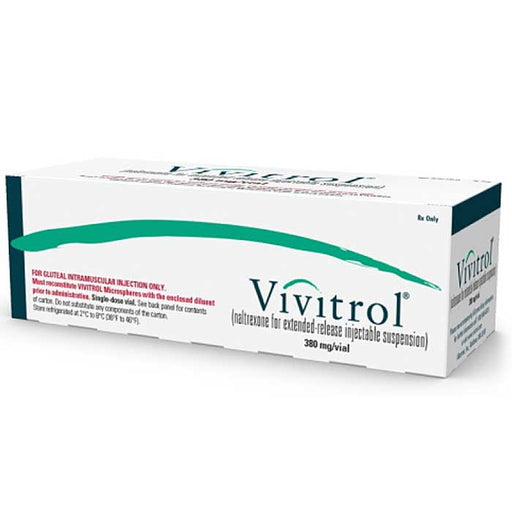
Naltrexone hydrochloride is a pure opioid receptor antagonist used in addiction treatment. It is a synthetic relative of the opioid drug oxymorphone, but unlike opioids it has no agonist (euphoric) activity. In other words, naltrexone binds tightly to opioid receptors (especially the mu receptor) and blocks (“antagonizes”) them, preventing opioids (like heroin, morphine or oxycodone) from producing their effects. By doing so, naltrexone can substantially blunt or block the “high” from opioids and reduce alcohol’s rewarding effects. It is not addictive itself and does not produce sedation or intoxication. The pure hydrochloride salt is a white crystalline powder (water-soluble ~100 mg/mL). In pharmaceutical products, naltrexone HCl is the active ingredient (API) in formulating medications such as 50 mg oral tablets (e.g. ReVia) or extended-release intramuscular injections (e.g. Vivitrol) containing naltrexone.

Naltrexone Hydrochloride API (Active Pharmaceutical Ingredient) Powder refers to the raw, pharmacologically active substance used in the manufacture of the final dosage forms (such as tablets, capsules, or injectable solutions) of the drug Naltrexone.

Uses and Administration

  • Alcohol Dependence: Naltrexone is FDA-approved, in combination with counseling and support, to help maintain abstinence in people with alcohol dependence. By blocking opioid receptors, it diminishes the positive reinforcement and craving triggered by drinking. Tablets (50 mg once daily) or monthly injections (380 mg IM) are used in patients who have stopped drinking to help prevent relapse. Clinical guidelines recommend it as one of the first-line medications for moderate-to-severe alcohol use disorder.

  • Opioid Use Disorder (Relapse Prevention): Naltrexone is also used after detoxification from opioids. In detoxified, opioid-free individuals, naltrexone (oral or monthly shot) blocks the effects of any opioid that someone might take, thereby helping to prevent relapse to opioid abuse. It is often part of a comprehensive treatment program with therapy. Because it has no opioid agonist action, it cannot substitute for methadone or buprenorphine in withdrawal; rather, it is given only after withdrawal to maintain the opioid-free state. (Extended-release naltrexone injections have FDA approval for opioid dependence in patients who have already completed detox.)

  • Other and Off-Label Uses: In combination with bupropion, naltrexone (as Contrave) is used for weight management in obesity (it modulates reward pathways to reduce appetite). It has also been used off-label for impulse-control disorders or chronic pain syndromes, but these are less common and not FDA-approved. Notably, naltrexone is being studied in hereditary angioedema to reduce swelling attacks, and low-dose naltrexone (LDN) is used experimentally in conditions like fibromyalgia or multiple sclerosis, though these uses are investigational.

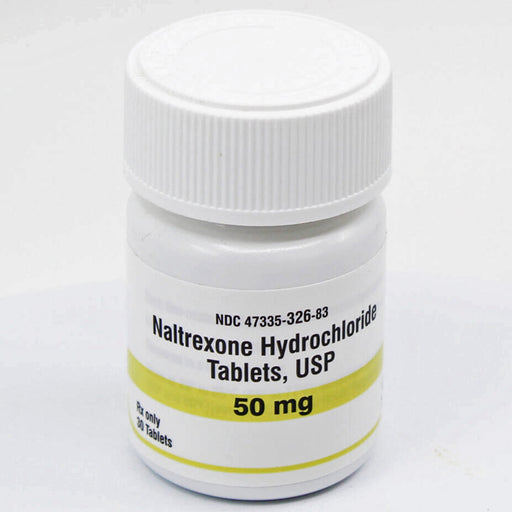
  • Dosage Forms: As an API, naltrexone HCl powder is formulated into tablets (50 mg) or dissolved to make the long-acting injectable suspension (380 mg). For oral use, the common dose is 50 mg once daily. The extended-release injection (Vivitrol) is 380 mg given intramuscularly once a month by a healthcare provider. Because naltrexone has high first-pass metabolism, oral bioavailability is low (5–40%), so higher doses or depot formulations are used to achieve effect.

Important: A patient must be opioid-free (detoxified) before taking naltrexone. Giving naltrexone to someone with opioids in their system will precipitate acute withdrawal (sweating, vomiting, restlessness, etc.). In practice, doctors often perform a naloxone challenge or wait 7–10 days after last opioid use to ensure safety. Likewise, patients should avoid any opioid pain medication while on naltrexone (and for some days after stopping) because opioid analgesics will have little or no effect, and trying to override the blockade can be dangerous.

Side Effects and Adverse Reactions

  • Common Side Effects: The most frequent side effects are mild and typically GI or neuro-psychiatric. These include nausea, headache, dizziness, insomnia, fatigue, anxiety, vomiting, and abdominal pain. In studies, nausea affected about 10% of patients and headache about 7%. Some people report nervousness, insomnia or sleepiness. These symptoms often occur when starting treatment and may lessen over time or with continued therapy.

  • Injection-Related Reactions: For the extended-release injectable form, injection-site reactions are common (pain, redness, swelling, nodule formation) and usually mild or moderate. Rarely, severe necrotic skin reactions have occurred, requiring medical care. Only a trained provider should give Vivitrol injections to minimize these risks.

  • Serious Adverse Effects: Although naltrexone itself is not habit-forming, it has a warning for liver toxicity at high doses. High doses (well above standard therapy) have caused liver enzyme elevations and hepatitis in some patients. Even at normal doses, patients with pre-existing liver disease should be monitored closely (see Precautions). Chronic alcoholics often already have liver impairment, so baseline and periodic liver tests are advised. Patients should report any signs of hepatitis (fatigue, jaundice, dark urine) promptly.

  • Precipitated Withdrawal: As mentioned, inadvertent administration to an opioid-dependent person causes acute withdrawal syndrome. Symptoms can be very uncomfortable or even dangerous. Therefore, one must confirm the patient is opioid-free before starting naltrexone.

  • Overdose Risk Post-Treatment: An important consideration is decreased opioid tolerance. After stopping naltrexone, tolerance to opioids is low. If a patient relapses and takes opioids (especially at doses previously tolerated), there is a high risk of overdose (respiratory failure). Patients and families must be warned that post-naltrexone, even a small amount of opioid can be fatal because the body is unprepared.

  • Psychiatric Effects: Some patients on naltrexone report mood changes, including depression or anxiety. In studies of alcoholics, depression and suicidal ideation occurred in a small percentage, but it is unclear if naltrexone caused this. Any new or worsening depression should be taken seriously, and patients should be monitored for suicidal thoughts.

Precautions and Counseling

  • Opioids: Do not take naltrexone if you are currently on opioid painkillers or methadone/buprenorphine. Doing so can precipitate severe withdrawal. Naltrexone should only be started when a patient is fully detoxified.

  • Liver Disease: Use with caution in liver impairment. High doses of naltrexone have caused liver injury, and patients with acute hepatitis or severe cirrhosis were excluded from trials. Monitor liver enzymes before and during treatment; discontinue if enzymes rise substantially (e.g. > 3× normal) or if hepatitis symptoms appear.

  • Pregnancy and Breastfeeding: There are no adequate studies in pregnant women. Animal data showed fetal loss at very high doses, so naltrexone is FDA pregnancy category C – it should only be used if clearly needed. It is unknown if naltrexone passes into human breast milk, but caution is advised as it did in rats. A decision should balance the risk of untreated addiction vs. potential drug exposure to fetus/infant.

  • Pediatric Use: Safety in children under 18 has not been established. Naltrexone is generally prescribed for adults.

  • Interactions: The major “interaction” is with opioids: naltrexone will block opioid analgesic effects. A patient on naltrexone should not expect relief from opioids; alternative (non-opioid) pain treatments are needed if analgesia is required. There are no major drug metabolism interactions (naltrexone is not processed by cytochrome P450 enzymes to a significant extent). However, combining naltrexone with bupropion (as in Contrave) or other psychotropic drugs does require medical guidance. Also, because naltrexone can slightly increase endogenous endorphins breakdown, some hormone levels (like cortisol) might change, but the clinical significance is unclear.

  • Patient Counseling: Key points for patients include: inform your doctor of all medications (especially painkillers or antidepressants), do not stop therapy abruptly without medical advice, and always tell future doctors you are on naltrexone (so they know opioids won’t work). Carrying a medical alert card or informing family members that naltrexone is in your system is wise, particularly because of the opioid overdose risk post-treatment.

Side Effects (Summary)

  • Common: Nausea, vomiting, diarrhea, abdominal cramps, headache, dizziness, drowsiness, insomnia, anxiety, fatigue.
  • Injection-specific: Injection site pain, swelling, itching, abscess or necrosis (rare but serious).
  • Serious but uncommon: Elevated liver enzymes/hepatitis, opioid-withdrawal symptoms if misused, severe allergic reaction (very rare). Psychiatric: depression or suicidal thoughts (monitor mood).

Patients should seek immediate help if they experience severe abdominal pain, jaundice, mental/mood changes, or signs of an opioid overdose (slow breathing, severe drowsiness) after stopping naltrexone.

Storage and Handling

Naltrexone hydrochloride API powder is used in manufacturing; finished dosage forms should be handled by professionals. Tablets should be stored at room temperature away from moisture. The injectable suspension (Vivitrol) must be refrigerated and used before its expiration. Opened kits or vials should not be reused. Keep all medications out of reach of children.

Uses of Naltrexone Hydrochloride API

  • Raw material: Used by pharmaceutical manufacturers to make various naltrexone hydrochloride medications (e.g., tablets, extended-release injections).
  • Compounding: Sometimes compounded by specialized pharmacies for custom-made dosage forms.

What is Naltrexone?

Naltrexone is a medication classified as an opioid antagonist. Its primary medical uses are:

  • Treatment of alcohol dependence
  • Prevention of relapse in opioid dependence

What is "API" in Pharmaceuticals?

API (Active Pharmaceutical Ingredient) is the term for the substance (or substances) in a pharmaceutical drug that is biologically active. The API powder is the pure drug substance, before it is formulated into a final drug product.

Features & Benefits

  • Ultra-Pure, Pharmaceutical Grade Naltrexone: Meets strict USP standards for identity, purity, potency, and consistency—ideal for safe, effective compounding and reliable patient outcomes.
  • Versatile Compounding Applications: Perfect for the preparation of oral capsules, sublingual troches, suspensions, and topical creams — tailored to each patient’s needs.
  • Alcohol & Opioid Addiction Recovery: Clinically proven and FDA-approved mainstay for medical management of alcohol use disorder and opioid dependence, helping prevent relapse and support abstinence.
  • Low Dose Naltrexone (LDN) Therapy: Widely used in integrative medicine for autoimmune conditions, chronic pain (fibromyalgia, MS), inflammation, thyroid disorders (Hashimoto’s), and off-label wellness protocols.
  • Weight Loss & Metabolic Health: Increasingly compounded in specialty weight loss (anti-obesity) regimens, often paired with bupropion or other agents for enhanced results.
  • Trusted Quality: Industry leader in compounding ingredients—batch-tested, cGMP-manufactured, and compliant with all regulatory requirements for pharmacies and clinicians worldwide.

Top Clinical & Integrative Applications

  • Alcohol use disorder/management
  • Opioid use disorder/recovery support
  • Low-dose naltrexone (LDN) for autoimmune diseases
  • Compounded formulas for multiple sclerosis, chronic fatigue, fibromyalgia
  • Weight management (anti-obesity compounding)
  • Chronic pain and inflammation treatment
  • Custom capsules, sublingual tablets, oral suspensions, topical preparations
  • Personalized medicine protocols

Why Choose Naltrexone Hydrochloride API Powder?

  • Highest purity and batch-to-batch consistency
  • Provides pharmacists and clinicians with precision dosing flexibility
  • Supports multiple indications with proven safety and efficacy
  • Trusted by top compounding pharmacies, integrative physicians, and addiction specialists
  • Backed stringent quality assurance and industry leadership

Top Searched Terms

  • naltrexone hydrochloride powder for compounding
  • API naltrexone compounding pharmacy
  • low-dose naltrexone (LDN) benefits and uses
  • naltrexone for alcohol dependence recovery
  • opioid addiction medication compounding
  • naltrexone HCl pure powder for capsules
  • best pharmacy ingredient for LDN capsules/troches
  • compounded naltrexone for chronic pain, autoimmune disease
  • abuse deterrent opioid therapy
  • naltrexone for weight loss and obesity
  • Medisca naltrexone powder supplier
  • custom addiction recovery formulations
  • high-purity naltrexone for pharmacy compounding
  • integrative health and LDN therapy API
  • compounding pharmacy naltrexone HCl

Safety & Side Effects (Patient Counseling Points)

Possible Side Effects:

  • Nausea, headache, dizziness, fatigue
  • Insomnia or vivid dreams
  • Abdominal discomfort
  • Rare: Hepatic enzyme elevation—monitor as clinically indicated

Precautions:

  • Appropriate for use by prescription only and under medical supervision
  • Not for use in patients currently dependent on opioids (risk of precipitated withdrawal)
  • Use caution in patients with liver disease—monitor liver function regularly
  • Not intended for direct consumer or home compounding; professional use only

Chemical Formula: C20H23NO4•HCl

Hazardous Drug (NIOSH: No

Temperature Requirement
Controlled Room Temp 15-25°C

Hygroscopic: Yes
Light-sensitive: Yes

Empower your pharmacy and clinic with Naltrexone Hydrochloride API Powder for Compounding—the clinical gold standard for custom alcohol & opioid recovery, innovative LDN therapy, and all your patient-centered wellness protocols.

Description

Naltrexone Hydrochloride (API Powder)

Naltrexone hydrochloride is a pure opioid receptor antagonist used in addiction treatment. It is a synthetic relative of the opioid drug oxymorphone, but unlike opioids it has no agonist (euphoric) activity. In other words, naltrexone binds tightly to opioid receptors (especially the mu receptor) and blocks (“antagonizes”) them, preventing opioids (like heroin, morphine or oxycodone) from producing their effects. By doing so, naltrexone can substantially blunt or block the “high” from opioids and reduce alcohol’s rewarding effects. It is not addictive itself and does not produce sedation or intoxication. The pure hydrochloride salt is a white crystalline powder (water-soluble ~100 mg/mL). In pharmaceutical products, naltrexone HCl is the active ingredient (API) in formulating medications such as 50 mg oral tablets (e.g. ReVia) or extended-release intramuscular injections (e.g. Vivitrol) containing naltrexone.

Naltrexone Hydrochloride API (Active Pharmaceutical Ingredient) Powder refers to the raw, pharmacologically active substance used in the manufacture of the final dosage forms (such as tablets, capsules, or injectable solutions) of the drug Naltrexone.

Uses and Administration

  • Alcohol Dependence: Naltrexone is FDA-approved, in combination with counseling and support, to help maintain abstinence in people with alcohol dependence. By blocking opioid receptors, it diminishes the positive reinforcement and craving triggered by drinking. Tablets (50 mg once daily) or monthly injections (380 mg IM) are used in patients who have stopped drinking to help prevent relapse. Clinical guidelines recommend it as one of the first-line medications for moderate-to-severe alcohol use disorder.

  • Opioid Use Disorder (Relapse Prevention): Naltrexone is also used after detoxification from opioids. In detoxified, opioid-free individuals, naltrexone (oral or monthly shot) blocks the effects of any opioid that someone might take, thereby helping to prevent relapse to opioid abuse. It is often part of a comprehensive treatment program with therapy. Because it has no opioid agonist action, it cannot substitute for methadone or buprenorphine in withdrawal; rather, it is given only after withdrawal to maintain the opioid-free state. (Extended-release naltrexone injections have FDA approval for opioid dependence in patients who have already completed detox.)

  • Other and Off-Label Uses: In combination with bupropion, naltrexone (as Contrave) is used for weight management in obesity (it modulates reward pathways to reduce appetite). It has also been used off-label for impulse-control disorders or chronic pain syndromes, but these are less common and not FDA-approved. Notably, naltrexone is being studied in hereditary angioedema to reduce swelling attacks, and low-dose naltrexone (LDN) is used experimentally in conditions like fibromyalgia or multiple sclerosis, though these uses are investigational.

  • Dosage Forms: As an API, naltrexone HCl powder is formulated into tablets (50 mg) or dissolved to make the long-acting injectable suspension (380 mg). For oral use, the common dose is 50 mg once daily. The extended-release injection (Vivitrol) is 380 mg given intramuscularly once a month by a healthcare provider. Because naltrexone has high first-pass metabolism, oral bioavailability is low (5–40%), so higher doses or depot formulations are used to achieve effect.

Important: A patient must be opioid-free (detoxified) before taking naltrexone. Giving naltrexone to someone with opioids in their system will precipitate acute withdrawal (sweating, vomiting, restlessness, etc.). In practice, doctors often perform a naloxone challenge or wait 7–10 days after last opioid use to ensure safety. Likewise, patients should avoid any opioid pain medication while on naltrexone (and for some days after stopping) because opioid analgesics will have little or no effect, and trying to override the blockade can be dangerous.

Side Effects and Adverse Reactions

  • Common Side Effects: The most frequent side effects are mild and typically GI or neuro-psychiatric. These include nausea, headache, dizziness, insomnia, fatigue, anxiety, vomiting, and abdominal pain. In studies, nausea affected about 10% of patients and headache about 7%. Some people report nervousness, insomnia or sleepiness. These symptoms often occur when starting treatment and may lessen over time or with continued therapy.

  • Injection-Related Reactions: For the extended-release injectable form, injection-site reactions are common (pain, redness, swelling, nodule formation) and usually mild or moderate. Rarely, severe necrotic skin reactions have occurred, requiring medical care. Only a trained provider should give Vivitrol injections to minimize these risks.

  • Serious Adverse Effects: Although naltrexone itself is not habit-forming, it has a warning for liver toxicity at high doses. High doses (well above standard therapy) have caused liver enzyme elevations and hepatitis in some patients. Even at normal doses, patients with pre-existing liver disease should be monitored closely (see Precautions). Chronic alcoholics often already have liver impairment, so baseline and periodic liver tests are advised. Patients should report any signs of hepatitis (fatigue, jaundice, dark urine) promptly.

  • Precipitated Withdrawal: As mentioned, inadvertent administration to an opioid-dependent person causes acute withdrawal syndrome. Symptoms can be very uncomfortable or even dangerous. Therefore, one must confirm the patient is opioid-free before starting naltrexone.

  • Overdose Risk Post-Treatment: An important consideration is decreased opioid tolerance. After stopping naltrexone, tolerance to opioids is low. If a patient relapses and takes opioids (especially at doses previously tolerated), there is a high risk of overdose (respiratory failure). Patients and families must be warned that post-naltrexone, even a small amount of opioid can be fatal because the body is unprepared.

  • Psychiatric Effects: Some patients on naltrexone report mood changes, including depression or anxiety. In studies of alcoholics, depression and suicidal ideation occurred in a small percentage, but it is unclear if naltrexone caused this. Any new or worsening depression should be taken seriously, and patients should be monitored for suicidal thoughts.

Precautions and Counseling

  • Opioids: Do not take naltrexone if you are currently on opioid painkillers or methadone/buprenorphine. Doing so can precipitate severe withdrawal. Naltrexone should only be started when a patient is fully detoxified.

  • Liver Disease: Use with caution in liver impairment. High doses of naltrexone have caused liver injury, and patients with acute hepatitis or severe cirrhosis were excluded from trials. Monitor liver enzymes before and during treatment; discontinue if enzymes rise substantially (e.g. > 3× normal) or if hepatitis symptoms appear.

  • Pregnancy and Breastfeeding: There are no adequate studies in pregnant women. Animal data showed fetal loss at very high doses, so naltrexone is FDA pregnancy category C – it should only be used if clearly needed. It is unknown if naltrexone passes into human breast milk, but caution is advised as it did in rats. A decision should balance the risk of untreated addiction vs. potential drug exposure to fetus/infant.

  • Pediatric Use: Safety in children under 18 has not been established. Naltrexone is generally prescribed for adults.

  • Interactions: The major “interaction” is with opioids: naltrexone will block opioid analgesic effects. A patient on naltrexone should not expect relief from opioids; alternative (non-opioid) pain treatments are needed if analgesia is required. There are no major drug metabolism interactions (naltrexone is not processed by cytochrome P450 enzymes to a significant extent). However, combining naltrexone with bupropion (as in Contrave) or other psychotropic drugs does require medical guidance. Also, because naltrexone can slightly increase endogenous endorphins breakdown, some hormone levels (like cortisol) might change, but the clinical significance is unclear.

  • Patient Counseling: Key points for patients include: inform your doctor of all medications (especially painkillers or antidepressants), do not stop therapy abruptly without medical advice, and always tell future doctors you are on naltrexone (so they know opioids won’t work). Carrying a medical alert card or informing family members that naltrexone is in your system is wise, particularly because of the opioid overdose risk post-treatment.

Side Effects (Summary)

  • Common: Nausea, vomiting, diarrhea, abdominal cramps, headache, dizziness, drowsiness, insomnia, anxiety, fatigue.
  • Injection-specific: Injection site pain, swelling, itching, abscess or necrosis (rare but serious).
  • Serious but uncommon: Elevated liver enzymes/hepatitis, opioid-withdrawal symptoms if misused, severe allergic reaction (very rare). Psychiatric: depression or suicidal thoughts (monitor mood).

Patients should seek immediate help if they experience severe abdominal pain, jaundice, mental/mood changes, or signs of an opioid overdose (slow breathing, severe drowsiness) after stopping naltrexone.

Storage and Handling

Naltrexone hydrochloride API powder is used in manufacturing; finished dosage forms should be handled by professionals. Tablets should be stored at room temperature away from moisture. The injectable suspension (Vivitrol) must be refrigerated and used before its expiration. Opened kits or vials should not be reused. Keep all medications out of reach of children.

Uses of Naltrexone Hydrochloride API

  • Raw material: Used by pharmaceutical manufacturers to make various naltrexone hydrochloride medications (e.g., tablets, extended-release injections).
  • Compounding: Sometimes compounded by specialized pharmacies for custom-made dosage forms.

What is Naltrexone?

Naltrexone is a medication classified as an opioid antagonist. Its primary medical uses are:

  • Treatment of alcohol dependence
  • Prevention of relapse in opioid dependence

What is "API" in Pharmaceuticals?

API (Active Pharmaceutical Ingredient) is the term for the substance (or substances) in a pharmaceutical drug that is biologically active. The API powder is the pure drug substance, before it is formulated into a final drug product.

Features & Benefits

  • Ultra-Pure, Pharmaceutical Grade Naltrexone: Meets strict USP standards for identity, purity, potency, and consistency—ideal for safe, effective compounding and reliable patient outcomes.
  • Versatile Compounding Applications: Perfect for the preparation of oral capsules, sublingual troches, suspensions, and topical creams — tailored to each patient’s needs.
  • Alcohol & Opioid Addiction Recovery: Clinically proven and FDA-approved mainstay for medical management of alcohol use disorder and opioid dependence, helping prevent relapse and support abstinence.
  • Low Dose Naltrexone (LDN) Therapy: Widely used in integrative medicine for autoimmune conditions, chronic pain (fibromyalgia, MS), inflammation, thyroid disorders (Hashimoto’s), and off-label wellness protocols.
  • Weight Loss & Metabolic Health: Increasingly compounded in specialty weight loss (anti-obesity) regimens, often paired with bupropion or other agents for enhanced results.
  • Trusted Quality: Industry leader in compounding ingredients—batch-tested, cGMP-manufactured, and compliant with all regulatory requirements for pharmacies and clinicians worldwide.

Top Clinical & Integrative Applications

  • Alcohol use disorder/management
  • Opioid use disorder/recovery support
  • Low-dose naltrexone (LDN) for autoimmune diseases
  • Compounded formulas for multiple sclerosis, chronic fatigue, fibromyalgia
  • Weight management (anti-obesity compounding)
  • Chronic pain and inflammation treatment
  • Custom capsules, sublingual tablets, oral suspensions, topical preparations
  • Personalized medicine protocols

Why Choose Naltrexone Hydrochloride API Powder?

  • Highest purity and batch-to-batch consistency
  • Provides pharmacists and clinicians with precision dosing flexibility
  • Supports multiple indications with proven safety and efficacy
  • Trusted by top compounding pharmacies, integrative physicians, and addiction specialists
  • Backed stringent quality assurance and industry leadership

Top Searched Terms

  • naltrexone hydrochloride powder for compounding
  • API naltrexone compounding pharmacy
  • low-dose naltrexone (LDN) benefits and uses
  • naltrexone for alcohol dependence recovery
  • opioid addiction medication compounding
  • naltrexone HCl pure powder for capsules
  • best pharmacy ingredient for LDN capsules/troches
  • compounded naltrexone for chronic pain, autoimmune disease
  • abuse deterrent opioid therapy
  • naltrexone for weight loss and obesity
  • Medisca naltrexone powder supplier
  • custom addiction recovery formulations
  • high-purity naltrexone for pharmacy compounding
  • integrative health and LDN therapy API
  • compounding pharmacy naltrexone HCl

Safety & Side Effects (Patient Counseling Points)

Possible Side Effects:

  • Nausea, headache, dizziness, fatigue
  • Insomnia or vivid dreams
  • Abdominal discomfort
  • Rare: Hepatic enzyme elevation—monitor as clinically indicated

Precautions:

  • Appropriate for use by prescription only and under medical supervision
  • Not for use in patients currently dependent on opioids (risk of precipitated withdrawal)
  • Use caution in patients with liver disease—monitor liver function regularly
  • Not intended for direct consumer or home compounding; professional use only

Chemical Formula: C20H23NO4•HCl

Hazardous Drug (NIOSH: No

Temperature Requirement
Controlled Room Temp 15-25°C

Hygroscopic: Yes
Light-sensitive: Yes

Empower your pharmacy and clinic with Naltrexone Hydrochloride API Powder for Compounding—the clinical gold standard for custom alcohol & opioid recovery, innovative LDN therapy, and all your patient-centered wellness protocols.

FAQs About Naltrexone Hydrochloride API Powder

  • What is naltrexone?

    Naltrexone is a medication that is primarily used to help manage alcohol dependence and opioid dependence. It works by blocking the effects of opioids in the brain and reducing the pleasurable effects and cravings associated with alcohol and opioids.
  • What are active pharmaceutical ingredients?

    Active pharmaceutical ingredients (APIs) are the substances in a pharmaceutical drug that are biologically active. In other words, APIs are the components that produce the intended effects or therapeutic action in the body.

  • What is naltrexone powder used for?

    Naltrexone powder is the raw, unformulated form of the drug. It is used as an API for manufacturing finished pharmaceutical products, such as tablets or capsules, that are used to treat alcohol and opioid dependence.

  • What is the difference between naltrexone and naltrexone hydrochloride?

    Naltrexone refers to the basic, active drug. Naltrexone hydrochloride is the hydrochloride salt form of naltrexone, which improves its stability and makes it suitable for use in tablets or oral solutions. Most medications contain the hydrochloride salt.

  • What is naltrexone hydrochloride?

    Naltrexone hydrochloride is the hydrochloride salt form of naltrexone, used in pharmaceutical formulations. It is used for managing alcohol and opioid dependence by blocking opioid receptors in the brain.

  • How long does it take for naltrexone hydrochloride to work?

    For opioid blockade, naltrexone starts working within about 1 hour after oral administration. For alcohol dependence, it may take several days to weeks to notice a reduction in cravings and alcohol intake.

  • What are the negative effects of naltrexone?

    Common side effects include: Nausea Headache Dizziness Fatigue Insomnia Anxiety Rare but serious effects: Liver damage (especially at high doses) Allergic reactions

  • How does naltrexone affect sleep?

    Naltrexone can cause insomnia or sleep disturbances in some people. However, effects on sleep can vary—some report vivid dreams or trouble falling asleep, but others do not notice significant changes.

  • Is naltrexone the same as morphine?

    No, naltrexone is NOT the same as morphine. Morphine is an opioid painkiller (agonist). Naltrexone is an opioid antagonist (it blocks the effects of opioids like morphine).

  • What to avoid when taking naltrexone?

    Opioid medications or illicit drugs: Naltrexone will block their effects and may cause withdrawal if you are physically dependent on opioids. Certain painkillers: Avoid opioid or morphine-based painkillers. Alcohol: While naltrexone is for alcohol dependence, combining it with large amounts of alcohol or other drugs can increase side effects. Hepatotoxic drugs: Avoid drugs that can cause liver harm, if your liver function is impaired.

  • Is naltrexone a painkiller?

    No, naltrexone is not a painkiller. In fact, it blocks the pain-relieving effects of opioid pain medications.

  • Will naltrexone make me gain weight?

    Naltrexone is not commonly associated with weight gain. In some weight loss medications (like Contrave®, a combination of naltrexone and bupropion), it is actually used to help with weight loss.

  • What is naltrexone hydrochloride made of?

    Naltrexone hydrochloride is a synthesized chemical compound. Its structure is derived from the modification of thebaine, a naturally occurring opioid, through chemical synthesis processes; it is not made from natural plant extracts. The HCl (hydrochloride) part is added to form a stable, water-soluble salt suitable for medications.

Get Notified When Back in Stock